What are 5 everyday things that bring you happiness?
“It’s about progress, not perfection—focusing on what you can do and being grateful along the way.” — Sam Heughan
What Are 5 Everyday Things That Bring You Happiness?
I’ve been thinking about this in a more personal way lately…
Not the big, life-changing kind of happiness.
But the small, everyday things that I truly enjoy just being me.
For me, happiness doesn’t come in loud moments.
It shows up quietly… in ways that feel deeper than words sometimes.
I enjoy being outside, especially when the light hits just right—like the world is trying to show you something beautiful if you’re willing to notice it.
I enjoy creating… taking a simple image and turning it into something meaningful, something that tells a story or holds a feeling.
I enjoy those quiet moments where my mind slows down, and everything feels a little less overwhelming… where I can just breathe and exist without pressure.
I enjoy music and voices that don’t just sound nice, but actually reach me—the kind that gives me chills or even brings tears to my eyes because it feels so real.
And I enjoy that deep, almost unexplainable connection I feel to places like Scotland… like something in my spirit recognizes it, even from far away.
Those are the things that bring me happiness.
They may seem small.
They may not stand out to everyone else.
But to me, they feel meaningful… real… grounding.
I think, in my own way, I experience things a little deeper than most.
And while that can feel overwhelming at times, it also means I get to see beauty in places that might otherwise be missed.
So maybe happiness isn’t always about finding something bigger…
Maybe it’s about honoring what already speaks to your heart.
As Sam Heughan has shared in interviews and through his work with My Peak Challenge, it’s about focusing on gratitude, staying present, and appreciating the journey rather than always chasing the next big thing. That mindset—finding meaning in growth, connection, and the everyday—feels like a quiet reminder that happiness isn’t always something ahead of us… sometimes it’s already here.
There’s something I’ve been sitting with for a while now… something that feels important to say, not just as a fan, but as a human being trying to understand another human being more deeply.
I keep seeing people talk about how Sam Heughan seems “different” in interviews after Outlander wrapped. Quieter. More reserved. Not quite the same energy people remember.
And I think the question people are asking is:
What changed?
But the question I keep coming back to is:
What if nothing is wrong at all?
What if what we’re seeing… is what it actually looks like when someone steps out of years of intensity and finally has space to just be?
Because from my perspective—as someone who is autistic and has spent years working in retail, constantly navigating a fast-paced, overwhelming environment—I understand what it means to live in a state of being “on” almost all the time.
And I don’t think people fully realize what that does to a person over time.
When you’re “on,” you’re not just doing tasks.
You’re managing your tone, your facial expressions, your reactions.
You’re filtering yourself in real time.
You’re reading people, adjusting to them, keeping things smooth—even when internally, you might feel overstimulated, exhausted, or completely drained.
For me, that’s what masking looks like.
It’s smiling when I’m overwhelmed.
It’s staying calm when everything around me feels chaotic.
It’s pushing through noise, pressure, expectations—because that’s what’s required to function in that space.
And after doing that day after day… year after year…
You don’t just clock out and instantly feel like yourself again.
There’s a delay.
There’s a kind of emotional and mental echo that lingers.
And sometimes, when you finally step out of that constant state of performance… you don’t feel like the version of yourself people are used to seeing.
You feel quieter.
More inward.
More careful.
Not because you’ve lost who you are—
But because you’re finally in a space where you don’t have to project it all the time.
And that’s where I think the misunderstanding happens.
People are used to seeing a version of someone that exists within a role, within a system, within a certain expectation. In his case, that role carried years of emotional storytelling—love, loss, trauma, strength—all expressed outwardly, over and over again.
That takes something out of you.
Not in a negative way, but in a very real, human way.
So when that role ends, or even shifts, there’s a natural period of recalibration.
A return.
But returning to yourself isn’t always loud or obvious.
Sometimes it looks like pauses.
Like quieter answers.
Like someone choosing not to give as much of themselves away all at once.
And from the outside, that can be mistaken as distance.
But from the inside?
It can feel like relief.
I’ve had moments like that in my own life—especially after long stretches of working in environments where I had to constantly adapt just to be understood.
Moments where I didn’t feel like the “version” of me people expected.
And I’ve realized something important through that:
That version wasn’t the only version of me.
It was just the one people were most familiar with.
So when I see him now, I don’t see someone who’s “not himself.”
I see someone who may be shedding layers that were necessary for a time… but not meant to be carried forever.
I see someone protecting their energy.
I see someone allowing space for a more natural rhythm.
And I think… if more people understood what it feels like to live in that constant state of giving, adapting, and performing—whether it’s on a set or on a retail floor—they might pause before labeling that shift as something negative.
Because not every change is a loss.
Sometimes it’s a return.
Sometimes it’s healing.
And sometimes… it’s the first real breath someone has taken in a long time.
So before we say someone seems different… or not like themselves…
Try standing in his shoes for a moment.
Not as a fan.
Not as someone watching from the outside.
But as someone who knows what it feels like to carry expectations, to adapt constantly, and to slowly find your way back to yourself when the weight lifts.
Because from that place…
You might not see someone who’s changed in a way that should be questioned.
You might see someone who’s finally allowing themselves to exist without having to perform it.
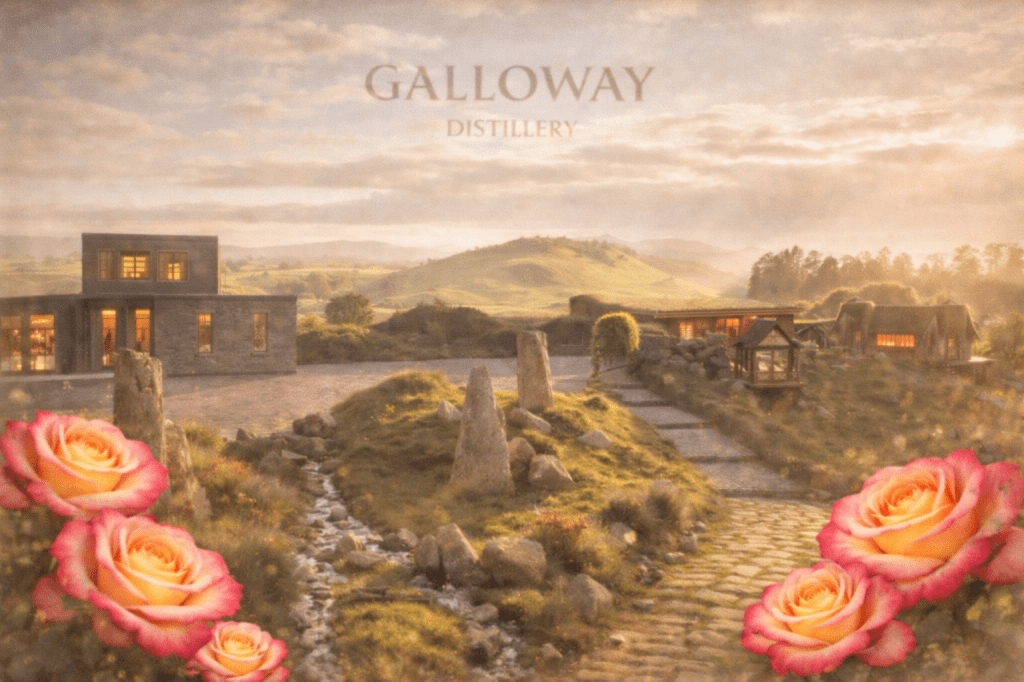
There’s something truly meaningful unfolding in Dumfries and Galloway through the development of the Galloway Distillery—a project rooted in home, purpose, and long-term vision. Created by Sam Heughan as a return to his roots, the distillery is becoming more than a place that produces spirits—it’s evolving into a full experience designed to bring people into this often overlooked region of southern Scotland. Sassenach Spirits continues to grow through this space, with whisky, gin, and vodka all being developed on-site, alongside plans for expanded visitor areas, gatherings, and a destination that invites people to stay, explore, and connect with the land itself. And I have to ask you—when was the last time you chose a place not because it was trending, but because it felt like it had a story waiting for you to step into it?
What’s happening right now is already bringing that vision to life. The distillery is actively welcoming visitors with guided tours, tastings, and immersive experiences that allow people to step into the craft and understand the process firsthand, with ongoing bookings and events continuing into 2026. But it doesn’t stop there—because once you’re there, what would you explore next? Would you wander through the quiet strength of old castles, stand where history still lingers in the stones, or take in the landscape that feels untouched in a way that’s hard to find anymore? This is what Dumfries and Galloway offers—not just a visit, but a feeling you carry with you. And I would genuinely encourage you to make plans to go, to experience the distillery, and to explore everything surrounding it—because this part of southern Scotland isn’t just a place on a map… it’s a story that’s ready to be lived, if you’re willing to step into it.
There’s been a growing conversation lately around the idea that Jamie Fraser’s emotional depth has somehow been diminished in the show, while Claire has been elevated in a way that overshadows him. I’ve taken time to really think about that perspective, not just react to it, and the more I sit with it, the more I realize that what people are responding to isn’t always the story itself—it’s how they’re interpreting what they’re seeing. From my point of view, Jamie’s emotional presence has never been removed. It’s simply being expressed in a way that requires a different kind of attention.
Jamie has never been a character who exists through constant verbal expression. His emotional strength has always been rooted in restraint, in the way he carries himself, and in the quiet intensity of his actions. That kind of depth doesn’t always translate in obvious ways on screen, especially in a visual format where time is limited and storytelling has to be more condensed. What may feel like something missing to some viewers can actually be a shift in how that emotion is being communicated. Instead of long internal reflections like in the books, the show often relies on subtle cues—facial expressions, pauses, and physical presence—to convey what he’s feeling. That doesn’t erase his emotional depth; it asks the audience to engage with it differently.
It’s also important to remember that this is an adaptation, not a direct replication of the books. Television comes with structural limitations that don’t allow every moment, thought, or layer from the source material to be included. Scenes are shortened, combined, or sometimes removed entirely in order to maintain pacing and fit within episode constraints. That doesn’t mean the essence of the character is lost—it means the storytelling has been translated into a different medium. Emotional beats that were once spelled out in detail may now exist in a more condensed or visual form, which can easily be overlooked if someone is expecting the same delivery as the books.
When it comes to Claire, I don’t see her presence as something that takes away from Jamie. The story has always been largely told through her perspective, so naturally her voice can feel more prominent at times. That isn’t a new shift—it’s part of the foundation of the narrative. Claire’s strength, independence, and emotional expression don’t diminish Jamie; they create balance. Their relationship has always been built on that dynamic—two strong individuals meeting each other fully, rather than one existing in the shadow of the other. Allowing Claire to take up space doesn’t reduce Jamie’s importance; it reinforces the partnership that defines their connection.
I also think there’s a distinction that often gets overlooked between the story itself and how audiences talk about it. Some of the frustration people are expressing seems to come more from how certain viewers interpret or prioritize the characters, rather than what the show is actually presenting. And even that experience isn’t universal. The tone of the conversation changes depending on where you’re engaging with it. On platforms like Instagram and Threads, I tend to see more balanced and thoughtful discussions that appreciate both Jamie and Claire for what they bring to the story. On X, however, the conversation can lean more negative, and that can create the impression that a particular viewpoint is more dominant than it actually is. In reality, it’s often just the loudest voices shaping the perception.
At some point, I think it’s important to acknowledge that no adaptation—or any form of storytelling coming out of Hollywood—is ever going to satisfy every expectation. These are creative decisions being made by people who are working within real constraints while trying to bring a story to life in a meaningful way. It’s not always going to look exactly how each individual viewer imagined it, and it’s not designed to. Part of appreciating storytelling, especially something as layered as this, is allowing space for interpretation without assuming that a difference in delivery means something has been taken away.
For me, Jamie Fraser was never diminished. His emotional depth is still present, still intentional, and still one of the most compelling parts of the story. The difference is not in his character—it’s in how closely we’re willing to look.
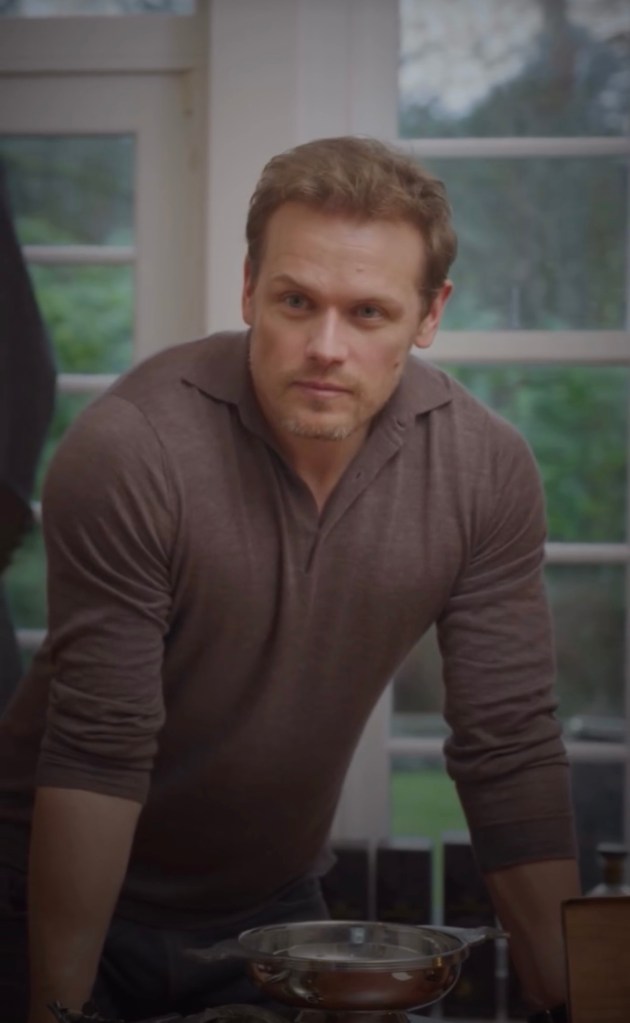
There’s something that happens for me when I sit with an image long enough—something quiet, something that doesn’t rush or demand attention. It’s not just about looking at what’s in front of me; it’s about allowing myself to feel it fully, without distraction. Over time, without forcing it, something begins to take form in my mind that I’ve come to understand as a person’s shape. Not the outline of their body or the surface of how they appear, but something much deeper—the way they exist through time. It’s the way they carry themselves, the way they return to their work, the way they continue forward even when life asks more of them than most people see. It builds slowly, layer by layer, until it becomes something I can feel clearly, even if I can’t always explain it perfectly. And when I look at Sam Heughan, that shape feels steady. It feels grounded, consistent, and earned over time in a way that doesn’t need to be loud to be understood—and that kind of presence, to me, is something that deserves to be recognized every day, not just in passing moments.
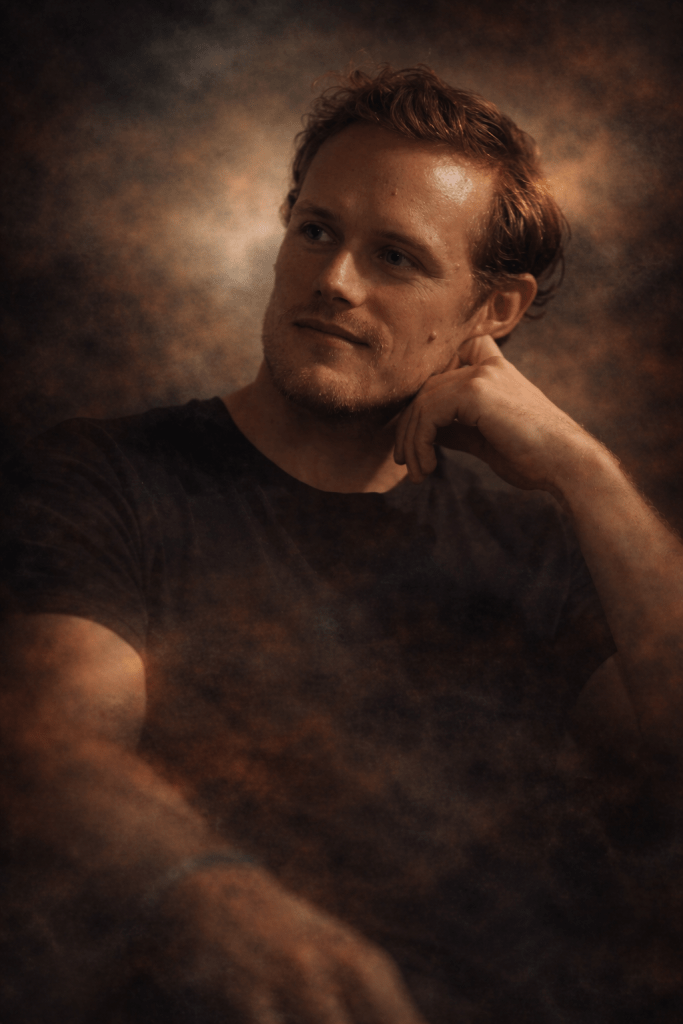
When I look at his photos, I don’t just see a single captured moment frozen in time. I feel everything that surrounds it—the years that led to that expression, the discipline it takes to remain consistent in an industry that is constantly shifting, and the quiet strength it requires to stay rooted in who you are while being seen by so many people. There’s something about that kind of presence that doesn’t need to announce itself. It reveals itself in small, almost unspoken ways—in the eyes that carry experience, in the posture that reflects both confidence and responsibility, and in the stillness that doesn’t feel empty, but rather full of something lived and understood. These are the details my mind naturally holds onto, not because I am searching for them, but because I feel them without trying. And it’s those quiet, consistent details that make me feel like appreciation shouldn’t be occasional—it should be something steady, just like the effort behind them.
I’ve never approached an image with the thought of whether it should be left as it is or changed into something else. When I see something, I feel it almost immediately, and that feeling doesn’t stay still inside of me. It moves, it expands, and it becomes something that asks to be expressed. It’s not because the original image is lacking anything—in fact, it’s because it already holds so much that I can’t experience it as just a single moment. To me, it becomes layered, almost alive, something that continues beyond what was captured. Creating from it is not about altering it, but about meeting it where it already exists for me internally. And in that process, it becomes another way for me to acknowledge and celebrate what I see—not just once, but in a way that continues.
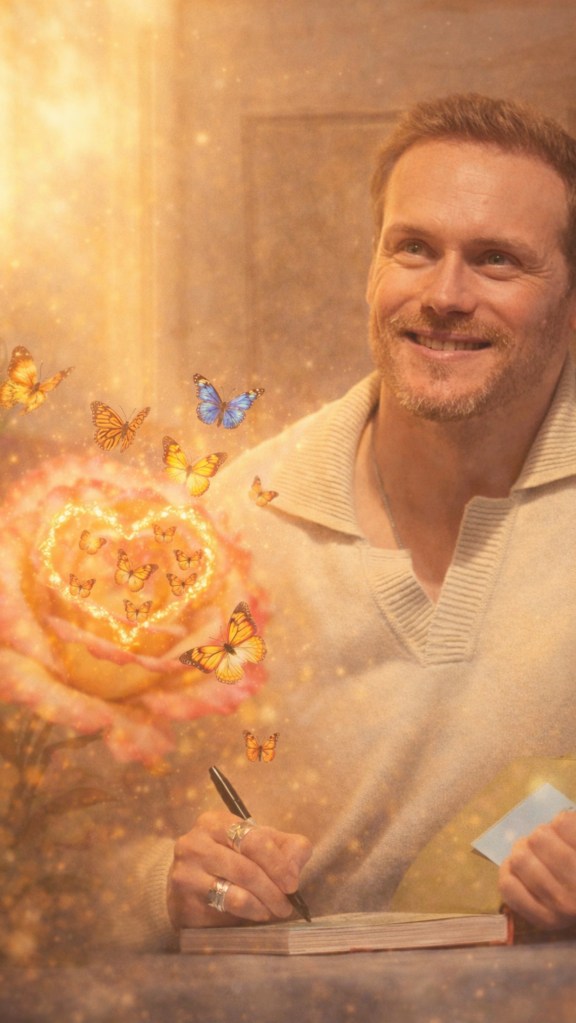
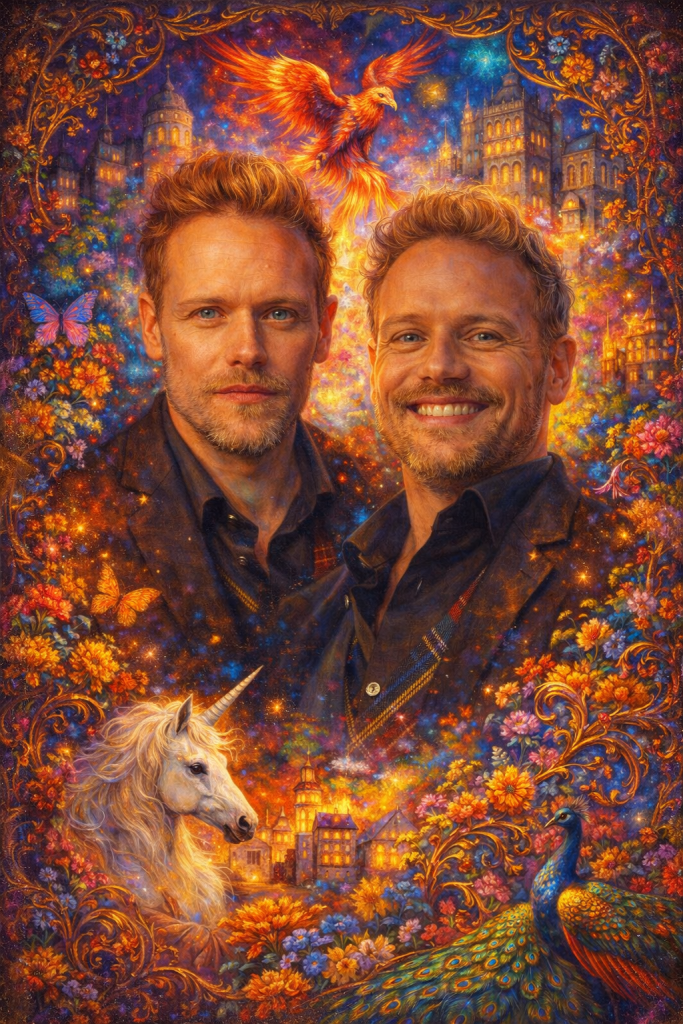
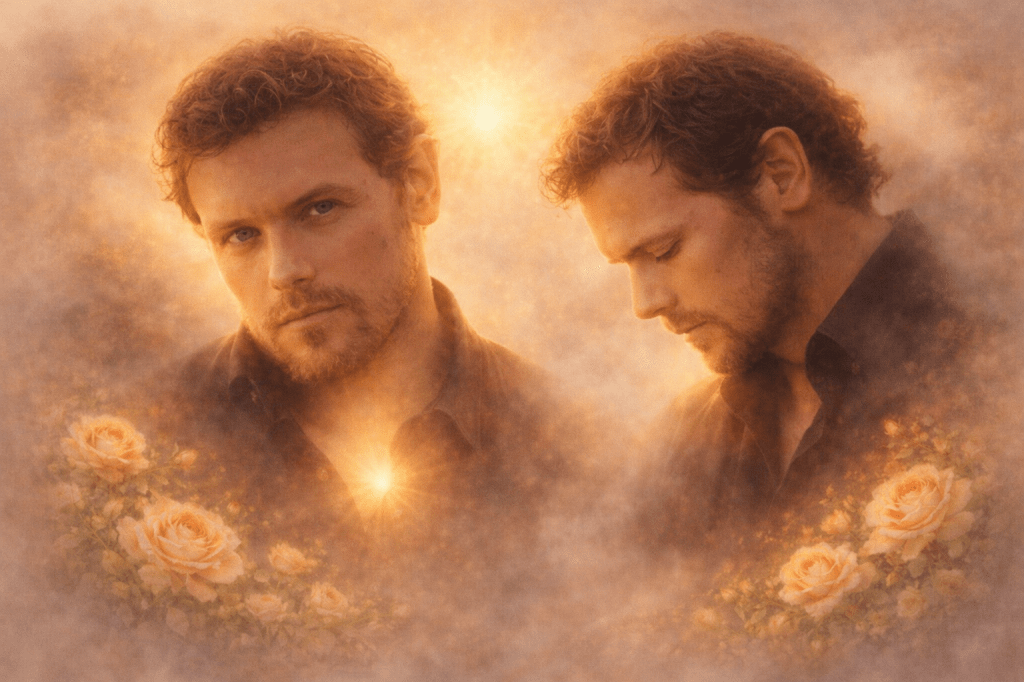
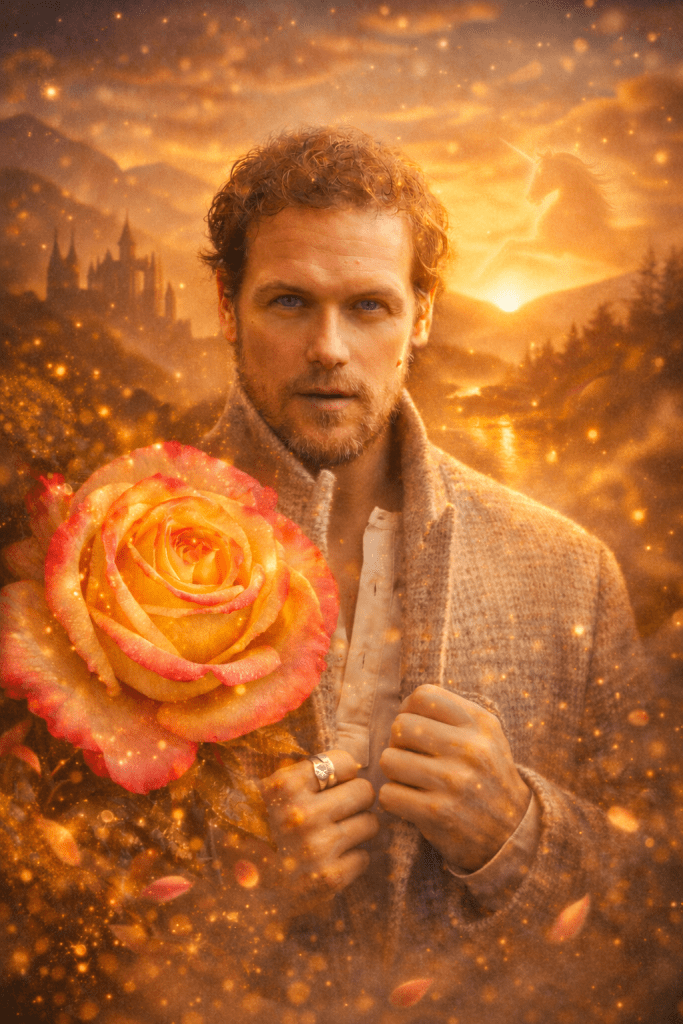
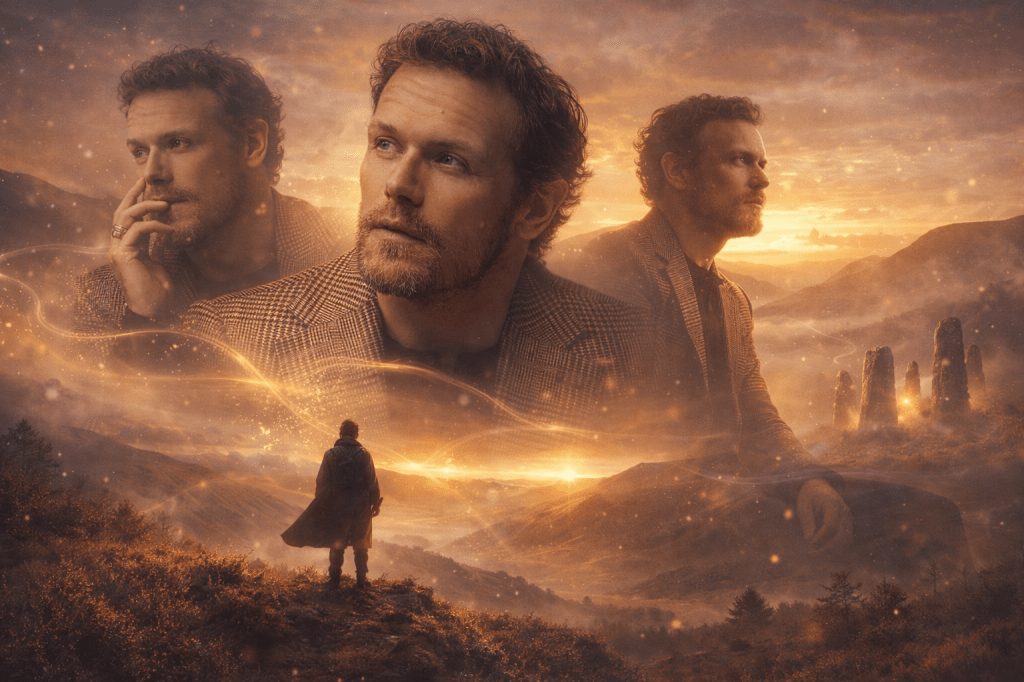
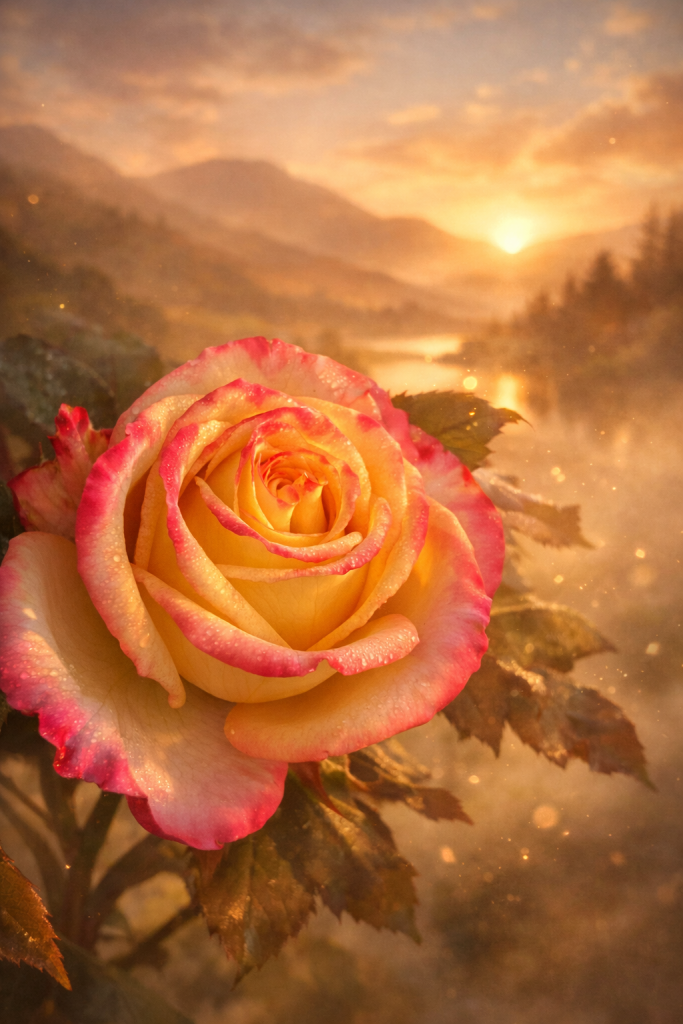
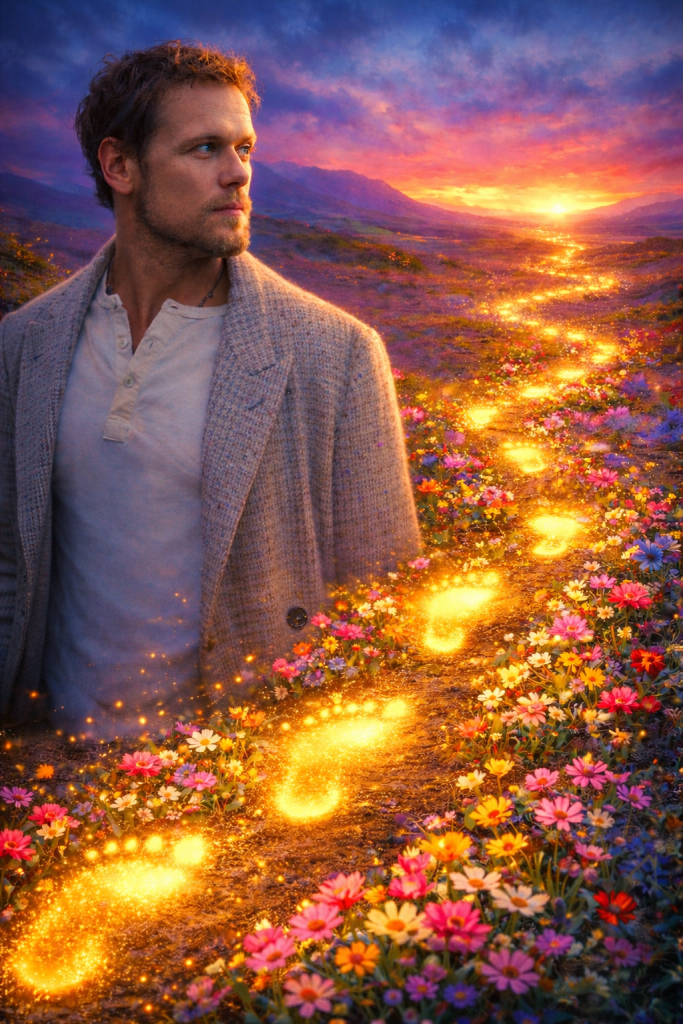
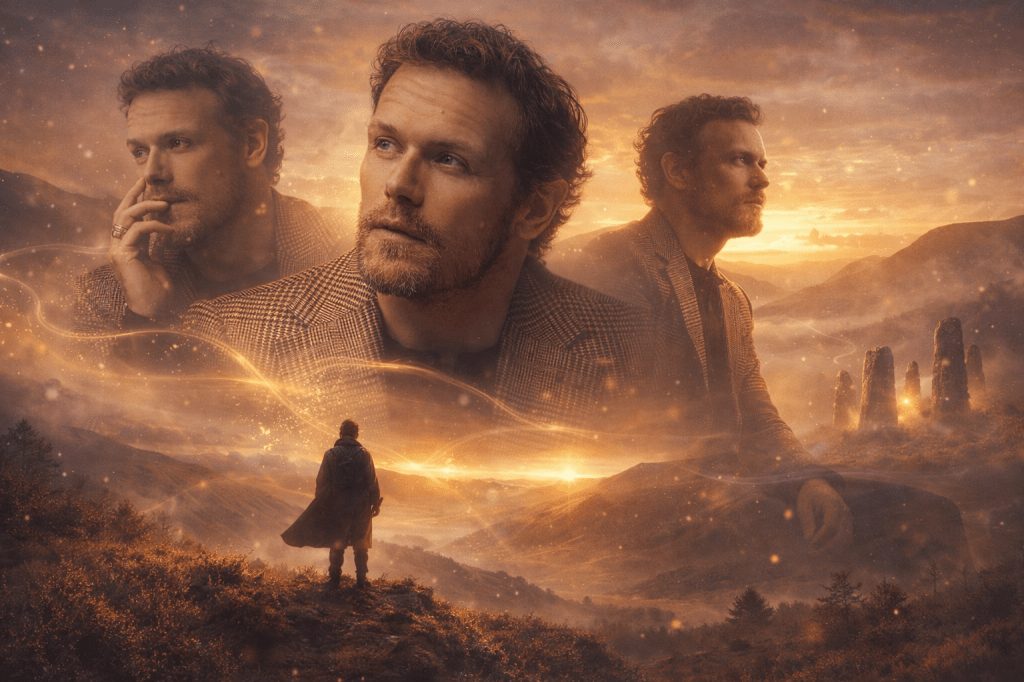
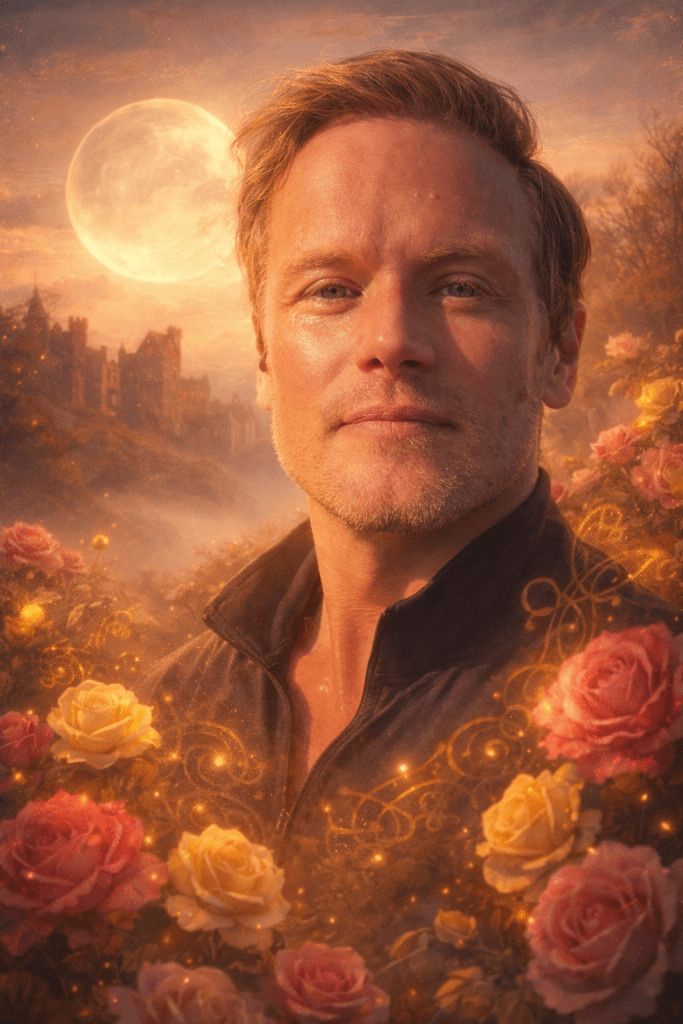
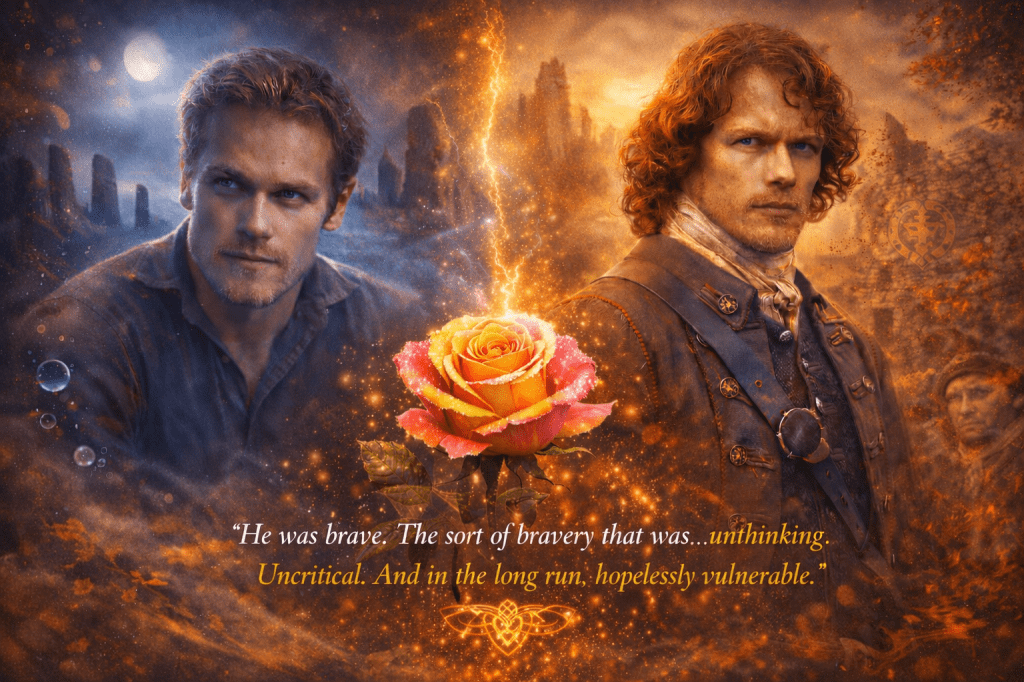
When I begin to create from one of his images, it doesn’t come from a structured plan or a need to produce something specific. It begins with a feeling that I can’t ignore. Sometimes that feeling is softness, something warm and steady that feels like it deserves to be protected and held gently. Other times it’s strength, not the kind that is loud or forceful, but the kind that is carried quietly over time without needing recognition. There are moments when it feels deeper than that—like a sense of responsibility, or the weight of continuing forward even when things aren’t easy. Without even realizing it, I start asking myself what that feeling would look like if it could be seen. That’s when the layers begin to form. Light might wrap around him because the presence feels warm and constant. Roses might appear because growth, resilience, and care feel like part of that emotional understanding. Scottish textures or landscapes might weave into the image because where someone comes from is part of their foundation, part of their identity, part of their shape. Nothing I create is random. Every detail comes from something I felt first. Because I’m not trying to recreate him—I’m responding to him, and in doing that, I’m continuing to celebrate what I see in a way that feels natural to me.
The way I experience all of this is deeply connected to how my mind works. Being autistic means I don’t move through the world in quick impressions or surface-level understanding. I notice patterns, I notice consistency, and I notice the way someone shows up over time—not just once, but again and again. That’s where a person’s shape becomes clear to me. It isn’t built from assumptions or imagination, but from repetition, from observation, from quietly witnessing how someone continues to carry themselves through their life and their work. And once that shape forms in my mind, it becomes something I hold onto in a very real and meaningful way. It also becomes something I naturally feel should be acknowledged more than it often is—because consistency like that isn’t ordinary.
I’ve also come to understand that there is a difference between truly appreciating someone and unintentionally taking from them. It can be easy, especially in a world that moves quickly, to cross that line—to assume, to create narratives, or to turn someone into something they never asked to be. That’s never what I want. For me, celebrating someone means staying grounded in what is real—what they have shown through their work, their actions, and their consistency. It means respecting what isn’t shared and understanding that who they are is not something I get to define. My art isn’t about shaping him into something new; it’s about reflecting what I see in a way that honors what already exists. It’s about appreciation that stays respectful, steady, and genuine.
There is something about consistency that stands out to me more than anything else. People can have moments where they shine, but it is something entirely different to continue showing up over time. To keep building, to keep creating, to keep evolving without losing the core of who you are requires a level of discipline and intention that isn’t always visible to others. And that is why, to me, someone like him isn’t just worth celebrating in big moments or milestones—he’s worth celebrating every day. Not in a way that overwhelms or crosses boundaries, but in a quiet, ongoing acknowledgment of what he continues to give through his work and presence. Because when someone chooses, over and over again, to show up with purpose, that kind of consistency becomes something meaningful enough to recognize daily.
So when I create—when I add light, texture, softness, and symbolism—I’m not trying to change him or add something that wasn’t already there. I’m responding to something I felt, something I noticed, something that took time to form in the way I see. This is my way of honoring that. My way of slowing a moment down and allowing it to expand into something more. My way of saying, quietly but clearly, that I see the shape of who he is through what he does—and that kind of presence, to me, is something worth recognizing, appreciating, and celebrating every single day.
And sometimes, the quietest way of seeing someone… is the most meaningful way of celebrating them.
Sometimes people ask a simple question that quietly opens a door inside you:
“What activities do you lose yourself in?”
For some people the answer might be sports, travel, or reading a good book. For me, it’s something a little different.
I lose myself in visual storytelling.
It often begins with something very small—sunlight touching a flower, a quiet path in nature, a rose glowing with color, or the gentle movement of water in a river. Most people might walk past those moments without thinking twice. But for me, those tiny details feel like the beginning of a story waiting to be told.
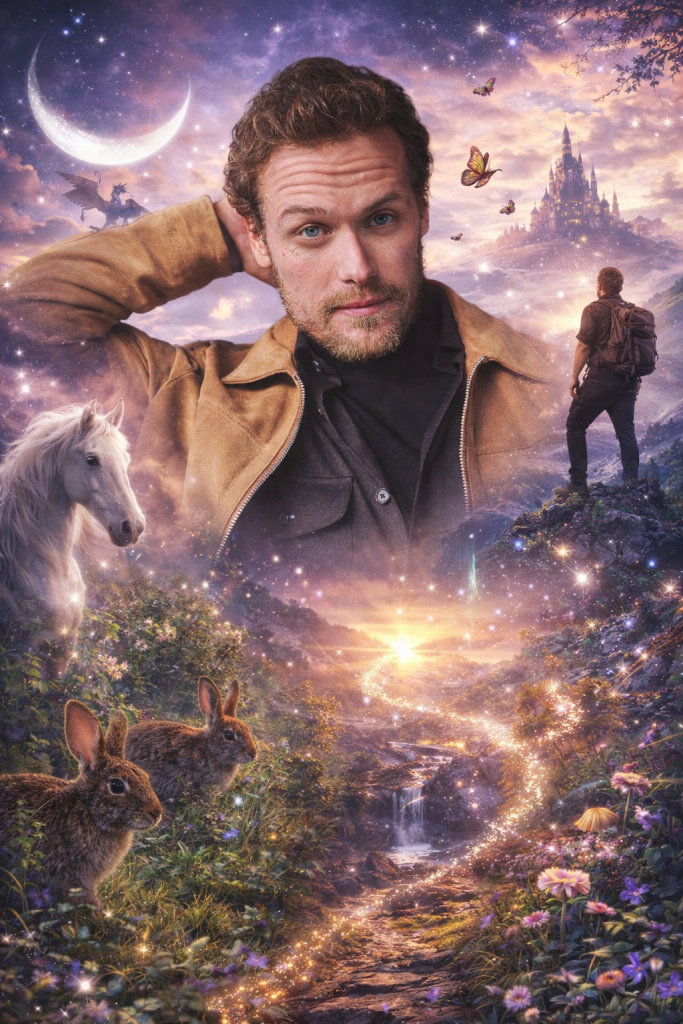
I take a photograph, something simple and ordinary, and begin to imagine what it could become. With a little creativity, patience, and a lot of heart, the image slowly transforms into something more dreamlike. Soft light appears, colors deepen, landscapes begin to feel peaceful and hopeful, and suddenly the photo holds a story.
It’s not about changing reality.
It’s about revealing the feeling inside it.
When I’m working on an image like that, hours can pass and I don’t even notice. My mind becomes quiet. The noise of the day fades away. The world slows down, and suddenly I’m just creating—layer by layer, light by light, emotion by emotion.
In those moments, I’m not thinking about expectations or worries.
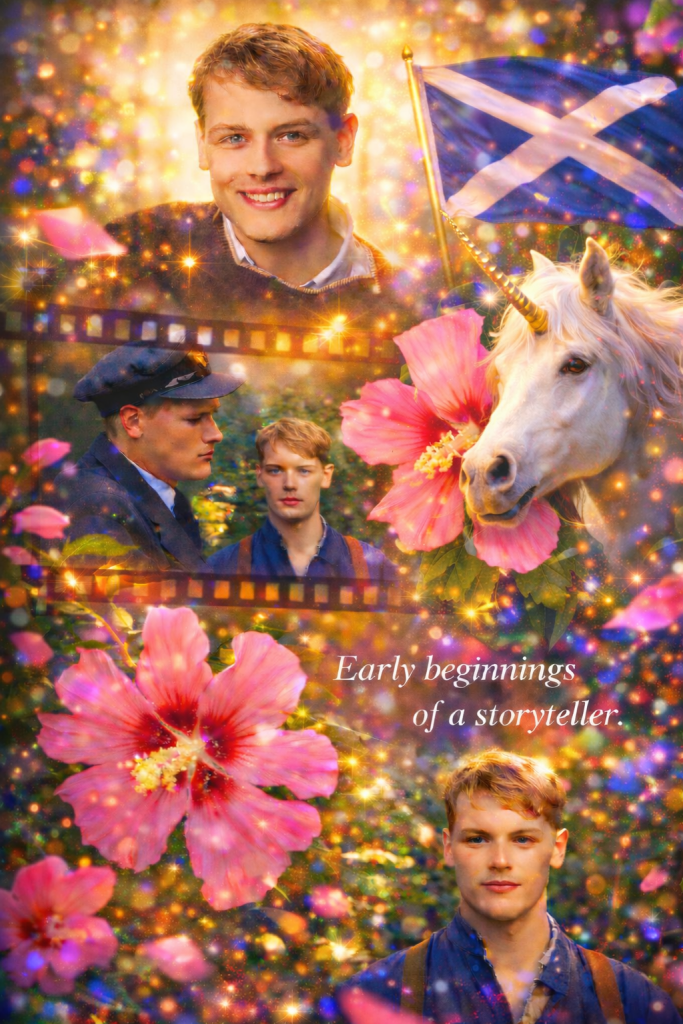
I’m simply being the person I’ve always felt meant to be: a storyteller who speaks through images.
Nature plays a big role in that. I love gardens, flowers, sunlight filtering through trees, and rivers that reflect the sky like mirrors. There’s something deeply grounding about those things. They remind me that beauty doesn’t need to shout to be powerful. Sometimes it just quietly exists, waiting for someone to notice.
That’s what inspires me most.
Not perfection, but authenticity.
And if there’s one place that has captured my imagination and creativity in a powerful way, it’s southern Scotland, especially Dumfries and Galloway. There’s something about that landscape that feels deeply poetic to me—the rolling countryside, the quiet rivers, the ancient castles, and the sense that history and stories are woven into the land itself.
Even from across the ocean, I feel drawn to it.
Dumfries and Galloway seems like a place where the world slows down just enough for people to truly see it. The light over the hills, the stillness of the countryside, and the feeling that every path might hold a story from centuries ago make it feel almost timeless.
It’s the kind of place that sparks the imagination of a storyteller.
One of the reasons that connection grew stronger for me is because of the way Sam Heughan speaks about where he comes from. You can hear the pride and affection he has for southern Scotland whenever he talks about it. That love for his homeland makes you want to see it, understand it, and appreciate it in the same way.
In many ways, he has been a constant creative muse in my own journey as a storyteller.
Not just because of a role he plays on screen, but because of the way he approaches life—his love for Scotland, his dedication to storytelling, his creativity, and the way he encourages people to explore the world and challenge themselves.
That kind of spirit is inspiring.
It reminds me that creativity can come from many places: from landscapes, from stories, from history, and from people who are passionate about what they do.
My art often reflects that inspiration. When I create images, I sometimes imagine the soft golden light over the hills of southern Scotland, rivers reflecting the sky, and the quiet strength of castles that have stood for centuries. Those visions naturally find their way into the dreamy, painterly style I love to create.
And deep down, there is also a quiet hope.
A hope that someday I will finally stand in Dumfries and Galloway myself, seeing those landscapes with my own eyes instead of just through imagination and photographs. To walk through that countryside, feel the air, see the rivers, and understand why that place means so much to the people who call it home.
Until then, creativity is the bridge that takes me there.
Because when I lose myself in storytelling—through images, nature, and imagination—it feels like part of my heart is already wandering those beautiful hills of southern Scotland.
And maybe that’s the true power of storytelling.
It allows people, places, and ideas to connect across oceans long before we ever meet them in person. ✨
Storytelling has always been one of humanity’s most powerful ways of understanding itself. Long before screens and stages, stories were shared around fires and passed from generation to generation. They carried lessons about courage, love, resilience, and hope. Even today, storytelling continues to guide us through the emotional landscapes of life.
There are certain storytellers in this world who seem to understand something deeply human. They don’t simply step into roles and recite lines. Instead, they carry entire emotional landscapes with them — courage, heartbreak, love, resilience — and invite audiences to walk through those landscapes alongside them.
When a storyteller truly understands the human heart, the characters they bring to life begin to feel timeless. We recognize parts of ourselves within them. Our struggles, our hopes, our quiet strengths. In that way, storytelling becomes more than entertainment. It becomes a bridge between human experiences.
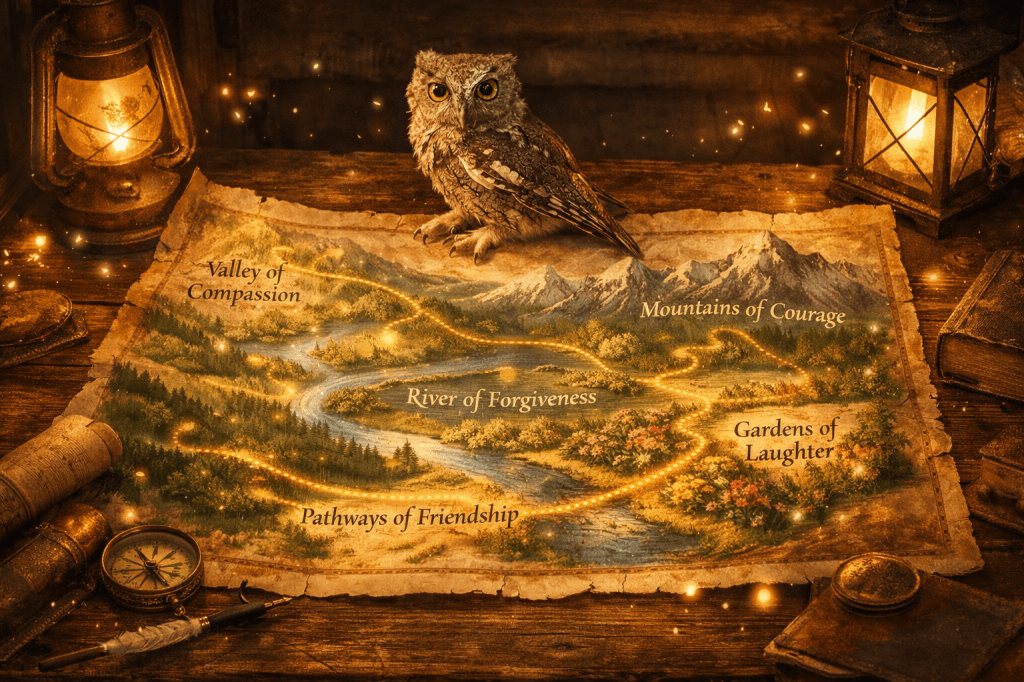
Stories allow us to travel through emotions we may not yet fully understand ourselves. They take us into valleys of grief, across mountains of courage, and along rivers of hope. Through these journeys, storytelling reminds us that the human experience is shared in ways we sometimes forget.
Actors who approach storytelling with empathy and dedication become guides through these emotional landscapes. Their work reminds us that storytelling is not simply about playing a role — it is about understanding the soul of a character and sharing that understanding with the audience.
One actor whose work reflects this kind of storytelling is Sam Heughan. Through the characters he has brought to life, he demonstrates how powerful storytelling can be when it is grounded in emotional truth and respect for the story being told. What makes performances like these stand out is not simply talent, but a genuine appreciation for the craft itself.
Great storytelling asks artists to step into many different lives and experiences. It requires curiosity about the world and compassion for the many ways people live, struggle, grow, and love. That kind of work leaves an impression on audiences because it reflects something honest about the human experience.
For me personally, storytelling has always felt deeply meaningful. As someone who experiences the world with an autistic mind, I often notice emotional details and moments of humanity that others might pass by quickly. Stories — whether in books, film, or art — help translate those emotions into something shared and understood. They create a sense of connection between people who may have never met but recognize pieces of themselves within the same story.
Perhaps that is why certain stories stay with us long after the screen fades to black or the curtain falls. They linger because they touched something real within us.
In a world that can sometimes feel loud and distracted, storytelling still holds a quiet power. It reminds us of courage, compassion, vulnerability, and hope — the very qualities that shape who we are.
And when storytellers approach their craft with sincerity, they create something lasting. Not just a performance, but a connection.
Because at its heart, storytelling has always been one of the ways humanity learns to understand itself.
It doesn’t always arrive with noise or recognition. Instead, it grows slowly over time through the work someone creates, through the dedication they show, and through the way their efforts reach people they may never even meet.
For me, that inspiration has come through the work of Sam Heughan.
The reason he means so much to me isn’t about fame or celebrity. It comes from something deeper and much more meaningful than that. It comes from recognizing the humanity, dedication, and creative spirit behind everything he has poured himself into over the years.
As an autistic woman, the way I experience the world is often deeply layered. I tend to notice small details, emotional nuances, and the subtle qualities in people that others might overlook. When I observe someone’s work, I don’t only see the finished result. I see the effort behind it, the vulnerability it takes to share something meaningful, and the perseverance it requires to continue giving your best over time.
When I look at the body of work Sam Heughan has created, that dedication is impossible not to see.
Many people know him through the powerful characters he has brought to life on screen. Acting at that level requires emotional honesty, discipline, and resilience. It requires stepping into stories with authenticity and carrying the responsibility of bringing those stories to life in a way that resonates with people around the world.
But what has always stood out to me is that his work has never been limited to one path.
He has poured himself into storytelling not only as an actor but also as a writer, sharing his experiences and encouraging people to challenge themselves and explore the world with curiosity and courage.
Through his ventures with Sassenach Spirits, he has helped create something that celebrates heritage, craftsmanship, and culture—bringing people together through shared experience and storytelling in a completely different form.
Through My Peak Challenge, he has built something even more meaningful: a global community centered on perseverance, health, compassion, and giving back. That initiative has encouraged thousands of people to become stronger in both body and mind while supporting charitable causes that help others.
When you step back and look at everything he has devoted his energy to—acting, storytelling, writing, entrepreneurship, philanthropy, and building communities that uplift others—you begin to see something very clear.
This is someone who truly gives himself to the work he believes in.
And that kind of dedication carries meaning.
For me personally, that dedication has been deeply inspiring. Creativity has always been an important part of how I move through the world. I express myself through photography, visual storytelling, and art. When I create something, I tend to think in layers—emotion, atmosphere, symbolism, and meaning woven together.
The work of Sam Heughan has often sparked that creative process for me.
Not in a superficial way, but in the way that one artist can quietly inspire another without ever realizing it. When I see the sincerity and effort he brings to what he creates, it encourages me to bring that same honesty into my own creative expression.
Artists inspire other artists.
Creativity travels quietly from one person to another, reaching people who may live far away yet still feel something meaningful when they encounter the work someone has created.
But beyond the creativity, what matters most to me is something very simple.
Humanity.
When someone spends many years working in the public eye, it becomes easy for people to see the roles, the projects, and the achievements rather than the person behind them. Sometimes the human being behind the work can be forgotten.
What I see when I look at Sam’s journey is someone who has devoted a great deal of himself to storytelling, to building meaningful projects, and to encouraging others to grow stronger and kinder in their own lives.
That kind of dedication deserves respect.
And it deserves to be recognized.
I do not know him personally, and I don’t pretend to. But what I do recognize is the humanity that comes through in the work he shares with the world—the perseverance, the sincerity, and the heart behind it.
Sometimes the people who inspire us never realize the quiet impact they have had.
But inspiration has a way of traveling farther than we imagine.
Somewhere out there, someone is creating art, writing words, or finding the courage to pursue their own path because they saw the dedication someone else poured into their work.
For me, that inspiration has been real.
It has encouraged me to create more deeply, to express my perspective through art and storytelling, and to appreciate the quiet beauty of creativity itself.
And if there is one thing I hope these words express, it is simply this:
The work you pour your heart into matters.
Because sometimes the most powerful inspiration comes simply from recognizing the humanity in someone who has quietly given so much of themselves to the work they love.
Just to add, and I believe everyone would agree that Sam possesses the face of a brilliant and beautiful angel. He is beautiful both inside and out, and I am delighted to call him my creative muse.
Supporting With Integrity: Why Boundaries and Truth Matter in Fandom
Over the last few weeks, I’ve watched the online space become louder again. Rumors, edited videos, speculation, and people claiming to have “inside information.” I’ve honestly been trying to stay away from all of it because that environment becomes toxic very quickly. It’s overwhelming, exhausting, and full of noise. It pulls people away from the work, the art, and the deeper reasons many of us became fans in the first place.
But sometimes silence allows misinformation to grow. And when that happens, it stops being harmless. It begins to affect real people. This is why I felt the need to speak up.
What many people don’t realize is how the professional world around actors like Sam Heughan actually works. The teams that support him—publicists, agents, managers, legal teams, and production professionals—are not there to create drama or fuel speculation. Their entire purpose is to protect his career, his reputation, his projects, and his privacy.
Most people working in the entertainment industry sign strict legal contracts called Non-Disclosure Agreements, or NDAs. These agreements legally require them to keep private information confidential. This includes personal details, private conversations, future projects, and anything that has not been publicly shared.
Breaking an NDA is not a small mistake. It carries very serious consequences.
If someone leaks private information, they can face lawsuits, financial penalties, and immediate termination. Even more significant, they risk being permanently shut out of the industry. Entertainment is a smaller world than most people think. Trust and reputation are everything. Once confidentiality is broken, it spreads quickly, and that person may never be trusted again.
This is why the idea that someone “on the inside” would casually share personal details online simply does not make sense. It would mean risking years of education, training, and professional relationships for temporary attention. Real professionals do not do that. Their job is to reduce speculation, not create it.
So when people online claim to have inside access or secret information, it rarely aligns with how this industry truly operates. More often, it comes from fans who want to feel closer, accounts seeking attention or followers, or individuals who build communities around speculation. But none of this is grounded in reality.
And this matters.
Rumors are not harmless entertainment. They can affect mental health, working relationships, and the environment surrounding creative projects. They shift focus away from storytelling and toward personal invasion. They create pressure and misunderstanding, and they can change the tone of a fandom in ways that are not healthy or sustainable.
Both Sam and many actors in similar positions have spoken about the importance of boundaries and respect. They have asked fans to focus on the craft, the stories, and the work. That request is not about secrecy. It is about creating a healthy relationship between artists and the people who support them.
For me, supporting Sam has always meant something deeper.
There is also a very personal reason this matters so much to me.
Sam Heughan means a great deal to me as my creative muse. Over the last few years, his work and dedication have helped me reconnect with my own creativity, storytelling, and sense of purpose. As an autistic adult, I often experience the world in layers—through details, emotions, and sensory moments that others may overlook. His work brought me back to creativity, storytelling, and the quiet beauty of seeing life more deeply.
I have always been someone who stands up for fairness and truth. It’s simply part of who I am. I believe in kindness, integrity, and protecting people from being misunderstood or unfairly judged. So when I see any situation where speculation or misinformation begins to overshadow someone’s work or character, I feel a responsibility to bring the focus back to what truly matters.
I will always speak up for respect and balance, especially when it comes to someone who has inspired so much growth and creativity in my life. Because he is so much more than just an actor. He is a human being who has used his platform to uplift others, encourage growth, and bring meaningful stories to life. That deserves respect. That deserves honor. And it deserves a fan community that reflects those same values.
For me, supporting him means protecting that space. It means choosing integrity over noise, and kindness over curiosity. It means remembering that behind every public figure is a real person who deserves dignity and peace.
Healthy fandom is not passive. It is intentional. It chooses truth over noise, respect over rumor, and boundaries over curiosity.
The strongest support we can give any artist is simple:
To trust what they choose to share.
To honor their privacy.
To celebrate their work.
And to remember that behind the public image is a human being who deserves peace.
That is the energy I choose to bring. And I hope more of us choose it too.
This man will always be my favorite, and he deserves so much more in life because of his incredible personality. He deserves peace of mind and a significant amount of his work should be the center around him.
There is a kind of strength the world rarely celebrates.
It does not need to be loud. It does not demand attention.
It is steady, grounded, and deeply rooted in character.
For many, the Highlander spirit is often defined by courage in battle or physical endurance. Yet what has always stayed with me is something far quieter. It is the strength to remain gentle in a harsh world. The courage to love with intention. The discipline to protect what matters without losing compassion.
This is why Jamie Fraser has never felt like just a fictional character. He represents something timeless and deeply human. A reminder that true strength is not about control or dominance, but about presence. It is about loyalty, emotional safety, and the quiet promise to stand beside someone through every season of life.
In a world that often rewards hardness and detachment, this kind of strength feels rare. And yet, it is the kind that changes lives. It builds trust. It creates space for healing. It allows people to grow without fear.
My connection to Scotland began when I was thirteen years old. I did not fully understand it at the time, but something about its history, landscapes, and quiet endurance spoke to my spirit. It felt ancient and steady, as though it carried a sense of purpose that I longed to understand. Years later, returning to these stories during a difficult season of my life felt like coming home to that same quiet strength.
Life has a way of humbling us. It asks us to rebuild, layer by layer. As someone who experiences the world deeply, I have come to understand that kindness is not weakness. It is one of the strongest choices we can make. It takes courage to remain open. It takes discipline to grow when no one is watching. It takes humility to lead with empathy in a world that often encourages us to harden.
As a high-functioning autistic adult, I experience people and moments in layers. I notice the pauses in conversation, the subtle shifts in energy, and the sincerity behind someone’s words. I see the quiet acts of care that often go unseen. This way of perceiving the world has shaped how I understand strength. It has taught me that true character is revealed not in grand gestures, but in consistency, in gentleness, and in how someone treats others when no one is watching.
Stories like Outlander resonate with me because they reflect that depth. They show strength that is not only physical, but emotional and moral. They remind me that leadership is not about power, but about presence. That protection does not come from control, but from trust.
Jamie Fraser may live in a world of swords and battles, but the deeper strength he represents is timeless. The qualities that define him—discipline, resilience, loyalty, and compassion—are not bound to history. They are choices that still matter today.
In many ways, what makes this legacy powerful is how those same values continue to exist in the modern world. Through dedication to craft. Through resilience in the face of challenges. Through encouraging health, growth, and community. Through using influence not only for personal success, but to lift others.
Jamie Fraser shows us what courage looked like in the past.
Sam Heughan reminds us what it can look like today.
What makes this connection meaningful is not that one is fictional and the other real, but that the spirit behind both is the same. A belief in standing beside others. In lifting people up. In living with purpose even when the path is difficult.
One of the biggest reasons I hold Sam Heughan as a beautiful treasure is because of the timeless grace and humility he brings to his work. There is a quiet consistency in his dedication—to his craft, to his health, to his community, and to the causes he supports. It reflects an understanding that success is not only about achievement, but about impact.
Through my autism lens, this consistency stands out even more. It feels genuine and intentional. It reflects discipline and integrity in a way that is both grounding and inspiring. It is the kind of leadership that creates emotional safety and encourages others to grow.
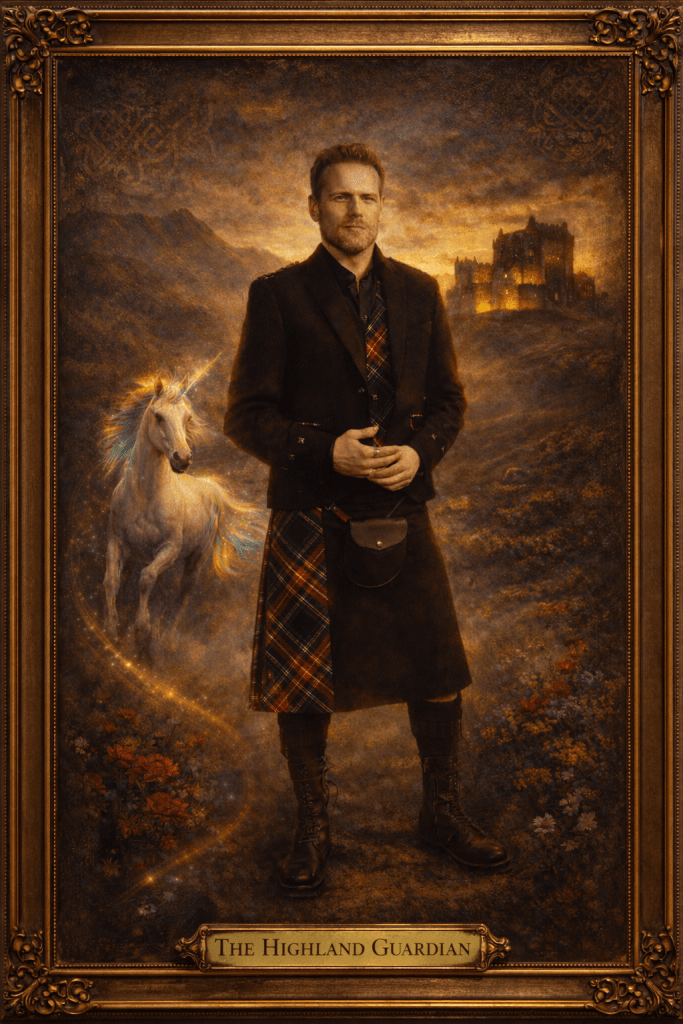
This is also why the Jamie Fraser Collection feels meaningful. It is more than a tribute to a character. It reflects the values that made that character resonate so deeply—strength with gentleness, courage with humility, and leadership rooted in purpose. It carries forward the spirit of the Highlander in a way that feels grounded in the present.
For me, this collection represents continuity. A reminder that these qualities are not confined to history or fiction. They can live in our everyday choices. In how we treat others. In how we care for our health, our communities, and our personal growth.
The Highlander spirit is not about the past. It is about the present and the future. It lives wherever people choose integrity over ego, compassion over control, and growth over comfort. It lives in everyday acts of kindness, resilience, and the courage to remain open-hearted.
My hope is that we continue to honor this way of living. That we celebrate those who lead with empathy. That we choose to walk beside others rather than ahead of them. That we remember true strength is steady and soft at the same time.
Because the world does not need more noise.
It needs more people who lead with kindness.
And perhaps that is the true legacy of the Highlander—
not only to fight bravely,
but to love bravely,
to live with purpose,
and to leave every life we touch a little stronger,
a little safer,
and a little more hopeful than before.
Creating light, purpose, and beauty in the quiet spaces where strength and kindness meet.




 Deep Thinking