There’s something I’ve been sitting with for a while now… something that feels important to say, not just as a fan, but as a human being trying to understand another human being more deeply.
I keep seeing people talk about how Sam Heughan seems “different” in interviews after Outlander wrapped. Quieter. More reserved. Not quite the same energy people remember.
And I think the question people are asking is:
What changed?
But the question I keep coming back to is:
What if nothing is wrong at all?
What if what we’re seeing… is what it actually looks like when someone steps out of years of intensity and finally has space to just be?
Because from my perspective—as someone who is autistic and has spent years working in retail, constantly navigating a fast-paced, overwhelming environment—I understand what it means to live in a state of being “on” almost all the time.
And I don’t think people fully realize what that does to a person over time.
When you’re “on,” you’re not just doing tasks.
You’re managing your tone, your facial expressions, your reactions.
You’re filtering yourself in real time.
You’re reading people, adjusting to them, keeping things smooth—even when internally, you might feel overstimulated, exhausted, or completely drained.
For me, that’s what masking looks like.
It’s smiling when I’m overwhelmed.
It’s staying calm when everything around me feels chaotic.
It’s pushing through noise, pressure, expectations—because that’s what’s required to function in that space.
And after doing that day after day… year after year…
You don’t just clock out and instantly feel like yourself again.
There’s a delay.
There’s a kind of emotional and mental echo that lingers.
And sometimes, when you finally step out of that constant state of performance… you don’t feel like the version of yourself people are used to seeing.
You feel quieter.
More inward.
More careful.
Not because you’ve lost who you are—
But because you’re finally in a space where you don’t have to project it all the time.
And that’s where I think the misunderstanding happens.
People are used to seeing a version of someone that exists within a role, within a system, within a certain expectation. In his case, that role carried years of emotional storytelling—love, loss, trauma, strength—all expressed outwardly, over and over again.
That takes something out of you.
Not in a negative way, but in a very real, human way.
So when that role ends, or even shifts, there’s a natural period of recalibration.
A return.
But returning to yourself isn’t always loud or obvious.
Sometimes it looks like pauses.
Like quieter answers.
Like someone choosing not to give as much of themselves away all at once.
And from the outside, that can be mistaken as distance.
But from the inside?
It can feel like relief.
I’ve had moments like that in my own life—especially after long stretches of working in environments where I had to constantly adapt just to be understood.
Moments where I didn’t feel like the “version” of me people expected.
And I’ve realized something important through that:
That version wasn’t the only version of me.
It was just the one people were most familiar with.
So when I see him now, I don’t see someone who’s “not himself.”
I see someone who may be shedding layers that were necessary for a time… but not meant to be carried forever.
I see someone protecting their energy.
I see someone allowing space for a more natural rhythm.
And I think… if more people understood what it feels like to live in that constant state of giving, adapting, and performing—whether it’s on a set or on a retail floor—they might pause before labeling that shift as something negative.
Because not every change is a loss.
Sometimes it’s a return.
Sometimes it’s healing.
And sometimes… it’s the first real breath someone has taken in a long time.
So before we say someone seems different… or not like themselves…
Try standing in his shoes for a moment.
Not as a fan.
Not as someone watching from the outside.
But as someone who knows what it feels like to carry expectations, to adapt constantly, and to slowly find your way back to yourself when the weight lifts.
Because from that place…
You might not see someone who’s changed in a way that should be questioned.
You might see someone who’s finally allowing themselves to exist without having to perform it.
Why red carpet photos and anonymous tips often create stories that were never there.
In the modern digital age, celebrity culture moves at extraordinary speed. A photograph taken in a crowded room can be uploaded within minutes, shared across social platforms, discussed in comment sections, and eventually turned into a rumor that thousands of people repeat.
What began as a normal moment can quickly become a story that was never intended to exist.
This phenomenon is especially common during premieres, press events, or industry gatherings where actors are photographed constantly. Cameras capture hundreds of candid interactions throughout the evening. But when a single frame is removed from its context and shared online, the interpretation of that moment can change dramatically.
Understanding how this cycle works helps explain why so many celebrity rumors begin with something very ordinary.
The Reality of Red Carpet and Industry Events
To someone watching from the outside, red carpet premieres can look glamorous and controlled. In reality, they are fast-moving, crowded environments where many interactions happen simultaneously.
Actors attending premieres or press events are rarely alone. Throughout the evening they are typically surrounded by a wide range of people connected to the project or event. These may include:
fellow cast members
producers and directors
studio executives
publicists and managers
brand representatives
photographers and videographers
friends and colleagues attending the event
These environments are busy, loud, and tightly scheduled. Publicists often guide actors through crowds while photographers call out directions. Conversations happen quickly and often very close together simply because it is difficult to hear over the noise of the room.
Because of this, small gestures are extremely common. Someone may touch another person’s back to guide them through a crowd. A colleague might lean in closely to speak. Friends greet each other with brief hugs or supportive gestures.
These are completely normal social behaviors in busy environments.
However, when one photograph captures only a fraction of that interaction, viewers may interpret it very differently from how the moment actually unfolded.
The Power of a Single Frame
Professional photography agencies such as Getty Images document public events extensively. Photographers often take hundreds or even thousands of photos in rapid succession.
These images capture brief moments such as:
greetings between colleagues
conversations during crowded events
quick hand gestures while speaking
a publicist guiding someone through a group
photographers directing a pose for the camera
Each photograph represents only a split second of time.
When viewers see a single isolated image without the surrounding sequence of photos, it becomes easy to assume a narrative. Human psychology naturally tries to fill in missing context, especially when people already have curiosity about a public figure.
A gesture that lasted two seconds can suddenly be interpreted as something far more significant.
The Rise of Anonymous Gossip Submissions
In recent years, social media has accelerated how quickly speculation spreads. Accounts dedicated to celebrity gossip frequently rely on anonymous submissions sent by followers who claim to have witnessed something involving a public figure.
One widely known example is DeuxMoi, which publishes anonymous tips about celebrity sightings and rumors.
These types of submissions usually follow a similar format:
“A friend saw…”
“Someone at the event said…”
“Spotted with a mystery person…”
It is important to recognize that most of these tips are:
anonymous
unverified
based on personal interpretation rather than confirmed information
Even the platforms that publish these submissions often include disclaimers explaining that the information has not been verified.
Despite this, once a rumor appears online it can spread rapidly. Other accounts repeat the story, screenshots circulate, and discussions grow around an event that may have been misinterpreted from the start.
Why Rumors Often Appear During Major Events
Rumors rarely appear at random. They tend to increase during periods when actors or public figures are receiving significant attention.
This often occurs during:
television season premieres
film festivals
press tours
award ceremonies
major product launches or business announcements
During these periods, media coverage increases and photographers capture more images. Fans are also paying closer attention to public appearances.
More attention naturally leads to more speculation.
A moment that might have gone unnoticed during a quiet time can suddenly become a topic of conversation simply because more people are watching.
Understanding the Difference Between Rumor and Journalism
Not all sources of information operate under the same standards.
Professional journalism follows editorial processes designed to verify information before publication. Established outlets such as Variety, The Hollywood Reporter, Reuters, BBC, and Associated Press rely on confirmation, sources, and editorial review before presenting claims as fact.
By contrast, rumor-based content often comes from places that prioritize speed and speculation over verification.
Examples of sources that frequently spread unverified rumors include:
anonymous gossip submission accounts
blind-item rumor blogs
unsourced screenshots circulating on social media
speculation threads without confirmation
These platforms may occasionally report something accurate, but they are not structured around verification in the same way professional journalism is.
For readers, recognizing the difference between these types of sources is essential.
Why Context Matters
One of the biggest challenges in modern media culture is the loss of context.
A photograph taken during a crowded event shows only a single perspective. It does not show the moments before or after. It does not capture the full conversation, the surrounding people, or the environment of the event.
Without that context, audiences may interpret what they see in ways that were never intended.
In many cases, rumors begin not because anyone deliberately created a false story, but because viewers simply misunderstood what they were seeing.
A More Thoughtful Approach to Celebrity Culture
Fans and readers play an important role in shaping the tone of online discussions about public figures.
When speculation begins circulating online, it can be helpful to pause and ask a few questions:
Where did this information originate?
Is the claim supported by a reliable source?
Could the moment simply be a normal interaction taken out of context?
Approaching celebrity culture with curiosity rather than assumption helps prevent rumors from spreading unnecessarily.
Respecting the Human Side of Public Figures
Actors, artists, and creators share their work with audiences, but their personal lives remain their own unless they choose to share them publicly.
A respectful fandom recognizes the difference between appreciating someone’s work and speculating about private aspects of their life.
Celebrating performances, storytelling, and creative achievements keeps conversations focused on the things that artists themselves choose to share with the world.
Sometimes the most thoughtful response to a rumor is simply to step back, look at the larger picture, and remember that behind every photograph is a real person living a real life beyond the frame.
Sources and References
Getty Images – editorial photography from entertainment events
Note: Anonymous gossip submissions and rumor-based accounts often publish unverified information and should not be treated as confirmed reporting
When a Moment Becomes a Rumor: Understanding the Celebrity Gossip Cycle
Why red carpet photos and anonymous tips often create stories that were never there.
In the modern digital age, celebrity culture moves at extraordinary speed. A photograph taken in a crowded room can be uploaded within minutes, shared across social platforms, discussed in comment sections, and eventually turned into a rumor that thousands of people repeat.
What began as a normal moment can quickly become a story that was never intended to exist.
This phenomenon is especially common during premieres, press events, or industry gatherings where actors are photographed constantly. Cameras capture hundreds of candid interactions throughout the evening. But when a single frame is removed from its context and shared online, the interpretation of that moment can change dramatically.
Understanding how this cycle works helps explain why so many celebrity rumors begin with something very ordinary.
The Reality of Red Carpet and Industry Events
To someone watching from the outside, red carpet premieres can look glamorous and controlled. In reality, they are fast-moving, crowded environments where many interactions happen simultaneously.
Actors attending premieres or press events are rarely alone. Throughout the evening they are typically surrounded by a wide range of people connected to the project or event. These may include:
fellow cast members
producers and directors
studio executives
publicists and managers
brand representatives
photographers and videographers
friends and colleagues attending the event
These environments are busy, loud, and tightly scheduled. Publicists often guide actors through crowds while photographers call out directions. Conversations happen quickly and often very close together simply because it is difficult to hear over the noise of the room.
Because of this, small gestures are extremely common. Someone may touch another person’s back to guide them through a crowd. A colleague might lean in closely to speak. Friends greet each other with brief hugs or supportive gestures.
These are completely normal social behaviors in busy environments.
However, when one photograph captures only a fraction of that interaction, viewers may interpret it very differently from how the moment actually unfolded.
The Power of a Single Frame
Professional photography agencies such as Getty Images document public events extensively. Photographers often take hundreds or even thousands of photos in rapid succession.
These images capture brief moments such as:
greetings between colleagues
conversations during crowded events
quick hand gestures while speaking
a publicist guiding someone through a group
photographers directing a pose for the camera
Each photograph represents only a split second of time.
When viewers see a single isolated image without the surrounding sequence of photos, it becomes easy to assume a narrative. Human psychology naturally tries to fill in missing context, especially when people already have curiosity about a public figure.
A gesture that lasted two seconds can suddenly be interpreted as something far more significant.
The Rise of Anonymous Gossip Submissions
In recent years, social media has accelerated how quickly speculation spreads. Accounts dedicated to celebrity gossip frequently rely on anonymous submissions sent by followers who claim to have witnessed something involving a public figure.
One widely known example is DeuxMoi, which publishes anonymous tips about celebrity sightings and rumors.
These types of submissions usually follow a similar format:
“A friend saw…”
“Someone at the event said…”
“Spotted with a mystery person…”
It is important to recognize that most of these tips are:
anonymous
unverified
based on personal interpretation rather than confirmed information
Even the platforms that publish these submissions often include disclaimers explaining that the information has not been verified.
Despite this, once a rumor appears online it can spread rapidly. Other accounts repeat the story, screenshots circulate, and discussions grow around an event that may have been misinterpreted from the start.
Why Rumors Often Appear During Major Events
Rumors rarely appear at random. They tend to increase during periods when actors or public figures are receiving significant attention.
This often occurs during:
television season premieres
film festivals
press tours
award ceremonies
major product launches or business announcements
During these periods, media coverage increases and photographers capture more images. Fans are also paying closer attention to public appearances.
More attention naturally leads to more speculation.
A moment that might have gone unnoticed during a quiet time can suddenly become a topic of conversation simply because more people are watching.
Understanding the Difference Between Rumor and Journalism
Not all sources of information operate under the same standards.
Professional journalism follows editorial processes designed to verify information before publication. Established outlets such as Variety, The Hollywood Reporter, Reuters, BBC, and Associated Press rely on confirmation, sources, and editorial review before presenting claims as fact.
By contrast, rumor-based content often comes from places that prioritize speed and speculation over verification.
Examples of sources that frequently spread unverified rumors include:
anonymous gossip submission accounts
blind-item rumor blogs
unsourced screenshots circulating on social media
speculation threads without confirmation
These platforms may occasionally report something accurate, but they are not structured around verification in the same way professional journalism is.
For readers, recognizing the difference between these types of sources is essential.
Why Context Matters
One of the biggest challenges in modern media culture is the loss of context.
A photograph taken during a crowded event shows only a single perspective. It does not show the moments before or after. It does not capture the full conversation, the surrounding people, or the environment of the event.
Without that context, audiences may interpret what they see in ways that were never intended.
In many cases, rumors begin not because anyone deliberately created a false story, but because viewers simply misunderstood what they were seeing.
A More Thoughtful Approach to Celebrity Culture
Fans and readers play an important role in shaping the tone of online discussions about public figures.
When speculation begins circulating online, it can be helpful to pause and ask a few questions:
Where did this information originate?
Is the claim supported by a reliable source?
Could the moment simply be a normal interaction taken out of context?
Approaching celebrity culture with curiosity rather than assumption helps prevent rumors from spreading unnecessarily.
Respecting the Human Side of Public Figures
Actors, artists, and creators share their work with audiences, but their personal lives remain their own unless they choose to share them publicly.
A respectful fandom recognizes the difference between appreciating someone’s work and speculating about private aspects of their life.
Celebrating performances, storytelling, and creative achievements keeps conversations focused on the things that artists themselves choose to share with the world.
Sometimes the most thoughtful response to a rumor is simply to step back, look at the larger picture, and remember that behind every photograph is a real person living a real life beyond the frame.
Sources and References
Getty Images – editorial photography from entertainment events
It doesn’t always arrive with noise or recognition. Instead, it grows slowly over time through the work someone creates, through the dedication they show, and through the way their efforts reach people they may never even meet.
For me, that inspiration has come through the work of Sam Heughan.
The reason he means so much to me isn’t about fame or celebrity. It comes from something deeper and much more meaningful than that. It comes from recognizing the humanity, dedication, and creative spirit behind everything he has poured himself into over the years.
As an autistic woman, the way I experience the world is often deeply layered. I tend to notice small details, emotional nuances, and the subtle qualities in people that others might overlook. When I observe someone’s work, I don’t only see the finished result. I see the effort behind it, the vulnerability it takes to share something meaningful, and the perseverance it requires to continue giving your best over time.
When I look at the body of work Sam Heughan has created, that dedication is impossible not to see.
Many people know him through the powerful characters he has brought to life on screen. Acting at that level requires emotional honesty, discipline, and resilience. It requires stepping into stories with authenticity and carrying the responsibility of bringing those stories to life in a way that resonates with people around the world.
But what has always stood out to me is that his work has never been limited to one path.
He has poured himself into storytelling not only as an actor but also as a writer, sharing his experiences and encouraging people to challenge themselves and explore the world with curiosity and courage.
Through his ventures with Sassenach Spirits, he has helped create something that celebrates heritage, craftsmanship, and culture—bringing people together through shared experience and storytelling in a completely different form.
Through My Peak Challenge, he has built something even more meaningful: a global community centered on perseverance, health, compassion, and giving back. That initiative has encouraged thousands of people to become stronger in both body and mind while supporting charitable causes that help others.
When you step back and look at everything he has devoted his energy to—acting, storytelling, writing, entrepreneurship, philanthropy, and building communities that uplift others—you begin to see something very clear.
This is someone who truly gives himself to the work he believes in.
And that kind of dedication carries meaning.
For me personally, that dedication has been deeply inspiring. Creativity has always been an important part of how I move through the world. I express myself through photography, visual storytelling, and art. When I create something, I tend to think in layers—emotion, atmosphere, symbolism, and meaning woven together.
The work of Sam Heughan has often sparked that creative process for me.
Not in a superficial way, but in the way that one artist can quietly inspire another without ever realizing it. When I see the sincerity and effort he brings to what he creates, it encourages me to bring that same honesty into my own creative expression.
Artists inspire other artists.
Creativity travels quietly from one person to another, reaching people who may live far away yet still feel something meaningful when they encounter the work someone has created.
But beyond the creativity, what matters most to me is something very simple.
Humanity.
When someone spends many years working in the public eye, it becomes easy for people to see the roles, the projects, and the achievements rather than the person behind them. Sometimes the human being behind the work can be forgotten.
What I see when I look at Sam’s journey is someone who has devoted a great deal of himself to storytelling, to building meaningful projects, and to encouraging others to grow stronger and kinder in their own lives.
That kind of dedication deserves respect.
And it deserves to be recognized.
I do not know him personally, and I don’t pretend to. But what I do recognize is the humanity that comes through in the work he shares with the world—the perseverance, the sincerity, and the heart behind it.
Sometimes the people who inspire us never realize the quiet impact they have had.
But inspiration has a way of traveling farther than we imagine.
Somewhere out there, someone is creating art, writing words, or finding the courage to pursue their own path because they saw the dedication someone else poured into their work.
For me, that inspiration has been real.
It has encouraged me to create more deeply, to express my perspective through art and storytelling, and to appreciate the quiet beauty of creativity itself.
And if there is one thing I hope these words express, it is simply this:
The work you pour your heart into matters.
Because sometimes the most powerful inspiration comes simply from recognizing the humanity in someone who has quietly given so much of themselves to the work they love.
Just to add, and I believe everyone would agree that Sam possesses the face of a brilliant and beautiful angel. He is beautiful both inside and out, and I am delighted to call him my creative muse.
Love, to me, has never been just about the physical or surface-level attraction that so many people seem to focus on. It has always meant something much deeper. Love is when you meet someone on an emotional, mental, and spiritual level. It’s a connection that goes beyond what the eyes can see. It’s understanding, patience, and the quiet sense of peace you feel when you know someone truly sees you.
For as long as I can remember, meaningful things have always mattered more to me than grand gestures. I’ve never needed anything flashy or perfect. I’ve always been someone who lives for the small, intricate moments—the tone of someone’s voice, the way they listen, and the way they show up consistently even when life is busy. That kind of presence speaks louder than anything else.
I was never the person who rushed into the idea of marriage. In fact, for a long time, I didn’t even think much about it. When the moment came in my life where I thought that was the path I wanted, it didn’t turn out the way I had imagined. At first, that was hard to understand. It felt confusing, even painful. But over time, I began to realize something important.
Maybe my heart always knew.
Maybe deep down, there was a quiet voice telling me that the person I was with was not meant to be my forever. Sometimes we try to force something because it seems like the right thing at the time. We convince ourselves that if we try harder, love will grow into what we hope it will become. But real love doesn’t need to be forced. It flows naturally. It feels safe. It allows you to be fully yourself without fear.
Looking back now, I don’t see that chapter of my life as a failure. I see it as a lesson. It helped shape my understanding of what love is—and what it is not. It taught me that love is not about timelines, pressure, or meeting society’s expectations. It’s not about rushing into commitments because everyone else is doing it.
And once I became single again, I prayed to God. I told Him that I didn’t care what that person’s career would be, as long as it was not unethical or immoral. What mattered to me was the heart and character of that person. I prayed that if they had a busy life or a demanding career, then I would rather be the one who brings balance to it. Someone who could create a sense of home, comfort, and emotional support. Someone who could be a safe place at the end of a long day.
Because love, to me, is not about competing with someone’s purpose. It’s about strengthening it.
It’s about being a counterpart. A partner who understands that life comes in seasons—some busy, some quiet—and that both people need each other in different ways at different times. I believe there is something beautiful about being the one who brings warmth, steadiness, and peace into another person’s world, while they bring the same into yours.
One of the reasons this kind of love means so much to me is because of the relationship in Outlander between the two main characters. Their love is not perfect, and it is not easy. They face distance, loss, trauma, time, and circumstances that would break most people. Yet through it all, they meet each other emotionally, mentally, and spiritually.
She challenges him. He protects her. They support each other’s purpose and growth, even when it means sacrifice. They do not try to control or limit each other. Instead, they strengthen one another. They are equals, partners, and safe places for each other in a chaotic world.
What moves me most is not just their romance, but their loyalty, patience, and the deep understanding they have. Even when they are separated, their bond never truly breaks. It reminds me that real love is rooted in trust and connection, not just proximity or convenience.
Their story also reflects something I believe deeply: that love is not about rushing. It unfolds in its own time. It grows stronger through adversity. It becomes deeper through communication, forgiveness, and mutual respect.
That kind of love inspires me. It gives me hope that somewhere, there is a connection that strong and meaningful. Not perfect, but real. Not forced, but natural. A love where both people feel seen, valued, and emotionally safe.
Love is about alignment.
It’s about finding someone who meets you where you are emotionally, mentally, and spiritually. Someone who values growth, communication, and honesty. Someone who understands that love is built over time through trust and mutual respect. Someone who feels like both home and adventure at the same time.
And sometimes, it takes going through the wrong situations to recognize the right one when it finally appears.
I believe our hearts are wiser than we give them credit for. Even when we don’t fully understand the path we’re on, our hearts are guiding us toward the person who will truly see us and walk beside us—not ahead of us, not behind us, but with us.
So to me, love is not something to chase or force. It’s something to recognize, nurture, and protect when it arrives.
And when it does, you’ll know. Not because it’s perfect, but because it feels real, grounded, and deeply connected in every way that truly matters.
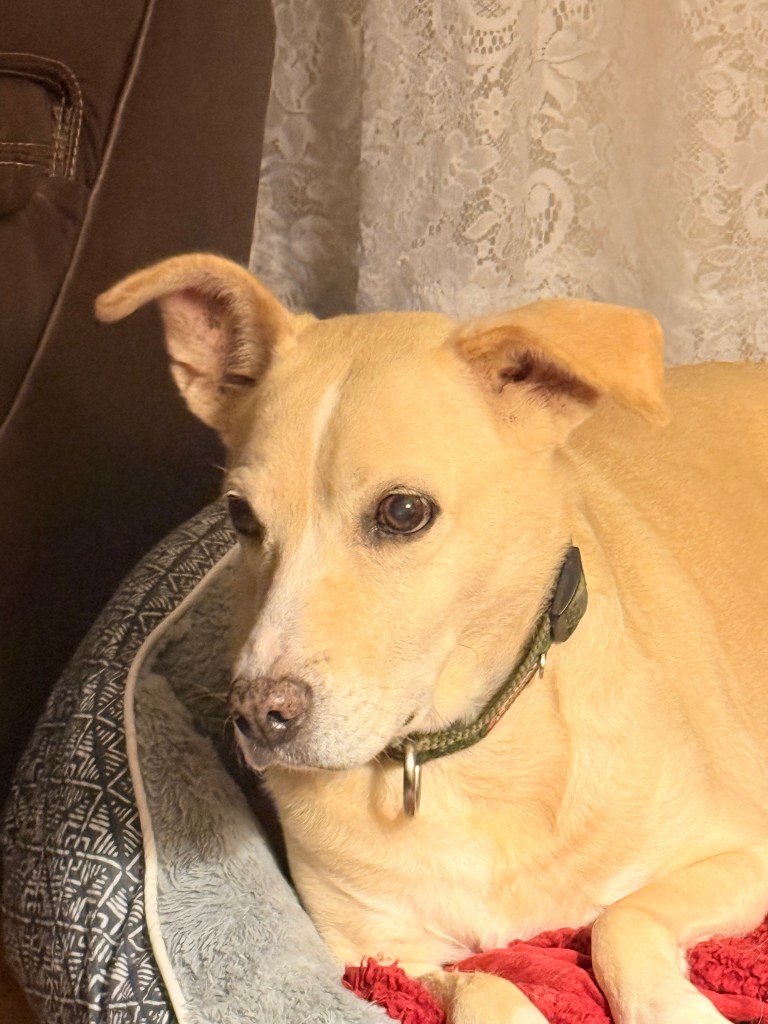
She is still here, breathing softly, existing in that hushed space where time seems to stretch and thin all at once. The world outside keeps moving, loud and demanding, but in this room everything feels slower. More intentional. More honest.
And in this in-between moment, Daisy is still teaching me.
Animals don’t rush what cannot be rushed. They don’t fight the moment they’re in or try to control the next one. Daisy isn’t anxious about what’s coming. She isn’t replaying yesterday or worrying about tomorrow. She is simply present, resting when her body asks for rest, leaning into comfort when she needs it, trusting the rhythm of being cared for.
Sitting with her has made me realize how uncomfortable humans are with stillness. We fill silence with opinions, fear, noise, and certainty. We especially do this now, in a country that feels deeply divided, where even compassion can become something people argue about.
But Daisy doesn’t live on a side.
Left or right means nothing to her. Arguments mean nothing to her. Being right means nothing to her. What matters to her is tone, touch, and whether the space feels safe.
Animals teach us something simple that we often forget: connection does not begin with agreement. It begins with gentleness.
Daisy doesn’t listen in order to respond. She listens to feel. She senses intention rather than ideology. She reminds me that empathy is not a position you defend, but something you practice quietly, especially when no one is watching.
Loving her right now means staying grounded in the present. It means resisting the urge to rush ahead emotionally or to frame this moment as an ending before it truly is. She is still here, and that deserves presence rather than anticipation.
When the time does come, Daisy will not be alone and she will not be frightened. She will have a kind veterinarian whose purpose is to move slowly, speak softly, and ease her gently into peace. And fortunately, Daisy’s passing will be at home, in her own bed and blanket, with people like me beside her, loving her fully and faithfully to the very end.
That choice matters. It reflects responsibility, love, and respect for a life that has given more than it ever asked for.
Animals understand trust in a way humans often forget. They trust that we will listen when their bodies speak. They trust that we will stay when things become hard. They trust that love does not disappear just because care looks different at the end.
That trust is sacred.
In a world where people talk past one another, assume the worst, and treat vulnerability as weakness, Daisy offers a different way of being. A quieter way. A kinder way.
She shows that strength can look like softness. That courage can look like mercy. That love does not need to be loud to be real.
For now, Daisy is still here. And I am here with her, listening, learning, and staying.
Sometimes the most important lesson animals give us is not how to let go, but how to love fully in the present moment, without fear and without conditions.
In a time when blocking, canceling, and arguing have replaced understanding, kindness is becoming rare. This post explores what it truly means to be kind, why society struggles to stay compassionate, and how Sam Heughan’s words remind us that empathy, respect, and presence still matter.
The Lost Art of Kindness: Why Respect Still Matters (and What Sam Heughan Teaches Us About Compassion)
Kindness — real, genuine kindness — isn’t about being “nice” or saying what others want to hear.
It’s about empathy in motion: seeing someone’s need, understanding their feelings, and responding with care — not because it benefits you, but because it’s the right thing to do.
The Mental Health Foundation defines kindness as “choosing to do something that helps others or yourself, motivated by genuine warm feelings.”
It’s a choice — and one that’s becoming harder for many to make.
In today’s world, kindness often gets overshadowed by competition, ego, and the constant noise of social media. People are quicker to argue than to listen, to block rather than engage, and to cancel instead of converse. Yet, science consistently shows that kindness improves not just emotional health but also physical well-being — lowering stress, strengthening relationships, and even helping us live longer.
So if kindness benefits everyone… why is it fading?
Why Kindness Matters — and What Happens When We Lose It
Kindness is one of the oldest and most powerful tools for human connection.
When we show empathy, it builds trust. When we choose patience, it builds understanding.
But when kindness fades, division grows.
Research from Columbia University shows that acts of kindness reduce cortisol levels (the stress hormone) and boost serotonin — the chemical that helps us feel calm and happy. On the flip side, chronic anger and negativity literally rewire the brain toward fear and defensiveness.
Without kindness, relationships become fragile, communication turns hostile, and compassion gives way to self-interest.
We stop seeing people as people — and start seeing them as opponents.
That’s the quiet cost of losing kindness: we trade connection for control.
When Did We Forget How to Be Kind?
Maybe the problem isn’t that we don’t want to be kind — it’s that we’ve mistaken kindness for agreement.
Somewhere along the line, society began to confuse disagreeing with being disrespectful.
If someone challenges our beliefs, the instant reaction is often to cut them off — unfriend, unfollow, block.
But here’s the question:
👉 When you choose to debate someone respectfully, and you both stay civil — why block that person?
Because they don’t agree with you? That’s not right.
True kindness isn’t about protecting your comfort zone.
It’s about respecting others even when your views don’t align.
It’s saying, “I hear you, even if I see things differently.”
Healthy debate — the kind rooted in mutual respect — is one of the highest forms of kindness. It says: You matter enough for me to listen.
Blocking or silencing someone just because they disagree doesn’t show strength — it shows fear.
And when we start shutting each other down instead of talking through differences, we lose not only understanding but the very thing that makes kindness meaningful: connection.
What Sam Heughan Reminds Us About Compassion and Presence
Sam Heughan may be best known for Outlander, but his attitude off-screen speaks volumes about the kind of compassion our world needs more of.
He’s talked openly about the importance of being genuine, listening to others, and staying grounded — values that mirror the essence of true kindness.
He once said:
“There’s something about the silence of people listening to someone or watching someone — I just… I love that.”
That simple thought captures the heart of empathy: presence.
Being fully present with someone — giving your attention instead of your opinion — is one of the most generous things you can do.
Heughan has also said,
“If there’s one thing we can use more of in this world, it’s compassion and kindness.”
And he’s right. Compassion and kindness aren’t just emotional ideals — they’re necessary tools for healing the social divides we live with every day.
Heughan’s example reminds us that you can be strong and successful while still being gentle and respectful.
Kindness doesn’t make you weak; it makes you wise.
How to Bring Kindness Back — Starting With Ourselves
Kindness doesn’t begin with grand gestures. It starts in small, quiet moments — and in the courage to stay kind even when it’s hard.
Here are a few ways to reclaim kindness in your daily life:
Be present. Put your phone down and listen — really listen — to the person in front of you.
Respectfully disagree. Debate without hate. Challenge ideas, not people.
See the unseen. Notice the coworker who’s struggling, the neighbor who seems alone, the friend who goes quiet.
Be kind to yourself. You can’t pour from an empty cup. Rest is not weakness; it’s fuel.
Lead by example. The most powerful way to inspire kindness is to live it — especially when others don’t.
Pause before reacting. A calm response can turn conflict into understanding.
Remember presence is power. Just showing up for someone can change their entire day.
As research shows, kindness is contagious. One act inspires another, creating a ripple effect that can reach farther than we ever see.
Conclusion: Choosing Kindness in a Divided World
Kindness is not about agreement; it’s about respect.
It’s not about being “nice” to everyone; it’s about seeing people as human — even when you disagree.
We live in a time when opinions clash louder than compassion speaks, but kindness gives us a way back.
It rebuilds bridges, softens hearts, and creates space for understanding.
Sam Heughan’s reminder couldn’t be more timely: the world needs more compassion and kindness.
And that starts with each of us — choosing empathy over ego, patience over pride, and respect over rejection.
You don’t have to fix the whole world.
Just start with one moment — one word, one act, one choice to be kind — even when it’s hard.
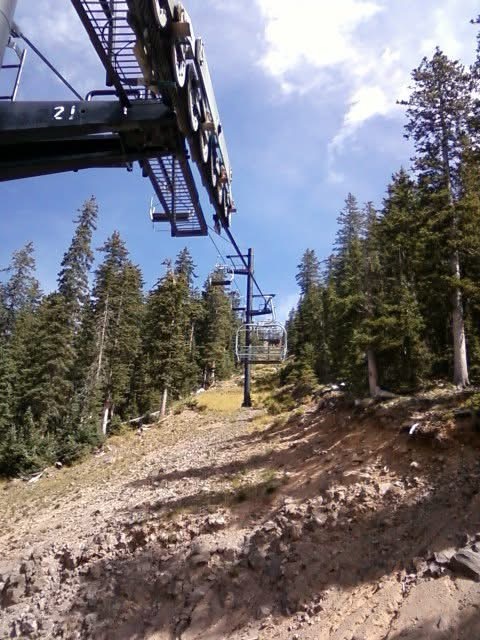
As I gaze at this image of the ski lift winding its way up the mountain, I’m struck by a profound sense of peace and possibility. The evergreen trees, standing tall and unwavering against the rocky terrain, remind me of resilience—the quiet strength that endures through changing seasons. Their deep green contrasts beautifully with the clear blue sky, dotted with soft, drifting clouds, and I can almost feel the crisp, cool air on my skin, even from here.
There’s something meditative about the sight of the lift chairs moving steadily upward, empty and serene in this moment. It’s as if they’re carrying not just skiers or snowboarders, but the weight of anticipation, adventure, and freedom. I see myself in those chairs, rising above the challenges of the ground below—literal and metaphorical—toward new heights and perspectives. The rugged path beneath, with its mix of dirt, rocks, and patches of grass, speaks to the journey itself: not always smooth, but rich with texture and beauty if you take the time to notice.
This scene evokes a deep appreciation for nature’s grandeur and its ability to ground us. The solitude of the mountain, broken only by the gentle hum of the lift, feels like a sanctuary—a place where I can disconnect from the noise of daily life and reconnect with something larger than myself. I imagine the stories these trees could tell, standing witness to countless winters, summers, and the thrill-seekers who pass through. It’s a reminder to slow down, to breathe, and to cherish the journey as much as the destination.
Yet, there’s also a hint of melancholy in the empty chairs. It makes me wonder about the people who’ve ridden them—where they’re from, what brought them here, and what dreams they carried up the mountain. It’s a quiet invitation to reflect on my own path: Am I moving forward with purpose? Am I taking time to appreciate the view, or am I too focused on reaching the top?
Ultimately, this image feels like a mirror for my thoughts—a blend of awe, introspection, and hope. It’s a snapshot of a moment that feels both fleeting and eternal, urging me to step outside, breathe deeply, and embrace the ascent, wherever it may lead.
Top of the peaks in flagstaff Summer chairlift rideSam Francisco peaks during winterSan Francisco peaks during the summertime





 Deep Thinking