Every time someone well known steps back into the spotlight, something very predictable happens online.
A short clip appears.
Someone zooms in.
Someone slows it down.
Someone posts a theory.
Within hours the speculation begins spreading across social media like wildfire.
This is how rumor culture works today.
A few seconds of video suddenly becomes a full story. That story gets reposted, analyzed, and repeated until people begin treating speculation like it’s a confirmed fact.
But the truth is simple: short clips rarely tell the full story.
Camera angles can be misleading. A greeting can look like something else depending on perspective. Edits, reposts, and slowed footage can turn ordinary moments into something dramatic when they were never meant to be.
When we only see a few seconds of video, our brains naturally try to fill in the missing pieces. Unfortunately, the story our minds create is not always the truth.
Often those clips are also removed completely from context. What happened before the camera started recording? What happened right after? Who else was present in that moment?
Without that context, a few seconds of footage can easily be misunderstood.
Today’s digital world has also made things even more complicated. Editing tools and AI can enhance, trim, zoom, and slow clips in ways that make moments appear very different from how they actually happened.
That is exactly why responsible journalism exists.
Real journalists verify information before reporting it. They check sources, confirm context, and make sure a story is grounded in fact. A single ambiguous clip is never enough to establish the truth.
Unfortunately, some corners of the internet don’t operate that way.
Anyone can post anything. One post becomes ten reposts. Ten reposts become “evidence.” And suddenly speculation begins to masquerade as certainty.
Rumors grow like weeds.
They spread quickly, choke out facts, and thrive on attention. The more people analyze them, repost them, and argue about them, the more they grow.
And there’s another pattern many longtime fans have noticed.
Every time Sam Heughan is thrown back into the spotlight — when a new season is released, when premieres happen, when interviews begin circulating — rumors suddenly begin appearing again.
Clips get dissected.
Theories appear.
Certain pages begin pushing dramatic stories.
Why?
Because attention brings clicks.
And clicks bring engagement.
Unfortunately, some corners of the internet have discovered that speculation about a public figure’s personal life generates traffic. The more dramatic the claim, the more views it receives. I’ve even heard that some YouTube creators attempt to build content and possibly make money from speculation about Sam’s personal life.
Whether every claim about that is true or not, the fact that this kind of rumor economy exists should make all of us pause.
A real person’s private life should never become someone else’s business model.
And that’s where fans have a responsibility.
The best thing we can do is shut these rumors down early — nip them in the bud before they grow into something bigger than they ever were. Rumor culture might seem harmless at first, but once people get caught up in it, it quickly becomes unhealthy and toxic.
That’s why I often say this very clearly:
Please do not drag me into rumor conversations.
I’m not interested in decoding slowed-down clips.
I’m not interested in screenshots presented as “proof.”
And I’m not interested in gossip disguised as investigation.
If something is real, it will eventually be confirmed through reliable journalism or by Sam himself.
Until then, it remains exactly what it is: speculation.
Over the years, Sam Heughan has been very clear about something important. He keeps his private life private. He has said this consistently in interviews and has drawn that boundary himself.
And that boundary deserves respect.
Just as importantly, Sam Heughan does not owe anyone access to his personal life. Being a public figure does not mean surrendering every part of one’s privacy to the internet. Fans may admire his work, but admiration should never turn into entitlement.
Sometimes the healthiest thing people can do is step back from speculation and focus on their own lives instead of trying to dissect someone else’s.
Real admiration does not look like rumor hunting.
Real admiration looks like respect.
It means trusting the words someone has spoken about their own life instead of trying to decode a few seconds of video. It means stepping away from rumor-driven spaces and refusing to give attention to speculation.
Most importantly, it means remembering why we became fans in the first place.
Not because of gossip.
Not because of speculation.
But because of the stories he brings to life.
When we focus on the work, the creativity, and the storytelling that inspired us, the noise of rumors fades into the background where it belongs.
Sometimes the best way to deal with rumor weeds is simple:
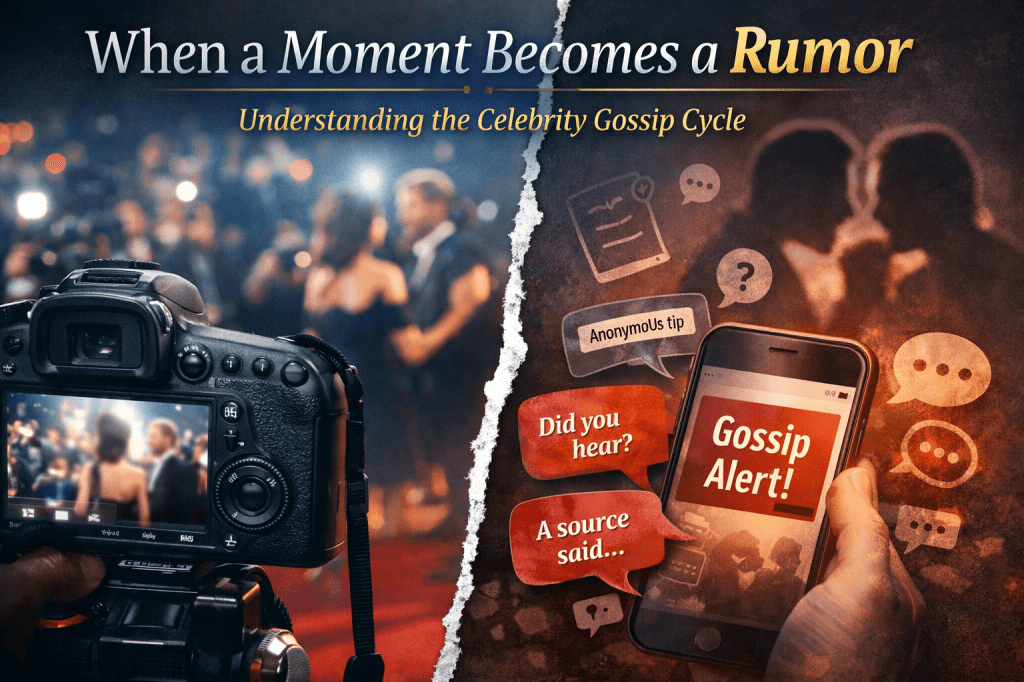
Why red carpet photos and anonymous tips often create stories that were never there.
In the modern digital age, celebrity culture moves at extraordinary speed. A photograph taken in a crowded room can be uploaded within minutes, shared across social platforms, discussed in comment sections, and eventually turned into a rumor that thousands of people repeat.
What began as a normal moment can quickly become a story that was never intended to exist.
This phenomenon is especially common during premieres, press events, or industry gatherings where actors are photographed constantly. Cameras capture hundreds of candid interactions throughout the evening. But when a single frame is removed from its context and shared online, the interpretation of that moment can change dramatically.
Understanding how this cycle works helps explain why so many celebrity rumors begin with something very ordinary.
The Reality of Red Carpet and Industry Events
To someone watching from the outside, red carpet premieres can look glamorous and controlled. In reality, they are fast-moving, crowded environments where many interactions happen simultaneously.
Actors attending premieres or press events are rarely alone. Throughout the evening they are typically surrounded by a wide range of people connected to the project or event. These may include:
fellow cast members
producers and directors
studio executives
publicists and managers
brand representatives
photographers and videographers
friends and colleagues attending the event
These environments are busy, loud, and tightly scheduled. Publicists often guide actors through crowds while photographers call out directions. Conversations happen quickly and often very close together simply because it is difficult to hear over the noise of the room.
Because of this, small gestures are extremely common. Someone may touch another person’s back to guide them through a crowd. A colleague might lean in closely to speak. Friends greet each other with brief hugs or supportive gestures.
These are completely normal social behaviors in busy environments.
However, when one photograph captures only a fraction of that interaction, viewers may interpret it very differently from how the moment actually unfolded.
The Power of a Single Frame
Professional photography agencies such as Getty Images document public events extensively. Photographers often take hundreds or even thousands of photos in rapid succession.
These images capture brief moments such as:
greetings between colleagues
conversations during crowded events
quick hand gestures while speaking
a publicist guiding someone through a group
photographers directing a pose for the camera
Each photograph represents only a split second of time.
When viewers see a single isolated image without the surrounding sequence of photos, it becomes easy to assume a narrative. Human psychology naturally tries to fill in missing context, especially when people already have curiosity about a public figure.
A gesture that lasted two seconds can suddenly be interpreted as something far more significant.
The Rise of Anonymous Gossip Submissions
In recent years, social media has accelerated how quickly speculation spreads. Accounts dedicated to celebrity gossip frequently rely on anonymous submissions sent by followers who claim to have witnessed something involving a public figure.
One widely known example is DeuxMoi, which publishes anonymous tips about celebrity sightings and rumors.
These types of submissions usually follow a similar format:
“A friend saw…”
“Someone at the event said…”
“Spotted with a mystery person…”
It is important to recognize that most of these tips are:
anonymous
unverified
based on personal interpretation rather than confirmed information
Even the platforms that publish these submissions often include disclaimers explaining that the information has not been verified.
Despite this, once a rumor appears online it can spread rapidly. Other accounts repeat the story, screenshots circulate, and discussions grow around an event that may have been misinterpreted from the start.
Why Rumors Often Appear During Major Events
Rumors rarely appear at random. They tend to increase during periods when actors or public figures are receiving significant attention.
This often occurs during:
television season premieres
film festivals
press tours
award ceremonies
major product launches or business announcements
During these periods, media coverage increases and photographers capture more images. Fans are also paying closer attention to public appearances.
More attention naturally leads to more speculation.
A moment that might have gone unnoticed during a quiet time can suddenly become a topic of conversation simply because more people are watching.
Understanding the Difference Between Rumor and Journalism
Not all sources of information operate under the same standards.
Professional journalism follows editorial processes designed to verify information before publication. Established outlets such as Variety, The Hollywood Reporter, Reuters, BBC, and Associated Press rely on confirmation, sources, and editorial review before presenting claims as fact.
By contrast, rumor-based content often comes from places that prioritize speed and speculation over verification.
Examples of sources that frequently spread unverified rumors include:
anonymous gossip submission accounts
blind-item rumor blogs
unsourced screenshots circulating on social media
speculation threads without confirmation
These platforms may occasionally report something accurate, but they are not structured around verification in the same way professional journalism is.
For readers, recognizing the difference between these types of sources is essential.
Why Context Matters
One of the biggest challenges in modern media culture is the loss of context.
A photograph taken during a crowded event shows only a single perspective. It does not show the moments before or after. It does not capture the full conversation, the surrounding people, or the environment of the event.
Without that context, audiences may interpret what they see in ways that were never intended.
In many cases, rumors begin not because anyone deliberately created a false story, but because viewers simply misunderstood what they were seeing.
A More Thoughtful Approach to Celebrity Culture
Fans and readers play an important role in shaping the tone of online discussions about public figures.
When speculation begins circulating online, it can be helpful to pause and ask a few questions:
Where did this information originate?
Is the claim supported by a reliable source?
Could the moment simply be a normal interaction taken out of context?
Approaching celebrity culture with curiosity rather than assumption helps prevent rumors from spreading unnecessarily.
Respecting the Human Side of Public Figures
Actors, artists, and creators share their work with audiences, but their personal lives remain their own unless they choose to share them publicly.
A respectful fandom recognizes the difference between appreciating someone’s work and speculating about private aspects of their life.
Celebrating performances, storytelling, and creative achievements keeps conversations focused on the things that artists themselves choose to share with the world.
Sometimes the most thoughtful response to a rumor is simply to step back, look at the larger picture, and remember that behind every photograph is a real person living a real life beyond the frame.
Sources and References
Getty Images – editorial photography from entertainment events
Note: Anonymous gossip submissions and rumor-based accounts often publish unverified information and should not be treated as confirmed reporting
When a Moment Becomes a Rumor: Understanding the Celebrity Gossip Cycle
Why red carpet photos and anonymous tips often create stories that were never there.
In the modern digital age, celebrity culture moves at extraordinary speed. A photograph taken in a crowded room can be uploaded within minutes, shared across social platforms, discussed in comment sections, and eventually turned into a rumor that thousands of people repeat.
What began as a normal moment can quickly become a story that was never intended to exist.
This phenomenon is especially common during premieres, press events, or industry gatherings where actors are photographed constantly. Cameras capture hundreds of candid interactions throughout the evening. But when a single frame is removed from its context and shared online, the interpretation of that moment can change dramatically.
Understanding how this cycle works helps explain why so many celebrity rumors begin with something very ordinary.
The Reality of Red Carpet and Industry Events
To someone watching from the outside, red carpet premieres can look glamorous and controlled. In reality, they are fast-moving, crowded environments where many interactions happen simultaneously.
Actors attending premieres or press events are rarely alone. Throughout the evening they are typically surrounded by a wide range of people connected to the project or event. These may include:
fellow cast members
producers and directors
studio executives
publicists and managers
brand representatives
photographers and videographers
friends and colleagues attending the event
These environments are busy, loud, and tightly scheduled. Publicists often guide actors through crowds while photographers call out directions. Conversations happen quickly and often very close together simply because it is difficult to hear over the noise of the room.
Because of this, small gestures are extremely common. Someone may touch another person’s back to guide them through a crowd. A colleague might lean in closely to speak. Friends greet each other with brief hugs or supportive gestures.
These are completely normal social behaviors in busy environments.
However, when one photograph captures only a fraction of that interaction, viewers may interpret it very differently from how the moment actually unfolded.
The Power of a Single Frame
Professional photography agencies such as Getty Images document public events extensively. Photographers often take hundreds or even thousands of photos in rapid succession.
These images capture brief moments such as:
greetings between colleagues
conversations during crowded events
quick hand gestures while speaking
a publicist guiding someone through a group
photographers directing a pose for the camera
Each photograph represents only a split second of time.
When viewers see a single isolated image without the surrounding sequence of photos, it becomes easy to assume a narrative. Human psychology naturally tries to fill in missing context, especially when people already have curiosity about a public figure.
A gesture that lasted two seconds can suddenly be interpreted as something far more significant.
The Rise of Anonymous Gossip Submissions
In recent years, social media has accelerated how quickly speculation spreads. Accounts dedicated to celebrity gossip frequently rely on anonymous submissions sent by followers who claim to have witnessed something involving a public figure.
One widely known example is DeuxMoi, which publishes anonymous tips about celebrity sightings and rumors.
These types of submissions usually follow a similar format:
“A friend saw…”
“Someone at the event said…”
“Spotted with a mystery person…”
It is important to recognize that most of these tips are:
anonymous
unverified
based on personal interpretation rather than confirmed information
Even the platforms that publish these submissions often include disclaimers explaining that the information has not been verified.
Despite this, once a rumor appears online it can spread rapidly. Other accounts repeat the story, screenshots circulate, and discussions grow around an event that may have been misinterpreted from the start.
Why Rumors Often Appear During Major Events
Rumors rarely appear at random. They tend to increase during periods when actors or public figures are receiving significant attention.
This often occurs during:
television season premieres
film festivals
press tours
award ceremonies
major product launches or business announcements
During these periods, media coverage increases and photographers capture more images. Fans are also paying closer attention to public appearances.
More attention naturally leads to more speculation.
A moment that might have gone unnoticed during a quiet time can suddenly become a topic of conversation simply because more people are watching.
Understanding the Difference Between Rumor and Journalism
Not all sources of information operate under the same standards.
Professional journalism follows editorial processes designed to verify information before publication. Established outlets such as Variety, The Hollywood Reporter, Reuters, BBC, and Associated Press rely on confirmation, sources, and editorial review before presenting claims as fact.
By contrast, rumor-based content often comes from places that prioritize speed and speculation over verification.
Examples of sources that frequently spread unverified rumors include:
anonymous gossip submission accounts
blind-item rumor blogs
unsourced screenshots circulating on social media
speculation threads without confirmation
These platforms may occasionally report something accurate, but they are not structured around verification in the same way professional journalism is.
For readers, recognizing the difference between these types of sources is essential.
Why Context Matters
One of the biggest challenges in modern media culture is the loss of context.
A photograph taken during a crowded event shows only a single perspective. It does not show the moments before or after. It does not capture the full conversation, the surrounding people, or the environment of the event.
Without that context, audiences may interpret what they see in ways that were never intended.
In many cases, rumors begin not because anyone deliberately created a false story, but because viewers simply misunderstood what they were seeing.
A More Thoughtful Approach to Celebrity Culture
Fans and readers play an important role in shaping the tone of online discussions about public figures.
When speculation begins circulating online, it can be helpful to pause and ask a few questions:
Where did this information originate?
Is the claim supported by a reliable source?
Could the moment simply be a normal interaction taken out of context?
Approaching celebrity culture with curiosity rather than assumption helps prevent rumors from spreading unnecessarily.
Respecting the Human Side of Public Figures
Actors, artists, and creators share their work with audiences, but their personal lives remain their own unless they choose to share them publicly.
A respectful fandom recognizes the difference between appreciating someone’s work and speculating about private aspects of their life.
Celebrating performances, storytelling, and creative achievements keeps conversations focused on the things that artists themselves choose to share with the world.
Sometimes the most thoughtful response to a rumor is simply to step back, look at the larger picture, and remember that behind every photograph is a real person living a real life beyond the frame.
Sources and References
Getty Images – editorial photography from entertainment events
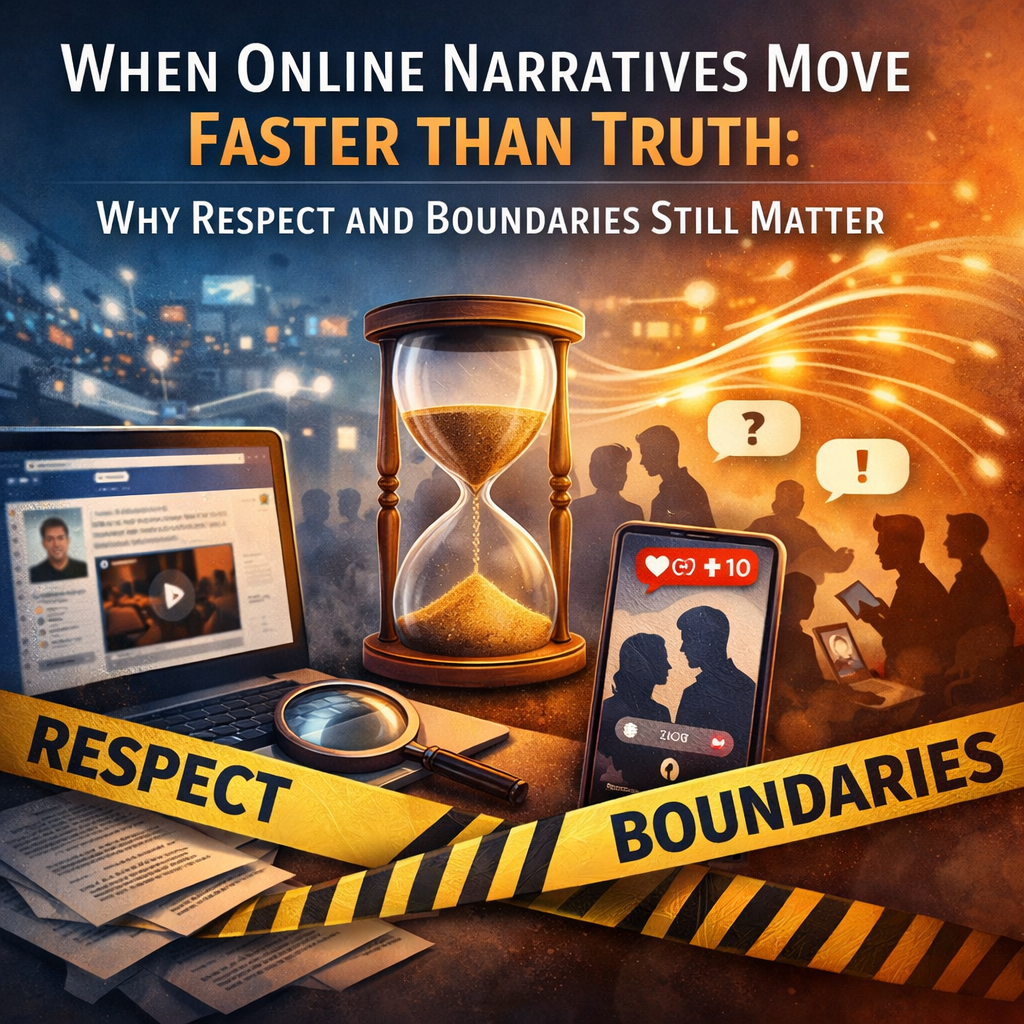
In a digital world where speculation spreads faster than truth, sometimes the most meaningful thing we can do is pause, think, and remember the importance of respect and boundaries.
It’s easy to get swept up in the speed of online conversations. A single moment can be captured, shared, and interpreted by thousands of people within minutes. Opinions form quickly, narratives take shape, and before long it can feel as though everyone already knows the full story.
But sometimes the most thoughtful thing we can do is slow down and ask a simple question: are we reacting to facts, or to assumptions?
That question has stayed on my mind recently, and it’s what led me to think more deeply about how we all participate in conversations online.
In today’s digital world, narratives can form incredibly quickly. A photo appears, a short clip circulates, or someone shares a secondhand story. Within hours, those pieces can spread across platforms and communities, gradually shaping a story that begins to feel like established truth.
But speed does not always equal accuracy.
The internet has created an environment where information often moves faster than reflection. Curiosity is natural—people want to understand what they see and hear. Yet sometimes the pace of online conversation leaves very little room to pause and ask a simple but important question: what is actually factual, and what is assumption?
That distinction matters more than many people realize.
Public figures—actors, artists, musicians, and others in the entertainment world—share their work with the public. Their craft is meant to be seen, discussed, and appreciated. But the existence of a public career does not remove the need for privacy or professional boundaries.
In many professional environments, especially those connected to large productions or the entertainment industry, discretion and confidentiality are simply part of how things operate. NDAs, privacy expectations, and professional trust exist to protect working relationships and the people involved in them.
When people outside of those environments see silence from professionals, it can sometimes be interpreted as confirmation that something must be happening behind the scenes.
But silence often means something much simpler.
It means people are respecting professional boundaries.
The internet, however, does not always leave room for that understanding. Online conversations tend to reward speed rather than thoughtfulness. A quick reaction, speculation, or theory can travel far before anyone pauses to question its accuracy.
Thoughtful communities grow differently. They develop through patience, curiosity, and a willingness to slow down before turning speculation into narrative.
Another perspective I often think about is a personal one.
If I were in a relationship with someone whose career placed them constantly in the public eye—whether as an actor or in any other highly visible profession—I would feel a responsibility to protect the boundaries that allow them to have a private life. Not because there would be anything to hide, but because everyone deserves a space where their life is not constantly interpreted, analyzed, or turned into speculation.
Public work belongs to the world.
Private life does not.
Rumors will always exist. Curiosity will always exist. That is simply part of human nature, especially when people admire someone’s work or presence.
But there still has to be a line.
A line between curiosity and assumption.
A line between discussion and intrusion.
A line between what is publicly shared and what remains personal.
Most importantly, the choice to share personal aspects of someone’s life should always belong to that person—not to speculation that grows online.
For example, when it comes to someone like Sam Heughan, I don’t simply think of myself as a fan in the usual sense of the word. I see myself more as an admirer of his craft and the dedication behind the work he shares with the world.
Admiring someone’s work, however, does not create a sense of ownership over their personal life. In fact, for me it reinforces the opposite idea—that respect for someone’s work should include respect for the boundaries that allow them to live their life beyond the roles they play on screen.
There is also another reason why I tend to think deeply about these things.
My mind is autistic, which means I naturally process patterns, details, and inconsistencies in a very analytical way. Because of that, I often notice how narratives begin to form and how easily small pieces of information can be interpreted in ways that move far beyond what is actually known.
It makes me more aware of how quickly people connect dots that may not truly belong together, and how easily speculation can begin to feel like fact.
That awareness is not about criticizing others. It simply comes from valuing truth, fairness, and clarity in the way conversations unfold.
Supporting someone’s work does not require ownership of their personal life. In many ways, the strongest form of admiration is respect—respect for the boundaries people keep, respect for their professional environment, and respect for the fact that public careers still belong to real human beings with real lives.
It is also important to recognize that people working in the entertainment industry carry responsibilities the public rarely sees. Careers are built on trust between actors, colleagues, production teams, and management. Professional discretion is not simply a formality—it is part of maintaining that trust and protecting the integrity of the work being created.
Many of us who appreciate the work people bring into the world understand this. We recognize that professionalism, confidentiality, and respect are not barriers between artists and audiences, but safeguards that allow creative work and professional relationships to exist in the first place.
There is also something important that often gets overlooked in online conversations.
Not everyone participates in speculation. Not everyone is interested in turning every moment of a public figure’s life into a narrative. There are many people who admire the work someone brings into the world while also understanding the importance of privacy, professionalism, and boundaries.
Thoughtful supporters exist, even if they are often quieter than the voices that drive rumors.
Many people understand that the entertainment industry operates within professional structures the public rarely sees. They understand that discretion matters, that confidentiality matters, and that trust between colleagues and collaborators matters.
Sometimes the internet can make it feel as though speculation represents the majority.
But that is not always the case.
There are many people who believe in something much simpler: respect, fairness, and allowing individuals the dignity of their own boundaries.
Those voices may not always be the loudest online.
But they are there.
And sometimes the most meaningful thing we can contribute to a conversation is not another assumption or reaction.
Sometimes it is simply the decision to slow the narrative down.
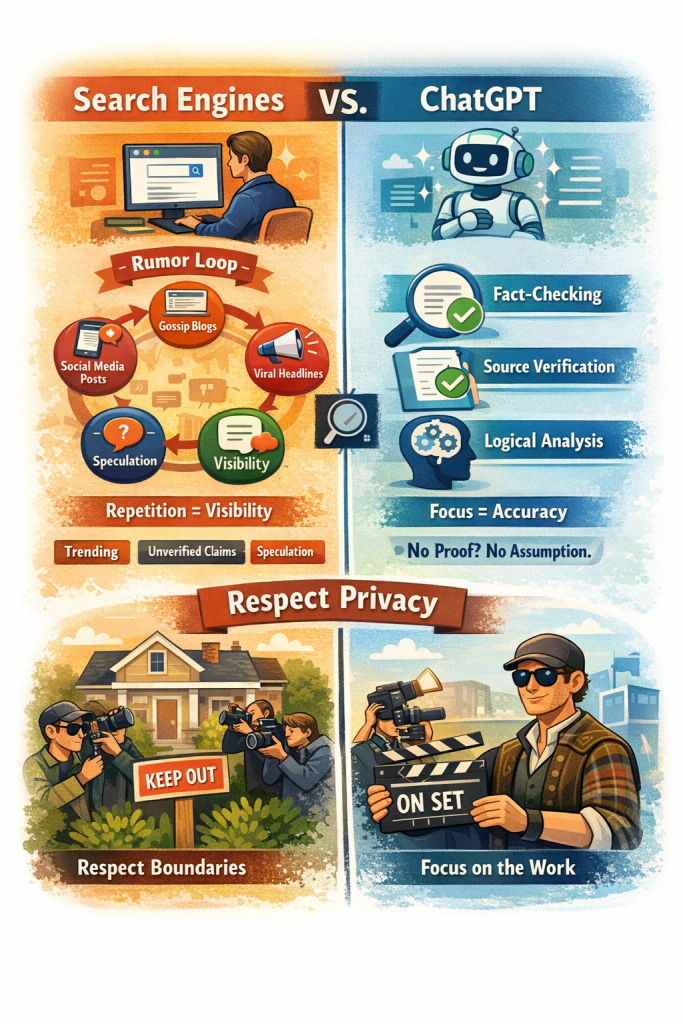
In the digital age, the way we search for information shapes not only what we believe, but how we interpret and respond to what we see. This becomes especially clear when rumors circulate about public figures. Many people turn to search engines or AI tools hoping to find clarity, yet those tools do not function the same way—and misunderstanding that difference can unintentionally fuel misinformation and unnecessary concern.
This discussion is not about rumor itself. It is about process—how information is surfaced, analyzed, and either escalated or grounded.
How Search Engines Frame Rumors
Search engines are built to collect, index, and rank content that already exists online. When someone searches a name alongside a rumor or narrative, the engine does not evaluate whether the claim is accurate. It simply gathers content where those terms appear together and ranks it based on relevance, engagement, and repetition.
As a result, search results may include social media posts, blogs referencing one another, screenshots without context, or commentary built on assumption rather than confirmation. When similar narratives appear repeatedly, they can feel validated simply because they are visible.
Search engines answer one question:
“What content exists online related to this query?”
They do not determine whether that content is verified.
How Repetition Becomes Perceived Credibility
This is where rumor loops take hold. One speculative post is shared. Others repeat or paraphrase it. Blogs echo the same ideas. Search engines index the repetition. Over time, visibility creates the illusion of consensus—even though no proof has ever been introduced.
The system rewards repetition, not accuracy. And for people who are trying to be careful and informed, this can be deeply misleading.
Where Real Concern Can Develop
Repeated exposure to the same unverified narrative can trigger genuine concern—not because someone believes gossip, but because repetition raises questions. People may worry about safety, privacy, or whether someone is being misrepresented or placed under scrutiny due to speculation spreading without restraint.
Search engines do not offer reassurance or clarification. They do not explain rumor dynamics. They simply present more content, which can unintentionally escalate concern rather than resolve it.
How ChatGPT Approaches the Same Information
ChatGPT operates from a different framework. It does not compile posts or rank narratives by popularity. Instead, it evaluates whether there is verifiable public information supporting a claim.
When a rumor is presented, ChatGPT looks for confirmation from accountable sources, checks logical consistency, examines timelines, and recognizes common misinformation patterns such as anonymous sourcing or recycled narratives. If no verified information exists, that is stated clearly.
Rather than escalating concern, this approach slows the process down and separates emotional reaction from factual conclusion.
Visibility Is Not Verification
One of the most important distinctions to understand is that visibility does not equal truth. Photos, screenshots, and anecdotes can circulate widely and still lack context or confirmation.
Search engines make information easy to find.
ChatGPT highlights what is missing.
That difference alone can prevent assumption from replacing evidence.
How I Personally Use Both Tools
I use both search engines and ChatGPT intentionally and for different reasons. I am a very intelligent person, and being autistic gives me a strong interest in patterns, systems, and how technology is used—especially in situations like this. I find it genuinely fascinating how information spreads, how tools shape perception, and how repetition can influence belief.
At the same time, I understand that both tools need to be taken with a grain of salt. Search engines can amplify noise. AI tools can analyze patterns—but neither should replace critical thinking. Technology is powerful, but it is not infallible, and discernment is always necessary.
Using these tools thoughtfully allows me to stay informed without jumping to conclusions, and curious without being pulled into speculation.
Why Respect and Boundaries Matter
As I have said many times before, Sam Heughan is a man I deeply and highly respect. He has not fallen into the common traps of Hollywood, and he has been very deliberate about maintaining his privacy. That choice alone should tell people everything they need to know.
Someone who values privacy to that degree would never expose their private life to the public, nor invite speculation or narratives about it. People should already understand this by now.
He deserves to have people in his corner—people who respect his boundaries, his humanity, and his right to a private life. The focus should always be on his work, his craft, and his contributions—not on speculation about what he has intentionally chosen to keep personal.
Using Tools Responsibly
Search engines remain useful for finding official statements, interviews, and primary sources. They are starting points, not conclusions.
ChatGPT complements that by helping evaluate credibility, logic, and confirmation. Used together, they encourage restraint, clarity, and responsible interpretation rather than rumor amplification.
Sometimes the most accurate conclusion is simply:
There is no verified information confirming this.
That answer is not dismissive.
It is responsible.
Final Reflection
Search engines show us what is being said.
ChatGPT helps us understand what can be trusted.
Using Sam Heughan as an example highlights an essential truth: repetition is not proof. In a digital world driven by speed and visibility, choosing to slow down, respect boundaries, and focus on meaningful work rather than private lives is not only intelligent—it is humane.
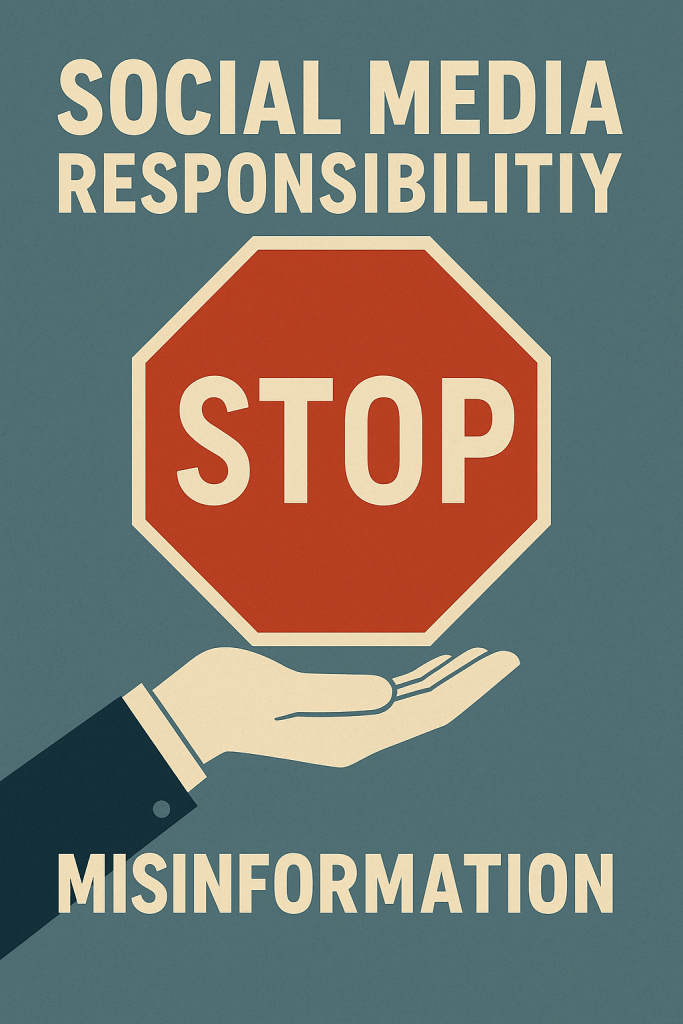
The internet has the power to connect, inspire, and educate, but with that power comes responsibility. When misinformation is allowed to spread unchecked—especially through coordinated rumor-driven groups—the harm does not remain online. It reaches real people, real families, and real lives. This conversation is not rooted in anger or hostility, but in concern, empathy, and a belief that social media platforms can do better when guided by integrity and care.
Free expression is a fundamental value of the digital world, but freedom of speech does not mean freedom from responsibility. There is an important distinction between sharing opinions, celebrating creative work, or engaging in respectful discussion, and presenting unverified or fabricated narratives as fact. Groups such as sis_brasil repeatedly blur this line by building stories on speculation, misinterpreted images, anonymous claims, and assumptions that are framed as truth without evidence. When this behavior continues unchecked, it stops being harmless fandom and becomes systemic misinformation.
The impact of misinformation is deeply human. Public figures, including Sam Heughan, are routinely denied basic privacy, while private individuals—who never chose public exposure—are pulled into narratives that can affect their emotional wellbeing, reputations, and sense of safety. Families and friends are often caught in the crossfire, and entire communities become divided by rumor and hostility. Behind every post is a person, and behind every false narrative is someone who must live with the consequences long after the content has circulated.
Holding social media platforms accountable is not censorship. It is governance. Most platforms already have policies addressing misinformation, harassment, defamation, and coordinated abuse. When accounts repeatedly violate these standards and continue to operate freely, it sends a message that engagement is valued more than integrity. Accountability means enforcing rules consistently, regardless of language, country, or audience size.
The global nature of the internet makes this issue impossible to ignore. A post created in one country can be translated, reposted, and amplified worldwide within minutes. Rumors gain legitimacy simply through repetition, not truth. Misinformation networks operate across borders, and moderation efforts must reflect that reality with equal awareness and consistency.
Mindful accountability does not require punishment-driven action. It requires thoughtful enforcement. Platforms can protect users by applying existing policies consistently, identifying repeated patterns of misinformation rather than isolated posts, safeguarding private individuals from public speculation, limiting the amplification of rumor-based content presented as fact, and providing transparency when coordinated misinformation is reported.
Responsibility also extends to the wider online community. As users, we can pause before sharing, verify before believing, report content responsibly, and choose empathy over entitlement. Admiration does not grant ownership over someone’s life. Healthy fandom is rooted in respect, not intrusion.
This is not a call driven by outrage. It is a request grounded in humanity. Social media platforms have reshaped how the world communicates, and with that influence comes an ethical obligation to protect people from harm. Kindness, mindfulness, and respect are not weaknesses in moderation—they are strengths. When truth is protected and dignity is upheld, the internet becomes what it was meant to be: a place of connection, not exploitation.
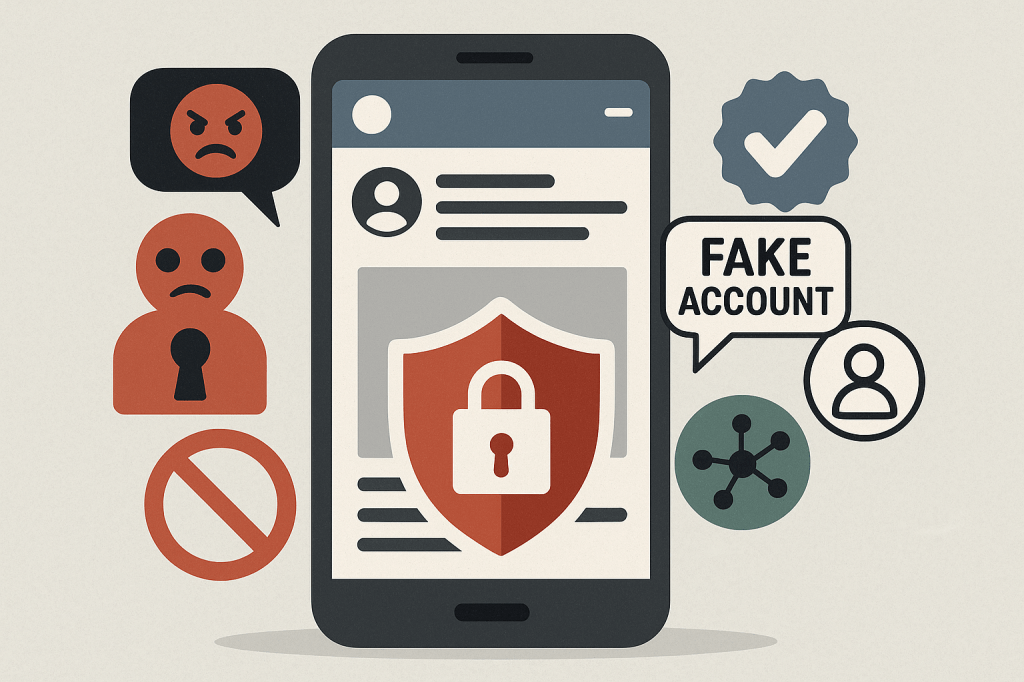
Social media companies like Instagram, Facebook, X, and Threads continue to promise safer spaces and stronger protections for their users, yet in 2025 the reality tells a very different story. These platforms repeat the same statements about improving community safety, removing harmful accounts, and reducing online abuse, but anyone who actually spends time on these apps knows the truth. Trolls and bullies flourish with little accountability, scammers operate freely, bot networks grow by the thousands, and real users—especially those who value kindness and respect—are left to defend themselves. This isn’t a minor oversight or a random flaw. It’s a systemic failure, and it’s long overdue for these companies to take real responsibility.
Trolling has evolved far beyond the occasional rude commenter. It now includes coordinated harassment, mass-reporting attacks, targeted pile-ons, and relentless negativity directed at public figures, creators, actors, and even everyday users. People who try to advocate for safety or defend others often become targets themselves. Platforms publicly claim to discourage harassment, but behind the scenes their algorithms reward outrage because it drives engagement. The more arguments and toxicity a post generates, the more visibility it gets. Trolls are unintentionally rewarded while kind voices are buried beneath negativity. This dynamic has turned social media into an environment where harmful behaviors are amplified instead of discouraged.
Scammers and impersonators also pose a severe threat, particularly in fan communities. Well-known public figures, such as actors like Sam Heughan, face constant waves of fake accounts stealing their photos, mimicking their biographies, copying their captions, and messaging fans with manipulative schemes. The impersonation problem has become more layered than people realize. Not only are scammers trying to duplicate or mimic verified checkmark accounts, but even when they don’t use a fake checkmark at all, they still pose as the real person with alarming confidence. They simply copy photos, use similar usernames, and craft believable stories. These scammers pretend to be the real deal without needing verification badges—they rely on stolen identity, emotional manipulation, and the trust fans naturally have for the public figure.
Despite all this, when users report these impersonators, the platforms often respond with the same robotic message: “This account does not violate our community guidelines.” It is alarming that companies with advanced artificial intelligence can detect copyrighted music in seconds but cannot recognize a stolen photo or an account that is clearly pretending to be a well-known actor. Whether it’s outdated tools or a lack of priority, the result is the same—users, fans, and the actors themselves are left vulnerable.
And this is where something much bigger needs to happen. In fact, I think the management teams of all actors—including Sam Heughan’s team—should request a formal meeting with the founders and executive leadership of all major social media platforms. Impersonation does not just target fans; it violates the actors themselves. It abuses their identity, misrepresents their character, misleads their audience, and exposes them to liability, harassment, and long-term reputational harm. No actor or public figure should be forced to continually reassure fans that they are not the ones sending private messages. And no management team should have to spend their time chasing down hundreds of fake profiles across multiple apps.
A collective meeting between management teams and platform founders would send a powerful message that impersonation is not a casual nuisance—it is a serious issue with legal, emotional, and professional consequences. These teams should present documented evidence of repeated impersonation attempts, the emotional and financial harm caused to fans, and the ongoing damage to their clients’ reputations. They should request mandatory anti-impersonation protocols, stronger identity verification systems, faster takedown times for likeness violations, and dedicated platform liaisons assigned specifically to public figures. Platforms should not only listen—they should implement real and enforceable solutions, because protecting someone’s identity is just as important as protecting their privacy.
Bot networks have also become a major force in online conversations. They no longer simply spam links or post meaningless content. Today’s automated systems are sophisticated enough to spread misinformation, fuel rumors, amplify drama, and artificially inflate negativity. Many harmful narratives—including false rumors, composite photos, and exaggerated controversies—begin with clusters of automated accounts rather than real users. These bots manipulate what trends, what gains traction, and what dominates conversations. Meanwhile, real people struggle to drown out the noise. Platforms know the bot issue exists, yet their interventions remain slow, inconsistent, and ineffective.
Beyond scammers and bots, there is a growing issue of fan groups and online communities that repeatedly circulate unverified stories, half-truths, or outright fabricated rumors. Groups like sis_brasil have become examples of how misinformation spreads rapidly when platforms don’t enforce accuracy or accountability. When communities consistently share rumors about public figures without fact-checking, it not only misleads fans—it harms reputations, fuels unnecessary drama, and creates long-lasting confusion. If platforms can flag medical or political misinformation, then they should also be able to identify and address groups that repeatedly distribute unverified stories about celebrities or private individuals. The lack of moderation in these areas allows false narratives to flourish unchecked. And I believe platforms need to do something about groups like that, because misinformation—especially when it becomes a pattern—can be just as damaging as harassment or impersonation.
Across all major social media apps, the failures are consistent. Impersonation is not taken seriously, even when the target is a verified account. Identity theft slips through weak detection systems. Harassment goes undetected until it becomes extreme. Scammers can create brand-new accounts and instantly send mass DMs to hundreds of people. Misinformation spreads because certain groups face no consequences for repeatedly posting unverified claims. Moderation remains inconsistent at best and nonexistent at worst. Algorithms continue to boost negativity because it generates engagement. Trolls and bullies face little consequence, while honest users risk being punished simply for reporting abuse or correcting false claims.
This issue extends beyond platform mismanagement—it is a global problem. Social media affects nearly every country, every age group, and every community. That’s why I believe all countries should hold these platforms accountable and push for stronger international standards. Just as nations enforce laws for privacy, consumer protection, advertising transparency, and digital safety, they also need clear expectations for how social media companies handle impersonation, bullying, mass harassment, misinformation, and bot activity. There is absolutely no reason for multi-billion-dollar companies with cutting-edge technology to overlook such basic responsibilities.
Social media itself is not bad. In fact, it has enormous potential to connect people, inspire creativity, and build meaningful communities. The problem isn’t the platforms—it’s the harmful individuals who are allowed to operate freely because the systems meant to stop them are weak or ignored. When trolls, bullies, scammers, rumor-spreaders, and bots aren’t stopped, they turn social media into a hostile place. When platforms fail to enforce safety, negativity becomes normalized. When impersonation and misinformation are ignored, fans, creators, and public figures are put at risk. But if companies—and governments—commit to real accountability, social media could return to what it was always meant to be: a place where people can share their lives, their passions, their creativity, and their stories in harmony.
At the end of the day, social media doesn’t become toxic on its own. It becomes toxic when platforms fail to protect their communities. And it is absolutely possible to change that. If users demand better, if countries demand accountability, and if companies decide that people matter more than metrics, then social media can once again become a safe, welcoming, inspiring place for everyone.
Before anything else, I want people to understand this clearly: I’m not fixated on the “Stephanie French/Bullock” rumor. My perspective comes from the fact that I went through graphic design classes and learned exactly how photos can be manipulated, altered, and reconstructed in ways that look convincing at first glance. Because of that training, I approach these images the way any designer or editor would — not emotionally, but analytically.
When I evaluate the “Stephanie” pictures, I apply the same methods I was taught in class: checking lighting consistency, checking shadow direction, comparing camera angles and perspective, inspecting edges for cutouts, analyzing color and exposure levels, examining grain and depth of field, looking for mismatched focal planes, and spotting composite overlays. These are not opinions; they are objective signs used in professional photo analysis.
Once you apply that skillset to the images in question, one thing becomes undeniably clear: the subjects in those photos did NOT originate from the same real-life moment. They are not reacting to the same light source, the same shadows, the same lens distortion, or the same depth of focus. These mismatches are the exact signature of a digitally constructed composite. This isn’t speculation — it’s visible, measurable, and repeatable for anyone trained in design or photography.
To reinforce this point even further, you have to compare these questionable images to verified, authentic, publicly documented photos from major events such as Sam Heughan’s distillery opening and Richard Rankin’s wedding. Both events were highly public and heavily photographed. They generated professional photos, press coverage, fan pictures, media articles, and extensive social media documentation. These images are easy for anyone to find.
And here is the airtight, fact-based conclusion: in all verified, authentic photos from these real events, the woman and child seen in the manipulated “Stephanie” images do NOT appear — not once. This conclusion is based entirely on public, reputable, verifiable sources. If this woman and child had actually been photographed with Sam during such widely covered events, the media would have reported on it immediately. That’s exactly how the press works. Their complete absence in real photography is not an opinion — it is a verifiable fact.
And as I always say: I don’t buy into any story unless it comes from Sam Heughan himself. If Sam hasn’t said it, hasn’t confirmed it, and hasn’t acknowledged it, then it’s not a trustworthy story. The safest, most accurate approach is to rely on real sources, not edited images or rumor accounts.
It’s also important to understand that modern photo manipulation tools are incredibly advanced. With current AI capabilities, anyone can cut out subjects, blend lighting, adjust shadows, merge separate images, recreate scenes, create artificial proximity, and build entirely false visual narratives. Programs like Adobe Photoshop, Midjourney, DALL·E, and mobile editing apps are designed to make these manipulations quick and convincing.
So no — I’m not overthinking anything. I am simply applying the skills I learned: look for inconsistencies, compare with authentic sources, check lighting and grain, verify before believing rumors, and stick to credible evidence. When you follow those principles, the conclusion becomes clear:
There is no credible evidence that the “Stephanie French/Bullock” story is real — and every circulating image shows clear, identifiable signs of manipulation. This is the truth supported by analysis, not gossip.
Why People Troll and Spread Hate Online Trolling and hateful behavior on social media often stem from a mix of psychological, social, and environmental factors. Here’s why it happens:
Anonymity: The internet allows users to hide behind pseudonyms or anonymous accounts, lowering accountability. This emboldens people to say things they’d never say face-to-face.
Seeking Attention: Trolls thrive on reactions. Provoking anger or outrage gives them a sense of power or amusement, feeding their need for attention.
Emotional Outlet: Some use trolling to vent frustrations, insecurities, or anger. Social media becomes a space to project personal dissatisfaction onto others.
Group Dynamics: Hateful behavior often spreads in echo chambers where like-minded individuals reinforce toxic attitudes, amplifying negativity.
Desensitization: Constant exposure to aggressive online interactions can normalize hateful speech, making it seem acceptable to some.
Lack of Consequences: Weak moderation on platforms allows trolls to act without fear of repercussions, perpetuating the cycle.
The Impact of Trolling and Hate Trolling and hate speech can cause real harm, including emotional distress, anxiety, and even self-harm among targets. It erodes trust in online communities and discourages open dialogue. Understanding why it happens is the first step to addressing it.
How to Stop Trolls and Reduce Hate Online Here are practical steps individuals and communities can take to combat trolling and foster kinder online spaces:
Don’t Feed the Trolls: Trolls seek reactions. Ignore or mute them instead of engaging. Starving them of attention reduces their incentive to continue.
Report and Block: Use platform tools to report abusive behavior and block toxic users. Consistent reporting helps platforms identify repeat offenders.
Promote Positivity: Share constructive, kind content to counter negativity. Amplify voices that inspire and uplift rather than tear down.
Set Boundaries: Protect your mental health by curating your feed—unfollow or mute accounts that spread hate or negativity.
Educate Others: Encourage friends and followers to avoid engaging with trolls and to report harmful behavior. Spread awareness about the impact of online hate.
Advocate for Better Moderation: Support platforms that prioritize robust content moderation and clear policies against hate speech.
Model Empathy: Respond to negativity with calmness or humor when appropriate, or disengage entirely. Show others how to communicate respectfully.
Support Victims: Reach out to those targeted by trolls with kindness and encouragement. A supportive message can make a big difference.
Conclusion Trolling and hate on social media thrive in environments where anonymity, attention-seeking, and weak consequences collide. By refusing to engage with trolls, reporting abuse, and fostering positive interactions, we can create healthier online communities. It starts with each of us choosing kindness over chaos. Let’s make social media a space for connection, not conflict.
Call to Action Have you encountered trolls or hate online? Share your experiences below and let’s discuss how we can make the internet a kinder place together!
In today’s digital age, artificial intelligence (AI) is transforming industries, from healthcare to e-commerce, and launching an AI-focused website can be an exciting venture. Whether you’re showcasing AI tools, offering consulting services, or building a community around AI innovation, one thing is non-negotiable: trust. A trustworthy website not only attracts users but also establishes your credibility in a competitive space. Two critical factors in achieving this are ensuring accurate information and using a legitimate email address. Let’s dive into why these matter and how to get them right.
Why Accurate Information Is Non-Negotiable
When creating an AI website, the information you present—whether it’s about your services, AI technology, or case studies—must be correct and reliable. Inaccurate or misleading content can quickly erode trust and make your site appear unprofessional or, worse, like a scam. Here’s why accuracy is crucial:
1. Builds Credibility: AI is a complex field, and users expect expertise. Providing well-researched, factual content showcases your knowledge and positions you as a trusted authority.
2. Avoids Misrepresentation: Exaggerating claims, such as promising unrealistic AI capabilities, can backfire. Users who feel misled may leave negative reviews or flag your site as untrustworthy.
3. Protects Your Reputation: In the age of social media and online reviews, a single mistake can go viral. For example, a 2023 post on X highlighted how a poorly vetted AI website was called out for false claims, leading to a loss of user trust.
How to Ensure Accuracy
• Fact-Check Content: Verify technical details, statistics, and case studies. Use reputable sources like academic journals, industry reports, or trusted tech blogs.
• Test Your AI Claims: If your website promotes an AI tool, test it thoroughly to ensure it performs as advertised. Transparency about limitations builds trust.
• Hire Experts: If you’re not an AI expert, consult professionals to review your content for accuracy.
• Update Regularly: AI evolves rapidly. Keep your website current to reflect the latest advancements and trends.
The Importance of a Legitimate Email Address
Your website’s contact information, particularly your email address, is often the first point of interaction with potential clients or users. A legitimate, professional email address signals trustworthiness, while a questionable one can raise red flags. For instance, free email services like GMX are frequently associated with phishing and scams, which can harm your reputation.
Why GMX and Similar Services Are Risky
According to cybersecurity reports, GMX is a popular choice among scammers due to its free, easy-to-create accounts and lack of stringent verification. A 2024 discussion on X noted that phishing emails often originate from GMX addresses, leading users to distrust websites using them. While not every GMX user is a scammer, the association alone can make your site look suspicious.
How to Choose a Legitimate Email Address
• Use a Custom Domain: An email like info@yourwebsite.com looks professional and ties directly to your brand. Services like Google Workspace or Microsoft 365 make this easy to set up.
• Avoid Free Providers with Poor Reputations: Steer clear of GMX, Yandex, or other free email services linked to spam or phishing. If you must use a free provider, Gmail or Outlook are safer options.
• Display Contact Information Clearly: Include your email, phone number, and physical address (if applicable) on your website’s contact page to show transparency.
• Secure Your Email: Use two-factor authentication and strong passwords to prevent your email from being hacked, which could further damage your credibility.
The Consequences of Getting It Wrong
Failing to prioritize accuracy or using a questionable email address can have serious consequences:
• Loss of Trust: Users are savvy and quick to spot red flags. A single misleading claim or a GMX email can drive them away.
• SEO Penalties: Search engines like Google prioritize trustworthy websites. Inaccurate content or spammy practices can lower your rankings.
• Legal Risks: Misrepresenting your AI product or service could lead to legal action from users or competitors.
• Brand Damage: In the AI industry, where trust is paramount, a damaged reputation can be hard to recover from.
Building a Website Users Can Trust
Creating a trustworthy AI website starts with a commitment to accuracy and professionalism. By ensuring your content is factual and your email address is legitimate, you set a strong foundation for building user confidence. Here are some final tips to tie it all together:
• Be Transparent: Clearly explain what your AI does, who you are, and how users can reach you.
• Engage with Your Audience: Respond promptly to inquiries and address concerns to show you value your users.
• Monitor Your Reputation: Regularly search for mentions of your website on platforms like X to stay ahead of potential issues.
In the fast-evolving world of AI, trust is your greatest asset. By prioritizing accurate information and a professional email address, you’ll not only avoid the pitfalls of appearing untrustworthy but also build a website that stands out for all the right reasons. Ready to launch your AI website? Start with trust, and the rest will follow.
I’m filled with excitement as I imagine a future where I can weave together my passion for cybersecurity, photography, and visual storytelling. Becoming a Cybersecurity Content Creator or Technical Writer feels like a perfect fit—it lets me merge my deep knowledge of cybersecurity with my love for crafting compelling narratives. As an autistic woman, I see the world through a unique lens, noticing intricate details and patterns that others might overlook. This perspective fuels my desire to create content that’s not only informative but also deeply human, making complex topics like phishing or encryption relatable through stories about everyday people, like a small business owner dodging a scam or a parent securing their online accounts.
At the same time, pursuing my passion for photography and graphic design through visual storytelling opens up another creative avenue. I envision producing blog posts, tutorials, or infographics that blend technical cybersecurity insights with striking visuals, using tools like Canva to design explainers that simplify concepts like two-factor authentication. My photography can capture the beauty of everyday moments—light on a building, a kind gesture—that I can weave into my cybersecurity narratives, making them visually and emotionally engaging. I dream of creating a series called “The Cybersecurity Storyboard,” where short animations or infographics tell relatable stories about online threats, like a character outsmarting a phishing scam, brought to life with vibrant, narrative-driven visuals.
The flexibility of freelancing or working independently is a huge draw, aligning with my need for a calm, self-directed environment. Starting small feels achievable—I can write a blog post, create a short video, or design a visual for my portfolio, sharing them on platforms like Medium, X, or Instagram to build my presence. Platforms like Upwork can help me land freelance gigs to gain experience. I know challenges like impostor syndrome or balancing technical accuracy with creativity might arise, but I’m ready to lean into my unique voice and use trusted sources to ensure precision.
This path feels like a way to make a real impact—empowering people to stay safe online while letting my creativity shine through storytelling, photography, and graphic design. I’m thrilled to take the first step, trusting that my perspective as an autistic woman will help me create something truly special in both cybersecurity and visual storytelling.



 Deep Thinking