I blog because writing has always felt like home to me. It’s where I can let my thoughts, feelings, and passions flow without judgment. Every post is a way to open my heart—whether I’m standing up for someone I admire, sharing a reflection from my own life, or simply letting creativity spill onto the page.
For me, blogging is more than words on a screen. It’s connection. It’s the chance to reach out to others who may feel the same way, to remind them that they’re not alone, and to encourage kindness in a world that often forgets the power of compassion.
It’s also my creative outlet. Here, I can be poetic, thoughtful, reflective, or strong—sometimes all in the same post. Blogging helps me process what matters most to me, and it turns everyday experiences into something meaningful.
Most of all, I blog because it empowers me. It gives me the space to speak up about dignity, love, respect, and humanity. It’s my voice—and I’m grateful for everyone who chooses to listen.
It’s common to see fans brag about being part of groups dedicated to their favorite actors and actresses. They post endlessly about how much they “support” the work, how devoted they are to the projects, and how proud they are to share in the excitement. On the surface, it seems like a beautiful form of community.
But dig deeper, and the question becomes: how much of that support truly respects the person behind the performance?
When Support Turns Superficial
Too often, these groups elevate the actor’s career while ignoring their humanity. They may obsess over red-carpet photos, critique what someone wears, or gossip about their private life. In doing so, they strip away the dignity of the very person they claim to admire. That’s not real support—it’s performance-based loyalty that vanishes the moment an actor chooses comfort, privacy, or authenticity over appearances.
True Support Means Respect
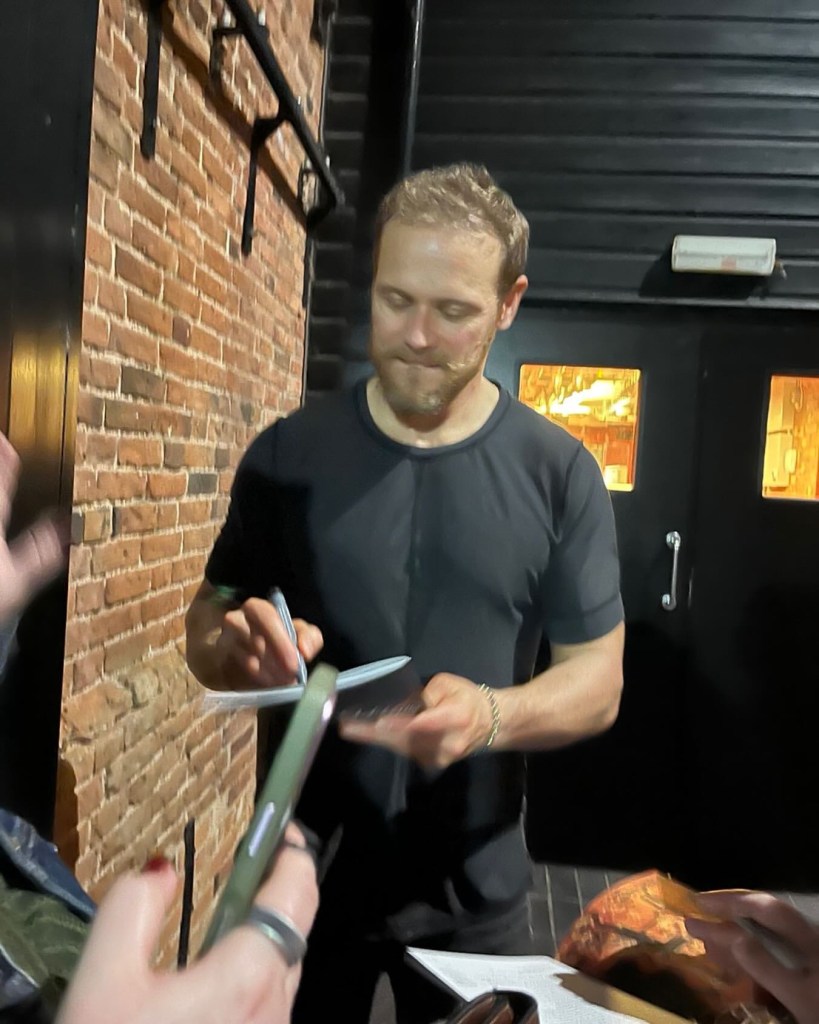
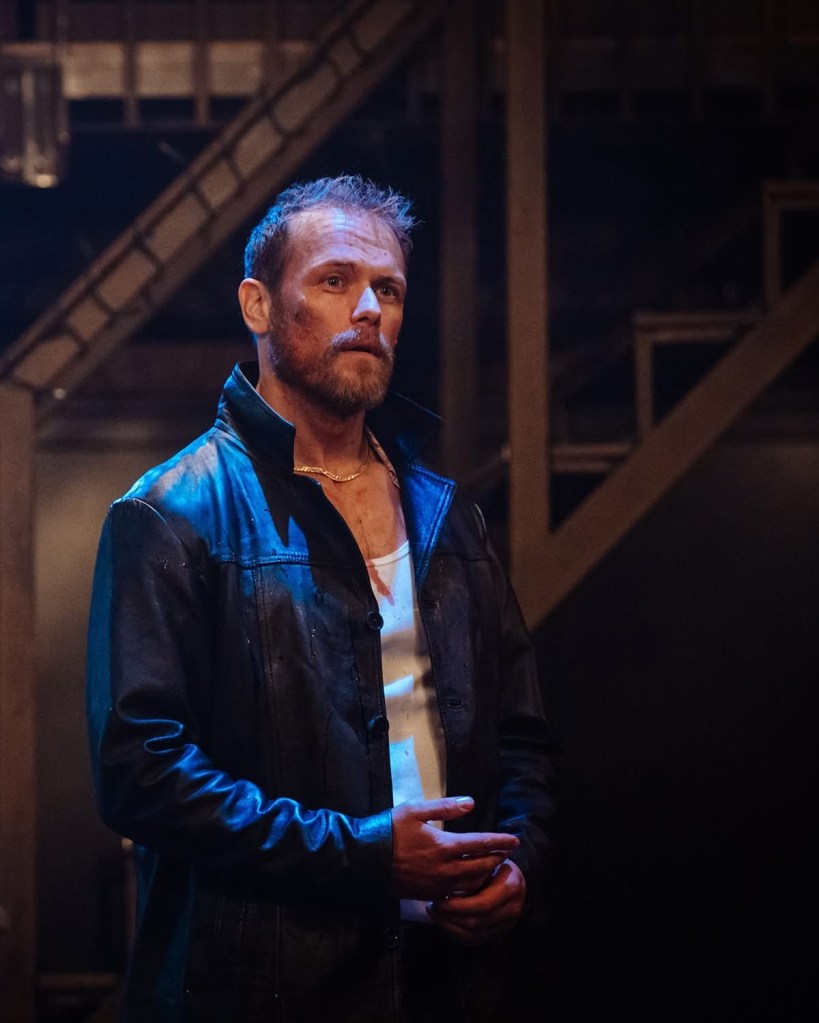
Real support goes beyond sharing trailers or posting gifs online. It means celebrating the actor’s craft while also respecting them as a human being. It means understanding that someone like Sam Heughan is more than just Jamie Fraser or a face at premieres—he’s a person who deserves dignity, privacy, and the freedom to live without constant judgment.
A Call to Fans
If you’re part of a fan group, ask yourself: are we really building a space that honors the whole person, or are we just fueling a cycle of gossip and shallow commentary? The best way to “support” an actor or actress isn’t only by watching their projects—it’s by ensuring our admiration protects their dignity and gives them room to be themselves.
Actors aren’t just characters. They’re people with hearts, lives, and feelings. And if fans want to be proud of their communities, they should make sure those communities are rooted in kindness and respect.
As a fan of Sam Heughan, I’ve always been inspired by his talent, dedication, and the positive impact he has on so many lives. To me, celebrating kindness toward Sam means seeing him as the multifaceted professional he is—an actor, producer, and philanthropist—rather than reducing him to just his looks or his Outlander character, Jamie Fraser. Objectifying him not only disrespects his hard work but also undermines the vibrant, supportive fan community we’re all part of. Here’s why I believe objectification is harmful and how we can choose kindness instead.
1. It Overshadows His Incredible Craft Sam’s performances in Outlander are breathtaking. The way he brings depth to Jamie Fraser—balancing strength, vulnerability, and humor—shows his skill as an actor. Beyond acting, he’s a producer who’s helped bring projects like Outlander to life, and he’s the driving force behind My Peak Challenge, a global fitness movement that raises funds for charities like Blood Cancer UK. When fans focus only on his appearance, it feels like we’re ignoring the years of training, passion, and creativity he pours into his work. As a fan, I want to celebrate the artistry he brings to every role and the leadership he shows in his projects. Kindness means shouting out his talent, not just his looks.
2. It Diminishes His Broader Impact Sam’s work extends far beyond the screen. Through My Peak Challenge, he’s built a community that encourages people to prioritize their health while raising millions for charitable causes. His advocacy for mental health awareness, especially through campaigns tied to his charity work, has inspired me and countless others to take better care of ourselves and support meaningful causes. When we reduce Sam to a heartthrob, we overlook these contributions that make him a role model. I feel that kindness in fandom means sharing posts about his charity work, joining MPC events, or simply acknowledging how his efforts make a difference.
3. It Reinforces Harmful Stereotypes Objectifying Sam by focusing on his appearance perpetuates unrealistic standards of masculinity and beauty that can pressure everyone in the industry. As a fan, I’ve seen how comments about his physique or “perfect” features can dominate discussions, which feels unfair to the work he puts into his craft. It’s not just about Sam—it’s about the message we send when we prioritize looks over substance. I believe kindness means appreciating his authenticity, like how he shares his fitness journey not to flaunt but to inspire others. Let’s celebrate his dedication and realness instead of feeding into stereotypes.
4. It Weakens Our Fan Community Being part of the Outlander and Sam Heughan fandom is special because it’s a space where we connect over shared passions—whether it’s discussing episodes, supporting MPC, or celebrating Sam’s new projects. But when objectification takes over, it shifts the focus to superficial comments that can alienate fans who want deeper conversations. I’ve felt frustrated when discussions get derailed by appearance-focused remarks instead of celebrating Sam’s latest role or charity milestone. Kindness in our community means fostering positivity—sharing fan art inspired by his characters, discussing his performances, or organizing charity drives in his honor.
Choosing Kindness as a Fan
For me, honoring Sam Heughan is about celebrating the whole person behind the roles. I try to show kindness by engaging with his work meaningfully—whether it’s watching his latest project, participating in My Peak Challenge, or spreading the word about his advocacy. We can all make a difference by posting positive, respectful comments on social media, supporting his charitable initiatives, or simply appreciating the energy he brings to his craft. By focusing on his talent, dedication, and impact, we build a fandom that’s uplifting and inclusive, reflecting the kindness Sam himself shows to his fans.
Why People Troll and Spread Hate Online Trolling and hateful behavior on social media often stem from a mix of psychological, social, and environmental factors. Here’s why it happens:
Anonymity: The internet allows users to hide behind pseudonyms or anonymous accounts, lowering accountability. This emboldens people to say things they’d never say face-to-face.
Seeking Attention: Trolls thrive on reactions. Provoking anger or outrage gives them a sense of power or amusement, feeding their need for attention.
Emotional Outlet: Some use trolling to vent frustrations, insecurities, or anger. Social media becomes a space to project personal dissatisfaction onto others.
Group Dynamics: Hateful behavior often spreads in echo chambers where like-minded individuals reinforce toxic attitudes, amplifying negativity.
Desensitization: Constant exposure to aggressive online interactions can normalize hateful speech, making it seem acceptable to some.
Lack of Consequences: Weak moderation on platforms allows trolls to act without fear of repercussions, perpetuating the cycle.
The Impact of Trolling and Hate Trolling and hate speech can cause real harm, including emotional distress, anxiety, and even self-harm among targets. It erodes trust in online communities and discourages open dialogue. Understanding why it happens is the first step to addressing it.
How to Stop Trolls and Reduce Hate Online Here are practical steps individuals and communities can take to combat trolling and foster kinder online spaces:
Don’t Feed the Trolls: Trolls seek reactions. Ignore or mute them instead of engaging. Starving them of attention reduces their incentive to continue.
Report and Block: Use platform tools to report abusive behavior and block toxic users. Consistent reporting helps platforms identify repeat offenders.
Promote Positivity: Share constructive, kind content to counter negativity. Amplify voices that inspire and uplift rather than tear down.
Set Boundaries: Protect your mental health by curating your feed—unfollow or mute accounts that spread hate or negativity.
Educate Others: Encourage friends and followers to avoid engaging with trolls and to report harmful behavior. Spread awareness about the impact of online hate.
Advocate for Better Moderation: Support platforms that prioritize robust content moderation and clear policies against hate speech.
Model Empathy: Respond to negativity with calmness or humor when appropriate, or disengage entirely. Show others how to communicate respectfully.
Support Victims: Reach out to those targeted by trolls with kindness and encouragement. A supportive message can make a big difference.
Conclusion Trolling and hate on social media thrive in environments where anonymity, attention-seeking, and weak consequences collide. By refusing to engage with trolls, reporting abuse, and fostering positive interactions, we can create healthier online communities. It starts with each of us choosing kindness over chaos. Let’s make social media a space for connection, not conflict.
Call to Action Have you encountered trolls or hate online? Share your experiences below and let’s discuss how we can make the internet a kinder place together!
Hollywood has lost its focus. Actors and actresses, once champions of storytelling, now often hijack their platforms to exaggerate issues like the Supplemental Nutrition Assistance Program (SNAP) cuts, turning practical policy debates into overblown spectacles. Their political crusades, often rooted in shallow understanding, drown out the entertainment audiences crave. Hollywood needs to refocus on telling stories that unite, not inflating issues like SNAP cuts into divisive dramas.
Why SNAP Cuts Are Being Proposed
Proposals to cut SNAP, like those in the House Republican budget, aim to reduce its $120 billion annual cost through 2034. The motives are economic and ideological, but Hollywood’s hype blows them out of proportion:
• Offsetting Tax Breaks: Lawmakers target SNAP to fund tax cuts, particularly for high earners and corporations. The House Agriculture Committee is tasked with cutting $230 billion, with SNAP as a key focus.
• Encouraging Work: Some argue stricter work requirements for recipients, including parents and older adults, will reduce reliance on aid. Yet, over 60% of non-elderly, non-disabled SNAP households already work, often in low-wage jobs that don’t cover food costs.
• State Funding Shifts: Proposals suggest states share SNAP costs, moving from full federal funding. States may struggle to pay, potentially reducing benefits or eligibility.
• Program Reform: Critics claim SNAP is misused (e.g., buying unhealthy foods) or too expensive, pushing for limits like restricting the Thrifty Food Plan, which sets benefit levels. These are policy tweaks, not crises, despite Hollywood’s theatrics.
The Real Impact
SNAP cuts could affect millions—children, seniors, and low-income workers—worsening food insecurity in places like Florida, where 2.9 million rely on benefits. But Hollywood’s exaggerated outrage turns a manageable issue into a polarizing circus, alienating audiences and obscuring practical solutions.
Hollywood’s Misstep
Actors aren’t policy experts, yet they amplify SNAP cuts into a moral panic, misunderstanding the nuances. Their dramatic posturing on platforms like X fuels division, not unity. Audiences want stories that entertain and inspire, not overblown political lectures.
How Hollywood Can Do Better
1. Prioritize Storytelling: Craft narratives that subtly highlight human struggles, like hunger, without turning them into soapboxes.
2. Stay in Your Lane: Leave policy debates to experts and focus on entertaining, not exaggerating.
3. Listen to Audiences: X shows fans want escapism, not drama. Deliver what they need.
4. Unite Through Art: Tell universal stories that bring people together, not fuel outrage.
A Call to Action
Hollywood, stop inflating issues like SNAP cuts and get back to storytelling. Create art that uplifts and connects us. Meanwhile, we must address SNAP cuts calmly—research leaders’ motives, demand balanced solutions, and support programs that fight hunger without the hysteria. Let’s build harmony through stories and reason.
By the way, not all actors and actresses are dramatic and there are even some who do focus on their work, but not all of them are and they need to be admonished.
The world craves positive change—a place where harmony replaces fear, and unity triumphs over division. Real progress starts with us making wiser choices about our leaders. It’s not just about picking the right people; it’s about rejecting radical ideals that fuel chaos and embracing leadership that fosters peace and togetherness.
Why Wise Leadership Matters Great leaders build bridges; poor ones burn them. History shows that leaders with integrity and a commitment to the common good create lasting progress. In contrast, those who push divisive, radical ideals—whether from the left, right, or elsewhere—sow fear and discord. Extreme visions tear societies apart rather than mend them. Wise leadership builds harmony; reckless leadership breeds conflict.
How to Choose Wisely
Look Beyond Charisma: Slick promises and fiery rhetoric can hide incompetence or dangerous agendas. Check a leader’s track record. Do their actions align with their words? Have they delivered results that promote peace?
Prioritize Character: Integrity matters more than ideology. Choose leaders who admit mistakes, treat others with respect, and value truth over power.
Reject Divisive Radicals: Leaders who thrive on extreme ideals—pitting groups against each other or threatening harmony—create fear, not solutions. Stand up to those who divide us, whether through hate, fearmongering, or utopian promises that ignore reality.
Seek Unifying Vision: The best leaders rally people around shared goals, not tribalism. Look for practical plans that tackle root issues like poverty or climate change without inflaming tensions.
Scrutinize Their Circle: A leader’s advisors reveal their judgment. Are they surrounded by experts or enablers of radicalism?
Focus on the Future: Choose leaders who prioritize long-term stability—education, economic fairness, and environmental care—over short-term chaos.
Our Role in Change We all deserve to live in harmony, free from fear. That starts with courageously rejecting leaders who threaten peace with divisive or radical agendas. Stay engaged—use platforms like X to track what leaders say and do in real time. Hold them accountable. Amplify voices that challenge division and promote unity.
A Call to Action The world won’t improve unless we act. Choose leaders who embody wisdom, not extremism. Research their past, question their motives, and demand substance over style. By standing up to those who divide and uplifting those who unite, we can build a future where harmony prevails. Let’s make it happen.
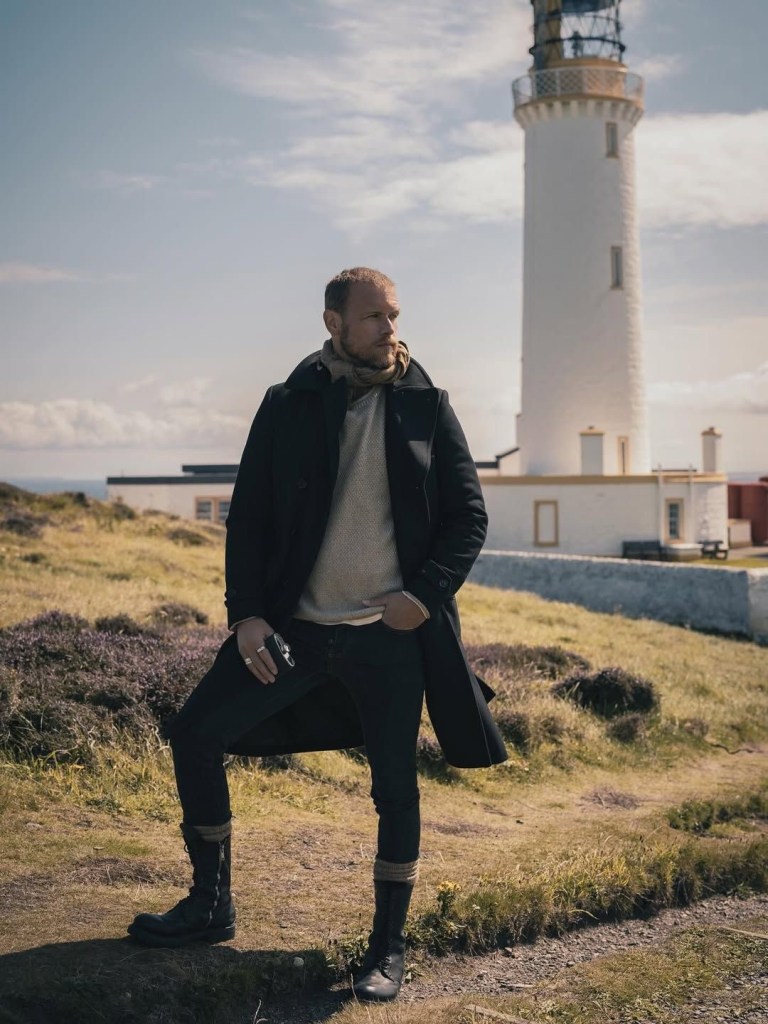
I’ve always seen the world through a lens—literally, with my camera, and figuratively, in how I chase truth and individuality. Lately, I’ve been grappling with how woke ideology is unraveling our societies, sowing division, and stifling honest expression. It’s a problem that demands action, and as I think about how to confront it, I find myself considering how someone like a well-known Scottish actor and community-builder might approach it too—not what he thinks, but how he’d tackle it, based on his grounded, resilient way of living. Our approaches, mine through storytelling and his through fostering connection, point to a way to push back with truth and courage.
For me, woke ideology is a trap. It promises justice but delivers conformity, reducing people to labels and punishing those who dare speak freely. I see it in the hesitation before someone shares a thought, the fear of being “canceled” for a misstep. As someone who values the raw, unfiltered moments I capture in photographs or the stories I dream up under Scotland’s vast skies, this feels like a theft of our humanity. My approach is to resist by staying true to myself—creating art that reflects reality, speaking my mind even when it’s risky, and treating people as individuals, not categories.
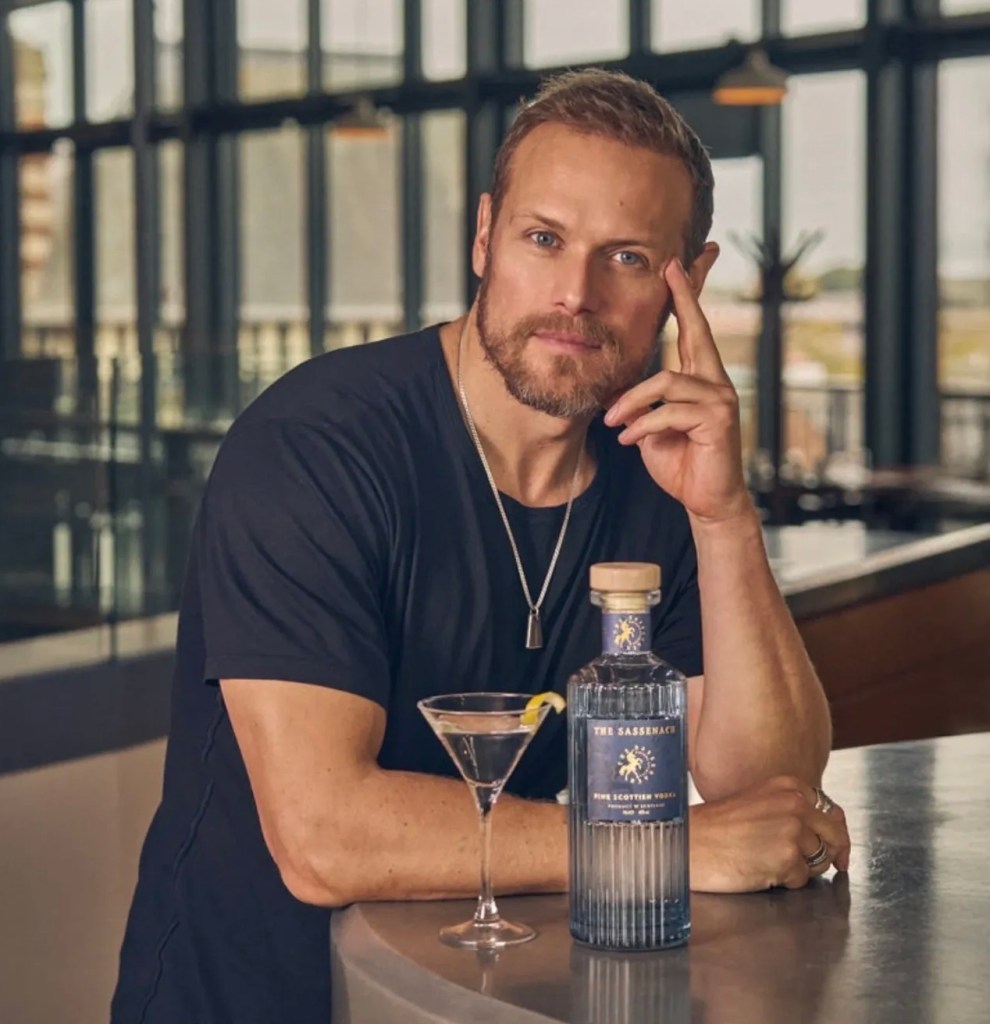
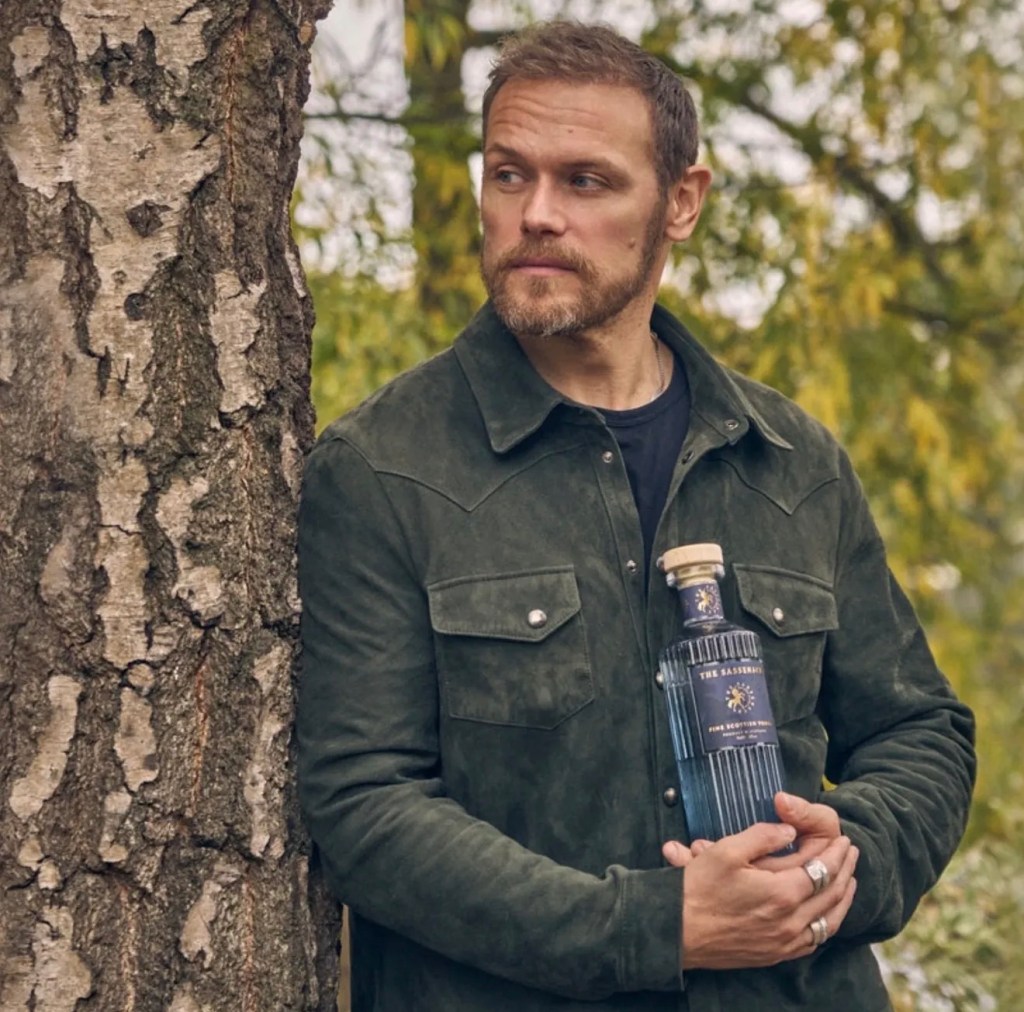
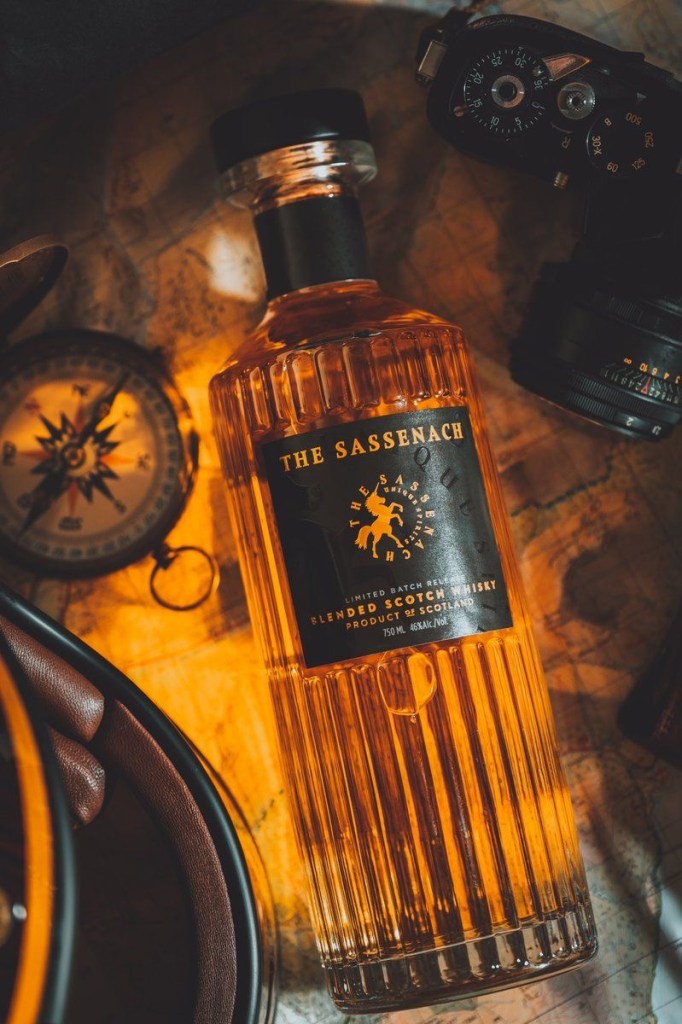
The Scottish actor’s approach, from what I see, would likely center on action and connection. He’s someone who meets challenges head-on, whether it’s building a fitness community or pouring his heart into storytelling on screen. He doesn’t seem to dwell on complaints; he creates. If faced with something like woke ideology, I imagine he’d focus on fostering spaces where people can come together authentically. His work with a whisky brand, for instance, isn’t just about a product—it’s about shared experiences, stories swapped over a dram. That’s a quiet but powerful way to counter division.
Where our approaches align is in prioritizing what’s real over what’s performative. I resist woke ideology by refusing to play its game—by making art that doesn’t bend to trends, by having conversations that cut through dogma. He, I think, does this by staying rooted. His commitment to Scotland, from his charity work to his love for its landscapes, shows a man who values substance over fleeting fads. If he were to tackle this issue, he’d likely keep doing what he does best: building communities that celebrate what unites us, not what tears us apart.
How do we defeat this ideology? My way is to live unapologetically. I pour my heart into my photography, even when the world nudges me toward my cybersecurity degree. I speak up, messy as it may be, because silence lets fear win. I seek out real connections—friends, strangers, anyone willing to talk honestly over coffee or a Highland trail. His approach, I suspect, would lean on his knack for rallying people. Look at how he’s united fans and athletes worldwide through shared goals—fitness, storytelling, or just a love for Scotland. If he were confronting this ideology, he might create more spaces like these, where people can be themselves without judgment, where a good laugh or a deep chat trumps moral policing.
We’d both agree, I think, on the need to rebuild trust. Woke ideology thrives on suspicion, convincing us we’re enemies before we’ve met. My response is to double down on human connection—sharing a story, listening to someone’s truth, finding common ground. His way seems to be through action that inspires. His fitness challenges or fan events aren’t just events; they’re proof that people can come together despite differences. If he were tackling this issue, he’d probably keep fostering those moments—maybe a whisky tasting, maybe a charity hike—where people remember what it’s like to just be together.
Free speech is non-negotiable for me. I’ve always felt driven to say what’s on my heart, whether it’s about life, love, or the world’s chaos. I fight woke ideology by refusing to self-censor, by embracing the messiness of real talk. His approach, I imagine, would be quieter but no less firm. He’s navigated fame’s scrutiny with humor and grace, never shying away from his values or his story. If he were to face this ideology’s speech-policing, he’d likely keep doing what he does—sharing his journey, supporting others’ voices, and letting his work speak louder than any dogma.
Woke ideology divides, but we can overcome it by living true and building bridges. My camera captures the world as I see it; his work brings people together to share it. Our approaches—mine through art and words, his through community and action—show that we don’t need to conform to fight back. We just need to keep creating, connecting, and speaking freely. As I’d say over a sunset in the Highlands, and as I think his life quietly proves: truth and humanity are worth fighting for.
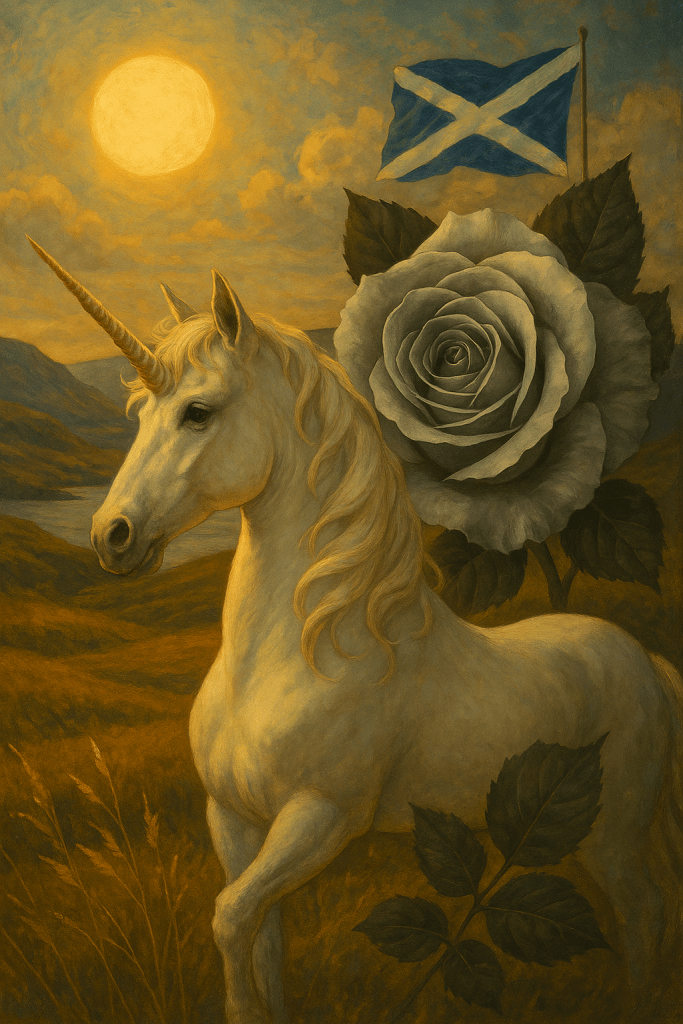
The unicorn, a creature of myth and wonder, embodies the essence of rarity and beauty, much like my own journey through life as an individual with autism. Just as the unicorn stands apart from the ordinary, I too navigate the world with a perspective that is uniquely my own.
The unicorn’s horn, a symbol of purity and healing, mirrors my ability to see the world in ways others might overlook. My mind, much like the unicorn’s magical nature, processes information with a depth and clarity that can reveal hidden patterns and connections. This gift allows me to approach challenges with creativity and insight, transforming obstacles into opportunities for growth.
In a world that often values conformity, the unicorn reminds me of the strength found in embracing my differences. Its grace and elegance inspire me to move through life with confidence, knowing that my uniqueness is my greatest asset. The unicorn’s mythical status reflects the mystery and wonder that I bring to the world, encouraging others to see beyond the surface and appreciate the richness of diverse perspectives.
Perhaps it is this deep connection to the unicorn that draws me to Scotland, a land where the unicorn is celebrated as the national animal. The rich history and enchanting landscapes of Scotland captivate my imagination, offering a sense of belonging and inspiration. The simplicity yet profound beauty of its rolling hills and ancient castles resonate with my soul, inviting me to dream of visiting or even moving there one day. Maybe, amidst the misty highlands, I will find a Scotsman who shares the same dreams and desires that my heart calls for—a love like Jamie and Claire Fraser’s, filled with adventure, passion, and deep connection.
As I navigate the complexities of life, the unicorn serves as a guiding light, reminding me that my journey is one of beauty and significance. My autistic mind, much like the unicorn, is a testament to the power of individuality and the endless possibilities that arise when we embrace who we truly are. Scotland, with its deep-rooted connection to this mythical creature, feels like a place where my spirit can truly thrive.
What are the most important things needed to live a good life?
What does a good life look like for me? It’s like framing the perfect shot with my camera—catching the light just right, finding the angle that feels honest. It’s not about money or fame, but about living in a way that lets my heart sing, like I’m twirling under a Highland sky or laughing with someone who feels like home.
First, I need relationships where I can be my true self, no filters needed. Like those late-night talks with a friend, sharing cheesy love songs or a 2 a.m. snack, where I don’t worry about being “too much.” Those moments, where I can ramble about my autistic way of seeing the world—like how light dances on water—or dive into a story without feeling judged, are my lifeline. They’re the warmth that holds me together, and I want to fill my life with people who see the real me.
Then there’s my empathy, this quiet gift I’ve always had. As a kid, I’d hug strangers because I could feel their sadness; now, it’s how I connect with horses, their steady presence making me feel safe. A good life means embracing that instinct—listening deeply, offering comfort, building bridges. It’s not just about others; it’s about how alive I feel when I’m there for someone.
Creativity is my heartbeat. Photography lets me tell stories, freezing moments of light and emotion like a scene from Outlander. A good life has room for that—wandering with my camera, chasing golden hour, making something that’s mine. Even with my cybersecurity work, I need these moments, because they’re when I’m most myself.
Freedom to be me is everything. Masking to fit in is exhausting, like dimming a flame. A good life means finding spaces—friends, work, or just solo time—where my autistic self is enough. Where I can geek out about light patterns or romantic tales without feeling “weird.” That freedom is where I thrive.
I also want experiences that spark joy, not just things. A spontaneous adventure—like dancing in the rain or stargazing with someone special—beats any fancy gadget. Those heart-racing, rom-com-worthy moments are what I’ll carry forever. I want a life woven with them, whether it’s a far-off trip or a quiet laugh shared over coffee.
Balance is tough but crucial. My cybersecurity degree pays the bills, but my soul lives in photography and storytelling. A good life blends both—using my skills to support my dreams without letting them drown out what I love. It’s about small steps toward a life where I’m not just getting by but truly creating.
Finally, nature keeps me grounded. Horses, open fields, the hush of a forest—it’s where my intuition wakes up. A good life includes time there, whether I’m riding, walking, or just sitting somewhere green, feeling the earth’s pulse.
To build this life, I’ll start now: plan a photography day this month, have a heart-to-heart with a friend, and try one new way to be unapologetically me, like sharing a quirky idea at work. A good life grows from these moments, and I’m ready to nurture them.
My newest creation.my rabbit photo and AI background I made to go with it.
California’s sanctuary state policies, particularly the California Values Act (SB 54) of 2017, have deepened national divisions by restricting local law enforcement’s cooperation with federal immigration authorities. SB 54 prohibits local police from detaining individuals for immigration violations unless they have been convicted of specific serious crimes, such as violent felonies. While supporters claim this protects vulnerable communities, critics argue it undermines federal authority and the rule of law. Democrats, particularly liberals in California, champion these policies, framing them as moral imperatives. This stance fuels contention, disrespects legal processes, and erodes trust across the nation. Every state in the United States—from Texas to New York, Florida to Washington—must respect and uphold immigration laws and all federal laws to maintain national unity and ensure fairness. When states pick and choose which laws to enforce, they weaken the foundation of a cohesive society.
The media, often aligned with liberal narratives, exacerbates this divide by downplaying the consequences of illegal immigration and criticizing enforcement efforts. This selective reporting distorts public perception, casting legal accountability as cruelty and ignoring the strain on communities. Liberal leaders and complicit media outlets must be held accountable for fostering an environment where disrespect for the law is normalized, as their actions deepen polarization and undermine the rule of law nationwide.
Illegal immigration itself is a divisive issue. The United States offers legal pathways—visas, asylum applications, and refugee programs—designed to balance humanitarian needs with security and fairness. Bypassing these channels is dishonest and disrespectful to those who endure lengthy legal processes. It’s not about labeling people as “illegal”; it’s about recognizing that unlawful actions have consequences. In 2024, U.S. Customs and Border Protection reported approximately 2.6 million migrant encounters at the southern border, up from 2.5 million in 2023, overwhelming resources and straining border communities. This influx can enable human smuggling, and while not directly tied to widespread crime, high-profile incidents involving undocumented individuals fuel public frustration.
Individuals have a responsibility to respect a nation’s laws, just as they would expect respect for their own communities. Legal immigration strengthens societies; illegal entry sows division and resentment. All 50 states share the duty to uphold federal laws, including immigration policies, to prevent the chaos that arises when laws are selectively enforced. States like California, by prioritizing ideology over legal accountability, set a dangerous precedent that others must avoid.
Democrats, the media, and all states must acknowledge their role in perpetuating this crisis by failing to consistently uphold legal standards. California’s sanctuary policies, driven by liberal agendas, risk tearing the country apart. For the United States to heal, every state, from Alabama to Wyoming, must commit to enforcing federal laws, ensuring immigration is addressed humanely while maintaining national unity and respect for the rule of law.