There is a softness in the way I see you. Not weakness. Not illusion. But strength that does not need to prove itself.
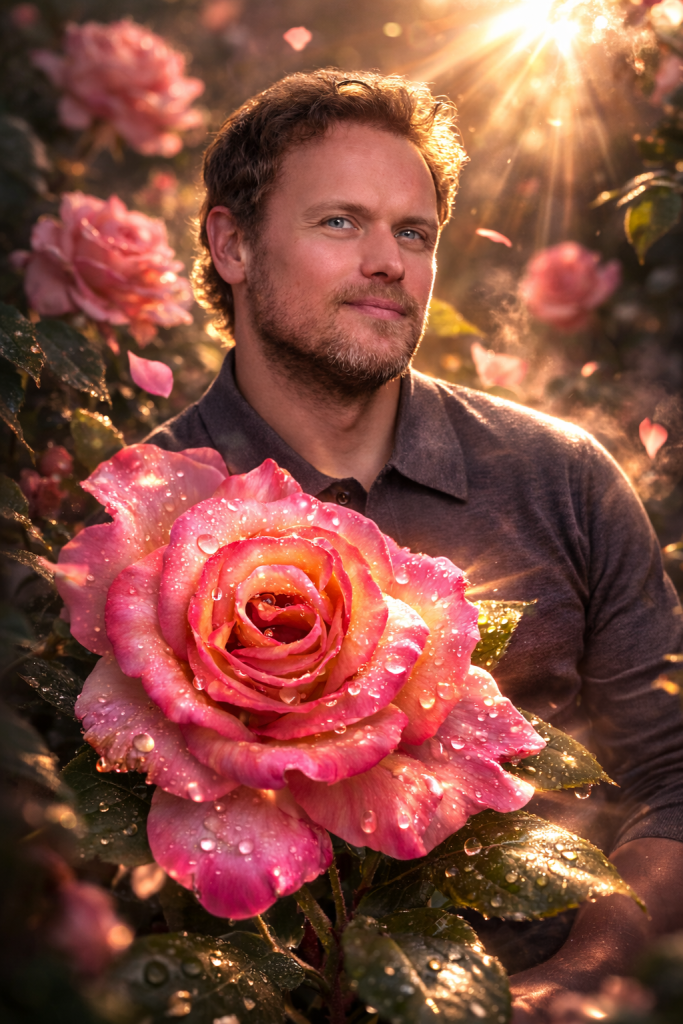
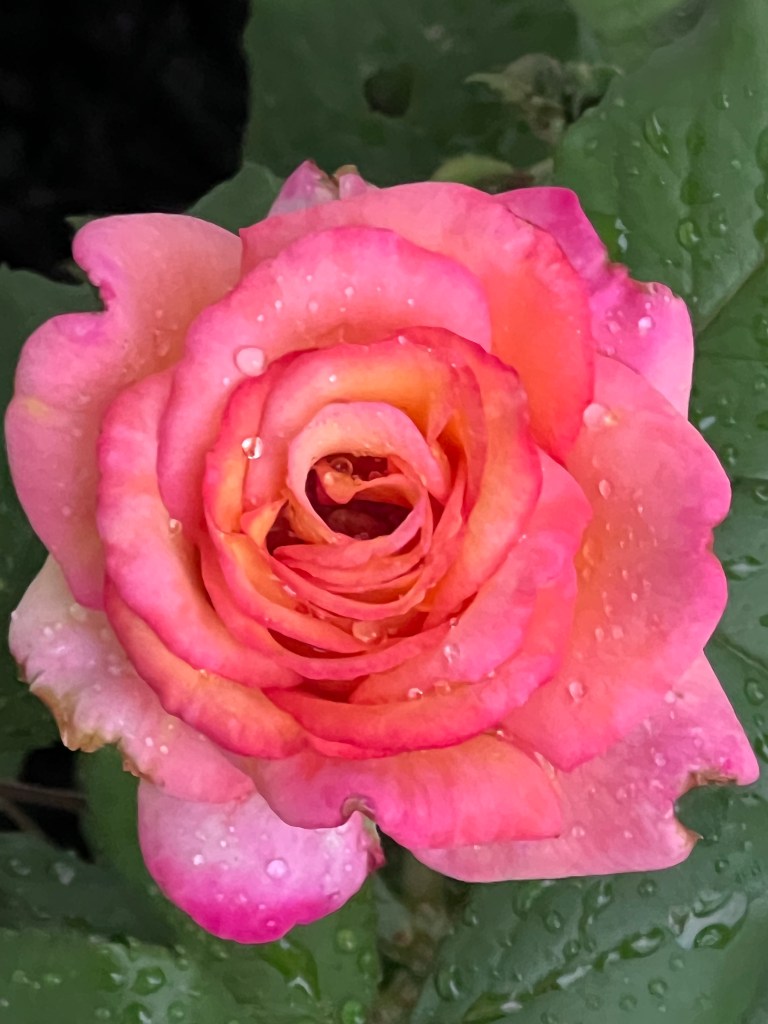
In my mind, you stand in sunlight, surrounded by roses. Not because of romance or fantasy, but because flowers grow through seasons most people never see. They endure cold, darkness, and waiting. And when they bloom, it is quiet. It is steady. It is earned.
That is what your work feels like to me.
You do not rush the story. You let it take root. You prepare, you listen, you carry the weight of the characters you bring to life. There is patience in that. Respect. A kind of discipline that reaches farther than any spotlight ever could.
When I see that, it awakens something in me. For years, I lived in survival, pushing forward, masking who I was, never allowing myself to rest or grow. Like a seed buried too deep, waiting for the right season.
But your craft reminded me that growth does not have to be loud. It can be slow. It can be intentional. It can be built one quiet step at a time.
Now I am learning to create again. To write. To design. To build a life that reflects balance and peace. To honor the parts of myself I once hid. To believe that resilience and gentleness can exist together.
Sometimes I imagine sitting with you, simply listening. Not to the public stories, but the real ones. The doubts, the lessons, the moments that shaped you in silence. There is wisdom there, and I believe listening is one of the deepest forms of respect.
Wherever you are in the world— whether the light finds you in Scotland, Germany, or somewhere between— I hope you know that your work travels far beyond distance. It reaches people quietly, like sunlight breaking through clouds. It reminds them that even after long winters, blooming is still possible.
It reached me.
And because of that, I am beginning again.
If our paths ever crossed, I would simply say thank you. And then I would listen.
Love, to me, has never been just about the physical or surface-level attraction that so many people seem to focus on. It has always meant something much deeper. Love is when you meet someone on an emotional, mental, and spiritual level. It’s a connection that goes beyond what the eyes can see. It’s understanding, patience, and the quiet sense of peace you feel when you know someone truly sees you.
For as long as I can remember, meaningful things have always mattered more to me than grand gestures. I’ve never needed anything flashy or perfect. I’ve always been someone who lives for the small, intricate moments—the tone of someone’s voice, the way they listen, and the way they show up consistently even when life is busy. That kind of presence speaks louder than anything else.
I was never the person who rushed into the idea of marriage. In fact, for a long time, I didn’t even think much about it. When the moment came in my life where I thought that was the path I wanted, it didn’t turn out the way I had imagined. At first, that was hard to understand. It felt confusing, even painful. But over time, I began to realize something important.
Maybe my heart always knew.
Maybe deep down, there was a quiet voice telling me that the person I was with was not meant to be my forever. Sometimes we try to force something because it seems like the right thing at the time. We convince ourselves that if we try harder, love will grow into what we hope it will become. But real love doesn’t need to be forced. It flows naturally. It feels safe. It allows you to be fully yourself without fear.
Looking back now, I don’t see that chapter of my life as a failure. I see it as a lesson. It helped shape my understanding of what love is—and what it is not. It taught me that love is not about timelines, pressure, or meeting society’s expectations. It’s not about rushing into commitments because everyone else is doing it.
And once I became single again, I prayed to God. I told Him that I didn’t care what that person’s career would be, as long as it was not unethical or immoral. What mattered to me was the heart and character of that person. I prayed that if they had a busy life or a demanding career, then I would rather be the one who brings balance to it. Someone who could create a sense of home, comfort, and emotional support. Someone who could be a safe place at the end of a long day.
Because love, to me, is not about competing with someone’s purpose. It’s about strengthening it.
It’s about being a counterpart. A partner who understands that life comes in seasons—some busy, some quiet—and that both people need each other in different ways at different times. I believe there is something beautiful about being the one who brings warmth, steadiness, and peace into another person’s world, while they bring the same into yours.
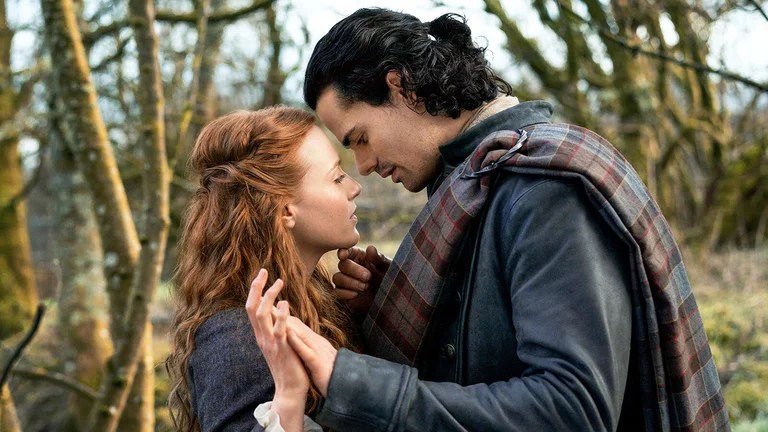
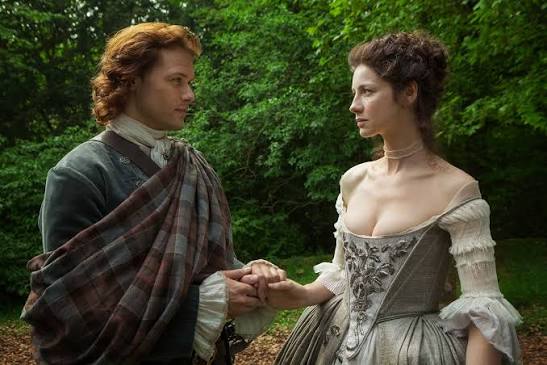
One of the reasons this kind of love means so much to me is because of the relationship in Outlander between the two main characters. Their love is not perfect, and it is not easy. They face distance, loss, trauma, time, and circumstances that would break most people. Yet through it all, they meet each other emotionally, mentally, and spiritually.
She challenges him. He protects her. They support each other’s purpose and growth, even when it means sacrifice. They do not try to control or limit each other. Instead, they strengthen one another. They are equals, partners, and safe places for each other in a chaotic world.
What moves me most is not just their romance, but their loyalty, patience, and the deep understanding they have. Even when they are separated, their bond never truly breaks. It reminds me that real love is rooted in trust and connection, not just proximity or convenience.
Their story also reflects something I believe deeply: that love is not about rushing. It unfolds in its own time. It grows stronger through adversity. It becomes deeper through communication, forgiveness, and mutual respect.
That kind of love inspires me. It gives me hope that somewhere, there is a connection that strong and meaningful. Not perfect, but real. Not forced, but natural. A love where both people feel seen, valued, and emotionally safe.
Love is about alignment.
It’s about finding someone who meets you where you are emotionally, mentally, and spiritually. Someone who values growth, communication, and honesty. Someone who understands that love is built over time through trust and mutual respect. Someone who feels like both home and adventure at the same time.
And sometimes, it takes going through the wrong situations to recognize the right one when it finally appears.
I believe our hearts are wiser than we give them credit for. Even when we don’t fully understand the path we’re on, our hearts are guiding us toward the person who will truly see us and walk beside us—not ahead of us, not behind us, but with us.
So to me, love is not something to chase or force. It’s something to recognize, nurture, and protect when it arrives.
And when it does, you’ll know. Not because it’s perfect, but because it feels real, grounded, and deeply connected in every way that truly matters.
There’s been a lot of conversation about whether Jamie Fraser could appear in Blood of My Blood. Some people took the response to that question as a firm “no,” while others assumed it meant something more.
But honestly, I don’t think it was either.
I believe it was a thoughtful and respectful answer meant to protect the story, the new cast, and the future of the Outlander world. This kind of response is not about distance. It is about leadership and trust in the creative process.
This Story Isn’t Just About One Character
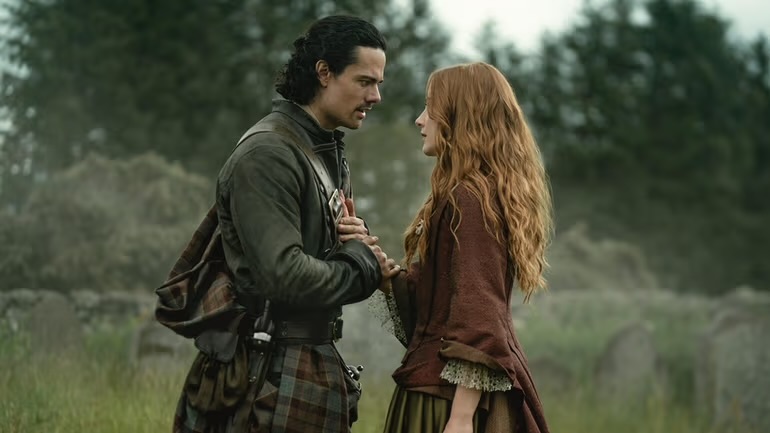
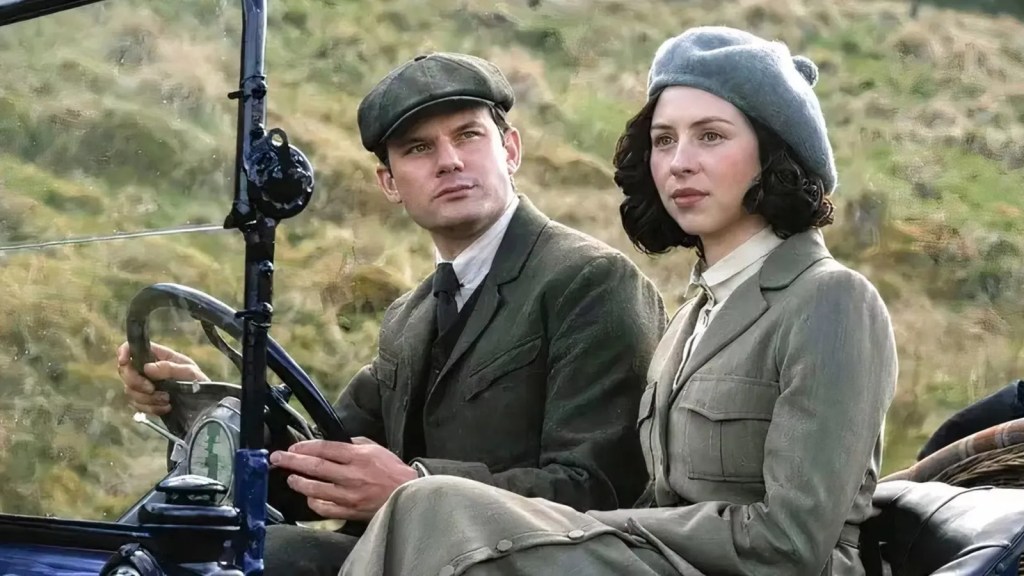
One important thing many fans forget is that Blood of My Blood is not only centered on Jamie’s parents, Brian Fraser and Ellen MacKenzie. The series is also exploring the early lives and relationships connected to Claire’s parents, Henry Beauchamp and Julia Moriston, and the world that shaped her.
This makes the prequel even more meaningful because it expands the Outlander universe in a natural and layered way. It allows viewers to understand the roots of both Jamie and Claire, and the generations that shaped the people we came to love.
Because of this, it would not feel natural for adult Jamie to suddenly become the focus. The purpose of a prequel is to give space to the people and stories that built the foundation.
That isn’t distance. That’s strong storytelling.
Respecting the New Cast and the Legacy
Years ago, audiences gave patience and trust to a new actor stepping into a beloved role. Now there is an opportunity to do the same for the actors bringing these earlier generations to life.
A prequel needs room to breathe. It needs the audience to connect with new faces, new emotions, and new journeys without constantly being pulled back to what we already know. If familiar characters appear too heavily, it can unintentionally shift attention away from the heart of the story.
Choosing to step back and let the new cast shine is not a lack of interest. It is a conscious and professional choice that strengthens the long-term legacy of the Outlander world. It also shows confidence that the story is bigger than any single character.
“We’ll See” Doesn’t Mean “No”
Another reality people sometimes forget is that no single actor controls these decisions. Writers, producers, networks, scheduling, and the direction of the story all play a role.
When someone says “we’ll see” or “if the story calls for it,” it usually means the door is open, but the moment has to be meaningful and earned.
If an appearance ever happened, it would most likely be something small and emotional. A cameo, narration, flashforward, or symbolic moment could honor the character while still protecting the focus of the prequel.
That kind of approach deepens the emotional connection rather than distracting from it.
A Gentle Reminder for the Fan Community
Miscommunication happens easily, especially online. One comment can turn into dozens of interpretations. That is why patience, understanding, and grace matter so much in any fan community.
Supporting the new cast, trusting the creative process, and focusing on the work itself creates a healthier and more respectful environment for everyone involved.
At the end of the day, true support means honoring the craft and the storytelling. It also means remembering that focusing on professional work and creative projects is what truly respects the people behind these stories. Any personal aspects they choose to share should always remain their choice.
Legacy is not about holding on tightly. It is about allowing something to grow and reach new generations.
And maybe that is the most beautiful part of this new chapter.
Lately, I’ve been noticing something online that honestly makes me uncomfortable. I keep seeing people take photos of actors and public figures and immediately start assuming how they must be feeling. A neutral face suddenly means they’re sad. A serious expression becomes anger or stress. A quiet moment turns into a whole story about their mental state.
And the truth is, we simply don’t know.
From my point of view, this kind of behavior is not only inaccurate, it’s disrespectful. These are human beings, not puzzles to solve or experiments to analyze. A single photo is just one tiny moment in someone’s life. It doesn’t show what happened before that moment or what comes after. It doesn’t show their thoughts, their focus, or their reality.
What I’ve come to realize is that a lot of this comes from projection. People see their own emotions reflected back at them. If they feel lonely, they think the person in the photo looks lonely. If they feel anxious, they assume the person must be anxious too. It creates this illusion of connection, but it isn’t real understanding. It’s just filling in the blanks with personal feelings.
I also think people forget that actors are professionals. Their work takes discipline, focus, and emotional control. Sometimes a serious expression simply means they are concentrating. Sometimes they’re tired from long filming days, travel, or busy schedules. Sometimes they’re just thinking. Not every moment needs to be turned into a dramatic story.
Social media has made this worse. The more emotional or extreme the assumption, the more attention it gets. That encourages people to overanalyze body language and facial expressions like they’re detectives, even when they have no real information. Over time, it creates a culture where people forget there is a real person behind the image.
I strongly believe that no one owes the public access to their inner emotional world. Public figures share their work and their talent. That does not mean they have given up their privacy, their boundaries, or their humanity. Supporting someone should mean respecting those boundaries, not crossing them.
For me, real admiration is about focusing on their craft, their dedication, and the impact of what they create. It’s about celebrating their work and the joy they bring into people’s lives, not demanding access to every part of who they are.
If we want healthier fan communities, this mindset has to change. Kindness and emotional maturity matter, especially online. When we stop assuming and start respecting, we create safer and more positive spaces for everyone.
I would also really like to see social media platforms like Instagram, Threads, Facebook, and even Tumblr improve in this area. Social media should be a safe environment where people can enjoy content, connect, and support others without constant drama or speculation. These platforms have the ability to encourage healthier conversations, set stronger boundaries, and make it easier to filter out harmful behavior. That kind of environment would benefit not only public figures, but everyday people too.
So at the end of the day, if I see people spreading that kind of negativity or speculation about celebrities, I don’t hesitate to block and move on. I don’t want to give attention to behavior that crosses boundaries or disrespects someone’s humanity.
And honestly, I think we should all ask ourselves this: how would we feel if strangers analyzed us and put us under a microscope every single day? Most of us would find that exhausting and unfair. So why should it be acceptable just because someone is in the public eye?
To me, real support means allowing people the space to simply be human. Because admiration should never turn into entitlement, and respect should always come first.
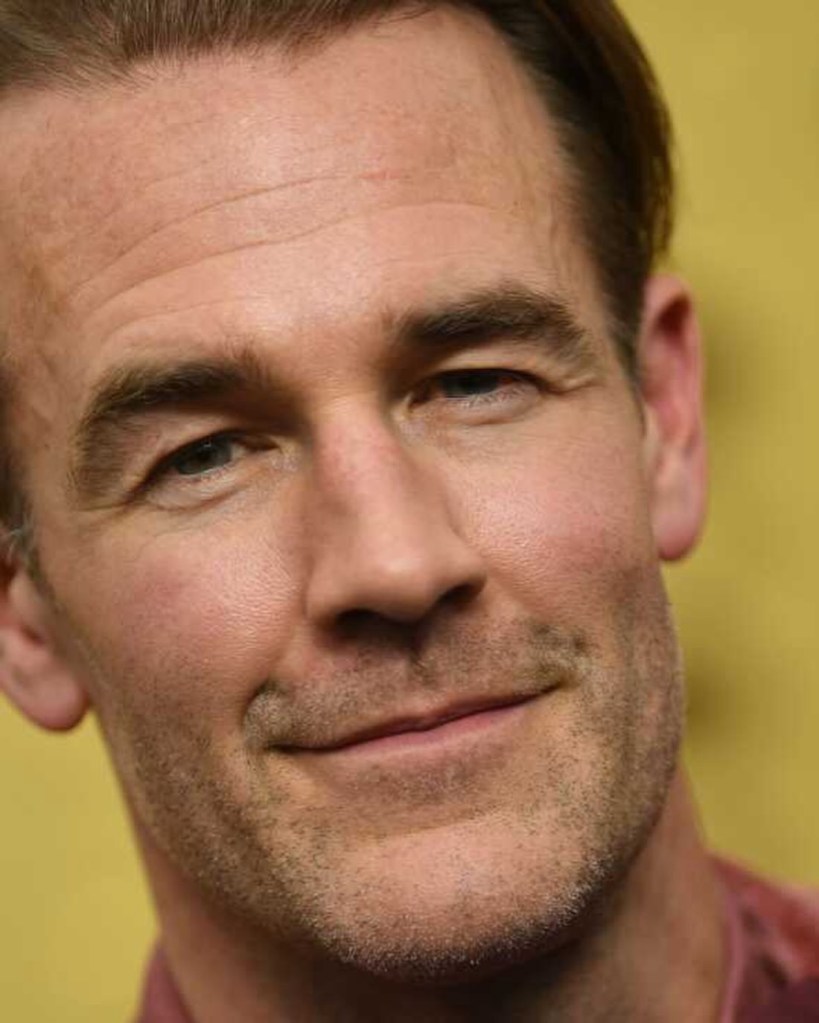
The recent passing of James Van Der Beek has brought out an overwhelming wave of love, support, and remembrance. And it should. A family has lost a husband. Children have lost their father. Friends have lost someone they shared life with. That is not a headline. That is heartbreak.
What has been harder to understand is the backlash — the criticism of people offering support, the cynical comments, the tone of “why are people making such a big deal about it?” as if grief has to pass some kind of approval process before it’s allowed.
I am extremely ashamed at how so many people seem not only out of touch with one another, but out of touch with basic humanity. Somewhere along the way, empathy became optional. Compassion became suspicious. And kindness became something people feel entitled to mock.
And yes — I am addressing the nasty remarks on Threads.
The sarcasm. The dismissiveness. The eye-rolling takes. The “why does this even matter?” crowd.
It matters because a family is grieving.
It matters because cancer is brutal.
It matters because whether you followed his career or not, a human being lost his life and children lost their father.
What I’ve seen online is disappointing at best and disturbing at worst. People hiding behind profile pictures, reducing someone’s death to a talking point or a punchline. That kind of detachment isn’t strength. It isn’t intelligence. It’s disconnection.
And if I’m being honest, I think some of the hostility toward celebrities often comes from something deeper — resentment. There are people who look at someone who pursued a creative career, worked relentlessly at their craft, faced rejection, uncertainty, and public scrutiny, and still built something meaningful… and instead of respecting that, they belittle it.
Maybe because it’s easier to mock someone’s success than to pursue your own growth. Maybe because it’s uncomfortable to see someone dedicate their life to something and earn respect for it. Hard work in the arts is still hard work. Dedication to a craft still deserves dignity and honor.
And by the way — money is not everything. It is a tool for survival. It can provide comfort and opportunity, yes. But it does not make someone less human. It does not make loss hurt less. And it certainly does not justify hatred. Don’t hate people who have more. Don’t look down on those who have less. Wealth does not measure worth. Character does.
Here’s the reality: acting is a career.
It’s not “just being famous.” It’s not “just being on TV.” It’s long hours, constant rejection, auditions, travel, sacrifice, and years of uncertainty. It’s building a life in an industry where most people don’t make it. When someone spends decades building that career, they are not simply a character on a screen. They are a human being who worked for their place in the world.
People form connections through stories. Through performances that carried them through breakups, illness, loneliness, growing up. Art matters. Storytelling matters. And the people who create it matter.
You don’t have to be a fan to be respectful.
You don’t have to admire someone’s work to honor their humanity.
You don’t have to understand someone’s career to recognize that their family is grieving.
Criticizing compassion says more about the critic than the moment.
We can disagree on politics.
We can disagree on entertainment.
We can disagree on opinions.
But grief should never be a battleground.
Celebrities are not fictional. They have spouses who cry behind closed doors. They have children who don’t care about fame — they just want their dad. They have families navigating hospital rooms, fear, and the unbearable quiet that follows loss.
Kindness costs nothing.
Compassion should never be controversial.
Respect should not require agreement.
And empathy should not come with conditions.
Sometimes the most radical thing we can do in a loud, angry world is simply choose decency.
To James Van Der Beek’s wife, children, extended family, and loved ones — my deepest and most heartfelt condolences. No public support can take away your pain, but I hope the love being shared reminds you that his work touched many lives. May you be surrounded by comfort, privacy, and strength in the days ahead. Your loss is seen, and it matters.
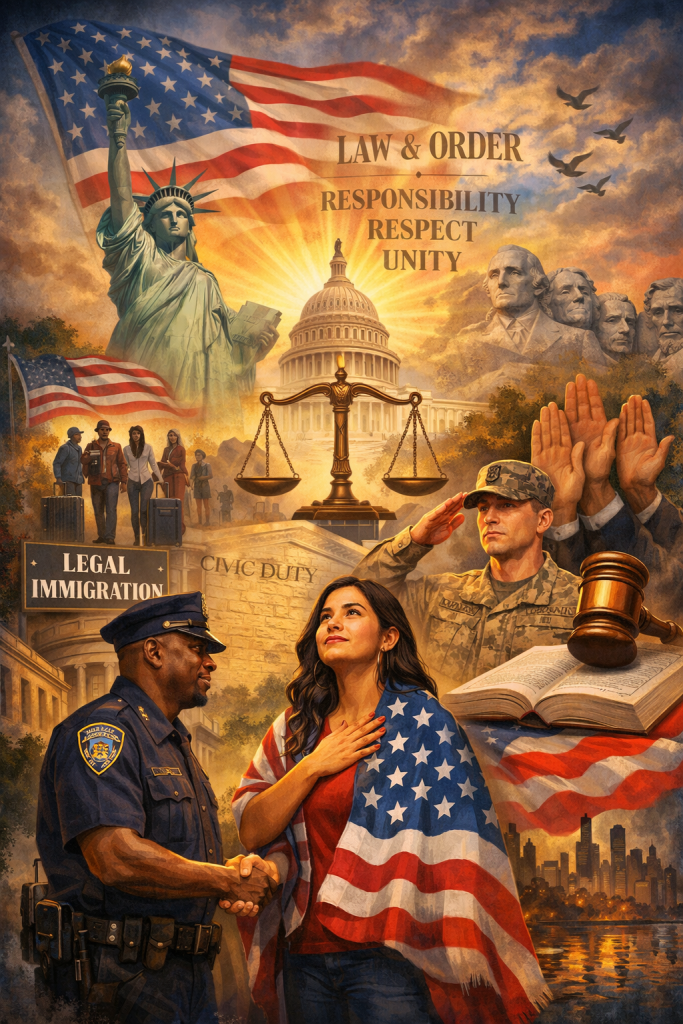
America’s story is often reduced to a single phrase: “Immigrants built this country.” Immigration absolutely played an important role — but it was never the only thing that held this nation together.
America was built on shared values: respect for law, personal responsibility, civic duty, and a commitment to something larger than ourselves. Immigration worked because it was paired with those principles — not because they were ignored. A nation is not just people crossing borders; it is a social contract.
People from many cultures and backgrounds came here seeking opportunity. What made that possible wasn’t the absence of rules — it was the presence of them. Historically, those who came understood that laws mattered, institutions mattered, contribution mattered, and respect for the country mattered. They didn’t just arrive — they participated.
Immigration alone does not build a nation. Shared responsibility does.
Law and order are often portrayed today as cold or uncaring, but in reality, they are what make fairness possible. Laws exist to create stability, protect communities, and ensure equal standards. Without immigration laws, legal immigrants are devalued, systems become inconsistent, trust erodes, and everyday citizens and lawful newcomers carry the burden.
A society without rules doesn’t become more humane — it becomes chaotic. And chaos harms the most vulnerable first. Respecting immigration law is not about rejecting people; it is about preserving a system that can function for everyone.
What is especially troubling today is the growing hostility toward law enforcement that is being amplified in cultural and public discourse. When influential voices frame police broadly as enemies rather than as individuals tasked with maintaining order, it fuels division rather than solutions.
Law enforcement officers are not symbols — they are people. They are human beings doing difficult work to protect communities, enforce laws, and respond to crime. Criticism and reform are part of a healthy democracy, but vilification without nuance is not. When hostility toward law enforcement becomes normalized, it leads to increased tension, loss of trust, and real-world harm.
Supporting law enforcement does not mean ignoring accountability. It means rejecting blanket hatred and recognizing that order is necessary for freedom to exist.
There is also an important truth that must be said with clarity and humanity: being in a country comes with obligations. If someone is not a citizen, the expectation is not hostility — it is respect for the law. That includes proper documentation, lawful behavior, and respect for the people and institutions of the country.
This is not cruelty; it is consistency. People who come here legally, follow the process, and live peacefully deserve dignity and protection. But when individuals commit crimes or show open hostility toward the country and its people, it is reasonable for society to expect accountability. No nation can survive if it excuses criminal intent or contempt for its laws in the name of compassion.
Another value we are losing is basic respect for leadership, regardless of political opinion. You do not have to agree with the president to show respect. Disagreement is not an excuse for dehumanization. Compassion, decency, and civility should not disappear because of politics.
Respecting the office matters because it reflects respect for the nation itself. We can challenge policies, question decisions, and advocate for change without tearing down the dignity of leadership or encouraging hostility toward the institutions that hold the country together.
America did not thrive because it welcomed everyone without standards. It thrived because it welcomed people into a framework of shared expectations. That balance — openness with responsibility, compassion with law, diversity with unity — is what allowed people from different backgrounds to build something lasting together.
Protecting that balance is not hateful, cruel, or backward. It is an act of respect — for the United States, for its people, and for the idea that freedom works best when it is paired with responsibility.
At its core, this is not about politics. It is about human decency, mutual respect, and remembering that a nation survives not only on who enters it — but on what its people agree to uphold once they are here.
I want to start this by being honest and taking responsibility for an earlier misunderstanding on my part. At first, I didn’t think Sam had a tattoo. That wasn’t said to dismiss anyone or shut down conversation. It came from how difficult it has become to tell what’s real online when images and videos are constantly zoomed in, cropped, slowed down, filtered, or reposted out of context.
The issue was never that people didn’t notice something. People did see something. The uncertainty came from exaggeration. When clips are over-zoomed, overly sharpened, or repeatedly reposted, details can start to look distorted. Lines appear harsher than they really are, shapes can look unnatural, and in a digital space where AI imagery and heavy editing are everywhere, it becomes reasonable to question whether what you’re seeing is real or being amplified beyond reality. That’s where the confusion came from.
Because of that distortion, I questioned what I was seeing, and I acknowledge now that I was mistaken. I do apologize to anyone I may have confused by saying so. Sometimes it genuinely takes clearer, more natural footage to remove doubt once exaggeration has already influenced perception.
More recently, in the Food52 video released this year, the image quality is clean and unforced. There’s no extreme zooming or visual manipulation. In that context, Sam’s tattoo is visible in a straightforward, realistic way. I noticed it in real time when he briefly flashed his wrist. It wasn’t staged or emphasized, just a natural moment that confirmed what people had already been unsure about. Seeing it clearly in an undistorted setting removed the uncertainty entirely.
I also want to explain why I looked up Sam’s tattoo in the first place. Like most people, when I notice something unfamiliar, I get curious about what it means in general. That curiosity wasn’t about dissecting Sam as a person or assigning motives to him. It was about understanding the symbol itself, the same way someone might look up the meaning of any tattoo they come across. I’m a naturally curious person, but curiosity doesn’t cancel out respect. There’s a line between learning and intrusion, and I’m very aware of that line. I’m not interested in putting Sam under a microscope or turning him into something to be analyzed like a science experiment. I’d rather learn thoughtfully while still respecting boundaries.
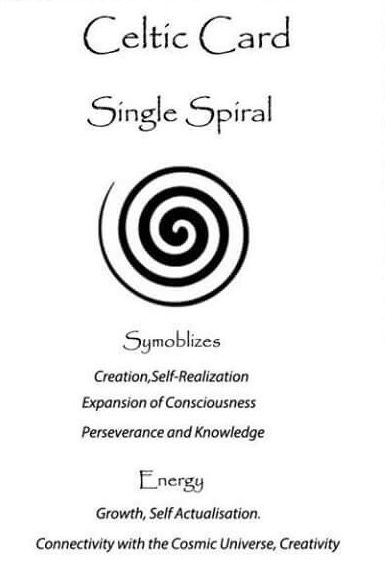
To answer people’s curiosity clearly, the tattoo is a single Celtic spiral. This is one of the most common and ancient symbols within Celtic culture. People from Ireland wear it. People from Scotland wear it. People across Great Britain wear it. It appears throughout Celtic history and across generations. There is nothing mysterious or hidden about it. It is widely used because it resonates with lived experience, cultural identity, and personal meaning, not because it signals a secret message.
The single spiral traditionally symbolizes creation, self-realization, and the expansion of consciousness. It represents growth from a central point outward, the idea that life begins within and continues to unfold as we learn, endure, and evolve. It is often associated with perseverance, knowledge, and understanding. Rather than representing attachment to another person, the spiral reflects an individual journey through life.
It is also deeply connected to creativity and energy. In Celtic symbolism, the single spiral represents creative force, personal expression, and the drive to build, imagine, and move forward. For many people, creativity isn’t limited to art alone; it’s part of how they live, work, and shape their path. The spiral reflects that ongoing process of becoming.
From my own perspective, this meaning resonates because it aligns with how Sam has spoken over the years about growth, learning, and being shaped by where he comes from, including his upbringing and the relationship he has acknowledged with his father. I’m not presenting this as a confirmed explanation or claiming insight into his private choices. It’s simply an interpretation of why this symbol makes sense on a human level, because for many people the spiral represents carrying your past with you while still moving forward.
I also want to be honest about why I care enough to write something like this. I genuinely enjoy learning about Sam as a person because he is one of the most interesting and intriguing men I’ve ever seen in the public eye. He has managed to move through Hollywood without falling into its traps, and he has done so with humility, groundedness, and a clear sense of self. That kind of character is rare.
I suppose that’s why I feel protective. People like Sam deserve peace of mind. They deserve space to live, grow, and exist without having their lives turned into fiction by strangers. They deserve the best from their fans, not people who spend their time inventing stories, pushing parasocial narratives, or treating a real human being like entertainment to dissect.
What the single spiral is not is a romantic symbol. Historically and culturally, it has never represented romantic attachment, relationships, marriage, or devotion to another person. Any attempt to turn it into that comes from modern projection, not Celtic tradition. Its meaning has always centered on life, growth, creativity, perseverance, and continuity.
This is why the symbol is so widely used. It doesn’t announce anything. It doesn’t signal a private message. It doesn’t require a dramatic backstory. It quietly reflects the journey of life itself, which is something people across Celtic cultures have connected with for centuries.
I also hope this helps put to rest some of the parasocial behavior and invented narratives that circulate among so-called fans. Real appreciation doesn’t require turning someone into a mystery to solve or a story to control. Sam is a human being, not a character under a microscope, and symbols don’t exist to fuel speculation.
Not everything needs a story invented around it. Not every detail needs to be examined until it becomes something it never was. Sometimes the most respectful thing we can do is allow something to simply be what it is.
In this case, the simplest explanation is also the most accurate. Sam has a tattoo. It is a single Celtic spiral, a symbol deeply rooted in Celtic culture and widely understood for what it represents. Anything beyond that belongs to Sam himself, should he ever choose to share it. And if he doesn’t, that should be enough.
Clarity doesn’t always come from zooming in further. Sometimes it comes from stepping back and letting things be exactly what they are.
Right now, Sam Heughan’s life is still largely shaped by work — even though some people assume that once filming ends, everything suddenly slows down. That isn’t how this industry works, and it certainly isn’t how his career works.
The final season of Outlander has already been filmed. The long days on set, the physical demands, the emotional weight of closing out a role that lasted years — that part is complete. But filming ending does not mean the work is over, nor does it create wide-open personal time.
After production wraps, there is still an extended period of responsibility tied to a project of this size: post-production involvement, promotional planning, press obligations, and the mental process of stepping away from a character that required long-term immersion. That transition alone takes time and energy. Endings aren’t instant — they’re gradual.
He has also already completed Macbeth, a project that demanded a completely different level of focus and discipline. Theatre is unforgiving. It requires months of rehearsal, strict performance schedules, vocal and physical conditioning, and total presence. Even after a run ends, recovery is necessary. That recovery isn’t leisure — it’s maintenance.
Beyond acting, his schedule remains structured by ongoing professional commitments, including physical training, travel, meetings, preparation for future work, and continued involvement with My Peak Challenge. These are not casual add-ons. They are time-consuming responsibilities that require consistency and planning.
What often gets misunderstood is the idea of “free time.” When someone like him isn’t visible, it doesn’t mean they’re idle or available. It usually means they’re protecting focus, managing recovery, or handling responsibilities privately. Quiet time is not empty time.
This is what a disciplined career actually looks like. Time is allocated carefully. Energy is managed deliberately. There is very little room for spontaneity, and even less for unnecessary distraction. Personal time exists, but it is limited — and guarded — because it has to be.
What stands out most to me in this phase is intention. There’s no rush to overexplain or overexpose. The work has been done, the commitments are still being honored, and the schedule reflects that reality.
This isn’t a life built around availability. It’s built around responsibility, preparation, and follow-through. And understanding that makes it easier to appreciate the work for what it truly costs — time, focus, and consistency, given over many years.
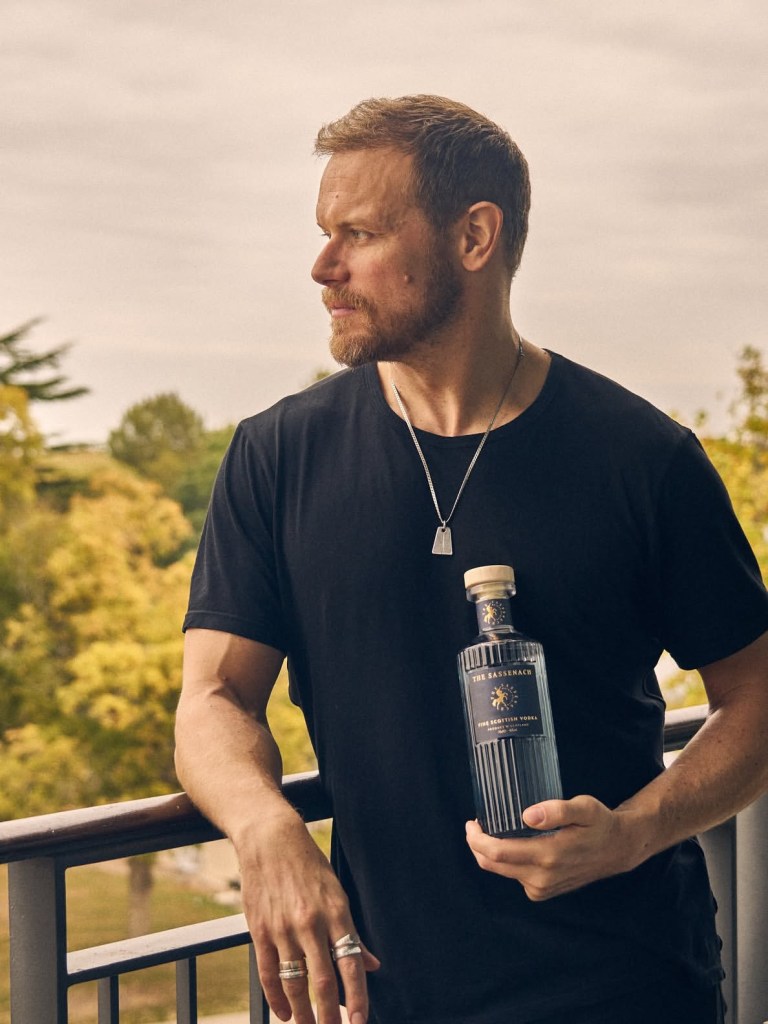
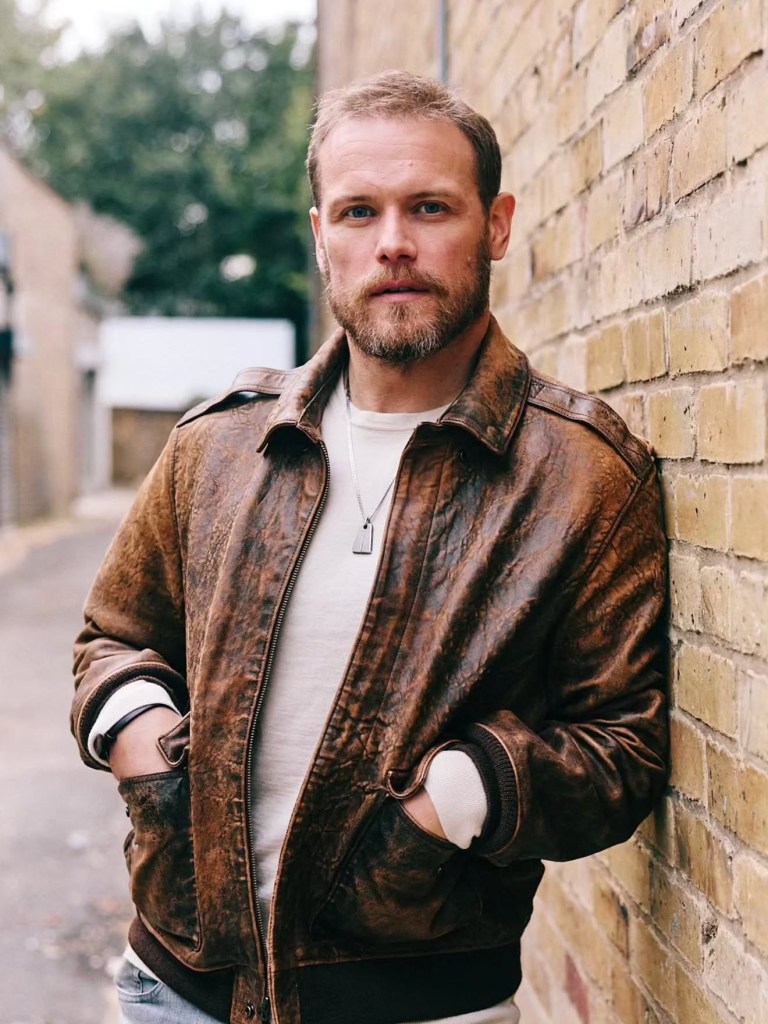
Sometimes, the smallest objects carry the deepest meaning if you truly take a moment to notice them. Sam Heughan’s necklace is one of those objects—not flashy, not performative, but quietly powerful. He hasn’t spoken about it publicly, so everything I share here comes from observation, reflection, and respect—not assumption.
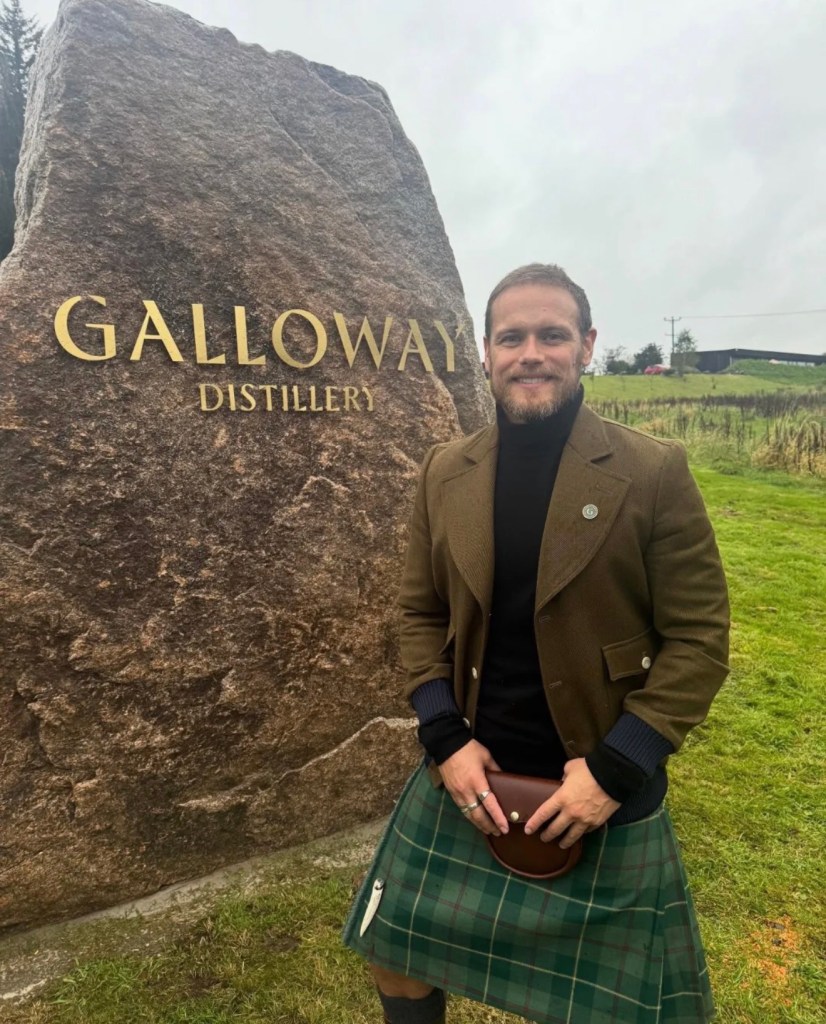
The first thing that draws me in is its shape. Many people have noticed how it mirrors the sign of the Galloway Distillery—a design steeped in tradition, history, and careful craft. That shape wasn’t created for decoration; it was functional, recognizable, and tied to the people and labor behind it. Every curve, every line carries a story of dedication, patience, and respect for craft. Seeing that shape echoed in the necklace feels, to me, like a quiet, personal connection—not just to the distillery itself, but to the generations of people who built and sustained it, and to the values embedded in that work.
Yet the necklace is about more than the distillery. It carries a sense of home, a subtle reflection of the landscapes, communities, and traditions that shaped him. At some point, I believe he had it crafted intentionally—to remind him of where he came from, where his roots lie, and what formed him. It feels like a personal anchor, something steady to hold onto, a quiet but constant reminder of beginnings, lessons learned, and the values that guide him in life and work.
If anything, this necklace is a romantic symbol—a tribute to his homeland, to the towns and regions that shaped him. Galloway and Dumfries are more than places on a map; they are landscapes of memory, communities full of history, and traditions that clearly mean a great deal. The necklace, echoing the shape of the Distillery sign, becomes a subtle ode to that connection—a way of holding home close, even when far away, and honoring the people, places, and heritage that shaped him.
I also think there’s a practical reason he sometimes tucks it in. The metal reflects light, and during interviews or photographs, that shine could distract the camera or the photographer. Keeping it tucked shows thoughtfulness, awareness, and care—even in the smallest details. It’s a reflection of the care he brings to all aspects of his life, and the respect he shows for people and situations around him.
This is one of the things I love most about Sam: he has a profoundly meaningful personality. He notices and values even the smallest things, and that matters. That’s why a necklace like this isn’t surprising—it is steady, intentional, and thoughtful, much like him. He treasures depth, significance, and connection over spectacle, and it shows in everything he does—from his work, to his relationships, to the smallest personal choices. Every element of it feels purposeful.
Looking deeper, the necklace becomes more than an object; it becomes a meditation on identity, values, and home. It reflects the lands, people, and traditions that shaped him, the care and responsibility he carries forward, and the quiet grounding he maintains despite the demands of his life. It speaks to patience, legacy, and human effort—the same qualities that seem to define him.
To me, that is what makes it so profoundly meaningful. It is a small, quiet emblem of heart, heritage, and roots. In its presence, it speaks more than words ever could: some things—like where we come from, who we are, and the lessons of our beginnings—are always carried close, steady, and true.
It’s these details that reveal the depth of his character. Thoughtful, meaningful, grounded, and intentional—even in the smallest choices. That is Sam: someone who treasures significance, values connection, and respects the craft and history behind everything he touches.
And to end this, I highly encourage people to visit Galloway and Dumfries, explore the Galloway Distillery there, walk through its landscapes, and discover its old castles. Experiencing these places gives a sense of the heritage, history, and beauty that clearly mean so much—and perhaps a deeper understanding of why a simple necklace can carry so much meaning.
To Sam, his team, and his family: if these words reach you, I hope they reflect the respect, admiration, and warmth I feel—not just for his work and achievements, but for the thoughtfulness and meaningfulness he carries quietly in everything he does. It’s a reminder that even the smallest symbols can hold profound significance, and that what we treasure tells a story about who we are, where we come from, and what truly matters.
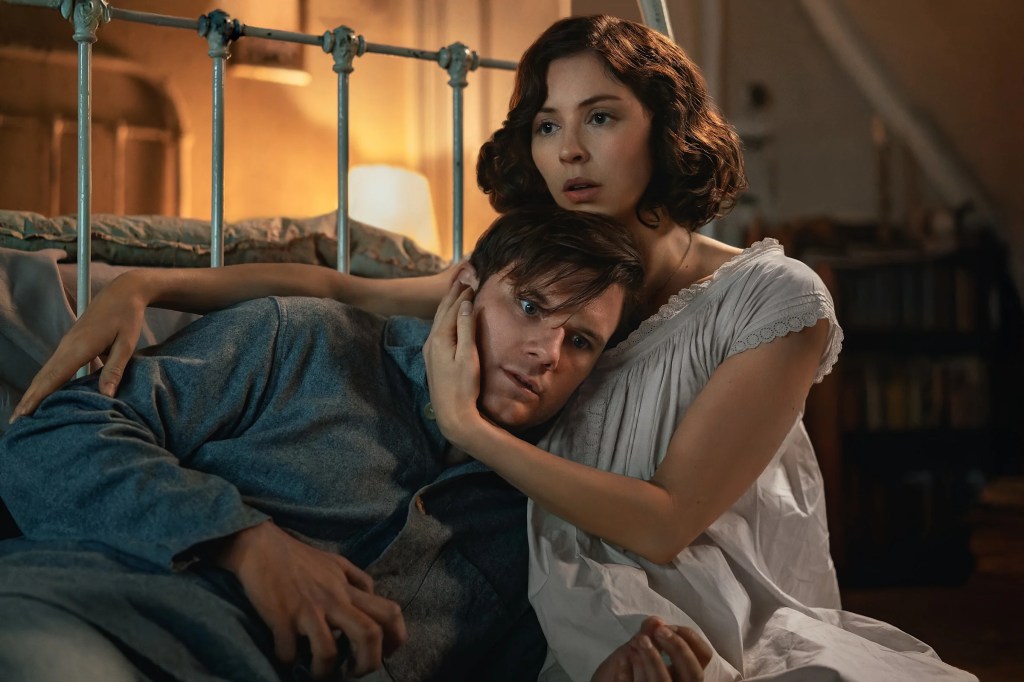
Before everything changed, before love and trauma reshaped her life, Claire was still Claire Randall.
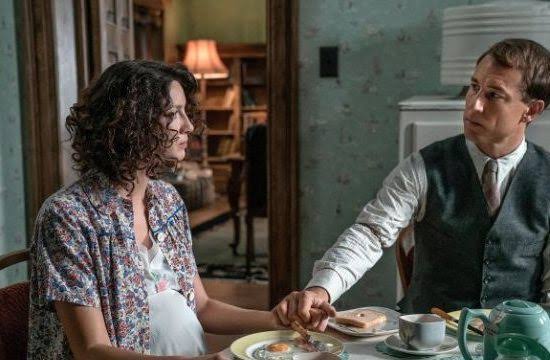
When the story begins, she’s on a second honeymoon with her husband after being separated by World War II. Their marriage didn’t feel broken to me. It didn’t feel strained in the way people later describe it. It felt like two people who had been pulled apart by circumstance and were trying — genuinely trying — to reconnect. There was structure. There was affection. There was a sense of order that made emotional sense to me.
As someone who is high-functioning autistic, I pay close attention to patterns, intentions, and cause-and-effect. At the beginning, the pattern is clear: Claire isn’t running from her marriage. She’s investing in it.
Her time travel isn’t a choice. It’s abrupt. Disorienting. Violent in its own way. One moment she’s anchored in something familiar, and the next she’s thrown into a world where survival replaces comfort. That kind of sudden disruption hits me hard as a viewer because I understand what it feels like when your sense of stability disappears without warning.
That distinction matters to me deeply.
Because everything that happens to Claire in the past happens while she is still Claire Randall. She doesn’t go looking for another life. She adapts because she has to. And adaptation is something I understand well. You don’t change because you want to — you change because staying the same would break you.
By the time she becomes Claire Fraser, the change has already happened.
One of the most disturbing parts of the story for me was Captain Black Jack Randall. Not just because of what he did, but because of how he looked. He wore Frank’s face. And as someone whose brain makes strong visual and emotional associations, I immediately understood why Claire could never separate the two cleanly again.
People often say, “But Frank didn’t do anything wrong.” And logically, that’s true. But trauma doesn’t work on logic. Once a face becomes associated with cruelty, control, and terror, your nervous system doesn’t ask for context. It reacts.
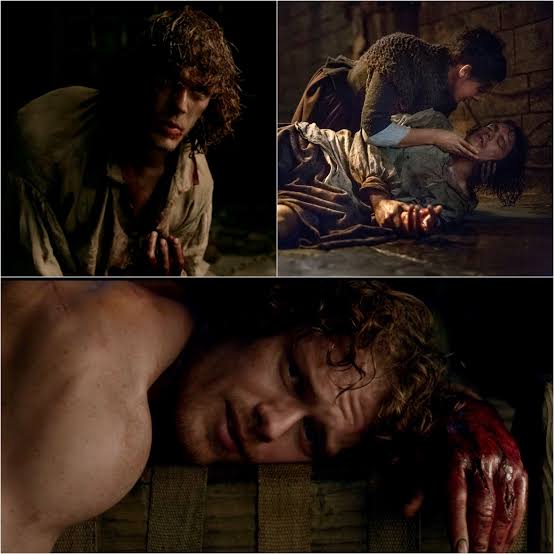
What Captain Black Jack Randall did to Jamie wasn’t just physical violence. It was methodical psychological destruction. Identity was stripped away. Autonomy was taken. And Claire didn’t just hear about it — she carried it. She held that knowledge inside her body, inside her memory, inside her sense of safety.
That kind of trauma doesn’t stay in the past. It changes how your brain categorizes the world.
Then Claire returns to her own time.
And she doesn’t return empty-handed.
She comes back pregnant — carrying Jamie’s child.
That detail matters to me more than it seems to for a lot of viewers. Because now Claire isn’t just processing trauma. She’s carrying a living, breathing connection to the man she loved, the life she lost, and the violence she witnessed. Jamie isn’t just a memory — he’s part of her future, growing inside her, even as she’s expected to resume a life that no longer fits.
As someone who experiences emotions deeply but processes them internally, I understand how overwhelming that would be. Claire isn’t just grieving. She’s holding grief, fear, love, and responsibility all at once — without a safe place to put any of it.
So when she comes back to Frank, I don’t see a woman being distant or unfair. I see a woman whose internal world has been fundamentally reorganized. She’s carrying another man’s child. She’s living with the knowledge of what was done to that child’s father — by a man who shares her husband’s face.
That is an impossible emotional equation.
This is where my perspective differs from many viewers.
I understand why people feel sorry for Frank. I can intellectually see his pain. But emotionally, my focus stays with Claire. Because I know what it’s like when your internal reality no longer matches what people expect from you on the outside.
Frank lost the version of Claire he remembered.
Claire lost her sense of safety, her innocence, the man she loved, and the life she built — all while preparing to become a mother under circumstances she never chose.
Those losses don’t weigh the same to me.
What stood out to me more as the story continued was how Frank struggled with Claire’s inability to return to who she was. From my perspective, his need for control and restoration felt less like love and more like discomfort with unpredictability — something I recognize, because unpredictability unsettles people who rely on emotional norms.
But Claire couldn’t perform normal anymore. She couldn’t mask what she’d been through.
She wasn’t being cold.
She wasn’t being ungrateful.
She was changed.
And expecting her to be otherwise would have meant denying everything she endured — including what was done to Jamie, and the child she carried back with her.
This part of the story stayed with me because it didn’t offer neat resolutions. It showed what happens when two people are separated not by lack of love, but by lived experience. One person went through something that rewired their entire internal world — and the other never could.
That feels painfully real to me.
And it changed the way I saw Frank — not as a monster, but as someone who could never fully cross the distance trauma created.
Some faces never look the same again.
Some loves don’t fail — they’re transformed beyond return.

 Deep Thinking