In a digital world where speculation spreads faster than truth, sometimes the most meaningful thing we can do is pause, think, and remember the importance of respect and boundaries.
It’s easy to get swept up in the speed of online conversations. A single moment can be captured, shared, and interpreted by thousands of people within minutes. Opinions form quickly, narratives take shape, and before long it can feel as though everyone already knows the full story.
But sometimes the most thoughtful thing we can do is slow down and ask a simple question: are we reacting to facts, or to assumptions?
That question has stayed on my mind recently, and it’s what led me to think more deeply about how we all participate in conversations online.
In today’s digital world, narratives can form incredibly quickly. A photo appears, a short clip circulates, or someone shares a secondhand story. Within hours, those pieces can spread across platforms and communities, gradually shaping a story that begins to feel like established truth.
But speed does not always equal accuracy.
The internet has created an environment where information often moves faster than reflection. Curiosity is natural—people want to understand what they see and hear. Yet sometimes the pace of online conversation leaves very little room to pause and ask a simple but important question: what is actually factual, and what is assumption?
That distinction matters more than many people realize.
Public figures—actors, artists, musicians, and others in the entertainment world—share their work with the public. Their craft is meant to be seen, discussed, and appreciated. But the existence of a public career does not remove the need for privacy or professional boundaries.
In many professional environments, especially those connected to large productions or the entertainment industry, discretion and confidentiality are simply part of how things operate. NDAs, privacy expectations, and professional trust exist to protect working relationships and the people involved in them.
When people outside of those environments see silence from professionals, it can sometimes be interpreted as confirmation that something must be happening behind the scenes.
But silence often means something much simpler.
It means people are respecting professional boundaries.
The internet, however, does not always leave room for that understanding. Online conversations tend to reward speed rather than thoughtfulness. A quick reaction, speculation, or theory can travel far before anyone pauses to question its accuracy.
Thoughtful communities grow differently. They develop through patience, curiosity, and a willingness to slow down before turning speculation into narrative.
Another perspective I often think about is a personal one.
If I were in a relationship with someone whose career placed them constantly in the public eye—whether as an actor or in any other highly visible profession—I would feel a responsibility to protect the boundaries that allow them to have a private life. Not because there would be anything to hide, but because everyone deserves a space where their life is not constantly interpreted, analyzed, or turned into speculation.
Public work belongs to the world.
Private life does not.
Rumors will always exist. Curiosity will always exist. That is simply part of human nature, especially when people admire someone’s work or presence.
But there still has to be a line.
A line between curiosity and assumption.
A line between discussion and intrusion.
A line between what is publicly shared and what remains personal.
Most importantly, the choice to share personal aspects of someone’s life should always belong to that person—not to speculation that grows online.
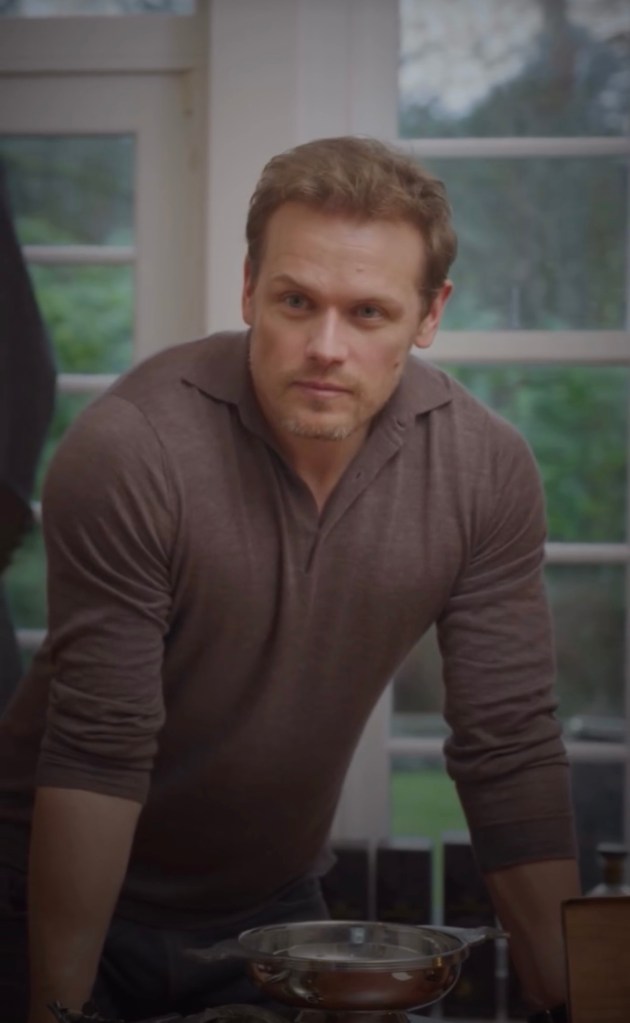
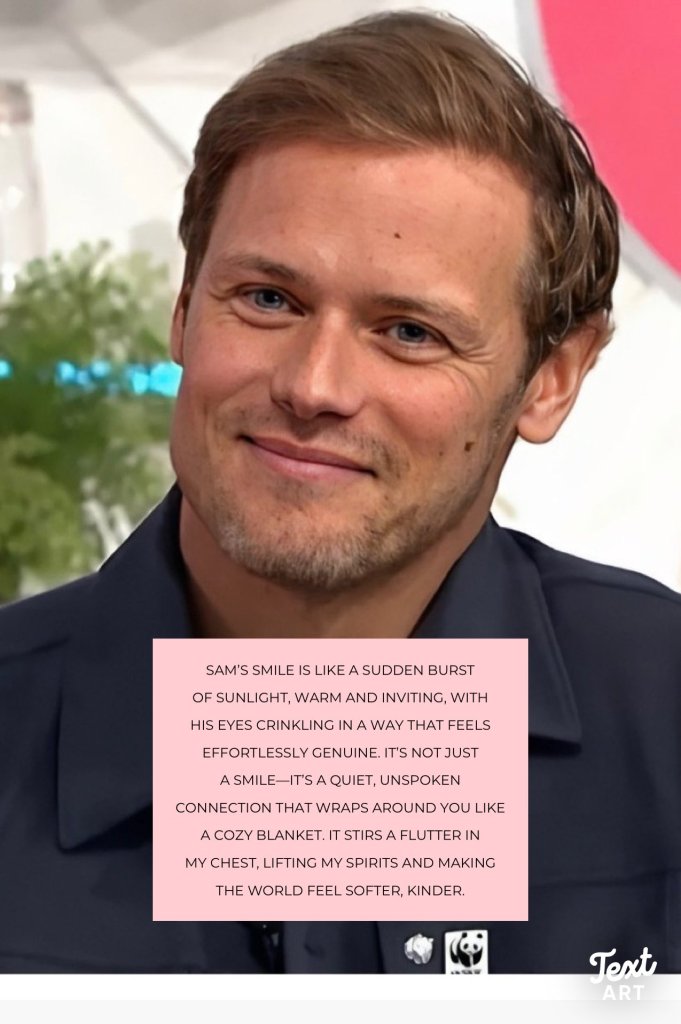
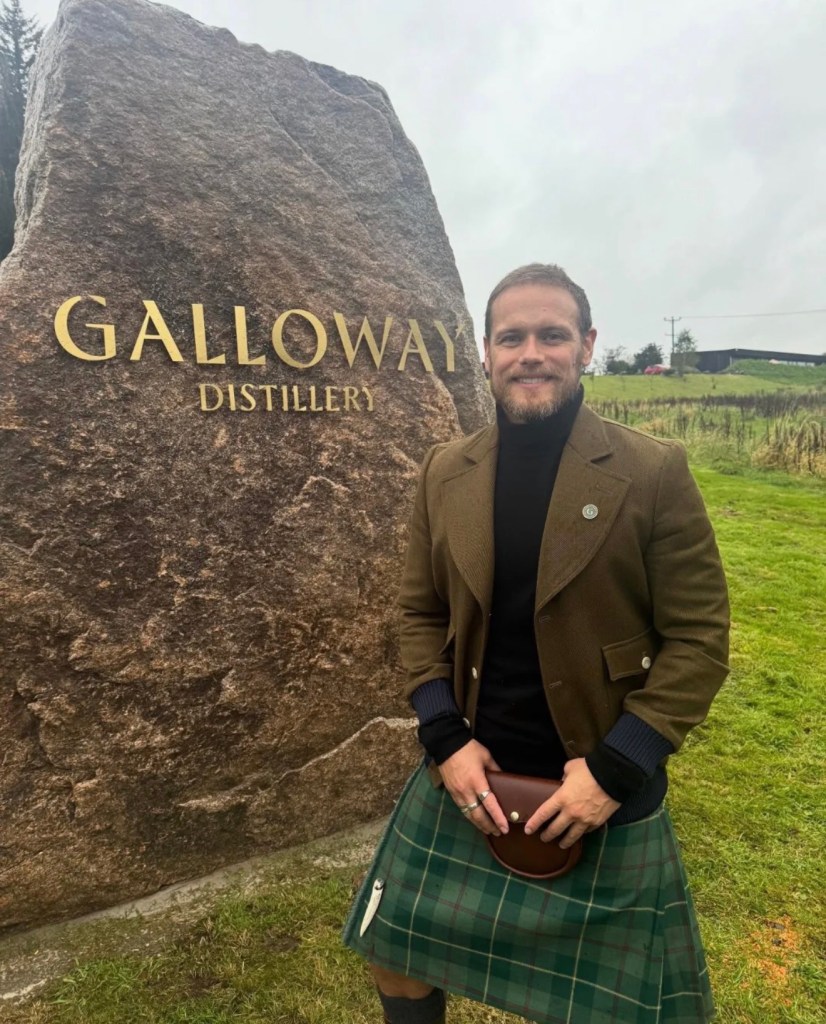
For example, when it comes to someone like Sam Heughan, I don’t simply think of myself as a fan in the usual sense of the word. I see myself more as an admirer of his craft and the dedication behind the work he shares with the world.
Admiring someone’s work, however, does not create a sense of ownership over their personal life. In fact, for me it reinforces the opposite idea—that respect for someone’s work should include respect for the boundaries that allow them to live their life beyond the roles they play on screen.
There is also another reason why I tend to think deeply about these things.
My mind is autistic, which means I naturally process patterns, details, and inconsistencies in a very analytical way. Because of that, I often notice how narratives begin to form and how easily small pieces of information can be interpreted in ways that move far beyond what is actually known.
It makes me more aware of how quickly people connect dots that may not truly belong together, and how easily speculation can begin to feel like fact.
That awareness is not about criticizing others. It simply comes from valuing truth, fairness, and clarity in the way conversations unfold.
Supporting someone’s work does not require ownership of their personal life. In many ways, the strongest form of admiration is respect—respect for the boundaries people keep, respect for their professional environment, and respect for the fact that public careers still belong to real human beings with real lives.
It is also important to recognize that people working in the entertainment industry carry responsibilities the public rarely sees. Careers are built on trust between actors, colleagues, production teams, and management. Professional discretion is not simply a formality—it is part of maintaining that trust and protecting the integrity of the work being created.
Many of us who appreciate the work people bring into the world understand this. We recognize that professionalism, confidentiality, and respect are not barriers between artists and audiences, but safeguards that allow creative work and professional relationships to exist in the first place.
There is also something important that often gets overlooked in online conversations.
Not everyone participates in speculation. Not everyone is interested in turning every moment of a public figure’s life into a narrative. There are many people who admire the work someone brings into the world while also understanding the importance of privacy, professionalism, and boundaries.
Thoughtful supporters exist, even if they are often quieter than the voices that drive rumors.
Many people understand that the entertainment industry operates within professional structures the public rarely sees. They understand that discretion matters, that confidentiality matters, and that trust between colleagues and collaborators matters.
Sometimes the internet can make it feel as though speculation represents the majority.
But that is not always the case.
There are many people who believe in something much simpler: respect, fairness, and allowing individuals the dignity of their own boundaries.
Those voices may not always be the loudest online.
But they are there.
And sometimes the most meaningful thing we can contribute to a conversation is not another assumption or reaction.
Sometimes it is simply the decision to slow the narrative down.













 Deep Thinking