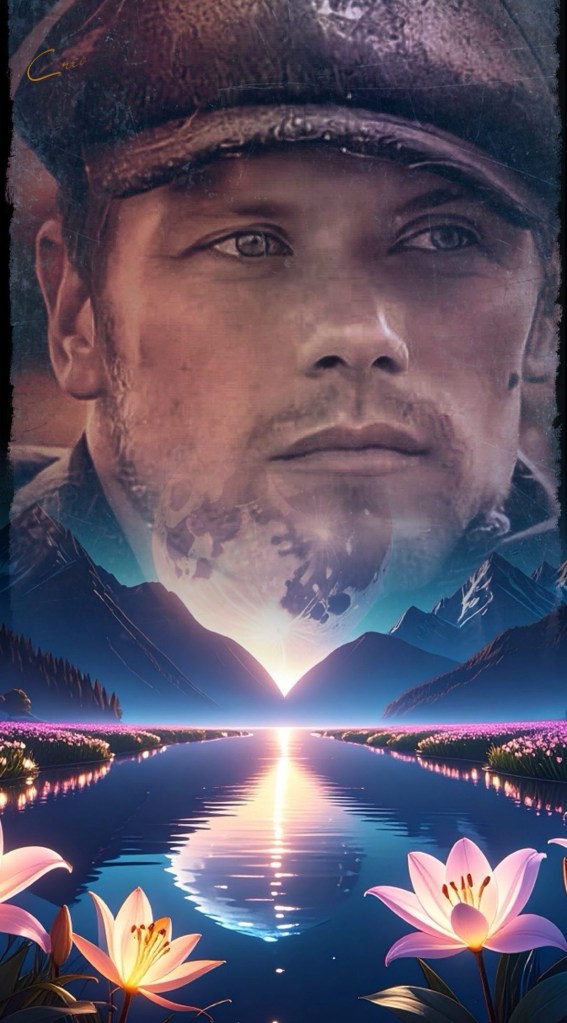
Well, let’s take a look at my work experience so far. My only job has been in retail. I started as a custodial associate at Fry’s. After that, I worked as a courtesy clerk and cashier at Safeway. Then, I became a kids’ toy, lawn, and garden associate at Walmart, and I’m currently working in that role. It’s definitely a physically demanding job, and that’s why I want to find something I enjoy, like visual storytelling, to make a living from.
I enjoy spending my free time gardening, taking photographs, hiking, and engaging in other activities. However, I sometimes feel that the places we work for expect us to live there half the time, leaving less time for our families and self-care.
I want to pursue a career as a Visual Storyteller because it’s the perfect intersection of my passions for photography, graphic design, and blogging—a path that lets me capture the world’s beauty, create with purpose, and connect with others in a way that feels deeply authentic. This career isn’t just a job; it’s a calling to weave together visuals and words to inspire, uplift, and build a community grounded in kindness and creativity. It’s about seeing the world through a lens of wonder and sharing that vision to make others feel something real.
Photography, to me, is like capturing a heartbeat. Whether it’s the delicate shimmer of a tiny frog nestled in a rose, the fleeting glow of a sunset over a quiet valley, or the unguarded smile of someone lost in a moment, photography lets me freeze time and hold onto what makes life extraordinary. It’s not just about technical skill—though I love mastering my camera and editing tools like Lightroom—it’s about noticing the small, fleeting details that others might overlook. As a Visual Storyteller, I want my photographs to evoke emotion, to remind people of the beauty in the everyday, and to spark a sense of connection to the world around them.
Graphic design is where my imagination takes flight. It’s the thrill of transforming an idea into a visual that pops—a logo that captures a brand’s soul, a social media post that stops someone mid-scroll, or a poster that tells a story at a glance. I’m drawn to the challenge of blending colors, typography, and textures in tools like Adobe Illustrator or Canva to create something that’s both beautiful and meaningful. It’s hard work, requiring precision and endless tweaking, but that process feels like a puzzle I was born to solve. As a Visual Storyteller, design is my way of giving ideas a voice, making the intangible feel vivid and alive.
Blogging is the thread that ties my creativity together, letting me share my heart and mind with the world. It’s where I can write about the story behind a photoshoot, the inspiration for a design, or a moment in nature that left me in awe—like the way a single leaf can hold a universe of patterns. Blogging isn’t just about words; it’s about building a space where people feel seen and inspired. I want to share tips, stories, and reflections that resonate with others who crave authenticity, whether they’re creatives, dreamers, or just people who love beauty as much as I do. As a Visual Storyteller, my blog will be a canvas for connection, a place to foster a community that values kindness, creativity, and the courage to chase what sets your soul on fire.
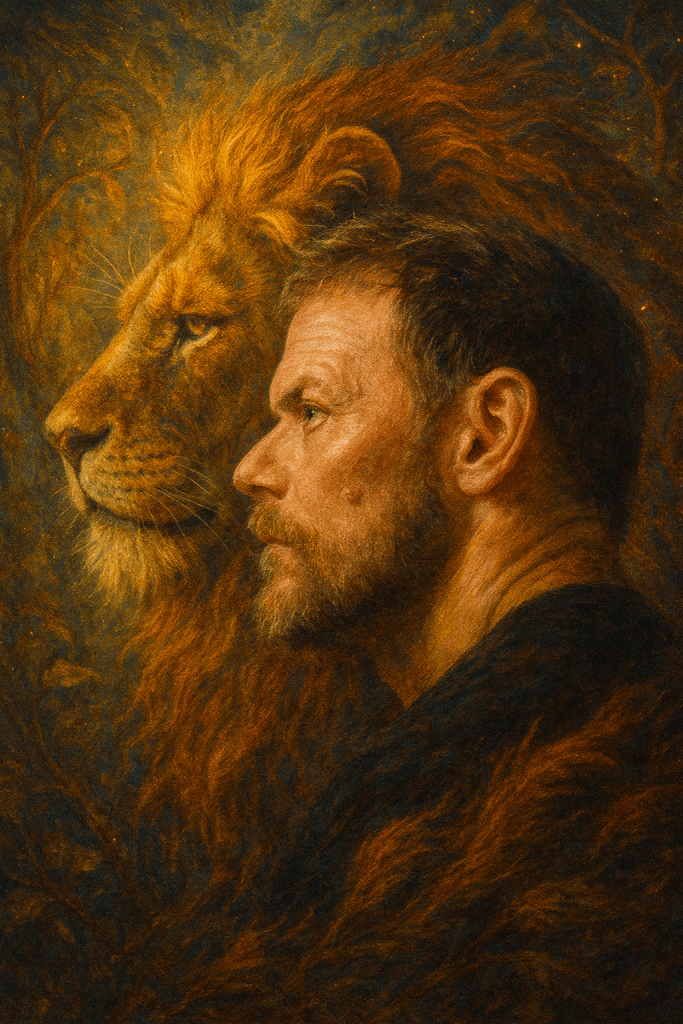
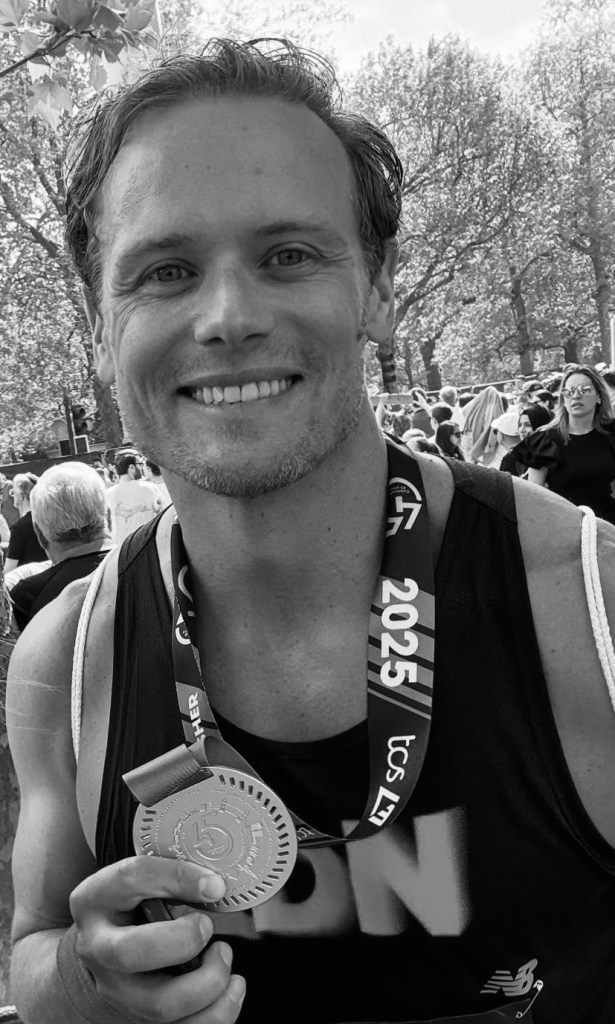
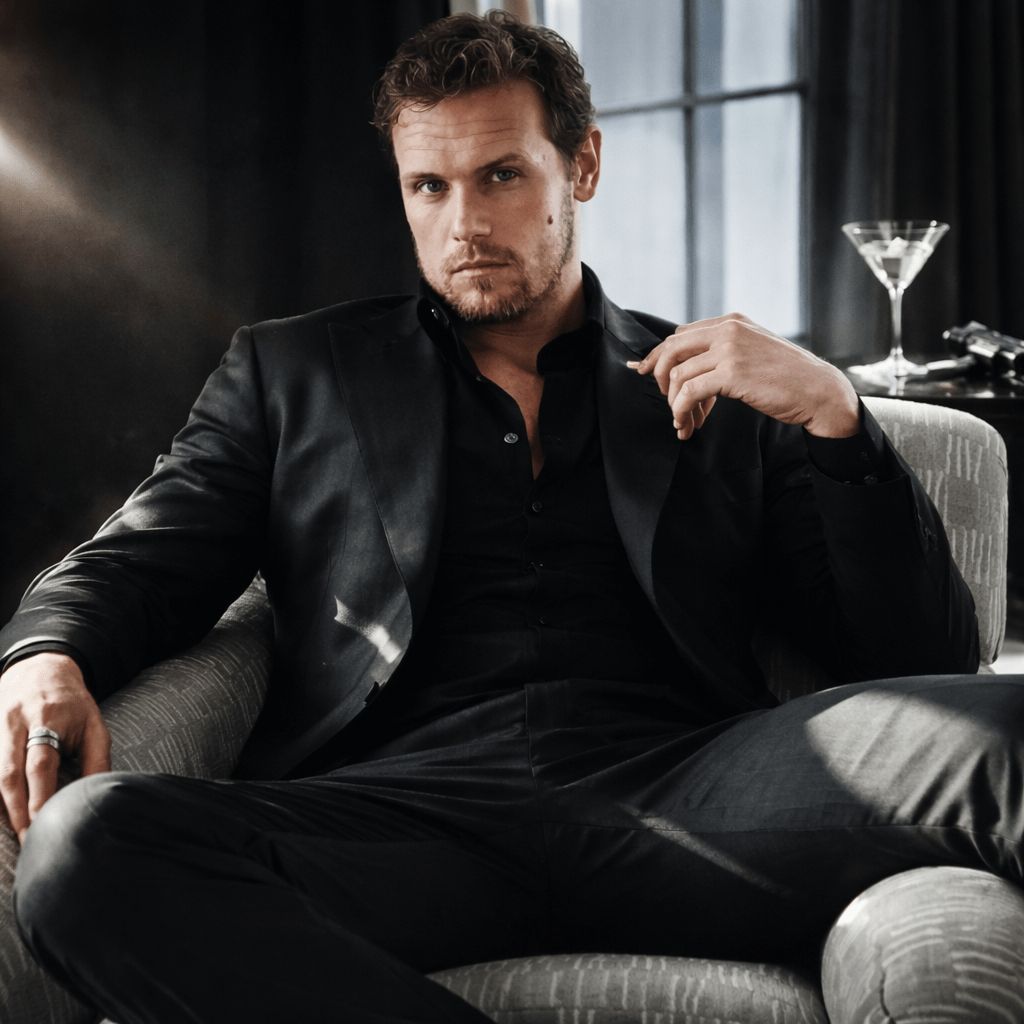
This career speaks to me because it demands both heart and hustle, qualities I admire in myself and others. It’s not about chasing glamour—it’s about the grit of learning new editing techniques at midnight, the patience of revising a design until it’s just right, or the vulnerability of sharing a personal story on my blog. I’m inspired by people like Sam Heughan, who pour authenticity and hard work into their craft, and I want to bring that same dedication to my work. As a Visual Storyteller, I see a future where my photos, designs, and words create a ripple effect—encouraging others to notice the beauty around them, to create with intention, and to connect with kindness.
Ultimately, I want to build a career that’s a reflection of who I am: someone who finds joy in the small moments, who believes in the power of creativity to uplift, and who wants to leave the world a little brighter. As a Visual Storyteller, I’ll weave together photography, graphic design, and blogging to tell stories that matter—to me, to my audience, and to the world.
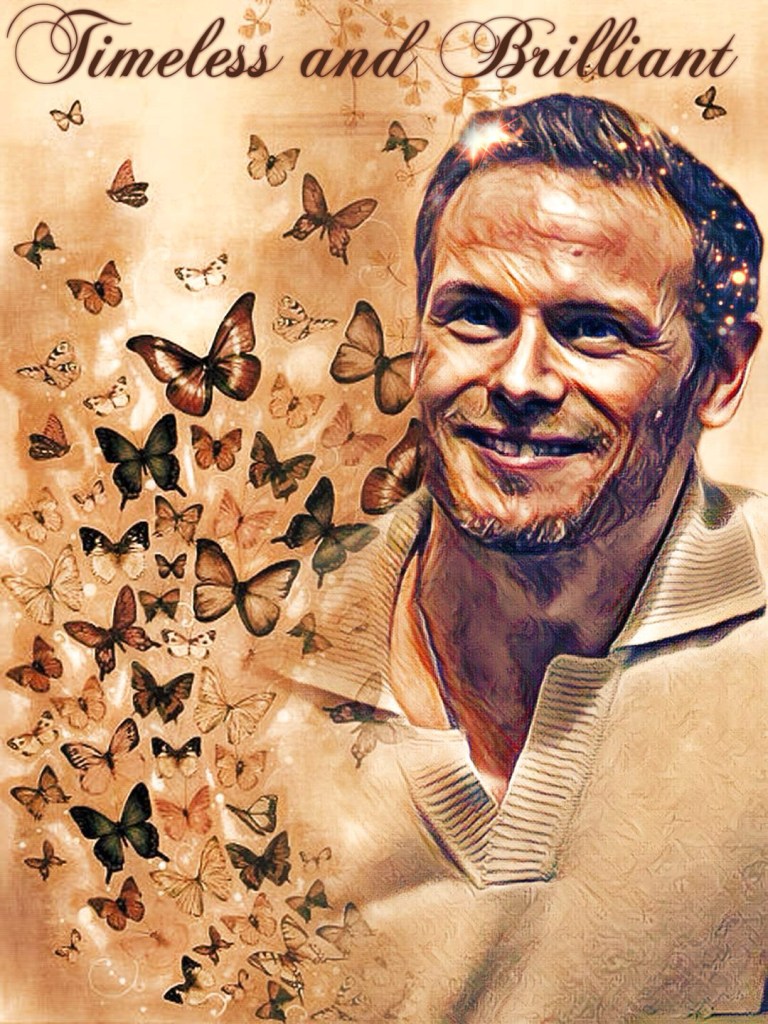
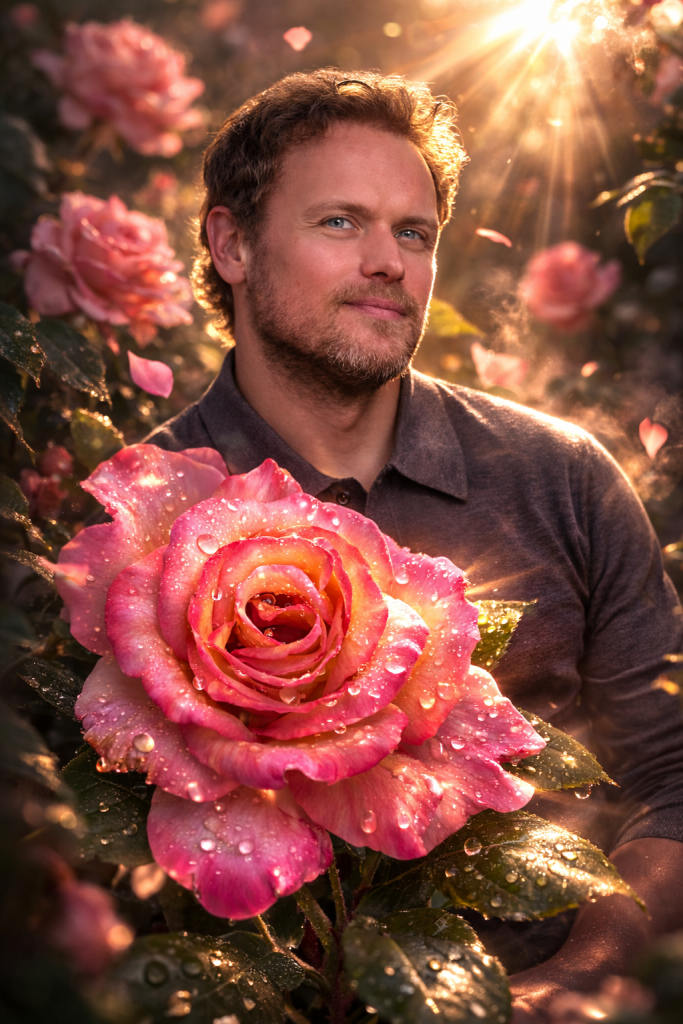
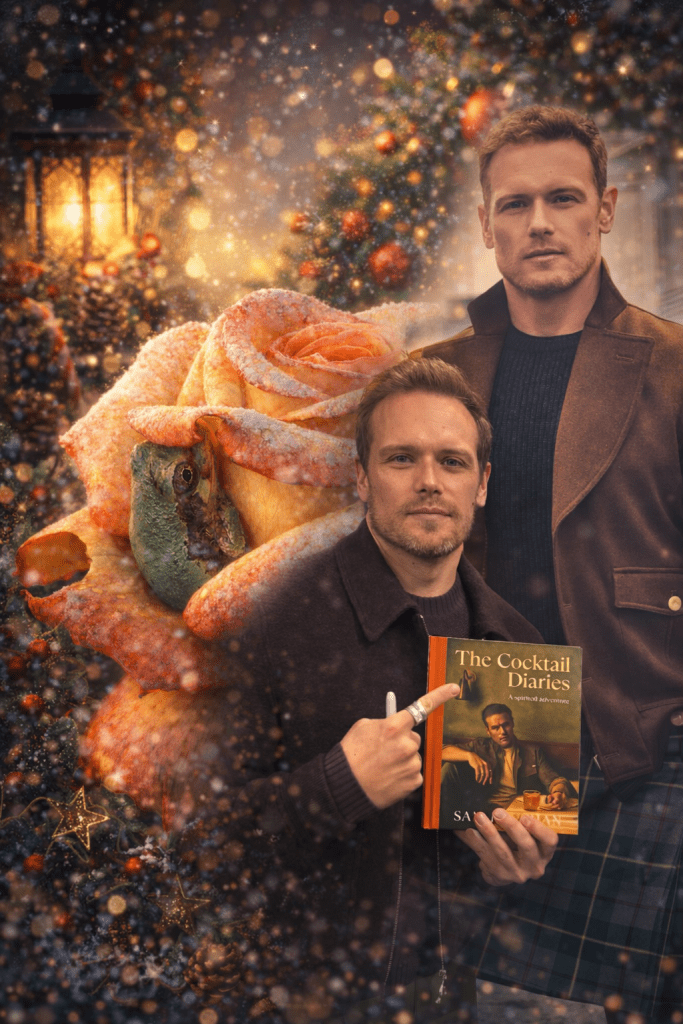
If I had one gift to give to someone like Sam Heughan, it would be two framed photos I took of a whimsical frog peeking out from behind a delicate rose petal and even a side shot of him doing that. This image captures a moment of unexpected beauty, where nature’s charm reveals itself in the most delightful way.
The frog, with its curious gaze, embodies the importance of finding joy in life’s small wonders. Just like this little creature nestled among the petals, we can discover magic in the simplest moments, even when life feels heavy. The rose, with its soft colors and intricate layers, symbolizes resilience—the beauty that can emerge from our struggles, much like the journeys we all face.
Sam’s own whimsical nature resonates deeply with this photo. He has a unique gift for bringing joy and lightness to his roles, often portraying characters that inspire us to embrace our quirks and find laughter in the everyday. His playful spirit reminds me that life isn’t just about the grand moments; it’s about appreciating the delightful surprises that come our way, no matter how small.
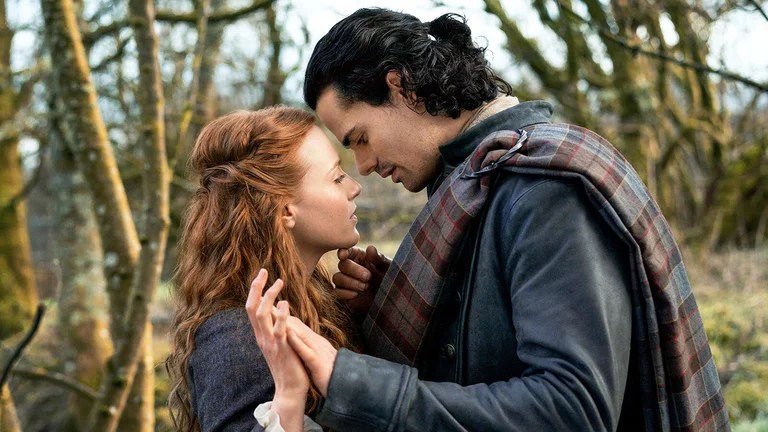
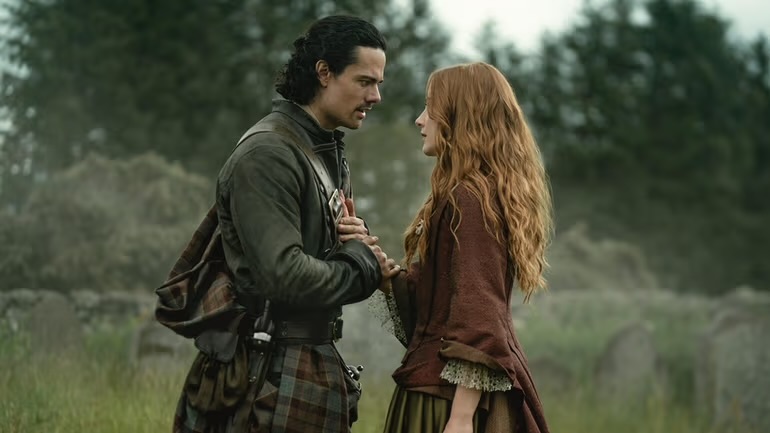
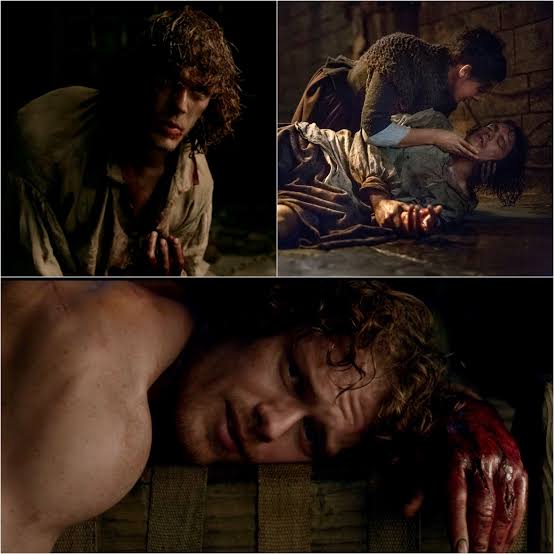
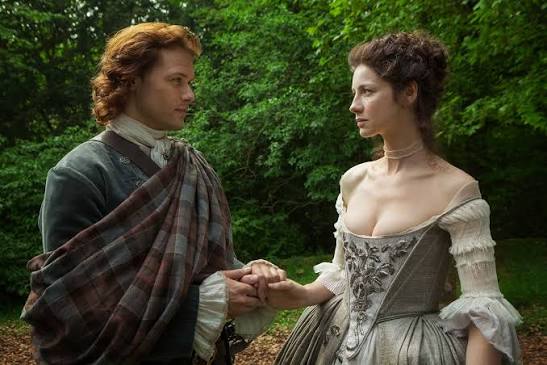
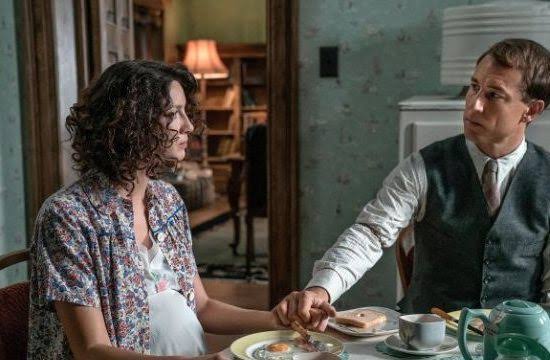
In Outlander, even amidst the trials and tribulations that Jamie Fraser endures, there are always comforting moments that shine through. One of the most touching and emotional scenes for me is when Jamie keeps track of Claire’s courses and becomes emotional about a part of him remaining with her as he feels her stomach. I remember bursting into tears during that moment, feeling the depth of his love and commitment. It made me reflect on my own heart and soul, asking when I might find someone who loves me with that same intensity and devotion. Even now, just thinking about it brings tears to my eyes, and I can’t help but feel how impressionable I am as a 40-year-old woman navigating life as someone on the high functioning end of the autism spectrum disorder.
As a fan, I often find it difficult to attend Sam’s events or meet him in person, especially with the way my life has been lately. The challenges I face make it hard to carve out that time or budget for such experiences. Yet, I hold onto the hope that this whimsical frog, sneaking a look of contentment, might somehow reach him.
I don’t fully understand why Sam inspires me so much and fills me with joy, but perhaps it’s a reminder from God to focus on the things I’ve forgotten about. The story of Outlander holds so much meaning for me; it feels tangible and real, resonating with my own experiences and emotions. It reminds me of the power of love, resilience, and connection. Outlander will never fade away as long as we keep the love story alive with each other. But I constantly am always wanting to find ways to appreciate Sam for who he is and not just as an actor….my heart just has this thing of want someone especially him to know that someone see’s him truly. I also enjoy sharing my feeling and thoughts with those who adore this beautiful ray of Sunshine as well.
This photo serves as a gentle reminder to pause, appreciate, and find delight in the hidden gems around us. It reflects the spirit of creativity and wonder that Sam embodies in his work, inspiring others to seek out their own moments of whimsy and joy. This gift would not just be a piece of art; it would be a heartfelt invitation to cherish life’s fleeting, beautiful moments—much like the joy Sam brings to his fans and the characters he portrays.
In sharing this with him, I hope to convey that even in the midst of life’s chaos, there is always beauty to be found. Often, it’s in the simplest things that we discover the most profound joy, and I believe that’s a message worth sharing. I hope somehow he gets this special gift somewhere.
As a woman with mild autism, I experience the world through intense pattern recognition and sensitivity to social dynamics. Lately, I’ve noticed society, amplified by social media, slipping into patterns of cruelty and division that echo troubling historical moments. The way people treat each other feels like a step backward, and here’s why.
Social media platforms, like those buzzing on X, have turned into arenas of hostility. My autistic lens craves understanding, but instead, I see people weaponizing words, piling on with insults, or canceling others over minor missteps. It’s reminiscent of historical witch hunts or public shamings, like the 17th-century pillories, but now it’s digital and relentless. Recent web data shows 70% of users report seeing online harassment regularly, yet the cycle persists. Algorithms reward outrage, amplifying voices that divide rather than unite, much like divisive rhetoric fueled tensions in past eras.
Offline, the trend continues. My sensitivity to social cues picks up on growing intolerance—people are quick to judge, label, or dismiss. Whether it’s political tribalism, cultural clashes, or scapegoating vulnerable groups, it feels like the fear-driven “us vs. them” mentality of times like the Red Scares or pre-war xenophobia. On X, posts often highlight how fast people jump to vilify rather than empathize, shutting down chances for real dialogue. This isn’t progress; it’s a return to when division trumped compassion.
Even casual interactions feel colder. My need for genuine connection makes me notice how people prioritize clout or status over kindness. Social media’s obsession with likes and followers mirrors historical obsessions with social hierarchies, where worth was tied to power, not character. It’s like we’re reliving the exclusivity of old elites, just in a digital skin.
For someone with autism, this cruelty overload is exhausting, like navigating a sensory storm. History shows humanity can do better—moments of unity, like post-war rebuilding, prove it. Social media could foster empathy if we used it to listen, not attack. Let’s break this cycle before it pulls us further back.
“I’m in my early 40s now, and I often find myself dreaming about settling down with someone who’s just as down-to-earth as I am. I’ve always been pretty patient, even with all the curveballs life has thrown my way. But these past few years? They’ve been a real test. I was with a guy for three years before we tied the knot, and we stayed married for eight. We moved to Ohio, but somewhere along the line, we just lost our connection, and I found myself in a marriage where love was missing. Before all that, I lost my dad in a horrible car accident, which broke my heart in ways I can’t even describe. And then, I had to part with one of my dogs because no one listened when I said he needed a fenced yard. He got into a scuffle with a neighbor’s dog, though thankfully, the neighbor was kind about it, understanding it was an accident.
After my marriage ended, I had to start over quicker than I’d planned. With a job in retail and the economy being what it is, I knew I’d have a hard time. I tried to explain this to my ex-mother-in-law, but she went ahead and bought a house for me to rent from her without asking if it was what I wanted. I was grateful for her help, but it also left me feeling pretty alone and misunderstood.
Before all that, I fell for a scam that took away money I’d worked hard for, landing me in debt. My uncle was there for me, helping me file for bankruptcy under
. I still kick myself for being so naive, but I guess I was just desperate for some support. There’s this deep longing inside me to find someone who loves me for who I am, who wants to build a life and maybe a family with me. I’ve had people tell me I should lose weight, and there’s even been worry that any kids I might have could inherit autism.
I’m not perfect, far from it, and I’ve made plenty of mistakes. But through it all, I’ve learned how vital it is to be genuine, honest, and open. When you meet someone, there should be this deep connection, an understanding, and a bond that goes beyond words.
I’m not usually one to spill my guts like this, but I think it’s important for people to know we’re all human, we all screw up. Sharing our stories, whether face-to-face or online, helps us connect, and reminds us we’re not each other’s enemies.
My hope now is that when I move to California to be near my family, I’ll meet that one guy who captures not just my heart but my soul and mind too. I want someone who’ll sweep me off my feet like the wind, someone I can protect as much as he protects me. I crave the simplicity of life with him, the quiet moments untouched by the world’s chaos. I yearn for those deep, meaningful conversations that I feel I can’t live without. I might be old-fashioned at heart, even if I’m pretty good with tech. I just hope that man out there isn’t too scared to find me, even when I’m not looking.”
As an autistic woman, love feels like a vivid, intricate tapestry—beautiful, overwhelming, and sometimes hard to unravel. For me, it’s not just an emotion; it’s a sensory experience, a rhythm that can either ground me or throw me off balance. Being autistic shapes how I give and receive love in ways that don’t always align with what people expect. My brain processes everything deeply—every touch, every word, every quiet moment—so love isn’t just a feeling, it’s a full-body immersion. Sometimes that intensity is a gift, letting me connect with someone in a way that feels almost cosmic. Other times, it’s a challenge, because the world’s unspoken rules about love can feel like a language I’m still learning to speak.
I’m extremely patient and easygoing, even when life throws lemons at me—and trust me, it’s tossed plenty. That patience isn’t something I had to force; it’s just part of who I am. Maybe it’s the autism, giving me this ability to sit with discomfort and not let it derail me, or maybe it’s the way I’ve learned to adapt to a world that doesn’t always make space for me. Though I’ve adapted to changes in my life, some of it was hard to swallow and hard to understand—especially when I was married for eight years and my spouse never once told me he loved me, even as I poured those words out to him. That silence was a lemon I couldn’t sweeten, no matter how patient I tried to be. I’d say “I love you,” hoping it would spark something, anything—a mirror to my own heart. But the absence of those words felt like a void, a rejection I couldn’t decode. As an autistic person, I crave clarity, and that lack of reciprocation left me spinning, questioning if love was even there.
Unlike some autistic folks, I don’t have sensory issues with touch—just when things get fast. I love the warmth of a hug, the weight of a hand in mine, the quiet intimacy of closeness. It’s soothing, grounding, a way to feel tethered to someone I care about. But when the pace picks up—when emotions or actions come rushing at me like a tidal wave—it’s too much. I enjoy being able to process things at my own pace, to let love unfold slowly, like a flower I can study petal by petal. That’s when touch feels safe and meaningful; I can savor it, let it sink in without my senses scrambling to keep up. In that marriage, the silence wasn’t just about words—it was the speed of disconnection, the way things moved too fast or not at all, leaving me no room to breathe or understand.
That’s why love languages mean so much to me. They’re like a map, a way to navigate the chaos and communicate what I need—and what I want to give—without getting lost in translation. Words of affirmation, especially, are a lifeline; hearing “I love you” or “I’m here” in clear, direct terms cuts through the noise in my head and anchors me. In those eight years, I didn’t get those words, and it left a hole—one I didn’t even know how to name until I learned how much they mattered. Acts of service or quality time, though, can speak just as loudly when they’re deliberate and steady, giving me the space to process them my way. I don’t need love to be flashy or rushed—I need it to match my rhythm, to let me catch my breath and feel it fully.
As a woman, there’s this added layer—society often expects me to be nurturing or intuitive in ways that don’t always come naturally. I might not pick up on subtle hints or flirt in the “typical” way, but my love is fierce and deliberate. I bring that same patience and ease to relationships, letting things grow at their own pace, not forcing what doesn’t fit—even when it’s taken years to understand why some things never did. I adapted to that marriage and kept loving through the silence because I could handle the slow burn of uncertainty. But I thrive when love meets me where I am when it’s steady enough for me to process and deep enough to feel real.
Love languages give me a structure to express that, to say “This is how I love you” without having to mask who I am. They let my partner see me—not just the autistic me or the woman me, but the whole, messy, authentic me who can laugh off life’s lemons while still feeling their sting, who can adapt to silence but blooms when given space to process at my own pace. And when someone speaks my love language back—whether it’s a quiet “I love you,” a gentle touch that lingers just right, or a moment of undivided time—it’s like they’re saying, “I see you, and I’m choosing to meet you where you are.” After eight years of missing that, I know now it’s not just a want—it’s a need. That’s everything.
How do significant life events or the passage of time influence your perspective on life?
Life’s major events and the slow march of time have deeply influenced my worldview. Each experience, whether it’s a personal milestone or a collective societal shift, has added layers to my understanding of life’s tapestry.
I’ve come to see the world through a lens of optimism, where the beauty in simplicity stands out against the backdrop of our often chaotic lives. Moments of quiet, like a walk at dusk or the sight of a rose in a town square, have become profound teachers, showing me the value of hope and introspection. These experiences make me advocate for conversations filled with grace and understanding, much like the delicate exchange between poets, rather than the harshness of confrontation.
As years have passed, I’ve learned the art of patience. The urgency to react or judge quickly has faded, replaced by a desire to understand the broader picture and the intricate details of human experiences. Time has taught me that growth and change are not immediate but are processes that require reflection, empathy, and sometimes, the courage to stand still amidst the rush.
This perspective also highlights the resilience of the human spirit. I see now that even in division or adversity, there’s an underlying strength in individuals and communities that can lead to unity and progress. It’s this belief in the potential for goodness and the power of time to heal and teach that guides my interactions and my outlook on life.
In essence, I’ve learned to navigate life with a blend of optimism, patience, and a deep appreciation for the journey itself, understanding that every moment, significant or fleeting, contributes to who we are and who we might become.
Having a keen sense of character has always been one of my strengths, allowing me to navigate personal and professional relationships with insight and foresight. I define this skill as the ability to accurately assess people’s motivations and predict their behavior, often within a short period of meeting them. I rely on a combination of intuition and careful observation, paying attention to subtle cues like body language and consistency in actions. And I always try to have a keen sense of someone’s character and their authenticity, which helps me build trustworthy relationships and avoid potential pitfalls. However, when it comes to online connections, it’s always very tricky because people can present themselves in ways that may not be genuine. They might tell you things that aren’t true, and you might believe them, or they may portray themselves as someone they’re not. As Chris Pine would say, social media is a double-edged sword; there are many pros and cons to online connections. I continue to refine my ability to judge character by learning from each interaction, both in person and online. Overall, being a good judge of character has been invaluable in ensuring that I surround myself with genuine and reliable individuals.
In the age of social media and instant news, it’s easy to get caught up in the whirlwind of celebrity gossip and speculation. One actor who has consistently maintained a dignified stance on this issue is Chris Pine. Known for his roles in blockbuster films like “Star Trek” and “Wonder Woman,” Pine has often found himself in the spotlight—not just for his work, but also for his personal life.
Chris Pine has always been a private individual, choosing to keep his personal life away from the prying eyes of the media as much as possible. In various interviews, he has expressed his views on rumors and speculations, emphasizing the importance of privacy and respect.
Respecting Boundaries:
Chris Pine has often highlighted the need for respecting personal boundaries. He believes that while public figures do have a certain level of exposure due to their work, it doesn’t mean every aspect of their lives should be open for public consumption. Pine has urged fans and media alike to focus on his professional achievements rather than his personal affairs.
The Impact of Rumors:
Pine has spoken about the potential harm that rumors and false speculations can cause. Not only can they affect the individuals involved, but they can also impact their families and loved ones. By spreading unverified information, we contribute to a culture that prioritizes sensationalism over truth.
Focusing on the Work:
Chris Pine has always been passionate about his craft. He encourages fans to engage with his work and the stories he helps bring to life. By shifting the focus from his personal life to his professional endeavors, Pine hopes to inspire others to appreciate the art of filmmaking and storytelling.
A Call for Empathy:
Ultimately, Chris Pine’s message is one of empathy and understanding. He reminds us that celebrities are human beings with feelings and rights to privacy. By approaching rumors with skepticism and choosing not to engage in speculation, we can foster a more respectful and considerate environment.
As fans and consumers of media, it’s important to remember Chris Pine’s perspective on rumors and speculations. Let’s choose to celebrate his work and respect his privacy, setting an example for how we engage with all public figures. After all, everyone deserves the right to a private life, free from unnecessary scrutiny.
I feel like with the recent photos of him and that one girl which is a known fact that they have not been consistent with being out with each other unless it’s a special function or a Italy thing……that until Chris Pine verbalizes himself or his management team ….. that girl is not his girlfriend.
Chris Pine, collaborates with a lot of people socially and professionally and it’s not uncommon for him to be in photos with a female associate. Beware gossip outlets do create different narratives of how they met.. and what they think they know about their lives. Bear in mind that if he does maintain a private relationship no one knows about with somebody and they see stuff like this it could put a strain on that relationship.
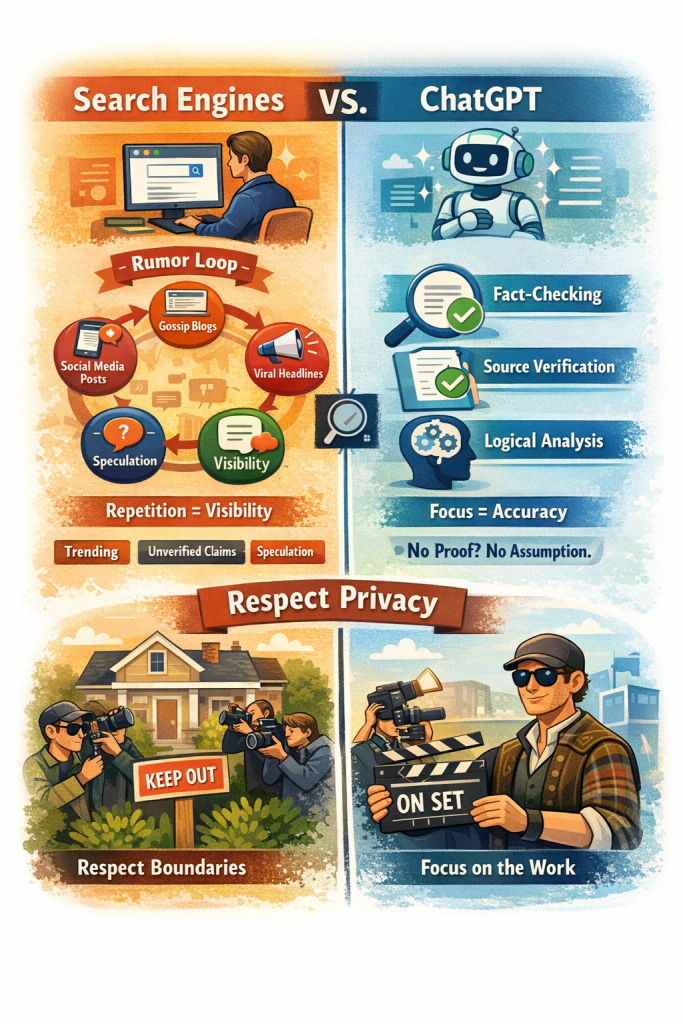
Never take stock into what gossip media and even social media says because they want to feed the audience their craves. As a fan of Chris Pine, I’m more focused about his work than his private life and I’m not interested in people who try to think they know about his personal life because of unverified information. stay away from gossip and stay away from rumors and you’ll be OK. Above all else value his privacy as well as any other celebrities privacy.
Actors also have been known to do showmances to create a buzz.I did a lot of research and just like in a movie or photo….they can still do a narrative to keep the actor relevant and in the public eye for upcoming projects or boost their public image.
No, it’s not an obsession I have with the actor….. but when it comes to Internet and propaganda, people should always do their research and use logic and common sense. we get so much unverified information that people will just believe anything that is posted and such.
Social media can be a useful tool for individuals with autism to improve their communication skills in several ways:
Online social platforms provide a more comfortable environment: For individuals with autism who may struggle with face-to-face communication, social media platforms offer a less intimidating way to interact with others. The ability to communicate from the comfort of their own space can help reduce anxiety and encourage more frequent and meaningful interactions.
Visual supports and cues: Many social media platforms allow users to share images, videos, and other visual content. For individuals with autism who may rely on visual supports and cues to enhance their understanding and communication, these features can be highly beneficial. Visual content can help convey messages more effectively and facilitate better comprehension.
Written communication: Social media platforms primarily rely on written communication, which can be advantageous for individuals with autism who may struggle with verbal communication. The ability to express thoughts, feelings, and ideas through writing can help improve their overall communication skills.
Online communities and support groups: Social media platforms provide opportunities for individuals with autism to connect with others who share similar experiences. Joining online communities and support groups dedicated to autism can help individuals build social connections, share experiences, and learn from one another. This sense of belonging and support can positively impact their communication skills and overall well-being.
Practice and learning opportunities: Social media offers a wide range of communication experiences, such as engaging in conversations, sharing opinions, and participating in group discussions. These platforms can serve as a practice ground for individuals with autism to refine their communication skills in a safe and controlled environment. They can learn social norms, etiquette, and appropriate ways to engage with others through these interactions.
It’s important to note that while social media can provide benefits for individuals with autism, it should be used in conjunction with other forms of communication support and guidance from professionals, caregivers, and educators.As well as it should be used in moderation meaning you don’t want the individuals be online a long time.Which is what personal interactions with others can be a good ally with social media being used for some purposes.But many out there don’t understand that sometimes a bit of both worlds can be beneficial to some who need them both.
For example I am a high functioning autistic adult and though I like talking on the phone I don’t like talking much on it either for long because of the stimulation.it can be hard carry a conversation when there is a possibility of getting overloaded.usually it’s why I like texting better half the time.
I can run a cash register but again I can be on it for a hour at the most maybe two because there so much going on it can easily cause me to overload at some point.So having best of both worlds is not a bad thing.But those who don’t have a neurodivergent mind may not always understand the needs for social media for some on the spectrum or other disabilities and that’s because not every mind can process the same way and handle stimulating things the same way.some need visual aid as well.