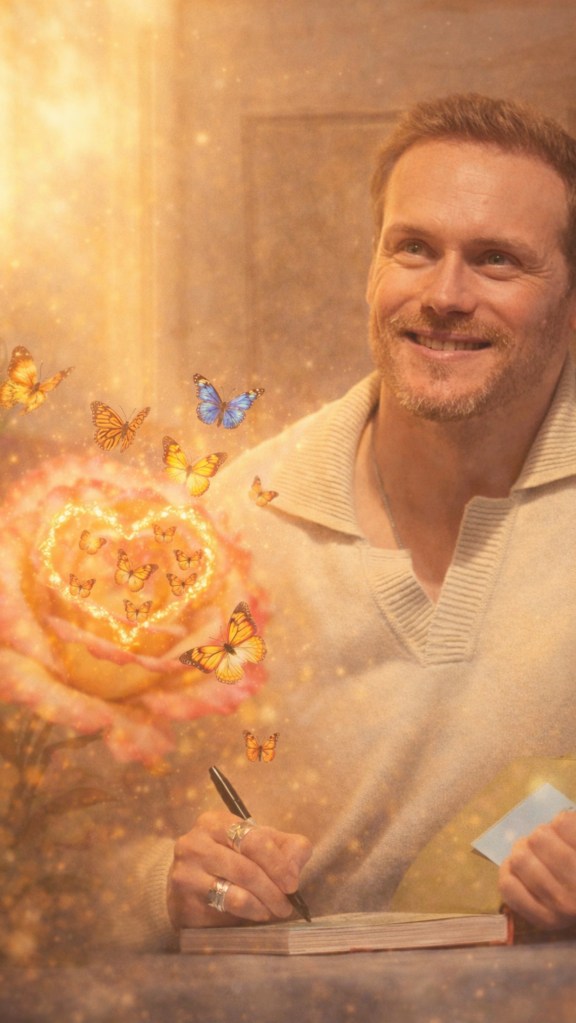
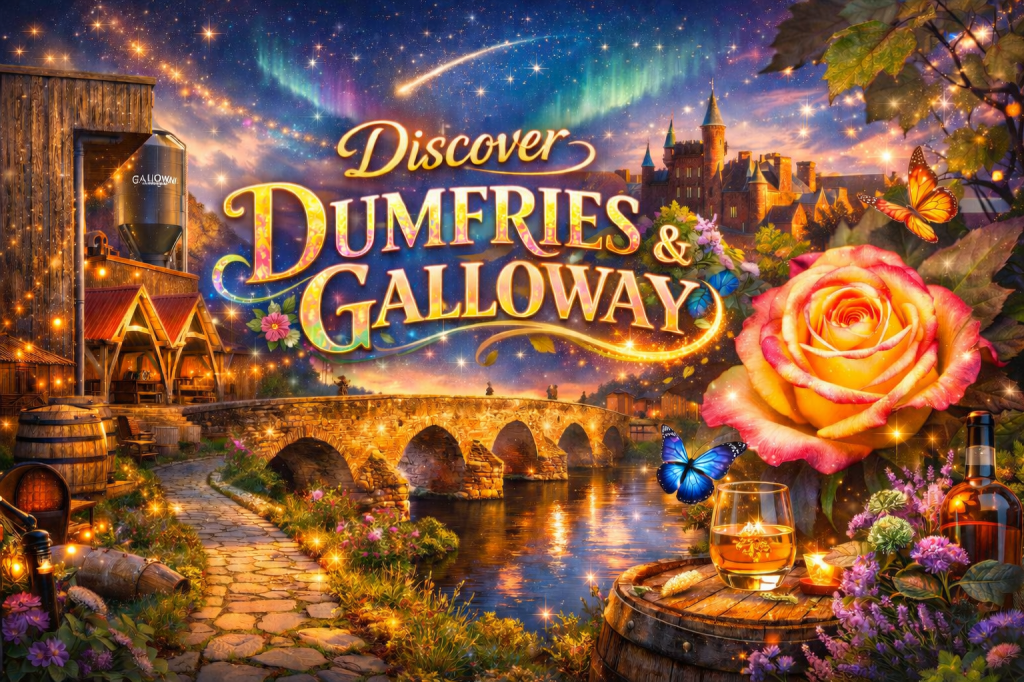
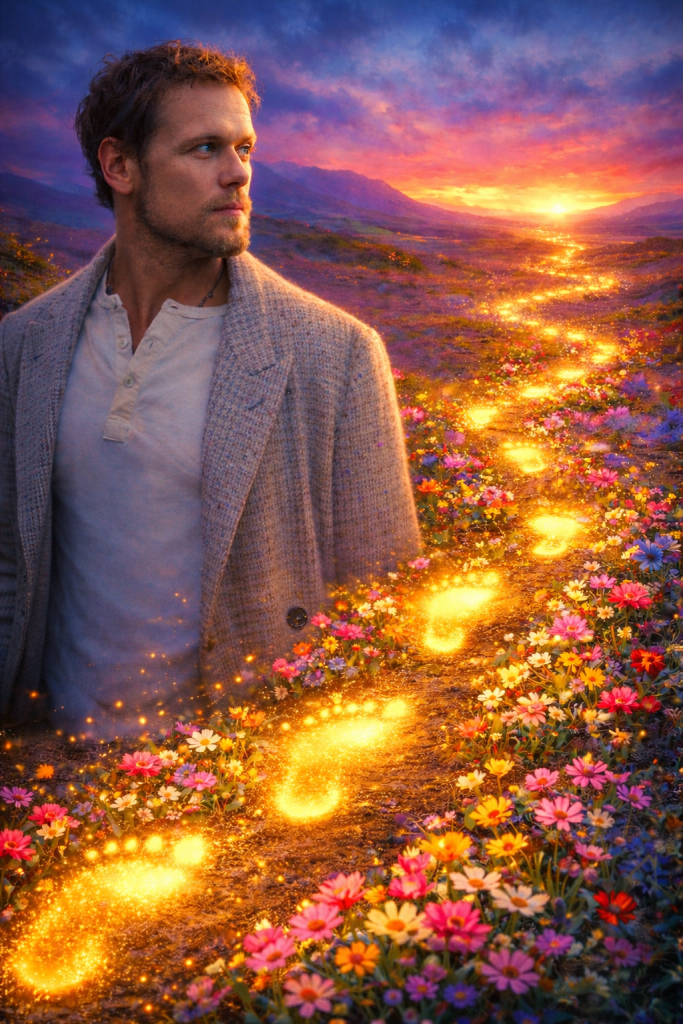
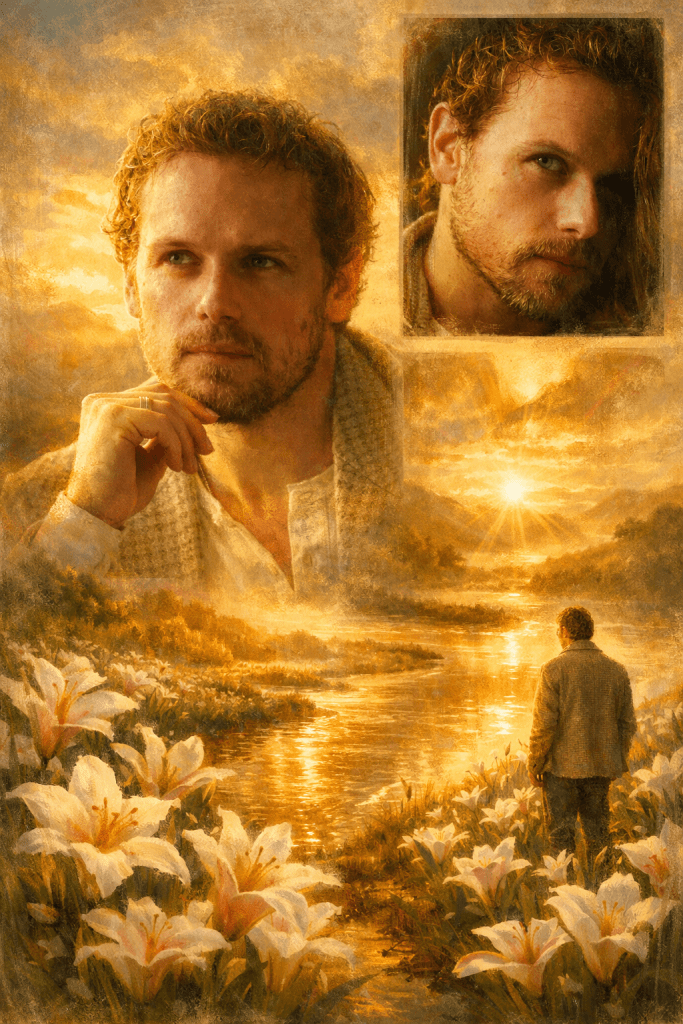
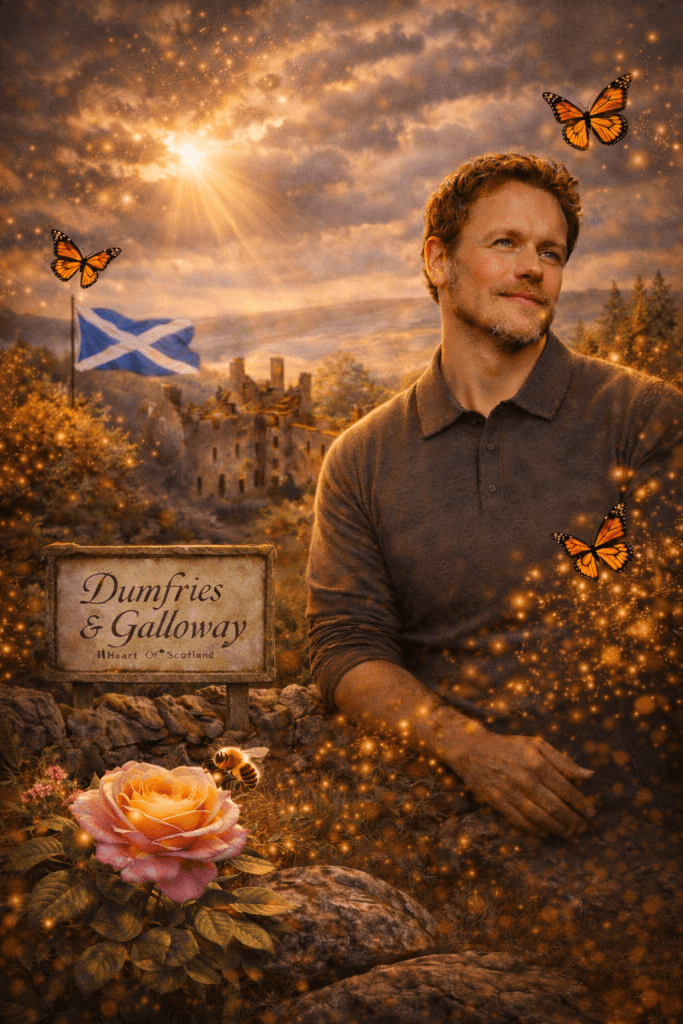
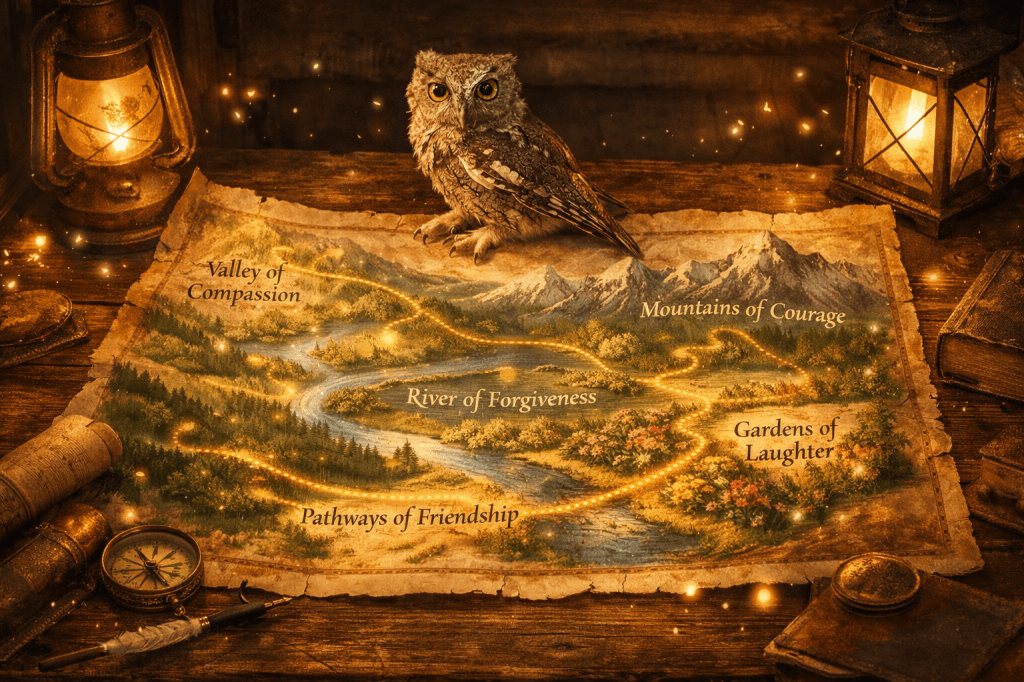
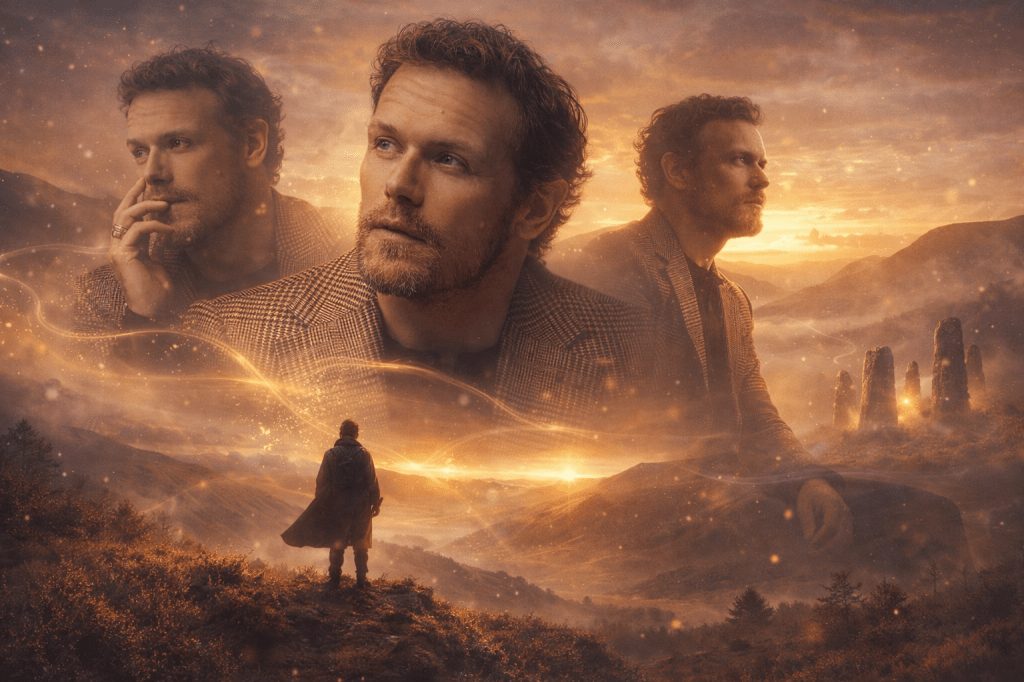
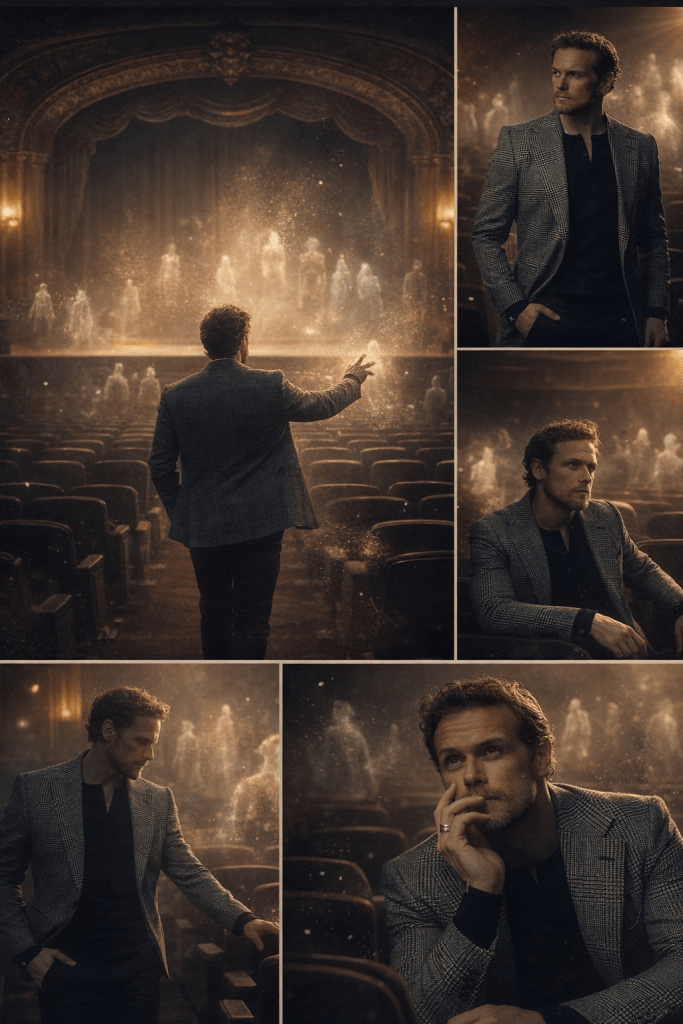
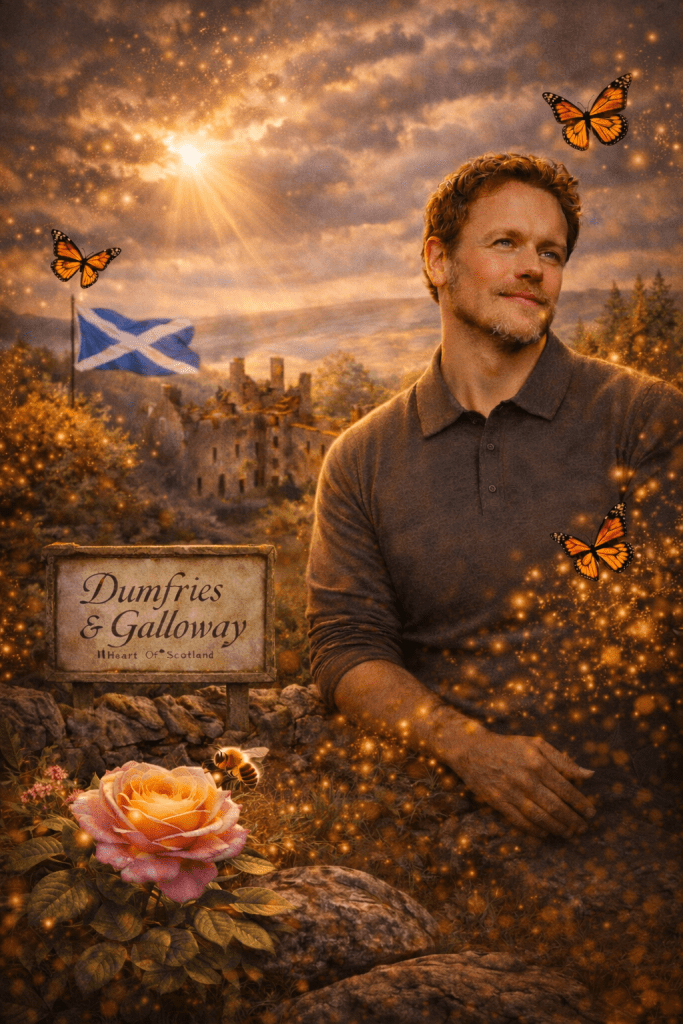
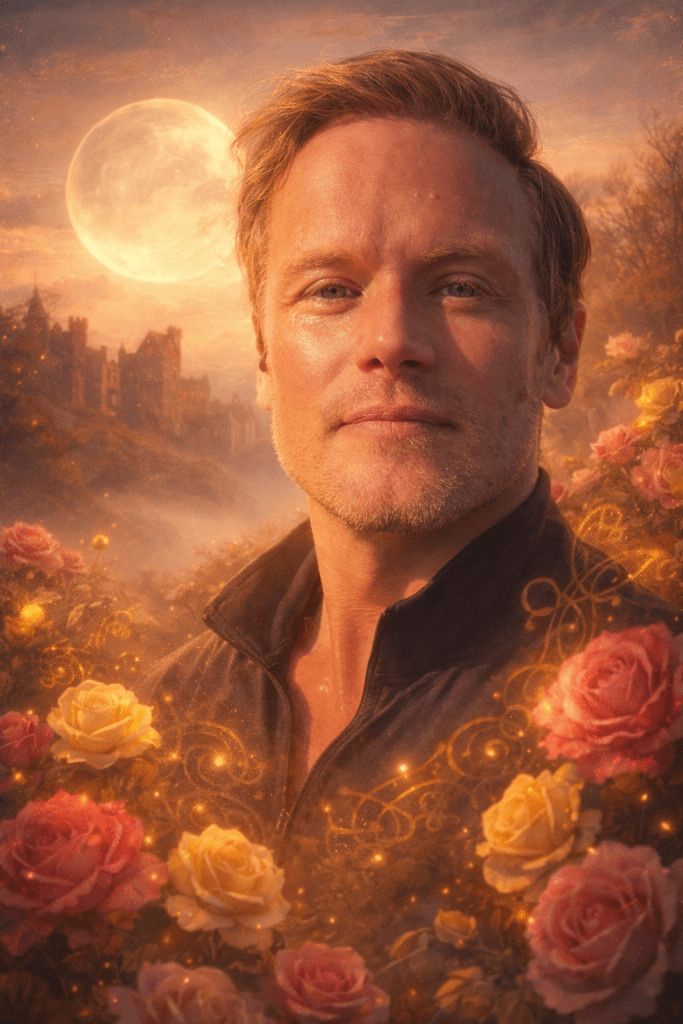
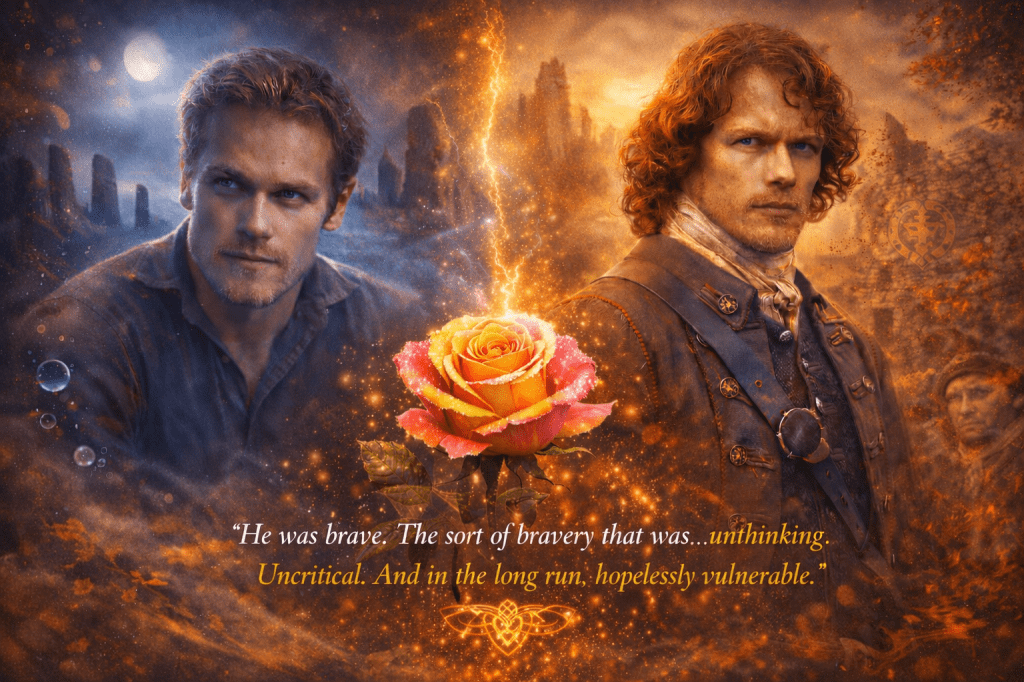
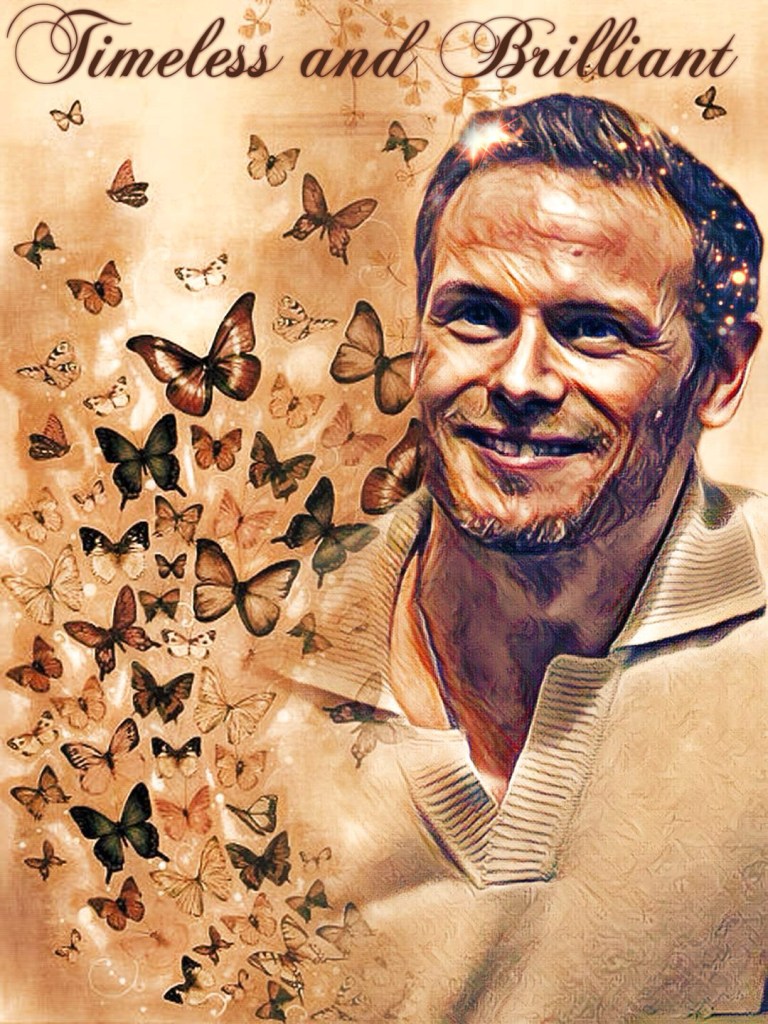
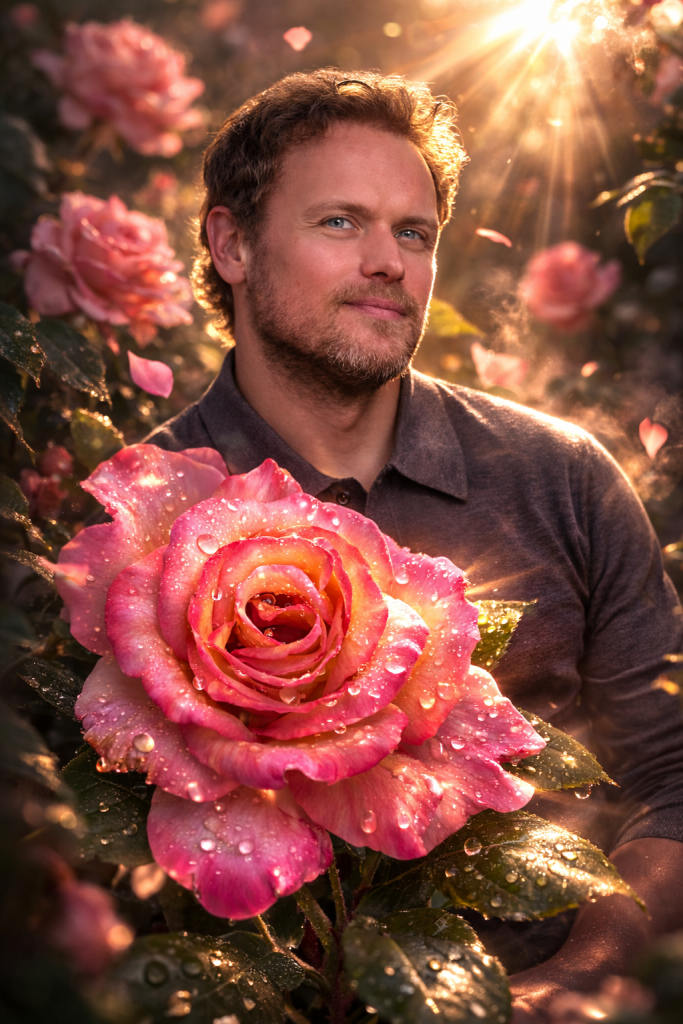
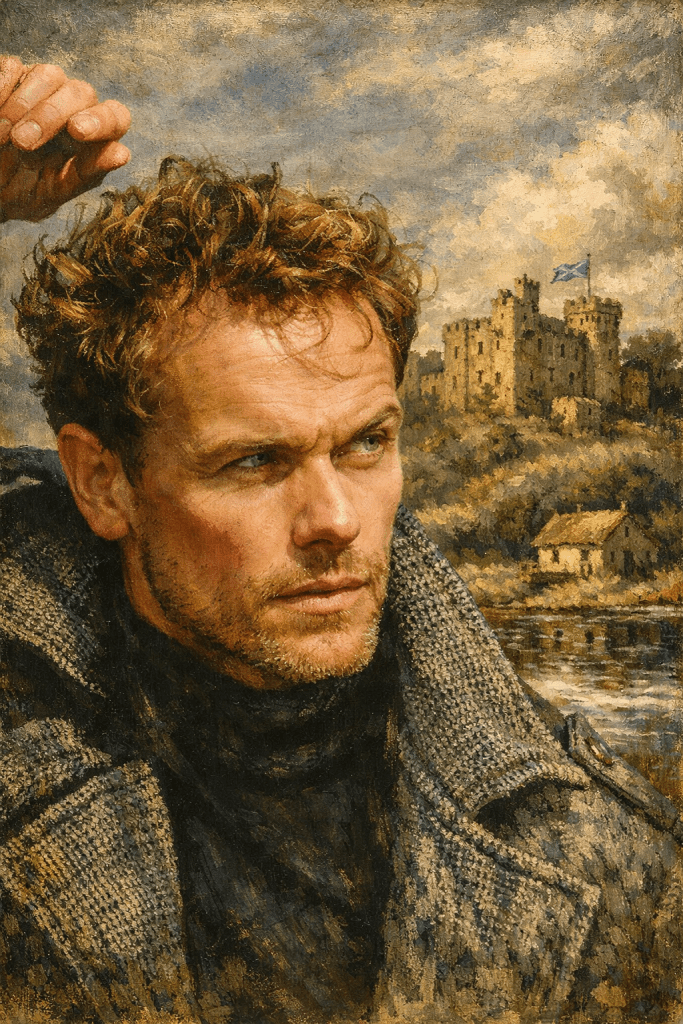
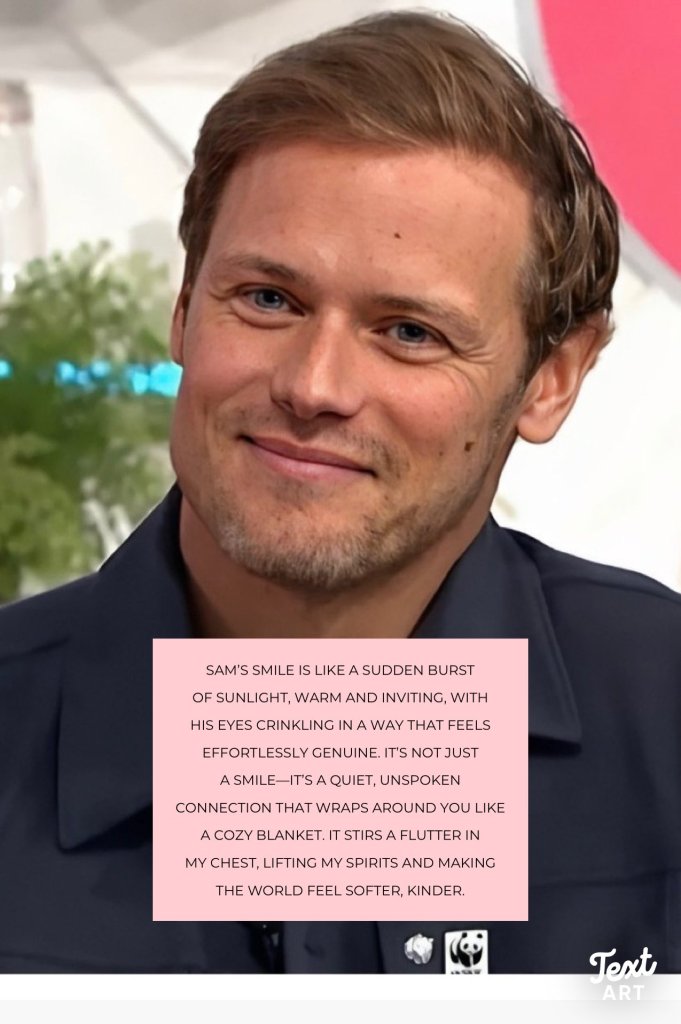
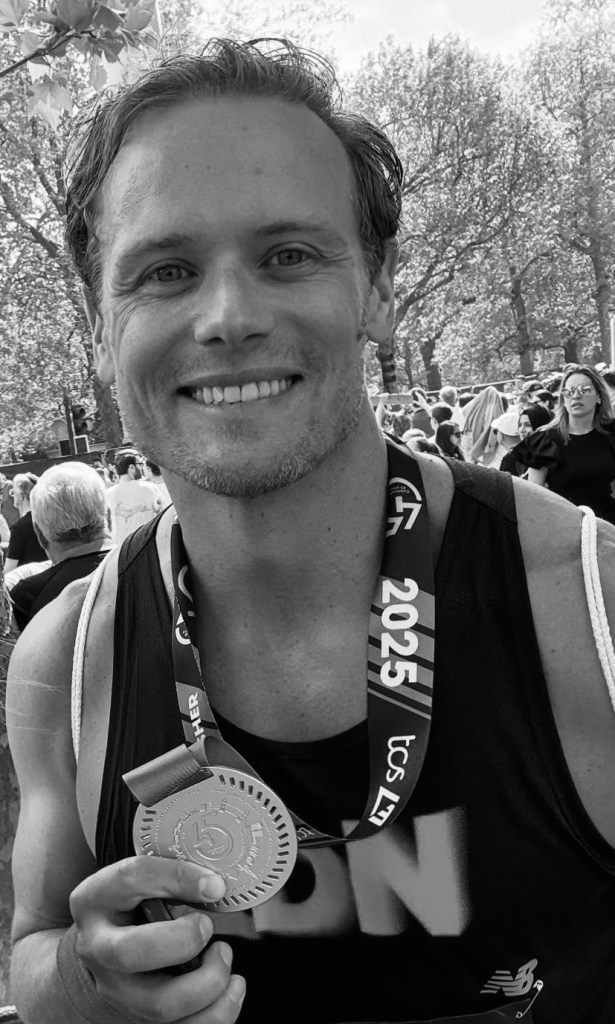
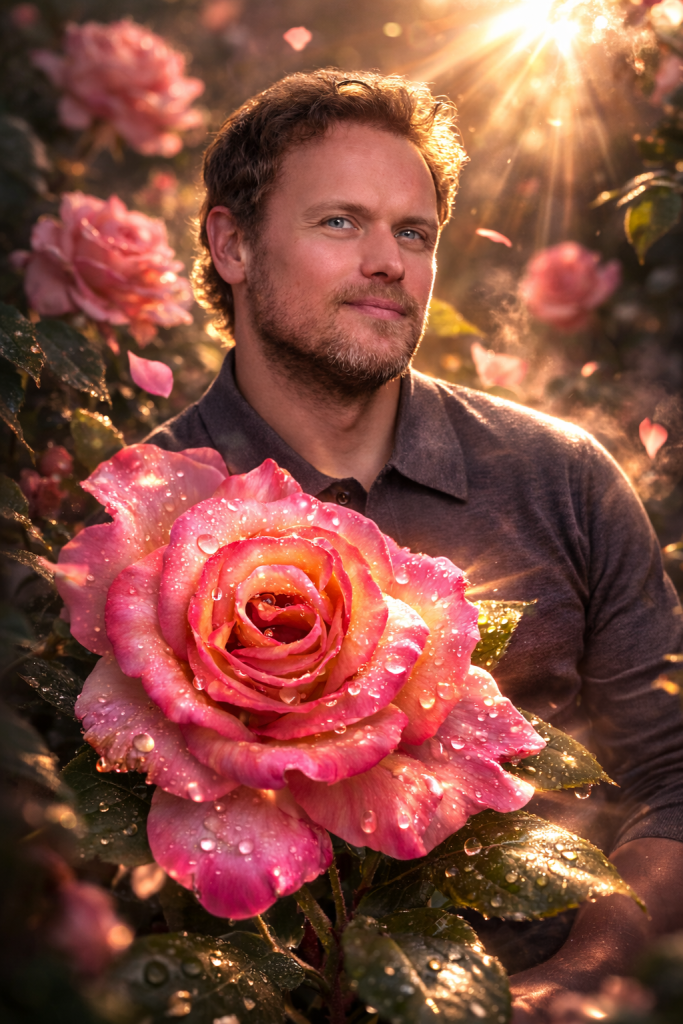
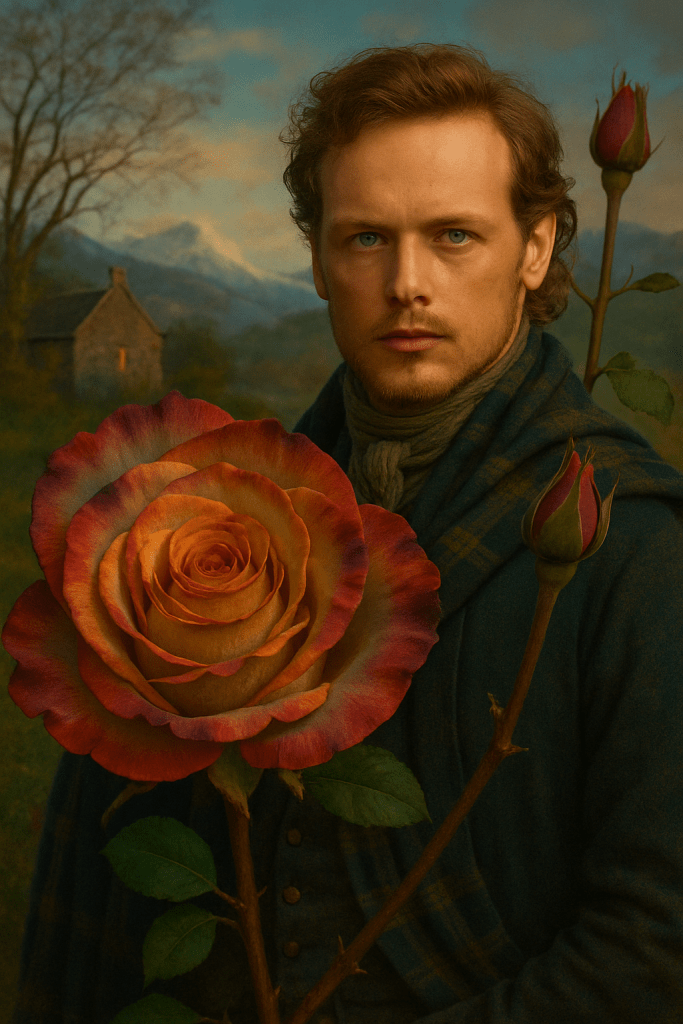
In three years, I hope to be living a life that feels fully mine—full of creativity, love, and growth. I imagine running my own photography business, freelancing and capturing the world through my lens. One dream is to visit Scotland and photograph its breathtaking landscapes—rolling hills, ancient castles, and misty lochs. I’d love to explore Dumfries and Galloway, the place that inspired Sam Heughan to become the actor he is today. It would be amazing to see the surroundings that shaped someone I admire so much.
I also imagine having an online travel magazine, which, alongside my photography business, would focus on causes I care about. I’d start with conservation projects—protecting Scotland’s wild cats and America’s wild mustangs—using my work to raise awareness and inspire others to care about the natural world.
I hope to meet a man who truly sees me—a partner who connects deeply and intimately. Someone who values honesty, closeness, and love, and who dreams of building a life together.
On a personal level, I hope to form habits that nourish my body and mind. I want to eat healthier, lose weight in a sustainable way, and eventually start a family. I imagine a life where health, happiness, creativity, and love coexist, and where each day brings a sense of purpose and connection.
In three years, I want to feel proud of the life I’ve created—a life that reflects who I am and who I’m becoming. And as I chase these dreams, knowing that someone like Sam Heughan has been inspired by the same places and culture I hope to explore makes it feel even more possible.
People sometimes wonder why I write about Sam Heughan so often, why my thoughts keep circling back to him. For me, the answer runs deep: as an autistic individual, the way I connect with the world is unique, intense, and sometimes hard to explain. And Sam Heughan—through his book Waypoints, his acting, his love of Scotland, and now his new Galloway Distillery—has become a rare point of focus and inspiration. He grounds me, lifts me, and shows me that following your own path can be both brave and beautiful.
The Lessons of Waypoints
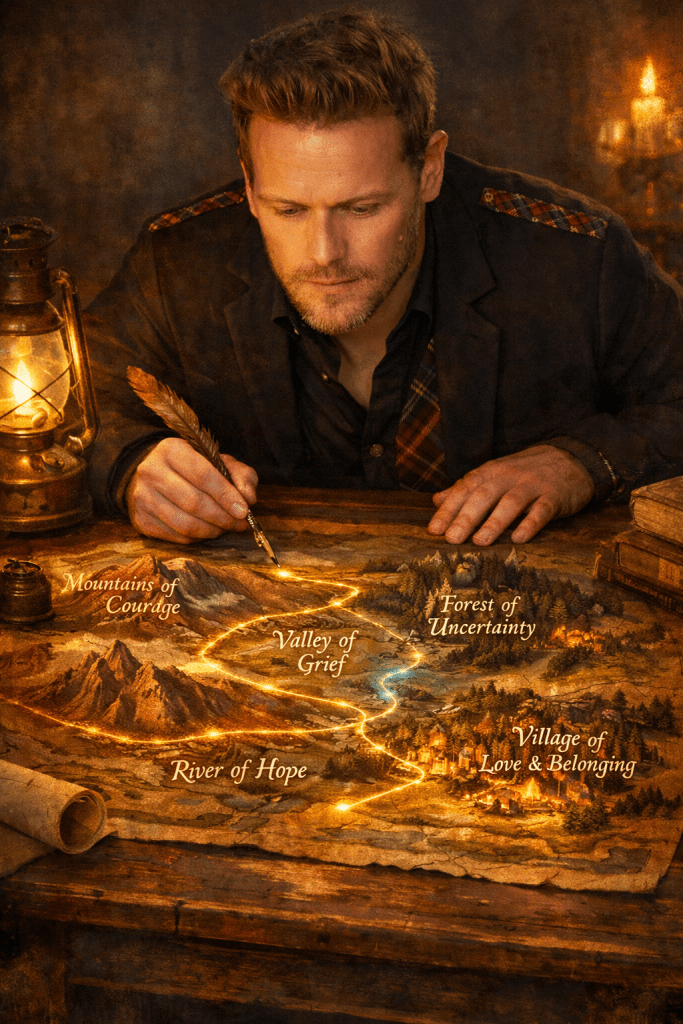
When I first read Waypoints: My Scottish Journey, I didn’t just see a memoir. I saw a map of resilience. Sam walking the West Highland Way mirrored the way I sometimes feel moving through life—taking one step at a time, noticing every detail, carrying both the weight and wonder of the journey.
As an autistic person, I often feel things more sharply, both the joy and the struggle. His reflections in Waypoints gave me permission to honor that intensity rather than hide it. He reminded me that persistence and self-discovery come from being fully present, even in the uncomfortable or uncertain moments.
Rooted in Heritage
What resonates most deeply with me is Sam’s devotion to his roots. Autistic people often find comfort and strength in the places, people, or passions that anchor us. Seeing how he stays tied to Scotland—its landscapes, its history, its people—speaks to my own need for grounding and belonging. His pride in heritage makes me feel less alone in how fiercely I hold onto the things that matter most to me.
The Inspiration of Robert the Bruce and William Wallace
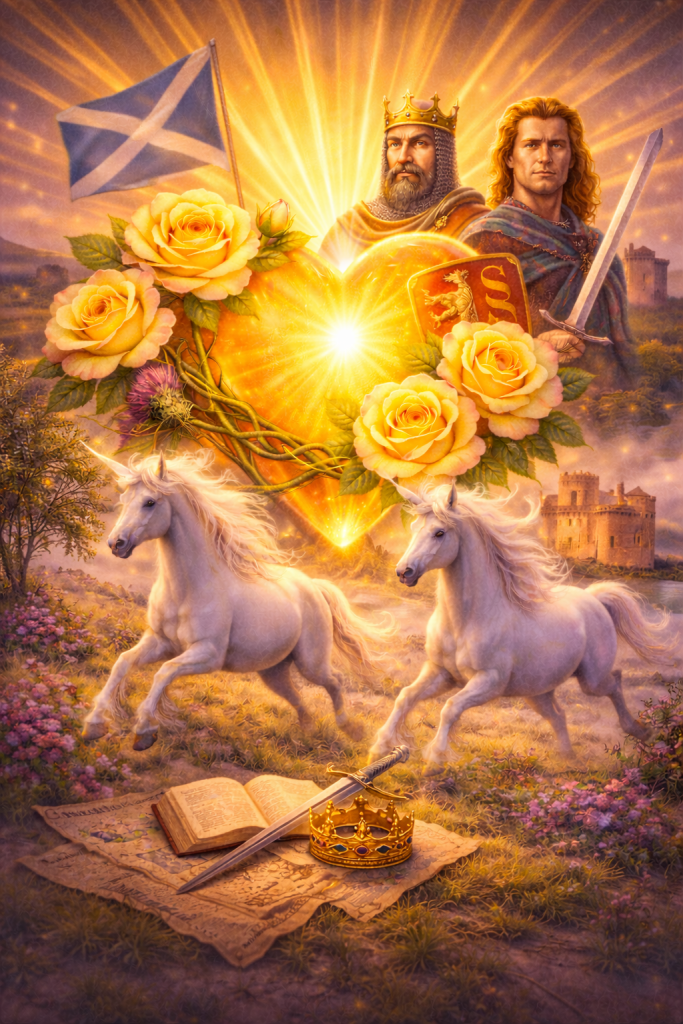
Part of that heritage for me—and for Sam too—lives in Scotland’s history. Sam has mentioned figures like Robert the Bruce and William Wallace, and has shown the historical sites and memorials tied to their names.
As someone autistic, I naturally connect deeply with symbols and stories, and Robert the Bruce especially inspires me. His perseverance after defeat, his resilience in the face of overwhelming odds, and his eventual triumph remind me of the same courage and authenticity Sam embodies.
I also admire William Wallace, whose fierce devotion to freedom still echoes in Scotland’s spirit. These men remind me that history is not just something in the past—it’s alive, breathing through people who carry it forward. Sam makes that history feel close, almost personal, and through him I’ve come to love and honor their legacy as well.
The Galloway Distillery — Coming Home
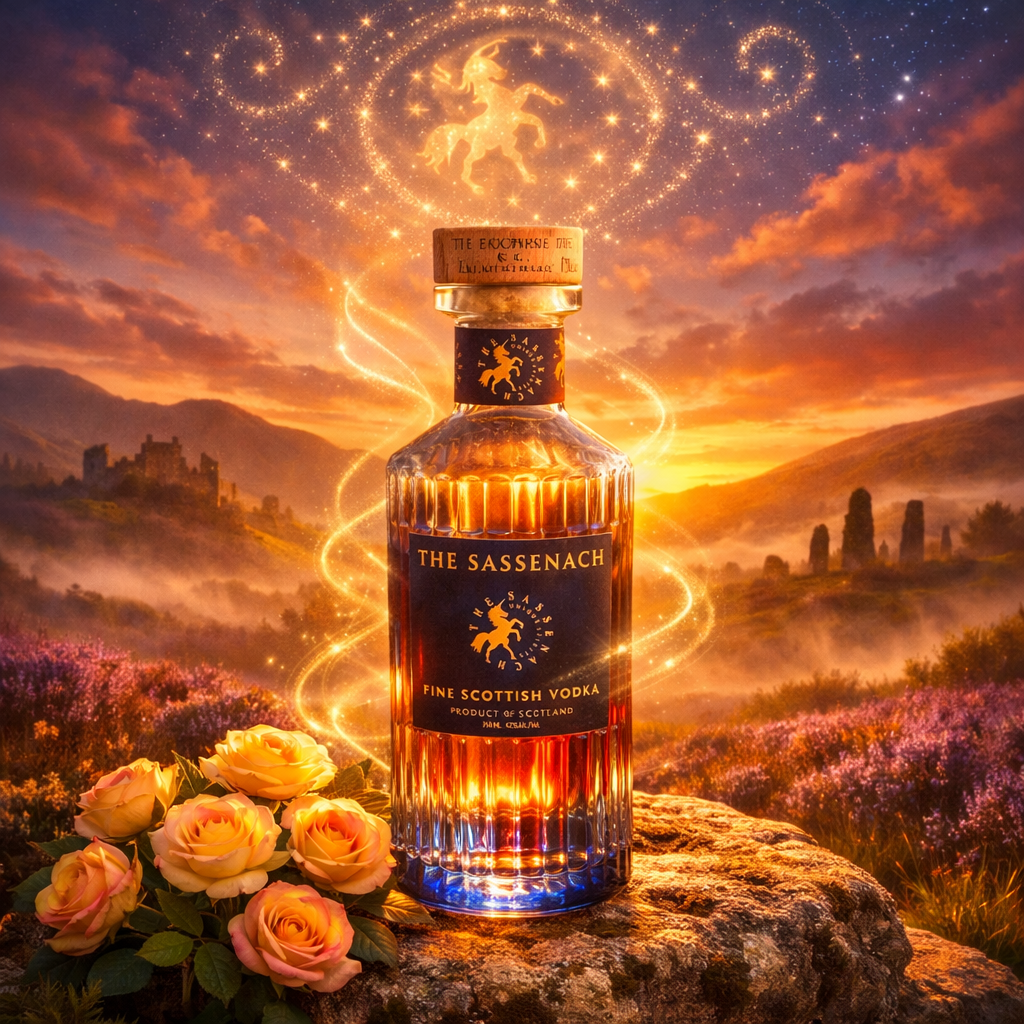
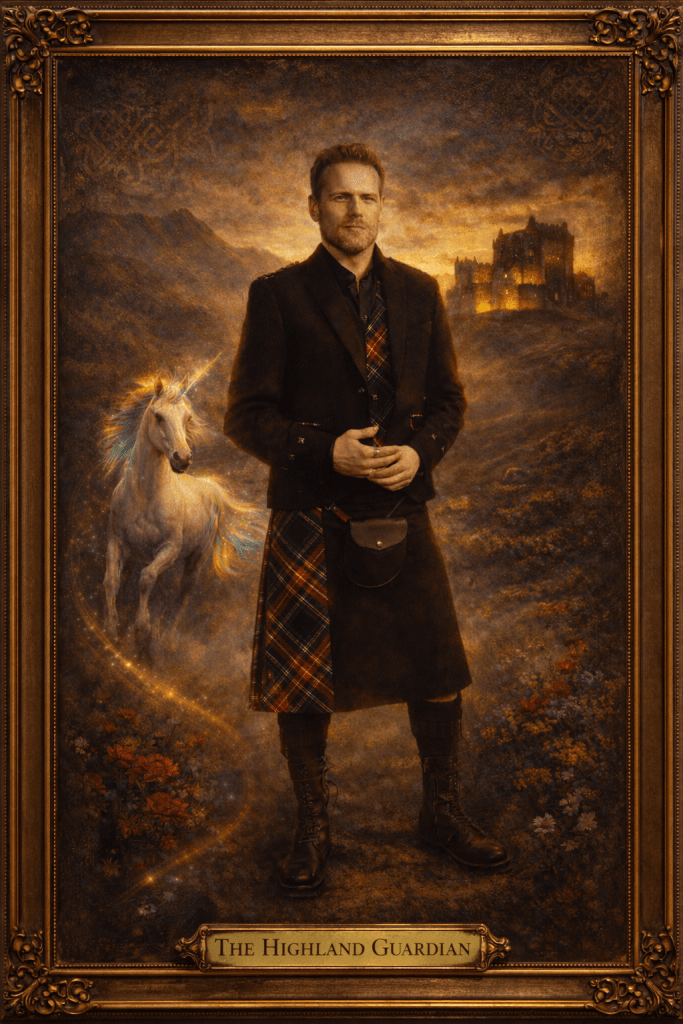
Sam’s new Galloway Distillery is more than just a business move. To me, it feels like a homecoming. It’s about creating something lasting in the very place that shaped him. That matters, because as someone autistic, I deeply understand the importance of place—how landscapes can soothe, how roots can steady, how home can mean safety and pride.
The distillery isn’t just whisky—it’s a story, a bridge between tradition and future, between ambition and authenticity. Watching him make that choice gives me courage to believe I can also create something of value that reflects who I am and where I come from.
How He Reaches Me in the Best Autistic Way
Sam affects me in the best autistic way possible. I often see the world in vivid detail, feel emotions with an intensity that others might overlook, and struggle to translate those feelings outward. Yet when I watch him or read his words, they cut through the noise and land with clarity.
He makes me feel understood without explanation. His honesty, his humor, his passion for Scotland—they connect directly to the way I experience life. He helps me embrace my own sensitivity, reminding me it’s not a flaw, but a form of beauty.
Outlander and the Reminder of Genuine Love
Through Outlander, Sam’s portrayal of Jamie Fraser brought me a lesson that stays close to my heart: not to forget about genuine love and devotion. Jamie’s loyalty, tenderness, and unwavering strength reminded me that real love isn’t fleeting—it’s steadfast, patient, and deeply rooted.
As an autistic individual, I sometimes worry about connection and whether I’ll find someone who truly understands me. But watching Jamie’s story gave me hope: that love built on trust and devotion is not just possible, but worth waiting and fighting for. Through Sam, that character became more than fiction—it became a reminder that genuine love still exists in this world.
Why Sam Matters to Me
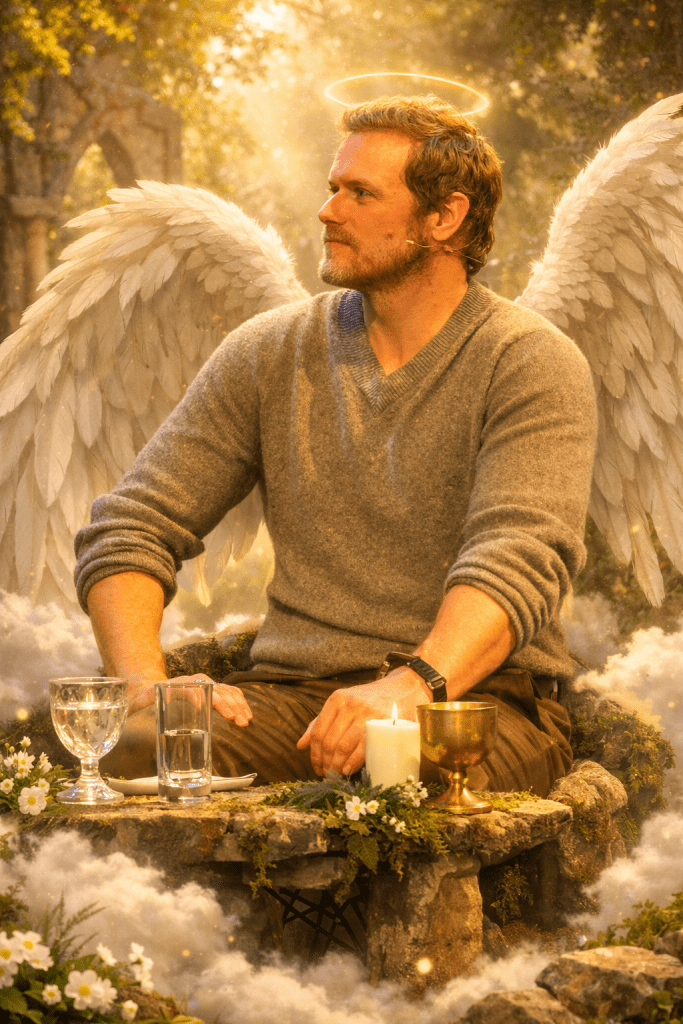
To me, Sam is more than an actor or entrepreneur—he is a light. I see him as an extraordinary man with a heart of gold, an earth angel wrapped in the form of a cheeky, brilliant, joyful Scotsman. He radiates sunshine, and that light has touched me in ways I can’t always describe.
People might call it a fixation. But for me, it’s focus. It’s passion. It’s the autistic way of cherishing something—or in this case, someone—that brings meaning and balance. Sam inspires me to believe in the good, to hold onto hope, and to chase my dreams with the same authenticity he carries.
Why I Create Art With Him at the Center
People also probably wonder why I create art—and why Sam is so often the star within it. The answer is that art is how I process the world. It’s how I take feelings that are too big to hold inside and turn them into something visible, something shareable.
When Sam becomes the subject of my art, it isn’t about celebrity—it’s about connection. He symbolizes light, resilience, and joy, and weaving him into my creations is my way of honoring that.
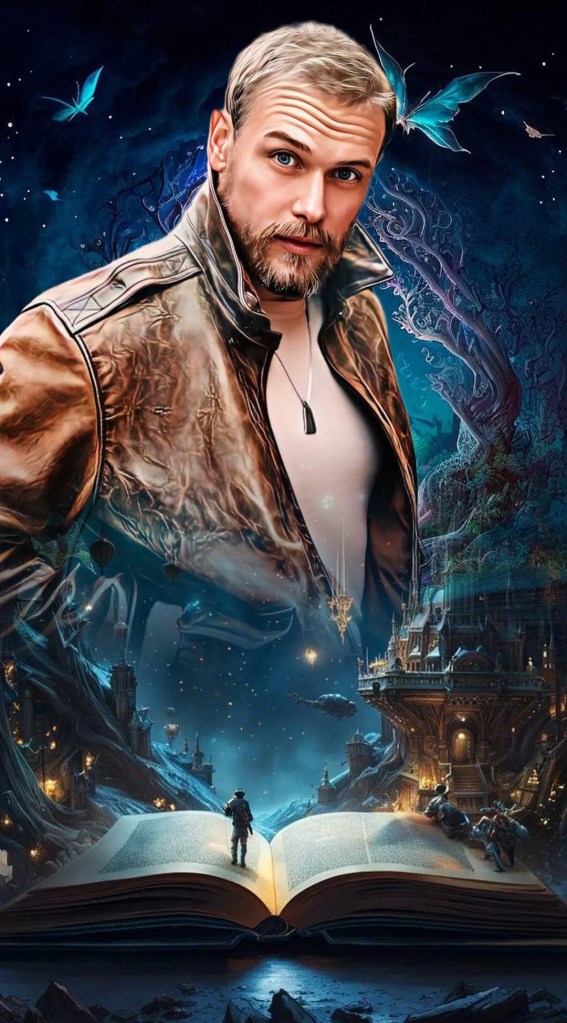
As an autistic individual, creativity is my language. Through my drawings, edits, words, and images of him, I find both expression and calm. Sometimes, I also weave in the spirit of Robert the Bruce or William Wallace alongside him, because they too represent resilience, courage, and Scotland’s soul. Sam becomes the bridge between my inner world and the outside world—the focus that allows me to channel intensity into beauty.
Why It Inspires Me
Sam’s journey shows me that ambition and integrity can live side by side. From walking the rugged Highlands to pouring his heart into a distillery, he reminds me that success doesn’t mean abandoning who you are—it means becoming more of it.
That lesson pushes me to pursue my own creative passions, like photography, writing, and dreaming of projects that reflect my love for culture, storytelling, and conservation. His path whispers to me: your voice matters too, and what you create can carry meaning.
A Closing Reflection
Watching Sam Heughan move from Waypoints to whisky, from self-discovery to community building, I feel like I’ve witnessed the kind of journey I want for myself: rooted in authenticity, alive with courage, and full of heart.
As an autistic individual, I often long for connection, for purpose, for something steady to hold onto. Sam gives me that spark of inspiration. He shows me that even in a world that can feel overwhelming, it’s possible to stay true to who you are and still build something extraordinary.
Because sometimes, the most inspiring journeys aren’t only about the person we admire—they’re about how they awaken something inside us, reminding us to begin again, in our own way.
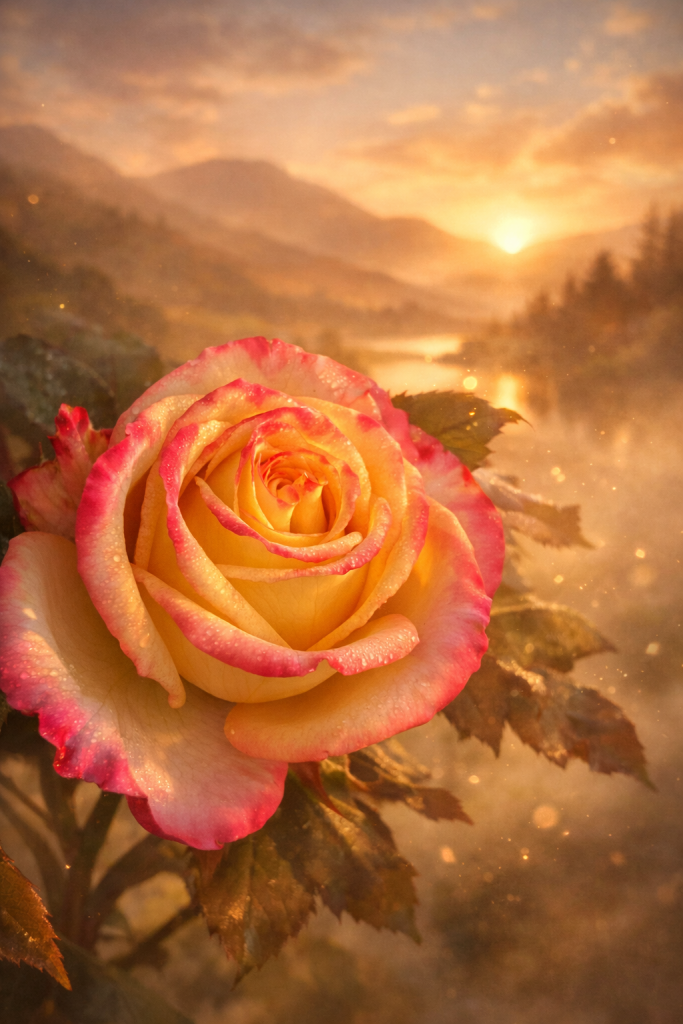
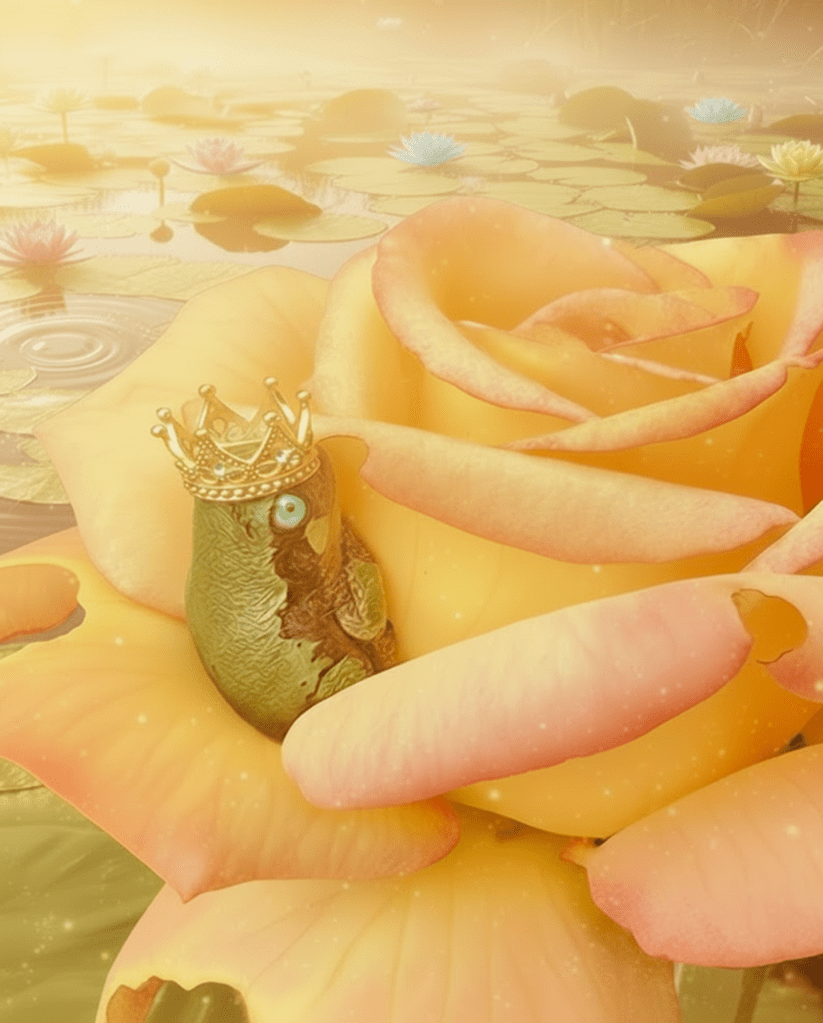
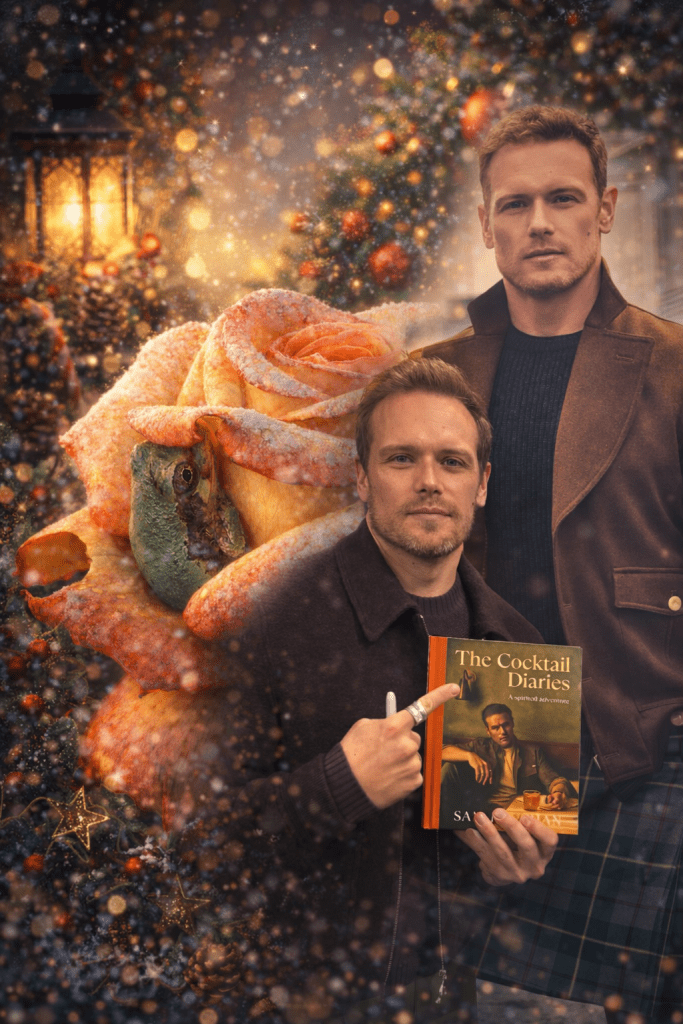
Once upon a time, in a vibrant garden where colors danced in the sunlight, there bloomed a rose unlike any other. This rose, with petals that shimmered in hues of orange and gold, held a secret deep within its heart—a tiny, enchanted frog named Liora.
Liora had lived in the rose for as long as she could remember, protected by the soft petals that surrounded her. She was no ordinary frog; she was a guardian of dreams, tasked with watching over the hopes and wishes of those who wandered into the garden. Each night, as the stars twinkled above, Liora would listen to the whispers of dreams carried by the gentle breeze.
One day, a young girl named Elara stumbled upon the garden. Drawn by the intoxicating fragrance of the magical rose, she approached, her heart heavy with unfulfilled dreams. She had always longed to be an artist, but fear held her back. As she gazed at the rose, Liora felt a spark of connection. The girl’s dreams resonated with the magic of the garden.
With a flick of her tiny tongue, Liora cast a spell of inspiration. The rose began to glow, and the air filled with sparkling lights that danced around Elara. She felt a rush of creativity and courage, as if the garden itself was urging her to embrace her passion.
Elara closed her eyes, and in that moment, she envisioned herself painting vibrant landscapes, capturing the beauty of the world around her. The rose shimmered brighter, and Liora knew that the girl’s dreams were taking flight.
When Elara opened her eyes, she felt transformed. The weight of doubt had lifted, replaced by a newfound determination. She thanked the rose, unaware of the tiny guardian within, and promised to return to the garden, to share her art and the magic it held.
As days turned into weeks, Elara visited the garden often, each time bringing her sketches and paintings. Liora watched with joy as the girl blossomed into the artist she was meant to be. The rose, once a mere flower, became a symbol of hope and inspiration for all who entered the garden.
And so, the enchanted rose and its tiny guardian continued to weave dreams into reality, reminding everyone that within the heart of a flower lies the power to inspire and create magic.
What are the most important things needed to live a good life?
What does a good life look like for me? It’s like framing the perfect shot with my camera—catching the light just right, finding the angle that feels honest. It’s not about money or fame, but about living in a way that lets my heart sing, like I’m twirling under a Highland sky or laughing with someone who feels like home.
First, I need relationships where I can be my true self, no filters needed. Like those late-night talks with a friend, sharing cheesy love songs or a 2 a.m. snack, where I don’t worry about being “too much.” Those moments, where I can ramble about my autistic way of seeing the world—like how light dances on water—or dive into a story without feeling judged, are my lifeline. They’re the warmth that holds me together, and I want to fill my life with people who see the real me.
Then there’s my empathy, this quiet gift I’ve always had. As a kid, I’d hug strangers because I could feel their sadness; now, it’s how I connect with horses, their steady presence making me feel safe. A good life means embracing that instinct—listening deeply, offering comfort, building bridges. It’s not just about others; it’s about how alive I feel when I’m there for someone.
Creativity is my heartbeat. Photography lets me tell stories, freezing moments of light and emotion like a scene from Outlander. A good life has room for that—wandering with my camera, chasing golden hour, making something that’s mine. Even with my cybersecurity work, I need these moments, because they’re when I’m most myself.
Freedom to be me is everything. Masking to fit in is exhausting, like dimming a flame. A good life means finding spaces—friends, work, or just solo time—where my autistic self is enough. Where I can geek out about light patterns or romantic tales without feeling “weird.” That freedom is where I thrive.
I also want experiences that spark joy, not just things. A spontaneous adventure—like dancing in the rain or stargazing with someone special—beats any fancy gadget. Those heart-racing, rom-com-worthy moments are what I’ll carry forever. I want a life woven with them, whether it’s a far-off trip or a quiet laugh shared over coffee.
Balance is tough but crucial. My cybersecurity degree pays the bills, but my soul lives in photography and storytelling. A good life blends both—using my skills to support my dreams without letting them drown out what I love. It’s about small steps toward a life where I’m not just getting by but truly creating.
Finally, nature keeps me grounded. Horses, open fields, the hush of a forest—it’s where my intuition wakes up. A good life includes time there, whether I’m riding, walking, or just sitting somewhere green, feeling the earth’s pulse.
To build this life, I’ll start now: plan a photography day this month, have a heart-to-heart with a friend, and try one new way to be unapologetically me, like sharing a quirky idea at work. A good life grows from these moments, and I’m ready to nurture them.
My newest creation.my rabbit photo and AI background I made to go with it.
From the time I was a young kid, the weather has held me spellbound, a wild and awe-inspiring force that both captivates and humbles me. I can still recall the thrill of working on a middle school report about tornadoes, diving deep into their chaotic beauty and untamed power. My teacher raised an eyebrow, suggesting to my dad that I should’ve done it alone, but the truth is, I poured my heart into that project—my dad just helped me polish my ideas. That experience wasn’t just a school assignment; it lit a fire in me, sparking a lifelong reverence for Mother Nature, one of my greatest inspirations, a boundless muse whose storms, serenity, and raw beauty fuel my creativity and remind me of the deep, healing connection we share with the world around us.
When I first picked up a camera, my passion for nature found a new outlet. I dreamed of chasing storms, not just to capture their swirling formations but to preserve fleeting moments of nature’s raw, unfiltered spirit. Storms have a haunting duality—they can devastate, leaving heartbreak in their wake, yet their towering clouds and electric energy are undeniably beautiful. Through my lens, I see tornadoes as a reminder of how much we take for granted, urging us to pause and respect the forces that shape our world. Mother Nature doesn’t bow to our plans; she demands our attention, teaching us resilience and humility through her breathtaking artistry.
Beyond storms, nature in all its forms has always been my refuge. To me, nature is the greatest medicine a human being could ever have. Whether it’s the roar of thunder, the gentle rustle of leaves, or the quiet calm of a forest after rain, being immersed in the natural world feels like a reset for the soul. It heals, it grounds, it reminds me who I am. The nature of humanity and the natural world are intertwined in countless ways—through the air we breathe, the landscapes that shape our stories, and the moments of wonder that bind us to something greater. Every time I’m out there, camera in hand, I feel that connection, like I’m part of a larger story written by the earth itself.
Photography, for me, is more than a craft; it’s a way to tell stories that stir the heart, to capture the fleeting beauty of the world and share it with others. Inspired by those who live with purpose and authenticity, I want my work to reflect that same depth, to show the fierce elegance of a storm or the quiet grace of a sunrise. Mother Nature, as one of my muses, guides me to create with intention, to stay rooted in what’s real, and to honor the world’s beauty and power. Her lessons go beyond her storms—they’re in the way she calls us to live more fully, to respect her boundaries, and to find healing and meaning in every moment, no matter how fleeting.
Well, let’s take a look at my work experience so far. My only job has been in retail. I started as a custodial associate at Fry’s. After that, I worked as a courtesy clerk and cashier at Safeway. Then, I became a kids’ toy, lawn, and garden associate at Walmart, and I’m currently working in that role. It’s definitely a physically demanding job, and that’s why I want to find something I enjoy, like visual storytelling, to make a living from.
I enjoy spending my free time gardening, taking photographs, hiking, and engaging in other activities. However, I sometimes feel that the places we work for expect us to live there half the time, leaving less time for our families and self-care.
I want to pursue a career as a Visual Storyteller because it’s the perfect intersection of my passions for photography, graphic design, and blogging—a path that lets me capture the world’s beauty, create with purpose, and connect with others in a way that feels deeply authentic. This career isn’t just a job; it’s a calling to weave together visuals and words to inspire, uplift, and build a community grounded in kindness and creativity. It’s about seeing the world through a lens of wonder and sharing that vision to make others feel something real.
Photography, to me, is like capturing a heartbeat. Whether it’s the delicate shimmer of a tiny frog nestled in a rose, the fleeting glow of a sunset over a quiet valley, or the unguarded smile of someone lost in a moment, photography lets me freeze time and hold onto what makes life extraordinary. It’s not just about technical skill—though I love mastering my camera and editing tools like Lightroom—it’s about noticing the small, fleeting details that others might overlook. As a Visual Storyteller, I want my photographs to evoke emotion, to remind people of the beauty in the everyday, and to spark a sense of connection to the world around them.
Graphic design is where my imagination takes flight. It’s the thrill of transforming an idea into a visual that pops—a logo that captures a brand’s soul, a social media post that stops someone mid-scroll, or a poster that tells a story at a glance. I’m drawn to the challenge of blending colors, typography, and textures in tools like Adobe Illustrator or Canva to create something that’s both beautiful and meaningful. It’s hard work, requiring precision and endless tweaking, but that process feels like a puzzle I was born to solve. As a Visual Storyteller, design is my way of giving ideas a voice, making the intangible feel vivid and alive.
Blogging is the thread that ties my creativity together, letting me share my heart and mind with the world. It’s where I can write about the story behind a photoshoot, the inspiration for a design, or a moment in nature that left me in awe—like the way a single leaf can hold a universe of patterns. Blogging isn’t just about words; it’s about building a space where people feel seen and inspired. I want to share tips, stories, and reflections that resonate with others who crave authenticity, whether they’re creatives, dreamers, or just people who love beauty as much as I do. As a Visual Storyteller, my blog will be a canvas for connection, a place to foster a community that values kindness, creativity, and the courage to chase what sets your soul on fire.
This career speaks to me because it demands both heart and hustle, qualities I admire in myself and others. It’s not about chasing glamour—it’s about the grit of learning new editing techniques at midnight, the patience of revising a design until it’s just right, or the vulnerability of sharing a personal story on my blog. I’m inspired by people like Sam Heughan, who pour authenticity and hard work into their craft, and I want to bring that same dedication to my work. As a Visual Storyteller, I see a future where my photos, designs, and words create a ripple effect—encouraging others to notice the beauty around them, to create with intention, and to connect with kindness.
Ultimately, I want to build a career that’s a reflection of who I am: someone who finds joy in the small moments, who believes in the power of creativity to uplift, and who wants to leave the world a little brighter. As a Visual Storyteller, I’ll weave together photography, graphic design, and blogging to tell stories that matter—to me, to my audience, and to the world.
I wanted to share a bit about how I experience emotions because it shapes who I am. My happiness is often found in the quiet, unnoticed moments – it’s not just about laughter but about cherishing the beauty in simplicity. When I feel sadness, it’s not merely sorrow; it’s a reflective state that deepens my empathy and connection with others. Anger for me is rare, but when it arises, it’s a passionate response to injustice or the need for change.
My emotions are layered, each adding depth to my interactions, making me a compassionate listener and a thoughtful friend. This emotional nuance is a core part of my identity. #EmotionalIntelligence #SelfReflection #Understanding
As a high-functioning autistic woman, I uniquely experience the world. The chaos surrounding us often feels overwhelming, yet I see beyond it to a world filled with purpose—a place where I can cultivate kindness, joy, gentleness, peace, and compassion. To me, each person is a universe of details, all vital and beautiful, deserving of recognition and care.
In an era where information rushes by, political divides grow, and social media creates echo chambers, the essence of kindness, compassion, and authenticity has never been more essential. I resonate deeply with Chris Pine’s advocacy for using intellect alongside compassion to bring peace to our society. Love and respect are crucial, and I believe we should encourage them in every interaction. Though I may not agree with Chris Pine’s view on limiting social media totally, I agree with him that people need to be reminded to be mindful of what they put out there and that even words can still affect others. When it comes to beautiful souls like him, I believe he and others shouldn’t miss out on bringing balance to the best of both worlds because the digital world and the real world should benefit from each other, not hurt each other.
The Essence of Kindness
Kindness, for me, is more than just actions; it’s a state of being. It involves recognizing and embracing the diversity of human experience with patience and empathy. It’s about truly listening to understand, not just to reply, and acknowledging the emotions of others. Simple acts like holding a door or offering a smile can have profound effects, and forgiving others helps mend not only personal but communal rifts.
Compassion When We’re Divided
Compassion extends beyond kindness; it’s about actively alleviating the suffering I see. In a world where divisions are stark, I strive to bridge these gaps with empathy. Understanding why people hold their views or face their challenges is how I open up dialogues. Supporting those in need, whether through advocacy or presence, is how I practice compassion. Educating myself about others’ lives informs my responses, pushing aside prejudice for genuine understanding.
Authenticity: Staying True to Myself
In an age where digital personas can be perfected, authenticity is my refuge. Living authentically means embracing my own and others’ imperfections, and resisting the pressure to conform. I challenge untruthful narratives, even when it’s difficult, because staying true to myself aligns my actions with my values, not just societal or media expectations.
Battling the Propaganda Wave
Propaganda is one of the greatest threats to the values I hold dear. Whether it’s through biased news or sensational social media content, it fosters division and misinformation. Critical thinking is my defense, questioning the origins, motives, and validity of what I encounter. Promoting media literacy and seeking out diverse perspectives are ways to fight back against manipulation.
Uniting for a Better Tomorrow
The call is for unity. I advocate for conversations that lead to understanding, not further division. We should focus on what unites us, not what separates us. Building community through shared experiences or movements reflects our collective yearning for harmony and equity.
Creating a Non-Toxic Society and Digital Environment
We need to detoxify our society, including the digital spaces we inhabit. Social media, while connecting us, can also breed skepticism and doubt. We must find a healthy balance because technology isn’t going away. It should be a tool for joy, career development, and meaningful engagement, not a source of negativity. By fostering trust and positivity, we can transform technology into a force for good.
In conclusion, while the world might seem chaotic, the principles of kindness, compassion, and authenticity guide my journey through this complexity. By embodying these values, I aim to not just navigate but enrich the world, moving from isolation to connection, from doubt to belief, and from falsehood to truth. Together, we can forge a brighter future.
As an autistic woman, love feels like a vivid, intricate tapestry—beautiful, overwhelming, and sometimes hard to unravel. For me, it’s not just an emotion; it’s a sensory experience, a rhythm that can either ground me or throw me off balance. Being autistic shapes how I give and receive love in ways that don’t always align with what people expect. My brain processes everything deeply—every touch, every word, every quiet moment—so love isn’t just a feeling, it’s a full-body immersion. Sometimes that intensity is a gift, letting me connect with someone in a way that feels almost cosmic. Other times, it’s a challenge, because the world’s unspoken rules about love can feel like a language I’m still learning to speak.
I’m extremely patient and easygoing, even when life throws lemons at me—and trust me, it’s tossed plenty. That patience isn’t something I had to force; it’s just part of who I am. Maybe it’s the autism, giving me this ability to sit with discomfort and not let it derail me, or maybe it’s the way I’ve learned to adapt to a world that doesn’t always make space for me. Though I’ve adapted to changes in my life, some of it was hard to swallow and hard to understand—especially when I was married for eight years and my spouse never once told me he loved me, even as I poured those words out to him. That silence was a lemon I couldn’t sweeten, no matter how patient I tried to be. I’d say “I love you,” hoping it would spark something, anything—a mirror to my own heart. But the absence of those words felt like a void, a rejection I couldn’t decode. As an autistic person, I crave clarity, and that lack of reciprocation left me spinning, questioning if love was even there.
Unlike some autistic folks, I don’t have sensory issues with touch—just when things get fast. I love the warmth of a hug, the weight of a hand in mine, the quiet intimacy of closeness. It’s soothing, grounding, a way to feel tethered to someone I care about. But when the pace picks up—when emotions or actions come rushing at me like a tidal wave—it’s too much. I enjoy being able to process things at my own pace, to let love unfold slowly, like a flower I can study petal by petal. That’s when touch feels safe and meaningful; I can savor it, let it sink in without my senses scrambling to keep up. In that marriage, the silence wasn’t just about words—it was the speed of disconnection, the way things moved too fast or not at all, leaving me no room to breathe or understand.
That’s why love languages mean so much to me. They’re like a map, a way to navigate the chaos and communicate what I need—and what I want to give—without getting lost in translation. Words of affirmation, especially, are a lifeline; hearing “I love you” or “I’m here” in clear, direct terms cuts through the noise in my head and anchors me. In those eight years, I didn’t get those words, and it left a hole—one I didn’t even know how to name until I learned how much they mattered. Acts of service or quality time, though, can speak just as loudly when they’re deliberate and steady, giving me the space to process them my way. I don’t need love to be flashy or rushed—I need it to match my rhythm, to let me catch my breath and feel it fully.
As a woman, there’s this added layer—society often expects me to be nurturing or intuitive in ways that don’t always come naturally. I might not pick up on subtle hints or flirt in the “typical” way, but my love is fierce and deliberate. I bring that same patience and ease to relationships, letting things grow at their own pace, not forcing what doesn’t fit—even when it’s taken years to understand why some things never did. I adapted to that marriage and kept loving through the silence because I could handle the slow burn of uncertainty. But I thrive when love meets me where I am when it’s steady enough for me to process and deep enough to feel real.
Love languages give me a structure to express that, to say “This is how I love you” without having to mask who I am. They let my partner see me—not just the autistic me or the woman me, but the whole, messy, authentic me who can laugh off life’s lemons while still feeling their sting, who can adapt to silence but blooms when given space to process at my own pace. And when someone speaks my love language back—whether it’s a quiet “I love you,” a gentle touch that lingers just right, or a moment of undivided time—it’s like they’re saying, “I see you, and I’m choosing to meet you where you are.” After eight years of missing that, I know now it’s not just a want—it’s a need. That’s everything.