Direction is rarely accidental.
It is shaped quietly, through decisions that are often invisible to the public but decisive to the work itself.
When looking at Sam Heughan’s career, what becomes clear is that his path has not been defined by chasing attention or reacting to trends. Instead, his work reflects a deliberate shaping of direction—one guided by curiosity, discipline, and a long view of what it means to build something lasting.
Early Foundations: Commitment to Craft
Every direction begins with foundation.
From the outset, there was a clear emphasis on learning the craft fully—on understanding character, language, physicality, and emotional restraint. Rather than relying on surface appeal, the work demonstrated a respect for preparation and immersion. This approach established an early pattern: roles were not chosen solely for visibility, but for what they required from the actor.
That foundation made later choices possible. Craft creates freedom.
Using Success as Leverage, Not a Destination
Breakthrough moments can either narrow a career or expand it.
Rather than allowing success to dictate repetition, Sam used it as leverage—to explore different forms of work rather than replicate a single formula. This meant balancing visibility with risk: continuing in familiar territory while deliberately stepping into projects that demanded different skills, tones, and creative muscles.
Direction, in this case, was shaped not by what worked once, but by what could still be learned.
Expanding Beyond Acting with Purpose
The move into writing and making was not a departure from acting—it was an extension of the same values.
Writing allowed for reflection and authorship. It offered a way to shape narrative directly rather than interpret it secondhand. Making, particularly within a cultural and traditional context, reflected patience, heritage, and respect for process. These pursuits were not distractions; they reinforced the same principles that guided performance: preparation, discipline, and care.
Each expansion was chosen because it aligned, not because it diversified for appearance’s sake.
Choosing Projects That Speak to Each Other
Over time, a pattern emerged.
The work began to form a conversation with itself—roles that explored identity, responsibility, resilience, and place; creative projects rooted in tradition and storytelling; choices that favored depth over novelty. Even when the form changed, the values did not.
This is how direction becomes visible: when projects begin to echo one another thematically, rather than compete for attention.
Resisting the Pressure to Over-Explain
Another defining aspect of direction is restraint.
Not every choice is explained publicly. Not every decision is framed for consumption. Allowing the work to stand without constant interpretation requires confidence—confidence in the audience, and confidence in the coherence of the work itself.
This restraint protects the direction. It prevents reaction from replacing intention.
Letting Time Confirm the Path
Direction reveals itself most clearly in hindsight.
When enough work accumulates, patterns become undeniable. Consistency appears—not as sameness, but as alignment. The work begins to feel deliberate even to those encountering it piece by piece.
What emerges is not a brand, but a body of work shaped by repeated, thoughtful choice.
Closing Reflection
Direction is not declared.
It is demonstrated.
Through steady commitment to craft, selective risk, and creative independence, Sam Heughan has shaped a path that feels cohesive rather than performative. The work does not rely on explanation to make sense; it relies on time.
And time, when allowed to do its work, reveals intention more clearly than noise ever could.

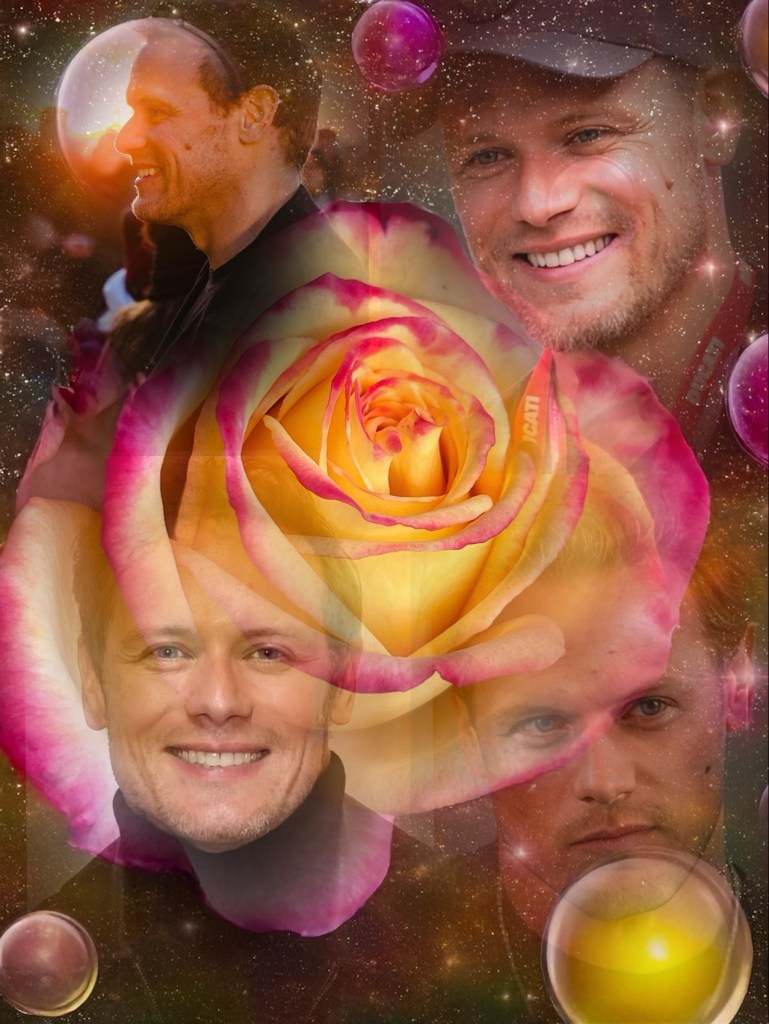
 Deep Thinking