Some of my favourite creations….hope you all enjoy them because I thought they came out beautiful.😊😊😊
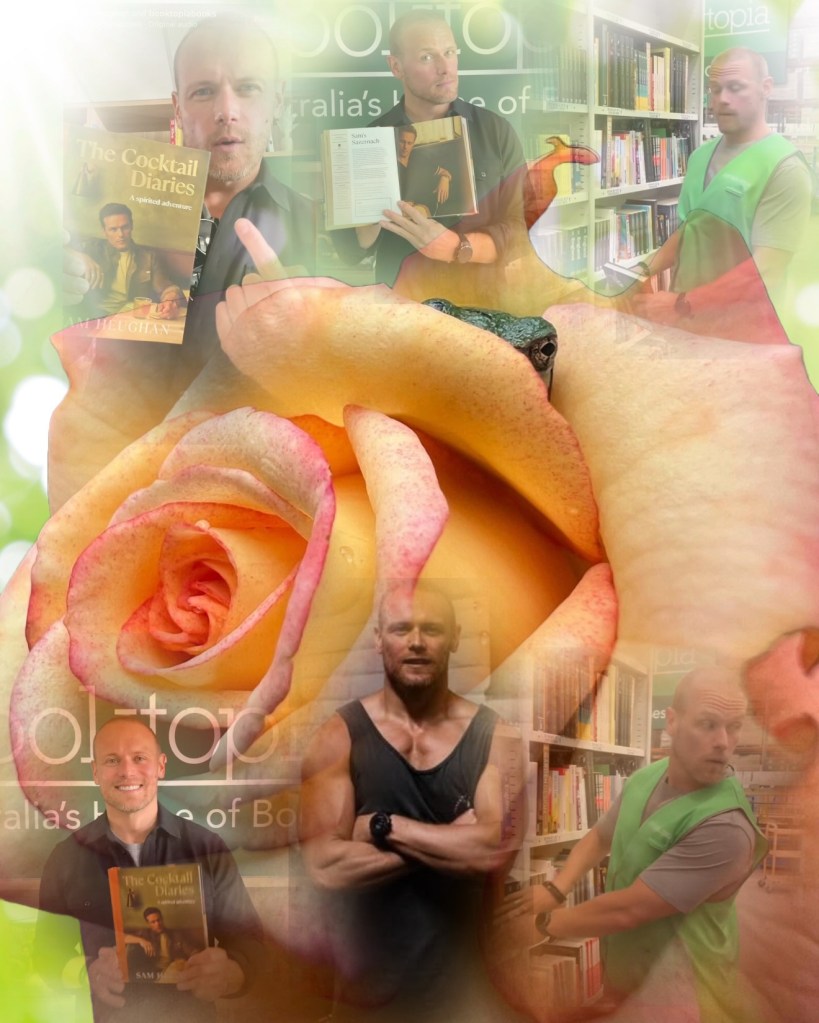
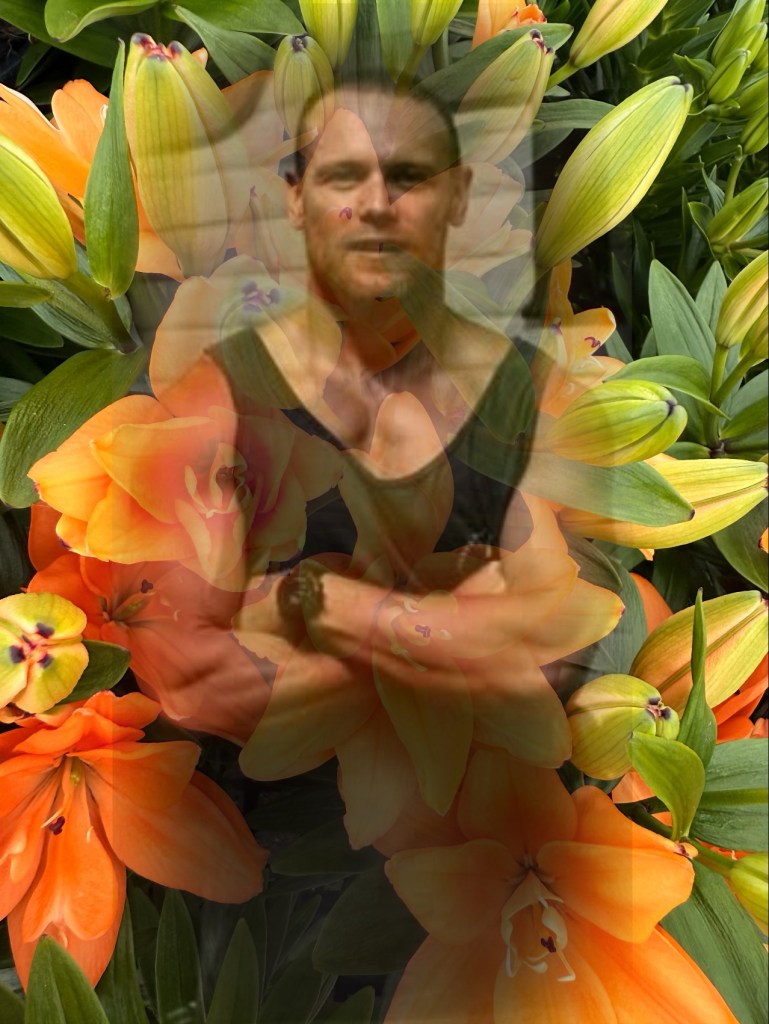
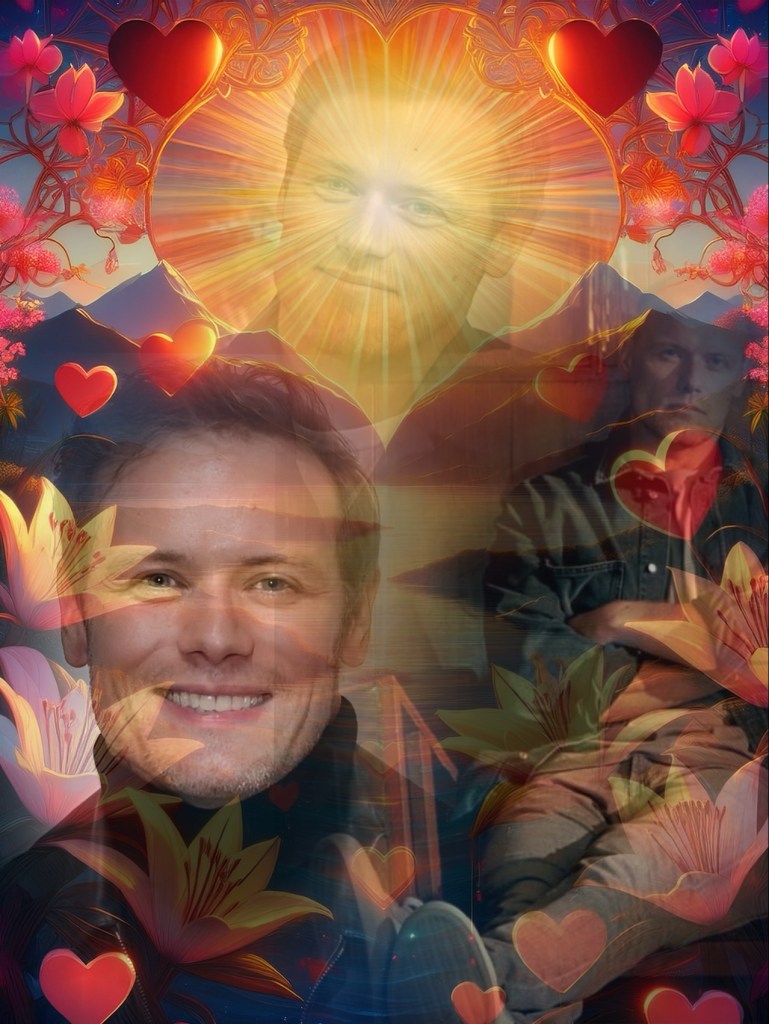
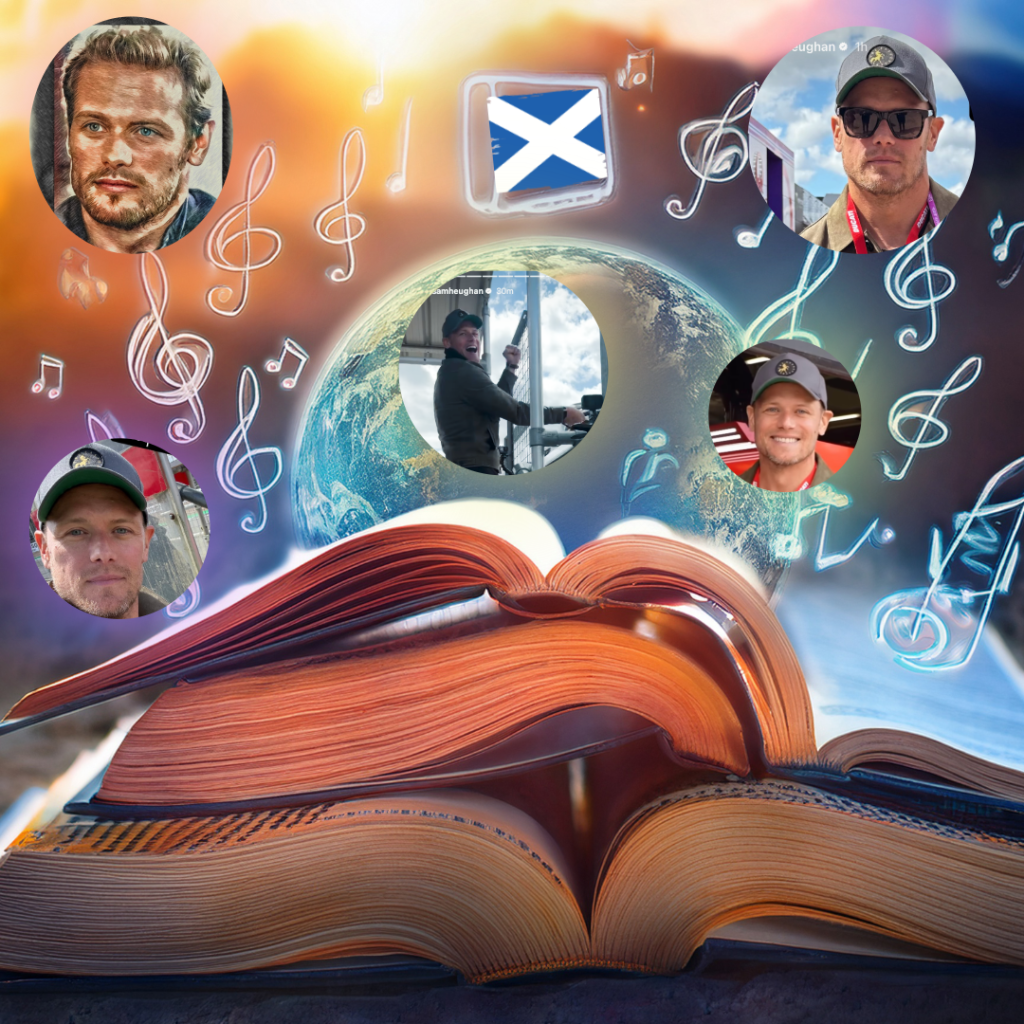
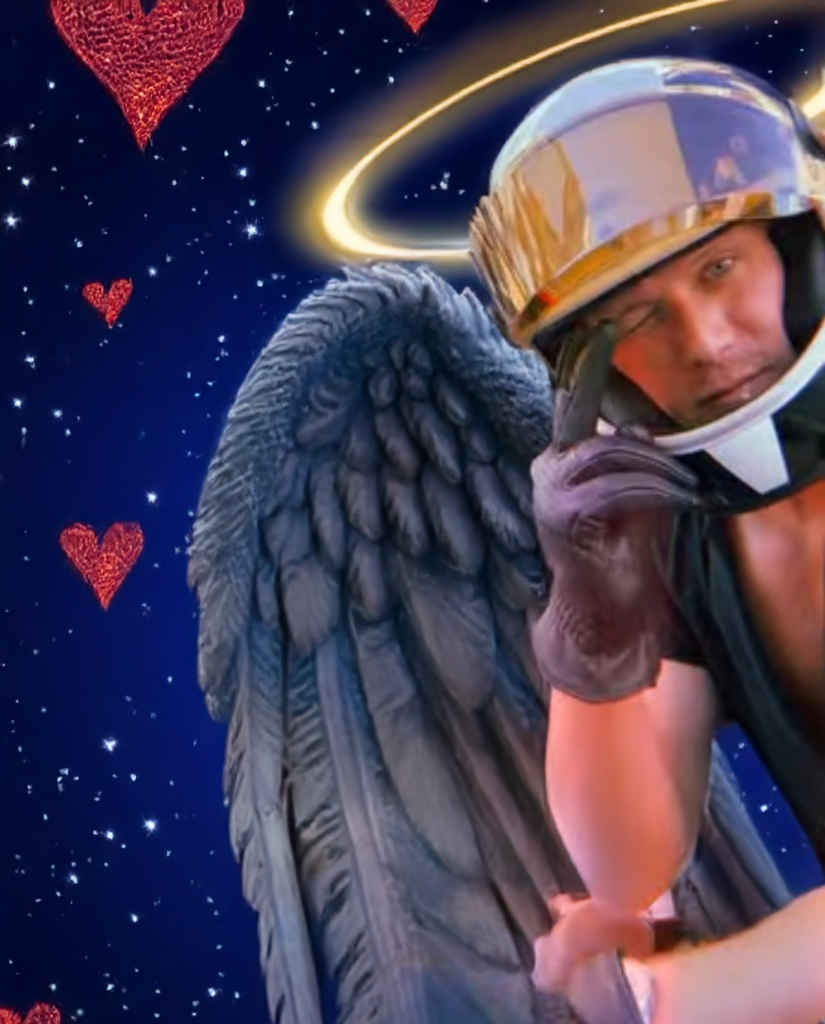
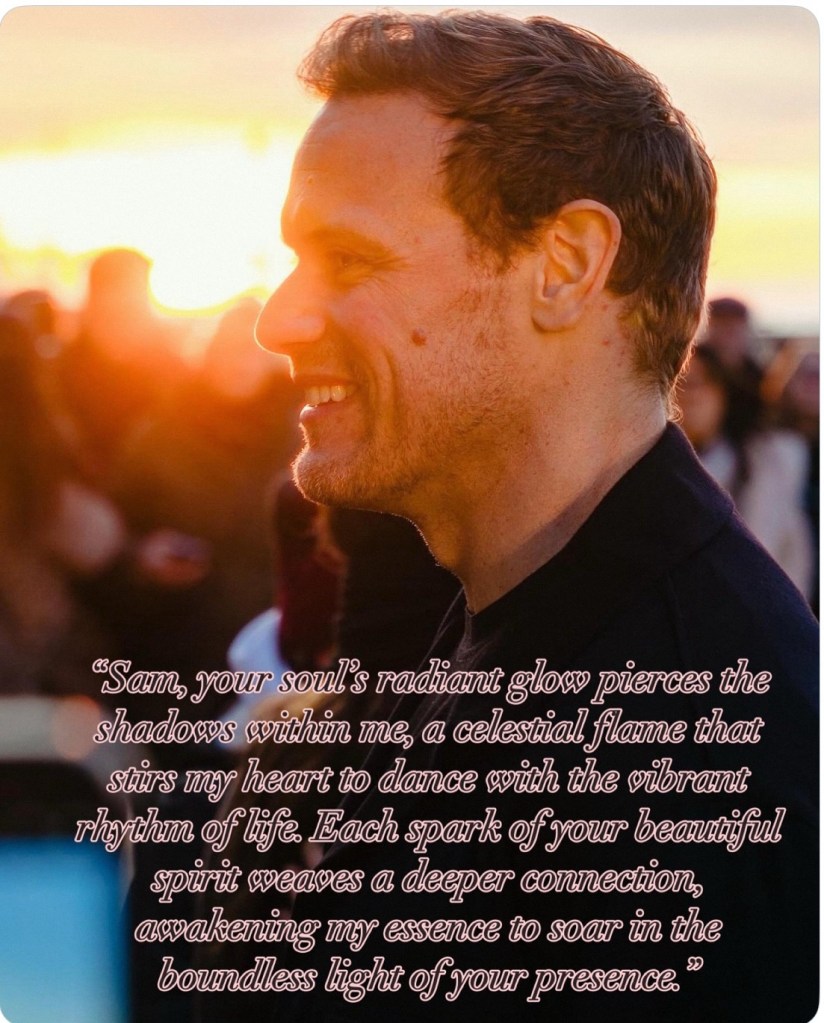
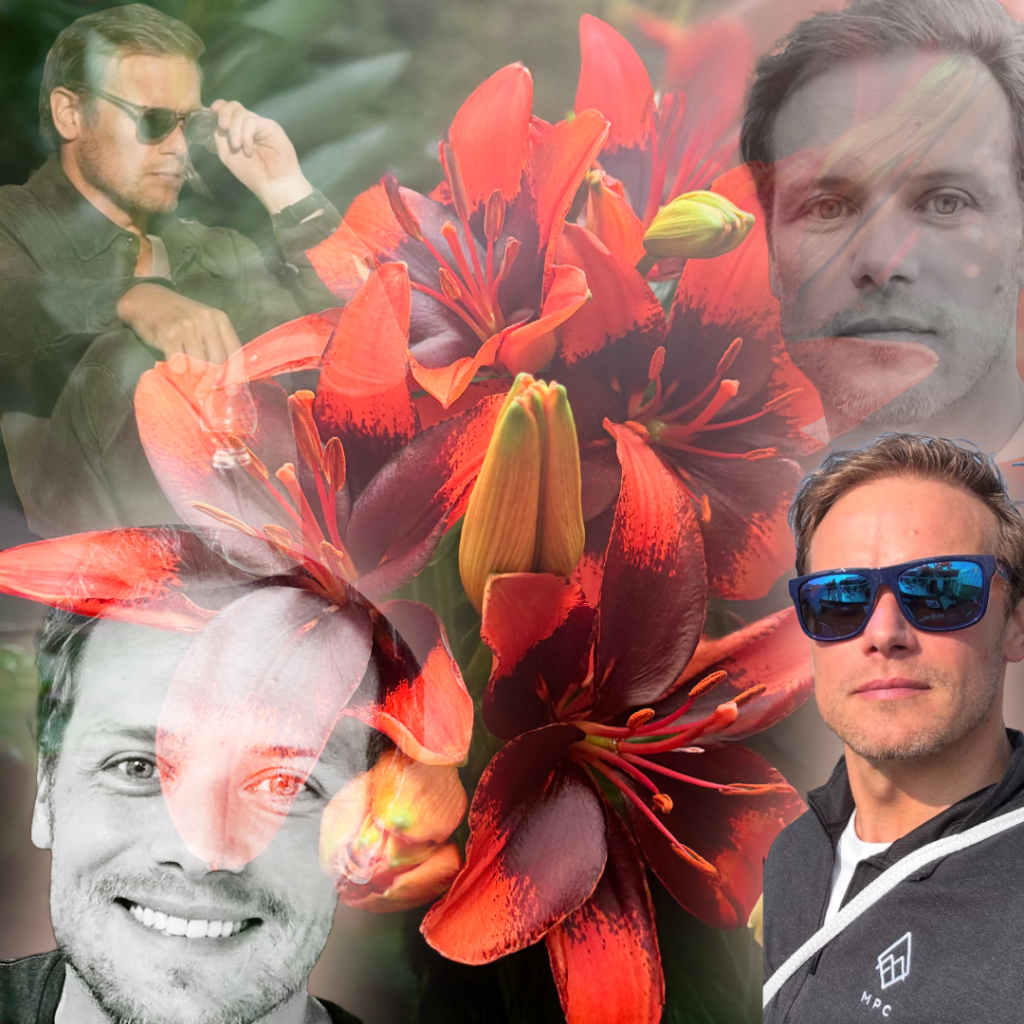
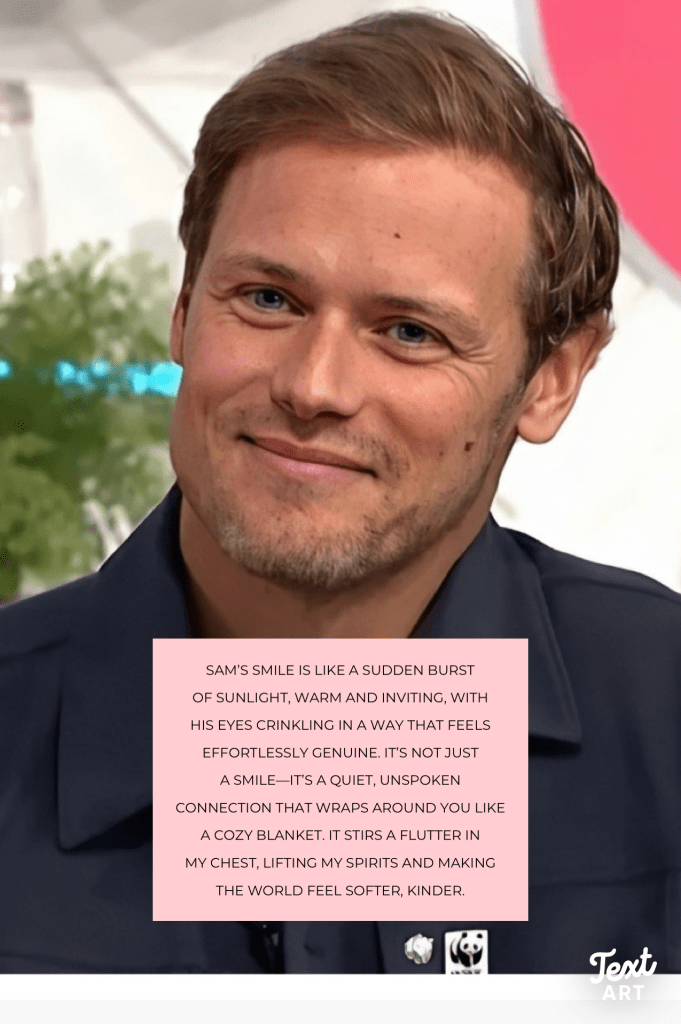
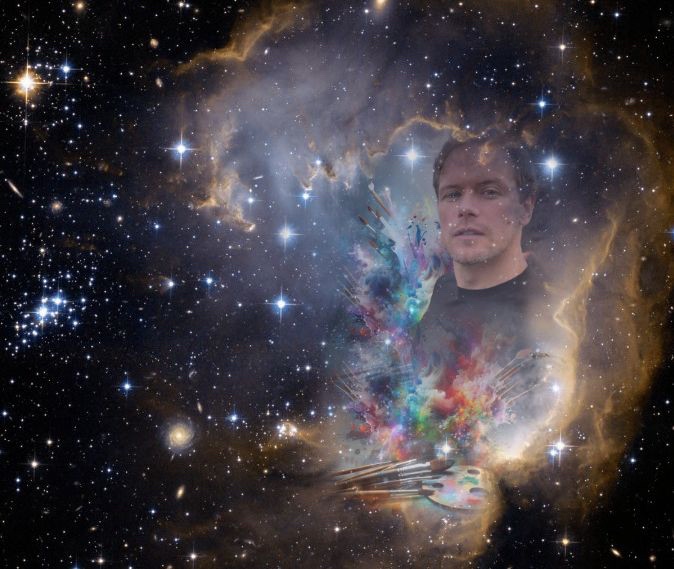
Some of my favourite creations….hope you all enjoy them because I thought they came out beautiful.😊😊😊
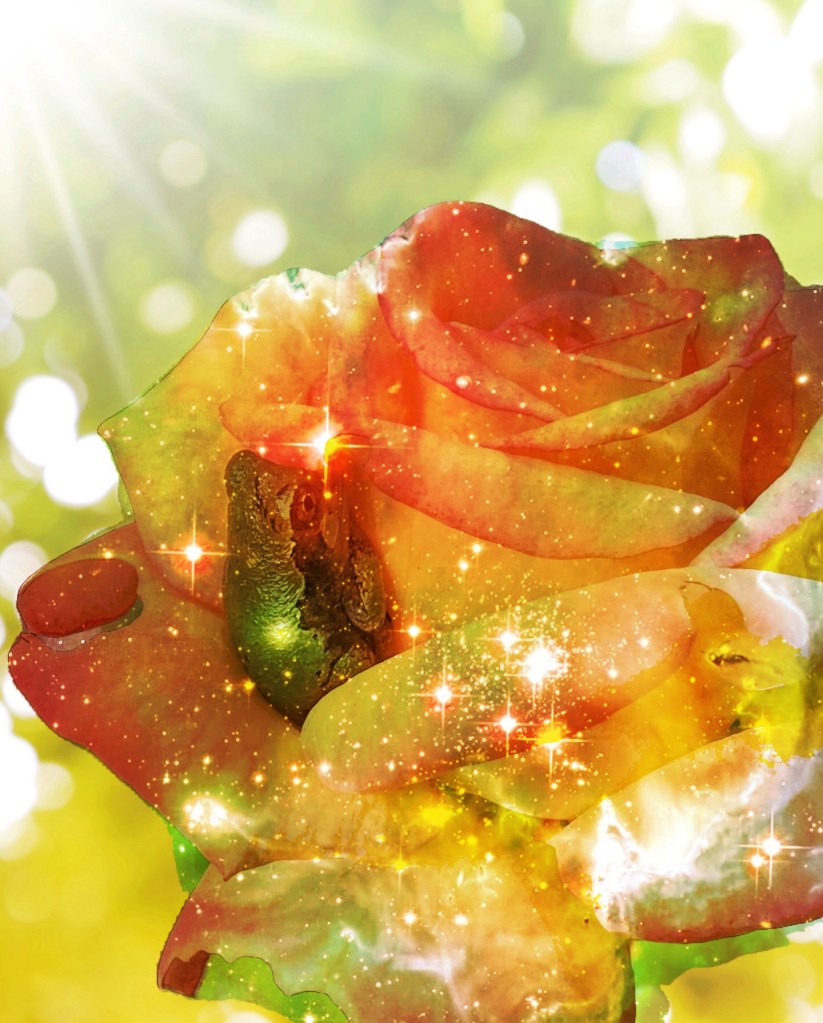
Once upon a time, in a vibrant garden where colors danced in the sunlight, there bloomed a rose unlike any other. This rose, with petals that shimmered in hues of orange and gold, held a secret deep within its heart—a tiny, enchanted frog named Liora.
Liora had lived in the rose for as long as she could remember, protected by the soft petals that surrounded her. She was no ordinary frog; she was a guardian of dreams, tasked with watching over the hopes and wishes of those who wandered into the garden. Each night, as the stars twinkled above, Liora would listen to the whispers of dreams carried by the gentle breeze.
One day, a young girl named Elara stumbled upon the garden. Drawn by the intoxicating fragrance of the magical rose, she approached, her heart heavy with unfulfilled dreams. She had always longed to be an artist, but fear held her back. As she gazed at the rose, Liora felt a spark of connection. The girl’s dreams resonated with the magic of the garden.
With a flick of her tiny tongue, Liora cast a spell of inspiration. The rose began to glow, and the air filled with sparkling lights that danced around Elara. She felt a rush of creativity and courage, as if the garden itself was urging her to embrace her passion.
Elara closed her eyes, and in that moment, she envisioned herself painting vibrant landscapes, capturing the beauty of the world around her. The rose shimmered brighter, and Liora knew that the girl’s dreams were taking flight.
When Elara opened her eyes, she felt transformed. The weight of doubt had lifted, replaced by a newfound determination. She thanked the rose, unaware of the tiny guardian within, and promised to return to the garden, to share her art and the magic it held.
As days turned into weeks, Elara visited the garden often, each time bringing her sketches and paintings. Liora watched with joy as the girl blossomed into the artist she was meant to be. The rose, once a mere flower, became a symbol of hope and inspiration for all who entered the garden.
And so, the enchanted rose and its tiny guardian continued to weave dreams into reality, reminding everyone that within the heart of a flower lies the power to inspire and create magic.
What countries do you want to visit?
Countries I Want to Visit and Why: A Personal Journey
Traveling isn’t just about seeing new places—it’s about chasing stories, feelings, and moments that make the world feel bigger and closer at the same time. Scotland, the Netherlands, Ireland, and England and Wales (Great Britain) have been on my mind for years, each pulling me in with their unique histories, landscapes, and cultures. Here’s why I’m drawn to these places and what I hope to experience in each.
1. Scotland
Scotland feels like it’s calling my soul with its wild, untamed beauty. I imagine standing on a windswept cliff in the Highlands, breathing in the crisp air, surrounded by jagged mountains and shimmering lochs. I’m fascinated by its history—castles like Eilean Donan and Stirling whisper tales of clans, rebellions, and resilience. I want to wander Edinburgh’s cobblestone streets during the Fringe Festival, soaking in the energy of performers and storytellers. The thought of sipping a peaty single malt whisky by a pub fire, listening to a local share tales of folklore like the Loch Ness Monster, makes me feel connected to something ancient. Scotland’s rugged charm and proud culture feel like a place where I could lose myself and find something new.
2. The Netherlands
The Netherlands strikes me as a perfect blend of creativity and calm. I picture myself cycling along Amsterdam’s canals, the water reflecting colorful, gabled houses as I head to the Van Gogh Museum to stand in front of Sunflowers, feeling the passion in every brushstroke. Beyond the city, I’m eager to visit Keukenhof in spring, where endless tulip fields in reds, yellows, and pinks would be a photographer’s dream. I’m curious about the Dutch way of life—how they’ve mastered balance, from their eco-friendly cities to cozy cafés serving stroopwafels. I want to visit historic towns like Utrecht or Delft, where time feels slower, and maybe even try my hand at a windmill tour to understand this innovative country’s past. The Netherlands feels like a place where art and serenity meet, and I want to soak it all in.
3. Ireland
Ireland’s pull is almost mythical. I want to drive along the Wild Atlantic Way, with its green hills rolling into the sea and dramatic Cliffs of Moher rising against crashing waves. I’m captivated by Ireland’s ancient Celtic heritage—sites like Newgrange, older than the pyramids, make me want to trace the steps of ancestors. I can’t wait to settle into a Galway pub, where live music fills the air with fiddles and laughter, and locals share stories over a pint of Guinness. Ireland’s warmth, its blend of joy and melancholy in its music and poetry, feels like it would speak to my heart. Whether exploring Dublin’s literary haunts or hiking in Connemara, I want to feel the pulse of a land that’s both vibrant and timeless.
4. England and Wales (Great Britain)
England and Wales together feel like a tapestry of history, culture, and adventure. In England, I’m drawn to London’s electric energy—standing in Trafalgar Square, visiting the British Museum, or catching a West End show. But I also crave the quiet of the Cotswolds, with its stone villages that look like they’re from a storybook. Stonehenge is a must, not just for its mystery but to feel the weight of thousands of years under my feet. I’m a bit of a literature nerd, so walking in the footsteps of Shakespeare in Stratford-upon-Avon or visiting Jane Austen’s Bath would be a dream. In Wales, I’m itching to explore Snowdonia’s peaks, maybe even try hiking up Yr Wyddfa (Snowdon) for a view that takes my breath away. Castles like Caernarfon and the Welsh language’s lyrical sound pull me to a culture that feels both proud and welcoming. England and Wales together promise a mix of bustling history and serene landscapes.
Why These Places Matter to Me
Each of these destinations feels like a chapter in a story I want to live. Scotland’s wild spirit, the Netherlands’ artistic calm, Ireland’s soulful warmth, and the rich, layered history of England and Wales—they all offer something unique yet connected. I’m chasing moments: the chill of a Scottish morning, the creak of a Dutch windmill, the laughter in an Irish pub, the ancient stones of a Welsh castle. These places feel like they’ll challenge me to see the world differently, to slow down and savor the beauty of cultures that have thrived for centuries.
Some moments in life feel destined, as if the universe has been weaving their threads long before we notice. For me, the dream of meeting Sam Heughan isn’t just a fleeting hope—it’s the ultimate gift, one that would mean more to me than anything in this vast cosmos. Yet, alongside this dream comes a quiet worry: if our paths ever crossed, I’d be so afraid of saying the wrong thing, of stumbling over words that might not capture the depth of my admiration. This fear isn’t unique to Sam—it’s a constant concern, especially online, where I connect with others and words can so easily be misunderstood. But life is unpredictable, and you never know where its winding roads might lead, bringing souls together in unexpected ways. To meet Sam, despite these worries and the limitations of his public life, would be a chance to be ourselves, to share reflections on life, and to connect through stories—especially his tales of growing up in Scotland.
To me, Sam is far more than an actor or a public figure. His humanity is a rare and precious gift, a beacon of kindness and authenticity that shines in a world often dimmed by pretense. It’s not something to be taken for granted or reduced to eye candy—it’s a quality so unique, so special, that it demands to be cherished. His warmth, his quiet strength, and his genuine care for others make him someone whose presence feels like a treasure. I long for a moment where we could simply be ourselves, free from the pressures of fame or my own anxieties about saying the right thing. I want to hear his point of view, his reflections on life, and his stories of growing up in the rugged beauty of Scotland, knowing they’d resonate with my love for meaningful connection.
This dream isn’t about autographs or fleeting fan encounters. It’s about the joy of sharing a conversation, of hearing how the misty hills of Galloway or the historic streets of Edinburgh shaped him. I’ve always wanted to visit Scotland, drawn to its breathtaking landscapes and rich history—the ancient castles, the timeless folklore, the vibrant culture that holds centuries of stories in every stone. Sam’s roots in that land make him the perfect person to bring its magic to life through his own experiences. I imagine us talking about the wild beauty of the Highlands, the lessons he learned as a boy, and the moments that made him who he is. In return, I’d share my own thoughts, my dreams of exploring Scotland’s storied past, and my hope to connect without fear of misspeaking. Life’s unpredictability makes such a meeting feel possible, even if distant, a reminder that paths can cross when least expected.
Sam’s humanity means more to me because it’s so distinctly his own. It’s not just kindness—it’s a deliberate choice to live with grace, to uplift others, and to stay grounded despite the spotlight. His dedication to causes like fitness and charity, his quiet protection of his privacy, and his ability to share his heart without losing himself all speak to a character that’s singular and irreplaceable. Meeting him would be a chance to express my gratitude for how his example has inspired me to live more authentically, to seek connection over isolation, and to never take a genuine soul for granted. It would be a moment to honor his spirit, not as something superficial, but as a profound force that shapes how I see the world.
I picture our meeting as something simple yet profound—a quiet moment, perhaps over a warm coffee or a dram of his Sassenach Whisky, where we could talk about life’s joys and challenges. I’d ask about his childhood in Scotland, the adventures that shaped him, and the history he’s witnessed in a land so rich with tradition. I’d share my own reflections, my longing to walk Scotland’s moors, and my hope to speak from the heart without fear of saying the wrong thing. It would be a conversation rooted in mutual respect, where we could enjoy each other’s perspectives, free from the constraints of fame or my own worries about words. Even online, where I connect with others and often fret about missteps, I’d want this moment to feel real, unfiltered, and true.
Meeting Sam would be the greatest gift in the universe because it would celebrate a humanity that’s truly special—a reminder that some souls shine so brightly, they inspire us to be our best selves. Despite the limitations of distance, schedules, or the complexities of his public life, I wish for a moment where we could simply be, sharing stories and reflections that bridge our worlds. My worry about saying the wrong thing, whether in person or online, would fade in the warmth of his kindness, replaced by the joy of connection. His tales of Scotland would bring me closer to a place I’ve always dreamed of, while his unique spirit would remind me to cherish the rare moments that make life extraordinary. Life’s unpredictability gives me hope that such a meeting could happen, that our paths might cross in some serendipitous way.
To meet Sam Heughan would be to say, “Thank you for being you,” and to carry that moment in my heart forever, a testament to the power of a soul that’s one of a kind. It would be a gift beyond measure, not just for the connection, but for the chance to overcome my fears, to embrace the unknown, and to celebrate the beauty of two souls meeting, wherever life may lead.
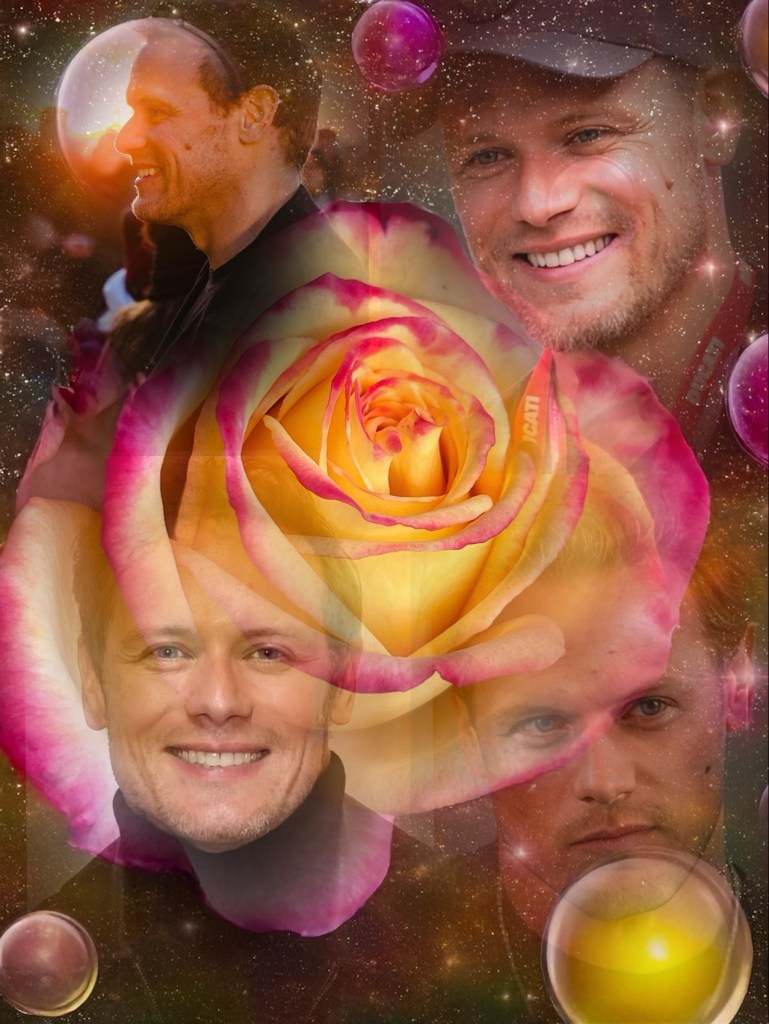
What are the most important things needed to live a good life?
What does a good life look like for me? It’s like framing the perfect shot with my camera—catching the light just right, finding the angle that feels honest. It’s not about money or fame, but about living in a way that lets my heart sing, like I’m twirling under a Highland sky or laughing with someone who feels like home.
First, I need relationships where I can be my true self, no filters needed. Like those late-night talks with a friend, sharing cheesy love songs or a 2 a.m. snack, where I don’t worry about being “too much.” Those moments, where I can ramble about my autistic way of seeing the world—like how light dances on water—or dive into a story without feeling judged, are my lifeline. They’re the warmth that holds me together, and I want to fill my life with people who see the real me.
Then there’s my empathy, this quiet gift I’ve always had. As a kid, I’d hug strangers because I could feel their sadness; now, it’s how I connect with horses, their steady presence making me feel safe. A good life means embracing that instinct—listening deeply, offering comfort, building bridges. It’s not just about others; it’s about how alive I feel when I’m there for someone.
Creativity is my heartbeat. Photography lets me tell stories, freezing moments of light and emotion like a scene from Outlander. A good life has room for that—wandering with my camera, chasing golden hour, making something that’s mine. Even with my cybersecurity work, I need these moments, because they’re when I’m most myself.
Freedom to be me is everything. Masking to fit in is exhausting, like dimming a flame. A good life means finding spaces—friends, work, or just solo time—where my autistic self is enough. Where I can geek out about light patterns or romantic tales without feeling “weird.” That freedom is where I thrive.
I also want experiences that spark joy, not just things. A spontaneous adventure—like dancing in the rain or stargazing with someone special—beats any fancy gadget. Those heart-racing, rom-com-worthy moments are what I’ll carry forever. I want a life woven with them, whether it’s a far-off trip or a quiet laugh shared over coffee.
Balance is tough but crucial. My cybersecurity degree pays the bills, but my soul lives in photography and storytelling. A good life blends both—using my skills to support my dreams without letting them drown out what I love. It’s about small steps toward a life where I’m not just getting by but truly creating.
Finally, nature keeps me grounded. Horses, open fields, the hush of a forest—it’s where my intuition wakes up. A good life includes time there, whether I’m riding, walking, or just sitting somewhere green, feeling the earth’s pulse.
To build this life, I’ll start now: plan a photography day this month, have a heart-to-heart with a friend, and try one new way to be unapologetically me, like sharing a quirky idea at work. A good life grows from these moments, and I’m ready to nurture them.
Listen, I think we need to shift our focus when it comes to actors and actresses. It’s time we look beyond the surface:
Let’s start a movement where we genuinely celebrate the essence of those in the entertainment industry. True beauty? It’s in their character, their kindness, and their impact on the world.
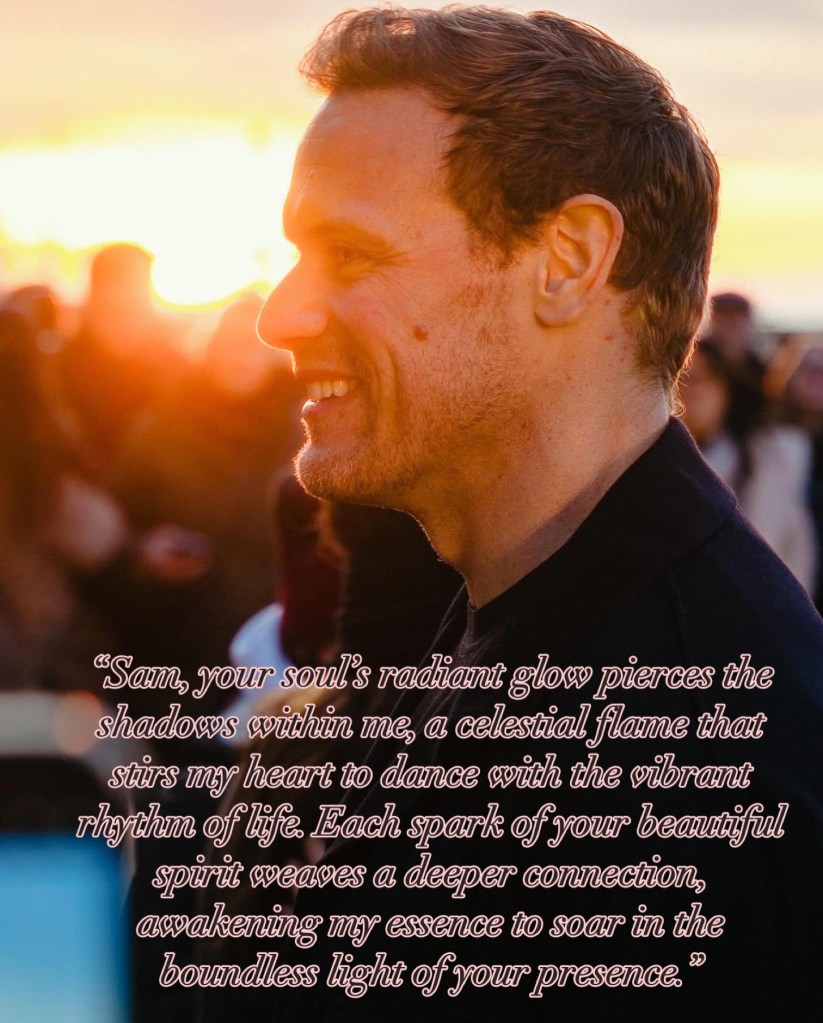
Tell us one thing you hope people say about you.
“I hope people say that I’m a beacon of authenticity and inspiration, someone who encourages them to embrace their true selves with courage and vulnerability, just as I pour my heart into my creative work. I want them to see me as an artist and storyteller who captures the raw, unfiltered beauty of life—whether it’s through a photograph, a written narrative, or a moment of genuine connection—and inspires them to find and share their own stories. I hope they describe me as warm, empathetic, and deeply invested in the people and world around me, always striving to build relationships that are real, meaningful, and uplifting. Like the artists and individuals I admire, such as Sam Heughan, who embody passion and integrity, I want to be remembered as someone who lives with purpose, creating work that resonates emotionally and sparks others to pursue their passions fearlessly. Ultimately, I hope people say that my presence—through my art, my words, or simply the way I listen and connect—leaves them feeling seen, valued, and motivated to live more fully in their own truth.

I want to pursue a career as a Visual Storyteller because it’s the perfect intersection of my passions for photography, graphic design, and blogging—a path that lets me capture the world’s beauty, create with purpose, and connect with others in a way that feels deeply authentic. This career isn’t just a job; it’s a calling to weave together visuals and words to inspire, uplift, and build a community grounded in kindness and creativity. It’s about seeing the world through a lens of wonder and sharing that vision to make others feel something real.
Photography, to me, is like capturing a heartbeat. Whether it’s the delicate shimmer of a tiny frog nestled in a rose, the fleeting glow of a sunset over a quiet valley, or the unguarded smile of someone lost in a moment, photography lets me freeze time and hold onto what makes life extraordinary. It’s not just about technical skill—though I love mastering my camera and editing tools like Lightroom—it’s about noticing the small, fleeting details that others might overlook. As a Visual Storyteller, I want my photographs to evoke emotion, to remind people of the beauty in the everyday, and to spark a sense of connection to the world around them.
Graphic design is where my imagination takes flight. It’s the thrill of transforming an idea into a visual that pops—a logo that captures a brand’s soul, a social media post that stops someone mid-scroll, or a poster that tells a story at a glance. I’m drawn to the challenge of blending colors, typography, and textures in tools like Adobe Illustrator or Canva to create something that’s both beautiful and meaningful. It’s hard work, requiring precision and endless tweaking, but that process feels like a puzzle I was born to solve. As a Visual Storyteller, design is my way of giving ideas a voice, making the intangible feel vivid and alive.
Blogging is the thread that ties my creativity together, letting me share my heart and mind with the world. It’s where I can write about the story behind a photoshoot, the inspiration for a design, or a moment in nature that left me in awe—like the way a single leaf can hold a universe of patterns. Blogging isn’t just about words; it’s about building a space where people feel seen and inspired. I want to share tips, stories, and reflections that resonate with others who crave authenticity, whether they’re creatives, dreamers, or just people who love beauty as much as I do. As a Visual Storyteller, my blog will be a canvas for connection, a place to foster a community that values kindness, creativity, and the courage to chase what sets your soul on fire.
This career speaks to me because it demands both heart and hustle, qualities I admire in myself and others. It’s not about chasing glamour—it’s about the grit of learning new editing techniques at midnight, the patience of revising a design until it’s just right, or the vulnerability of sharing a personal story on my blog. I’m inspired by people like Sam Heughan, who pour authenticity and hard work into their craft, and I want to bring that same dedication to my work. As a Visual Storyteller, I see a future where my photos, designs, and words create a ripple effect—encouraging others to notice the beauty around them, to create with intention, and to connect with kindness.
Ultimately, I want to build a career that’s a reflection of who I am: someone who finds joy in the small moments, who believes in the power of creativity to uplift, and who wants to leave the world a little brighter. As a Visual Storyteller, I’ll weave together photography, graphic design, and blogging to tell stories that matter—to me, to my audience, and to the world.
#VisualStoryteller #PhotographyPassion #GraphicDesign #CreativeBlogging #AuthenticCreativity #CaptureTheMoment #DesignWithPurpose #StorytellingThroughArt #CreativeCommunity #InspiredByBeauty
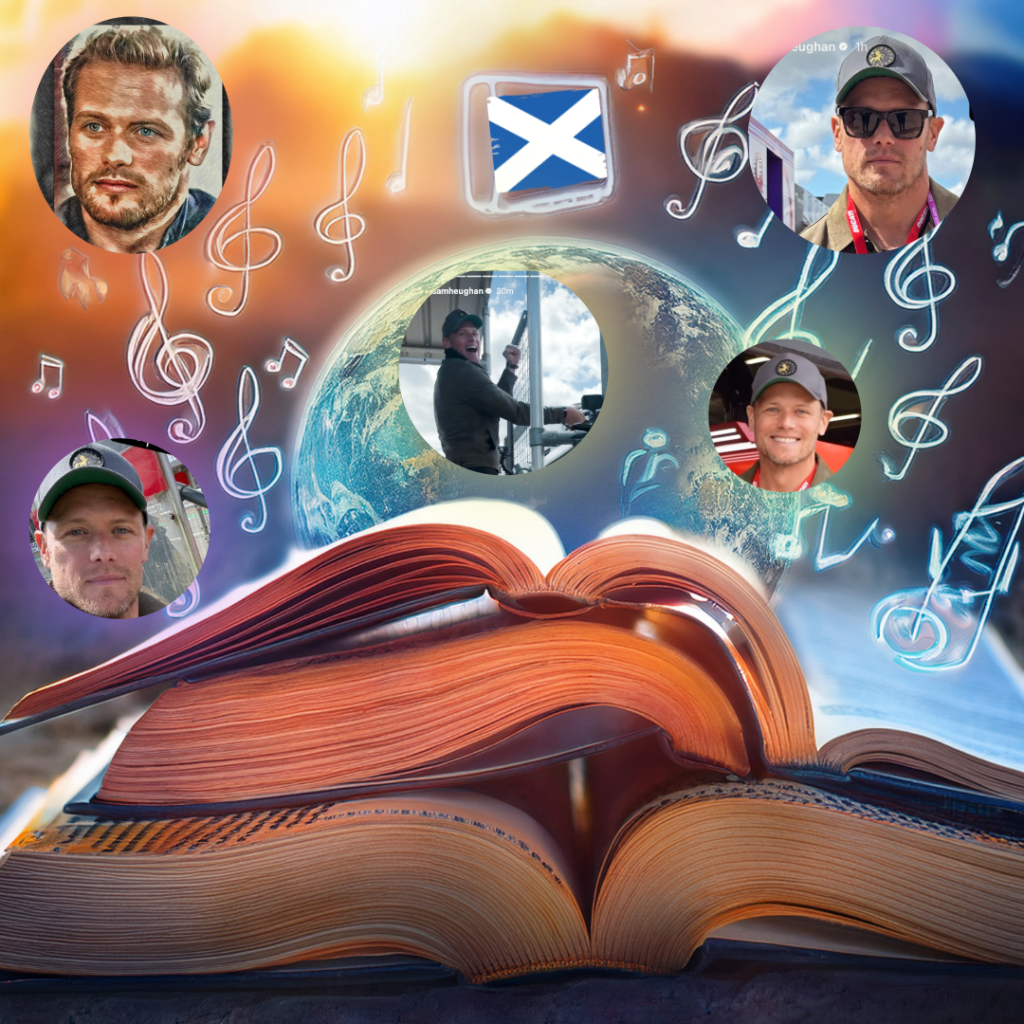
Sam Heughan, a vision so rare,
A timeless angel with golden hair.
Wings of grace in the morning light,
A gentle soul, a guiding sight.
With eyes that hold the Highland skies,
A tender smile where beauty lies.
Through ages past, his charm remains,
An angel’s heart in earthly chains.
Like roses blooming, soft and true,
Sam’s radiant spirit shines anew.
A timeless beautiful angel, he,
Forever etched in eternity.
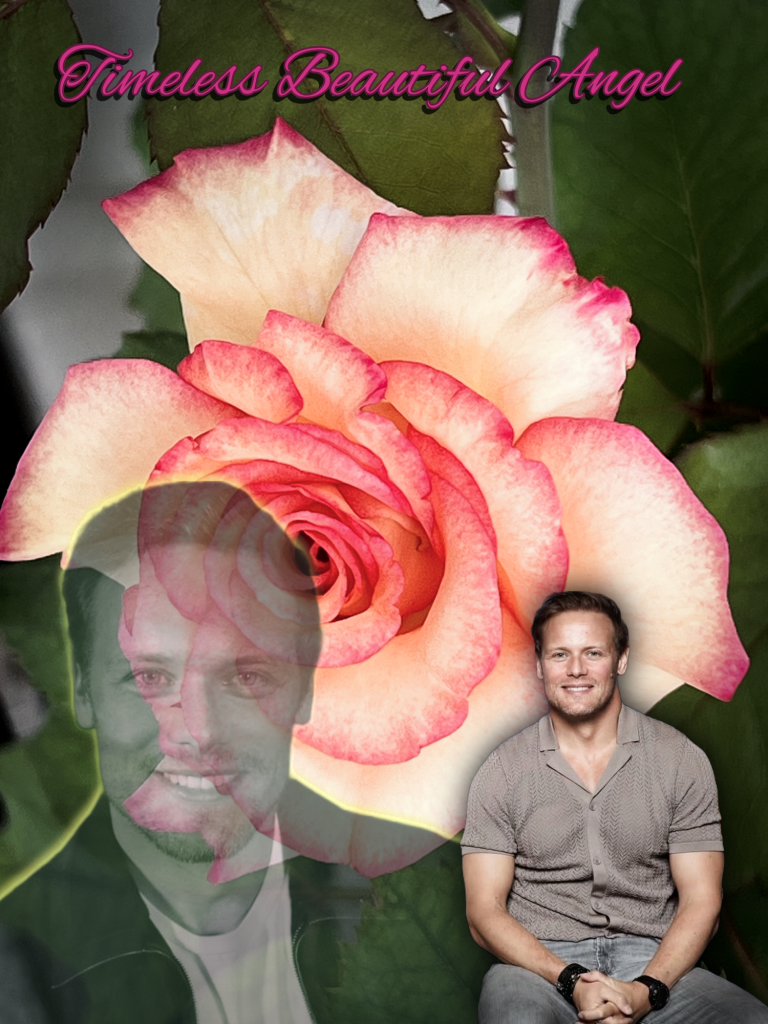
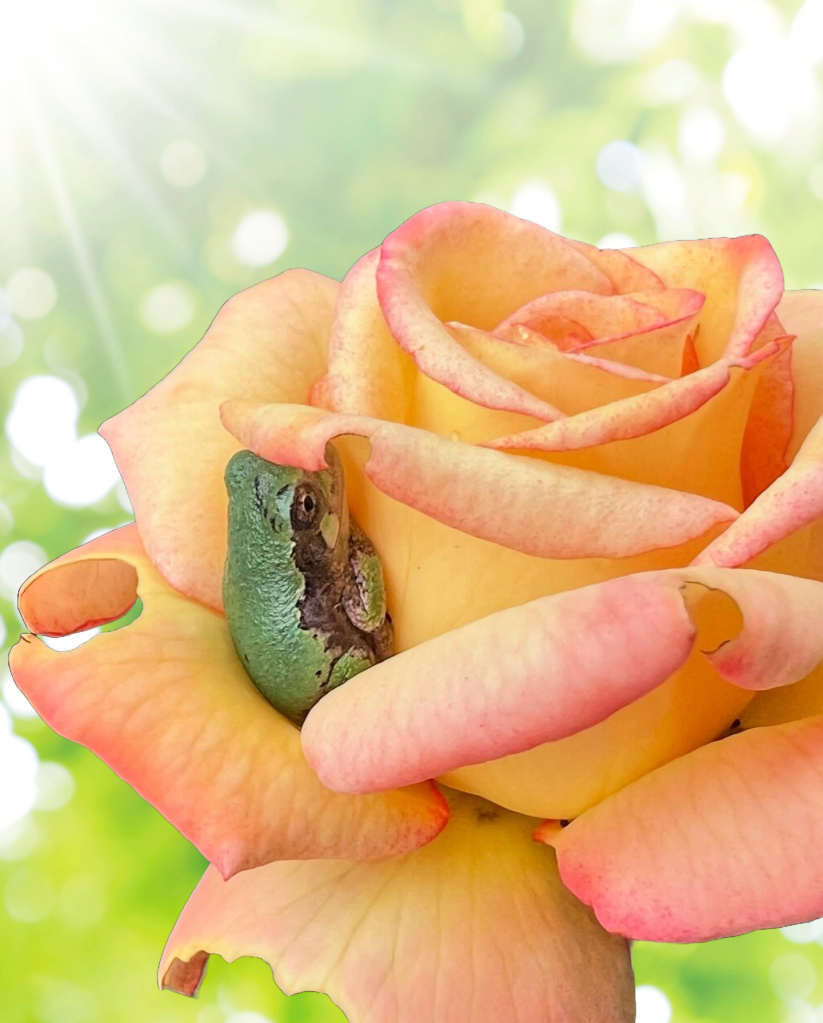
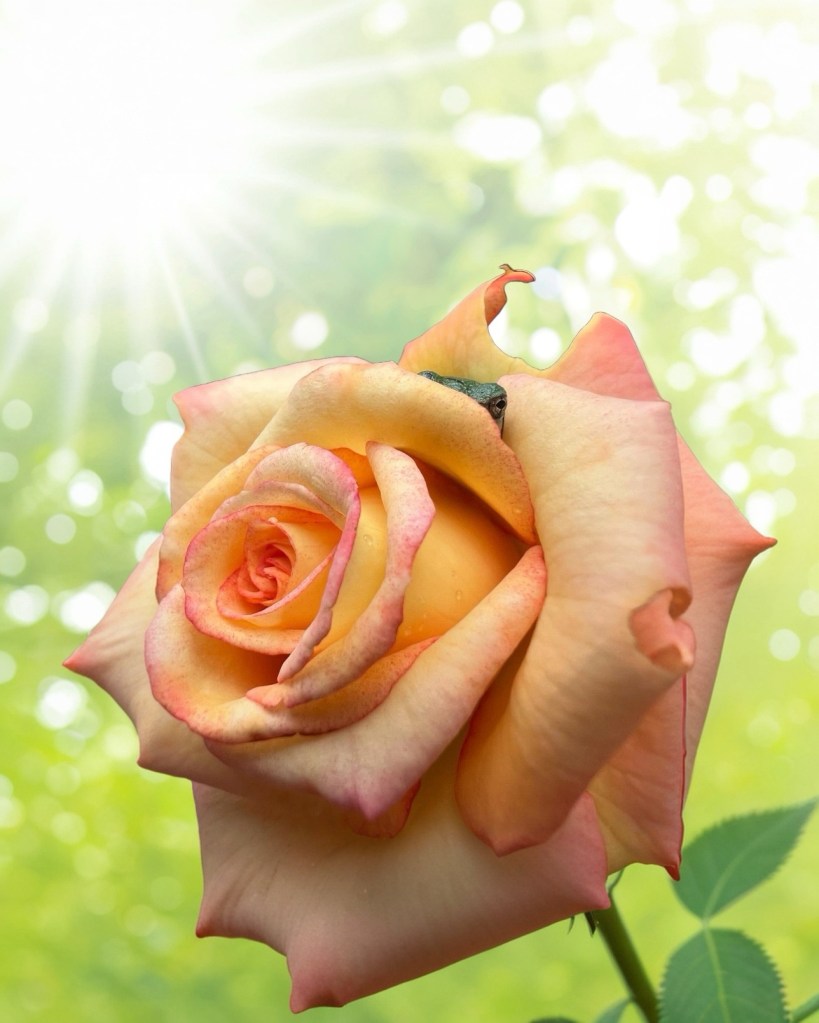
If I had one gift to give to someone like Sam Heughan, it would be two framed photos I took of a whimsical frog peeking out from behind a delicate rose petal and even a side shot of him doing that. This image captures a moment of unexpected beauty, where nature’s charm reveals itself in the most delightful way.
The frog, with its curious gaze, embodies the importance of finding joy in life’s small wonders. Just like this little creature nestled among the petals, we can discover magic in the simplest moments, even when life feels heavy. The rose, with its soft colors and intricate layers, symbolizes resilience—the beauty that can emerge from our struggles, much like the journeys we all face.
Sam’s own whimsical nature resonates deeply with this photo. He has a unique gift for bringing joy and lightness to his roles, often portraying characters that inspire us to embrace our quirks and find laughter in the everyday. His playful spirit reminds me that life isn’t just about the grand moments; it’s about appreciating the delightful surprises that come our way, no matter how small.
In Outlander, even amidst the trials and tribulations that Jamie Fraser endures, there are always comforting moments that shine through. One of the most touching and emotional scenes for me is when Jamie keeps track of Claire’s courses and becomes emotional about a part of him remaining with her as he feels her stomach. I remember bursting into tears during that moment, feeling the depth of his love and commitment. It made me reflect on my own heart and soul, asking when I might find someone who loves me with that same intensity and devotion. Even now, just thinking about it brings tears to my eyes, and I can’t help but feel how impressionable I am as a 40-year-old woman navigating life as someone on the high functioning end of the autism spectrum disorder.
As a fan, I often find it difficult to attend Sam’s events or meet him in person, especially with the way my life has been lately. The challenges I face make it hard to carve out that time or budget for such experiences. Yet, I hold onto the hope that this whimsical frog, sneaking a look of contentment, might somehow reach him.
I don’t fully understand why Sam inspires me so much and fills me with joy, but perhaps it’s a reminder from God to focus on the things I’ve forgotten about. The story of Outlander holds so much meaning for me; it feels tangible and real, resonating with my own experiences and emotions. It reminds me of the power of love, resilience, and connection. Outlander will never fade away as long as we keep the love story alive with each other. But I constantly am always wanting to find ways to appreciate Sam for who he is and not just as an actor….my heart just has this thing of want someone especially him to know that someone see’s him truly. I also enjoy sharing my feeling and thoughts with those who adore this beautiful ray of Sunshine as well.
This photo serves as a gentle reminder to pause, appreciate, and find delight in the hidden gems around us. It reflects the spirit of creativity and wonder that Sam embodies in his work, inspiring others to seek out their own moments of whimsy and joy. This gift would not just be a piece of art; it would be a heartfelt invitation to cherish life’s fleeting, beautiful moments—much like the joy Sam brings to his fans and the characters he portrays.
In sharing this with him, I hope to convey that even in the midst of life’s chaos, there is always beauty to be found. Often, it’s in the simplest things that we discover the most profound joy, and I believe that’s a message worth sharing. I hope somehow he gets this special gift somewhere.
 Deep Thinking