There’s something I’ve been sitting with for a while now… something that feels important to say, not just as a fan, but as a human being trying to understand another human being more deeply.
I keep seeing people talk about how Sam Heughan seems “different” in interviews after Outlander wrapped. Quieter. More reserved. Not quite the same energy people remember.
And I think the question people are asking is:
What changed?
But the question I keep coming back to is:
What if nothing is wrong at all?
What if what we’re seeing… is what it actually looks like when someone steps out of years of intensity and finally has space to just be?
Because from my perspective—as someone who is autistic and has spent years working in retail, constantly navigating a fast-paced, overwhelming environment—I understand what it means to live in a state of being “on” almost all the time.
And I don’t think people fully realize what that does to a person over time.
When you’re “on,” you’re not just doing tasks.
You’re managing your tone, your facial expressions, your reactions.
You’re filtering yourself in real time.
You’re reading people, adjusting to them, keeping things smooth—even when internally, you might feel overstimulated, exhausted, or completely drained.
For me, that’s what masking looks like.
It’s smiling when I’m overwhelmed.
It’s staying calm when everything around me feels chaotic.
It’s pushing through noise, pressure, expectations—because that’s what’s required to function in that space.
And after doing that day after day… year after year…
You don’t just clock out and instantly feel like yourself again.
There’s a delay.
There’s a kind of emotional and mental echo that lingers.
And sometimes, when you finally step out of that constant state of performance… you don’t feel like the version of yourself people are used to seeing.
You feel quieter.
More inward.
More careful.
Not because you’ve lost who you are—
But because you’re finally in a space where you don’t have to project it all the time.
And that’s where I think the misunderstanding happens.
People are used to seeing a version of someone that exists within a role, within a system, within a certain expectation. In his case, that role carried years of emotional storytelling—love, loss, trauma, strength—all expressed outwardly, over and over again.
That takes something out of you.
Not in a negative way, but in a very real, human way.
So when that role ends, or even shifts, there’s a natural period of recalibration.
A return.
But returning to yourself isn’t always loud or obvious.
Sometimes it looks like pauses.
Like quieter answers.
Like someone choosing not to give as much of themselves away all at once.
And from the outside, that can be mistaken as distance.
But from the inside?
It can feel like relief.
I’ve had moments like that in my own life—especially after long stretches of working in environments where I had to constantly adapt just to be understood.
Moments where I didn’t feel like the “version” of me people expected.
And I’ve realized something important through that:
That version wasn’t the only version of me.
It was just the one people were most familiar with.
So when I see him now, I don’t see someone who’s “not himself.”
I see someone who may be shedding layers that were necessary for a time… but not meant to be carried forever.
I see someone protecting their energy.
I see someone allowing space for a more natural rhythm.
And I think… if more people understood what it feels like to live in that constant state of giving, adapting, and performing—whether it’s on a set or on a retail floor—they might pause before labeling that shift as something negative.
Because not every change is a loss.
Sometimes it’s a return.
Sometimes it’s healing.
And sometimes… it’s the first real breath someone has taken in a long time.
So before we say someone seems different… or not like themselves…
Try standing in his shoes for a moment.
Not as a fan.
Not as someone watching from the outside.
But as someone who knows what it feels like to carry expectations, to adapt constantly, and to slowly find your way back to yourself when the weight lifts.
Because from that place…
You might not see someone who’s changed in a way that should be questioned.
You might see someone who’s finally allowing themselves to exist without having to perform it.
There’s been a growing conversation lately around the idea that Jamie Fraser’s emotional depth has somehow been diminished in the show, while Claire has been elevated in a way that overshadows him. I’ve taken time to really think about that perspective, not just react to it, and the more I sit with it, the more I realize that what people are responding to isn’t always the story itself—it’s how they’re interpreting what they’re seeing. From my point of view, Jamie’s emotional presence has never been removed. It’s simply being expressed in a way that requires a different kind of attention.
Jamie has never been a character who exists through constant verbal expression. His emotional strength has always been rooted in restraint, in the way he carries himself, and in the quiet intensity of his actions. That kind of depth doesn’t always translate in obvious ways on screen, especially in a visual format where time is limited and storytelling has to be more condensed. What may feel like something missing to some viewers can actually be a shift in how that emotion is being communicated. Instead of long internal reflections like in the books, the show often relies on subtle cues—facial expressions, pauses, and physical presence—to convey what he’s feeling. That doesn’t erase his emotional depth; it asks the audience to engage with it differently.
It’s also important to remember that this is an adaptation, not a direct replication of the books. Television comes with structural limitations that don’t allow every moment, thought, or layer from the source material to be included. Scenes are shortened, combined, or sometimes removed entirely in order to maintain pacing and fit within episode constraints. That doesn’t mean the essence of the character is lost—it means the storytelling has been translated into a different medium. Emotional beats that were once spelled out in detail may now exist in a more condensed or visual form, which can easily be overlooked if someone is expecting the same delivery as the books.
When it comes to Claire, I don’t see her presence as something that takes away from Jamie. The story has always been largely told through her perspective, so naturally her voice can feel more prominent at times. That isn’t a new shift—it’s part of the foundation of the narrative. Claire’s strength, independence, and emotional expression don’t diminish Jamie; they create balance. Their relationship has always been built on that dynamic—two strong individuals meeting each other fully, rather than one existing in the shadow of the other. Allowing Claire to take up space doesn’t reduce Jamie’s importance; it reinforces the partnership that defines their connection.
I also think there’s a distinction that often gets overlooked between the story itself and how audiences talk about it. Some of the frustration people are expressing seems to come more from how certain viewers interpret or prioritize the characters, rather than what the show is actually presenting. And even that experience isn’t universal. The tone of the conversation changes depending on where you’re engaging with it. On platforms like Instagram and Threads, I tend to see more balanced and thoughtful discussions that appreciate both Jamie and Claire for what they bring to the story. On X, however, the conversation can lean more negative, and that can create the impression that a particular viewpoint is more dominant than it actually is. In reality, it’s often just the loudest voices shaping the perception.
At some point, I think it’s important to acknowledge that no adaptation—or any form of storytelling coming out of Hollywood—is ever going to satisfy every expectation. These are creative decisions being made by people who are working within real constraints while trying to bring a story to life in a meaningful way. It’s not always going to look exactly how each individual viewer imagined it, and it’s not designed to. Part of appreciating storytelling, especially something as layered as this, is allowing space for interpretation without assuming that a difference in delivery means something has been taken away.
For me, Jamie Fraser was never diminished. His emotional depth is still present, still intentional, and still one of the most compelling parts of the story. The difference is not in his character—it’s in how closely we’re willing to look.
Every time someone well known steps back into the spotlight, something very predictable happens online.
A short clip appears.
Someone zooms in.
Someone slows it down.
Someone posts a theory.
Within hours the speculation begins spreading across social media like wildfire.
This is how rumor culture works today.
A few seconds of video suddenly becomes a full story. That story gets reposted, analyzed, and repeated until people begin treating speculation like it’s a confirmed fact.
But the truth is simple: short clips rarely tell the full story.
Camera angles can be misleading. A greeting can look like something else depending on perspective. Edits, reposts, and slowed footage can turn ordinary moments into something dramatic when they were never meant to be.
When we only see a few seconds of video, our brains naturally try to fill in the missing pieces. Unfortunately, the story our minds create is not always the truth.
Often those clips are also removed completely from context. What happened before the camera started recording? What happened right after? Who else was present in that moment?
Without that context, a few seconds of footage can easily be misunderstood.
Today’s digital world has also made things even more complicated. Editing tools and AI can enhance, trim, zoom, and slow clips in ways that make moments appear very different from how they actually happened.
That is exactly why responsible journalism exists.
Real journalists verify information before reporting it. They check sources, confirm context, and make sure a story is grounded in fact. A single ambiguous clip is never enough to establish the truth.
Unfortunately, some corners of the internet don’t operate that way.
Anyone can post anything. One post becomes ten reposts. Ten reposts become “evidence.” And suddenly speculation begins to masquerade as certainty.
Rumors grow like weeds.
They spread quickly, choke out facts, and thrive on attention. The more people analyze them, repost them, and argue about them, the more they grow.
And there’s another pattern many longtime fans have noticed.
Every time Sam Heughan is thrown back into the spotlight — when a new season is released, when premieres happen, when interviews begin circulating — rumors suddenly begin appearing again.
Clips get dissected.
Theories appear.
Certain pages begin pushing dramatic stories.
Why?
Because attention brings clicks.
And clicks bring engagement.
Unfortunately, some corners of the internet have discovered that speculation about a public figure’s personal life generates traffic. The more dramatic the claim, the more views it receives. I’ve even heard that some YouTube creators attempt to build content and possibly make money from speculation about Sam’s personal life.
Whether every claim about that is true or not, the fact that this kind of rumor economy exists should make all of us pause.
A real person’s private life should never become someone else’s business model.
And that’s where fans have a responsibility.
The best thing we can do is shut these rumors down early — nip them in the bud before they grow into something bigger than they ever were. Rumor culture might seem harmless at first, but once people get caught up in it, it quickly becomes unhealthy and toxic.
That’s why I often say this very clearly:
Please do not drag me into rumor conversations.
I’m not interested in decoding slowed-down clips.
I’m not interested in screenshots presented as “proof.”
And I’m not interested in gossip disguised as investigation.
If something is real, it will eventually be confirmed through reliable journalism or by Sam himself.
Until then, it remains exactly what it is: speculation.
Over the years, Sam Heughan has been very clear about something important. He keeps his private life private. He has said this consistently in interviews and has drawn that boundary himself.
And that boundary deserves respect.
Just as importantly, Sam Heughan does not owe anyone access to his personal life. Being a public figure does not mean surrendering every part of one’s privacy to the internet. Fans may admire his work, but admiration should never turn into entitlement.
Sometimes the healthiest thing people can do is step back from speculation and focus on their own lives instead of trying to dissect someone else’s.
Real admiration does not look like rumor hunting.
Real admiration looks like respect.
It means trusting the words someone has spoken about their own life instead of trying to decode a few seconds of video. It means stepping away from rumor-driven spaces and refusing to give attention to speculation.
Most importantly, it means remembering why we became fans in the first place.
Not because of gossip.
Not because of speculation.
But because of the stories he brings to life.
When we focus on the work, the creativity, and the storytelling that inspired us, the noise of rumors fades into the background where it belongs.
Sometimes the best way to deal with rumor weeds is simple:
Why red carpet photos and anonymous tips often create stories that were never there.
In the modern digital age, celebrity culture moves at extraordinary speed. A photograph taken in a crowded room can be uploaded within minutes, shared across social platforms, discussed in comment sections, and eventually turned into a rumor that thousands of people repeat.
What began as a normal moment can quickly become a story that was never intended to exist.
This phenomenon is especially common during premieres, press events, or industry gatherings where actors are photographed constantly. Cameras capture hundreds of candid interactions throughout the evening. But when a single frame is removed from its context and shared online, the interpretation of that moment can change dramatically.
Understanding how this cycle works helps explain why so many celebrity rumors begin with something very ordinary.
The Reality of Red Carpet and Industry Events
To someone watching from the outside, red carpet premieres can look glamorous and controlled. In reality, they are fast-moving, crowded environments where many interactions happen simultaneously.
Actors attending premieres or press events are rarely alone. Throughout the evening they are typically surrounded by a wide range of people connected to the project or event. These may include:
fellow cast members
producers and directors
studio executives
publicists and managers
brand representatives
photographers and videographers
friends and colleagues attending the event
These environments are busy, loud, and tightly scheduled. Publicists often guide actors through crowds while photographers call out directions. Conversations happen quickly and often very close together simply because it is difficult to hear over the noise of the room.
Because of this, small gestures are extremely common. Someone may touch another person’s back to guide them through a crowd. A colleague might lean in closely to speak. Friends greet each other with brief hugs or supportive gestures.
These are completely normal social behaviors in busy environments.
However, when one photograph captures only a fraction of that interaction, viewers may interpret it very differently from how the moment actually unfolded.
The Power of a Single Frame
Professional photography agencies such as Getty Images document public events extensively. Photographers often take hundreds or even thousands of photos in rapid succession.
These images capture brief moments such as:
greetings between colleagues
conversations during crowded events
quick hand gestures while speaking
a publicist guiding someone through a group
photographers directing a pose for the camera
Each photograph represents only a split second of time.
When viewers see a single isolated image without the surrounding sequence of photos, it becomes easy to assume a narrative. Human psychology naturally tries to fill in missing context, especially when people already have curiosity about a public figure.
A gesture that lasted two seconds can suddenly be interpreted as something far more significant.
The Rise of Anonymous Gossip Submissions
In recent years, social media has accelerated how quickly speculation spreads. Accounts dedicated to celebrity gossip frequently rely on anonymous submissions sent by followers who claim to have witnessed something involving a public figure.
One widely known example is DeuxMoi, which publishes anonymous tips about celebrity sightings and rumors.
These types of submissions usually follow a similar format:
“A friend saw…”
“Someone at the event said…”
“Spotted with a mystery person…”
It is important to recognize that most of these tips are:
anonymous
unverified
based on personal interpretation rather than confirmed information
Even the platforms that publish these submissions often include disclaimers explaining that the information has not been verified.
Despite this, once a rumor appears online it can spread rapidly. Other accounts repeat the story, screenshots circulate, and discussions grow around an event that may have been misinterpreted from the start.
Why Rumors Often Appear During Major Events
Rumors rarely appear at random. They tend to increase during periods when actors or public figures are receiving significant attention.
This often occurs during:
television season premieres
film festivals
press tours
award ceremonies
major product launches or business announcements
During these periods, media coverage increases and photographers capture more images. Fans are also paying closer attention to public appearances.
More attention naturally leads to more speculation.
A moment that might have gone unnoticed during a quiet time can suddenly become a topic of conversation simply because more people are watching.
Understanding the Difference Between Rumor and Journalism
Not all sources of information operate under the same standards.
Professional journalism follows editorial processes designed to verify information before publication. Established outlets such as Variety, The Hollywood Reporter, Reuters, BBC, and Associated Press rely on confirmation, sources, and editorial review before presenting claims as fact.
By contrast, rumor-based content often comes from places that prioritize speed and speculation over verification.
Examples of sources that frequently spread unverified rumors include:
anonymous gossip submission accounts
blind-item rumor blogs
unsourced screenshots circulating on social media
speculation threads without confirmation
These platforms may occasionally report something accurate, but they are not structured around verification in the same way professional journalism is.
For readers, recognizing the difference between these types of sources is essential.
Why Context Matters
One of the biggest challenges in modern media culture is the loss of context.
A photograph taken during a crowded event shows only a single perspective. It does not show the moments before or after. It does not capture the full conversation, the surrounding people, or the environment of the event.
Without that context, audiences may interpret what they see in ways that were never intended.
In many cases, rumors begin not because anyone deliberately created a false story, but because viewers simply misunderstood what they were seeing.
A More Thoughtful Approach to Celebrity Culture
Fans and readers play an important role in shaping the tone of online discussions about public figures.
When speculation begins circulating online, it can be helpful to pause and ask a few questions:
Where did this information originate?
Is the claim supported by a reliable source?
Could the moment simply be a normal interaction taken out of context?
Approaching celebrity culture with curiosity rather than assumption helps prevent rumors from spreading unnecessarily.
Respecting the Human Side of Public Figures
Actors, artists, and creators share their work with audiences, but their personal lives remain their own unless they choose to share them publicly.
A respectful fandom recognizes the difference between appreciating someone’s work and speculating about private aspects of their life.
Celebrating performances, storytelling, and creative achievements keeps conversations focused on the things that artists themselves choose to share with the world.
Sometimes the most thoughtful response to a rumor is simply to step back, look at the larger picture, and remember that behind every photograph is a real person living a real life beyond the frame.
Sources and References
Getty Images – editorial photography from entertainment events
Note: Anonymous gossip submissions and rumor-based accounts often publish unverified information and should not be treated as confirmed reporting
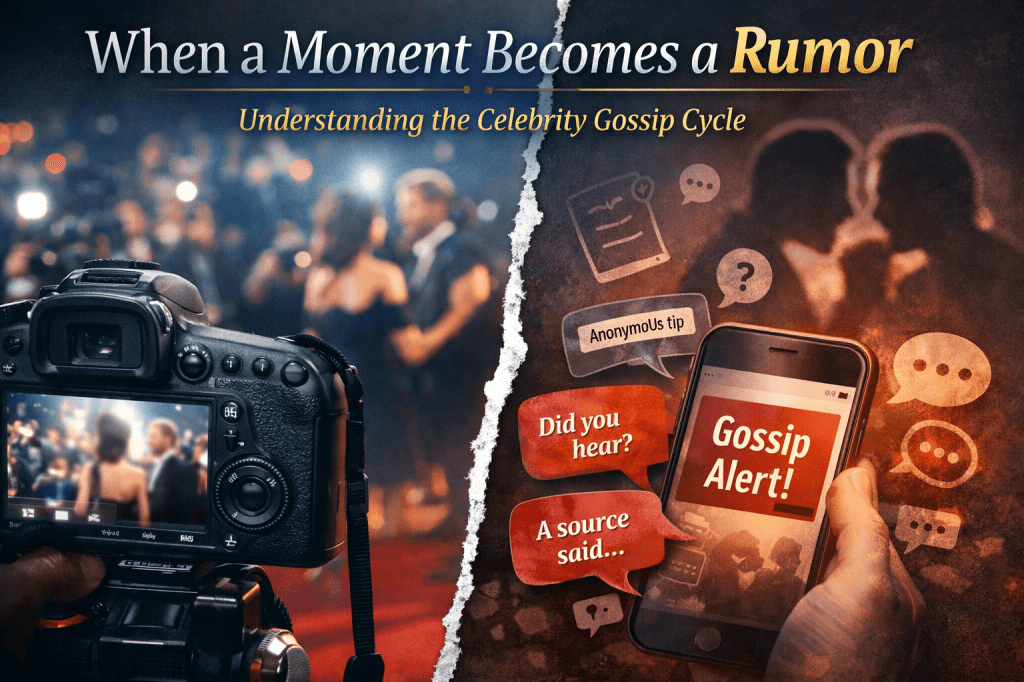
When a Moment Becomes a Rumor: Understanding the Celebrity Gossip Cycle
Why red carpet photos and anonymous tips often create stories that were never there.
In the modern digital age, celebrity culture moves at extraordinary speed. A photograph taken in a crowded room can be uploaded within minutes, shared across social platforms, discussed in comment sections, and eventually turned into a rumor that thousands of people repeat.
What began as a normal moment can quickly become a story that was never intended to exist.
This phenomenon is especially common during premieres, press events, or industry gatherings where actors are photographed constantly. Cameras capture hundreds of candid interactions throughout the evening. But when a single frame is removed from its context and shared online, the interpretation of that moment can change dramatically.
Understanding how this cycle works helps explain why so many celebrity rumors begin with something very ordinary.
The Reality of Red Carpet and Industry Events
To someone watching from the outside, red carpet premieres can look glamorous and controlled. In reality, they are fast-moving, crowded environments where many interactions happen simultaneously.
Actors attending premieres or press events are rarely alone. Throughout the evening they are typically surrounded by a wide range of people connected to the project or event. These may include:
fellow cast members
producers and directors
studio executives
publicists and managers
brand representatives
photographers and videographers
friends and colleagues attending the event
These environments are busy, loud, and tightly scheduled. Publicists often guide actors through crowds while photographers call out directions. Conversations happen quickly and often very close together simply because it is difficult to hear over the noise of the room.
Because of this, small gestures are extremely common. Someone may touch another person’s back to guide them through a crowd. A colleague might lean in closely to speak. Friends greet each other with brief hugs or supportive gestures.
These are completely normal social behaviors in busy environments.
However, when one photograph captures only a fraction of that interaction, viewers may interpret it very differently from how the moment actually unfolded.
The Power of a Single Frame
Professional photography agencies such as Getty Images document public events extensively. Photographers often take hundreds or even thousands of photos in rapid succession.
These images capture brief moments such as:
greetings between colleagues
conversations during crowded events
quick hand gestures while speaking
a publicist guiding someone through a group
photographers directing a pose for the camera
Each photograph represents only a split second of time.
When viewers see a single isolated image without the surrounding sequence of photos, it becomes easy to assume a narrative. Human psychology naturally tries to fill in missing context, especially when people already have curiosity about a public figure.
A gesture that lasted two seconds can suddenly be interpreted as something far more significant.
The Rise of Anonymous Gossip Submissions
In recent years, social media has accelerated how quickly speculation spreads. Accounts dedicated to celebrity gossip frequently rely on anonymous submissions sent by followers who claim to have witnessed something involving a public figure.
One widely known example is DeuxMoi, which publishes anonymous tips about celebrity sightings and rumors.
These types of submissions usually follow a similar format:
“A friend saw…”
“Someone at the event said…”
“Spotted with a mystery person…”
It is important to recognize that most of these tips are:
anonymous
unverified
based on personal interpretation rather than confirmed information
Even the platforms that publish these submissions often include disclaimers explaining that the information has not been verified.
Despite this, once a rumor appears online it can spread rapidly. Other accounts repeat the story, screenshots circulate, and discussions grow around an event that may have been misinterpreted from the start.
Why Rumors Often Appear During Major Events
Rumors rarely appear at random. They tend to increase during periods when actors or public figures are receiving significant attention.
This often occurs during:
television season premieres
film festivals
press tours
award ceremonies
major product launches or business announcements
During these periods, media coverage increases and photographers capture more images. Fans are also paying closer attention to public appearances.
More attention naturally leads to more speculation.
A moment that might have gone unnoticed during a quiet time can suddenly become a topic of conversation simply because more people are watching.
Understanding the Difference Between Rumor and Journalism
Not all sources of information operate under the same standards.
Professional journalism follows editorial processes designed to verify information before publication. Established outlets such as Variety, The Hollywood Reporter, Reuters, BBC, and Associated Press rely on confirmation, sources, and editorial review before presenting claims as fact.
By contrast, rumor-based content often comes from places that prioritize speed and speculation over verification.
Examples of sources that frequently spread unverified rumors include:
anonymous gossip submission accounts
blind-item rumor blogs
unsourced screenshots circulating on social media
speculation threads without confirmation
These platforms may occasionally report something accurate, but they are not structured around verification in the same way professional journalism is.
For readers, recognizing the difference between these types of sources is essential.
Why Context Matters
One of the biggest challenges in modern media culture is the loss of context.
A photograph taken during a crowded event shows only a single perspective. It does not show the moments before or after. It does not capture the full conversation, the surrounding people, or the environment of the event.
Without that context, audiences may interpret what they see in ways that were never intended.
In many cases, rumors begin not because anyone deliberately created a false story, but because viewers simply misunderstood what they were seeing.
A More Thoughtful Approach to Celebrity Culture
Fans and readers play an important role in shaping the tone of online discussions about public figures.
When speculation begins circulating online, it can be helpful to pause and ask a few questions:
Where did this information originate?
Is the claim supported by a reliable source?
Could the moment simply be a normal interaction taken out of context?
Approaching celebrity culture with curiosity rather than assumption helps prevent rumors from spreading unnecessarily.
Respecting the Human Side of Public Figures
Actors, artists, and creators share their work with audiences, but their personal lives remain their own unless they choose to share them publicly.
A respectful fandom recognizes the difference between appreciating someone’s work and speculating about private aspects of their life.
Celebrating performances, storytelling, and creative achievements keeps conversations focused on the things that artists themselves choose to share with the world.
Sometimes the most thoughtful response to a rumor is simply to step back, look at the larger picture, and remember that behind every photograph is a real person living a real life beyond the frame.
Sources and References
Getty Images – editorial photography from entertainment events
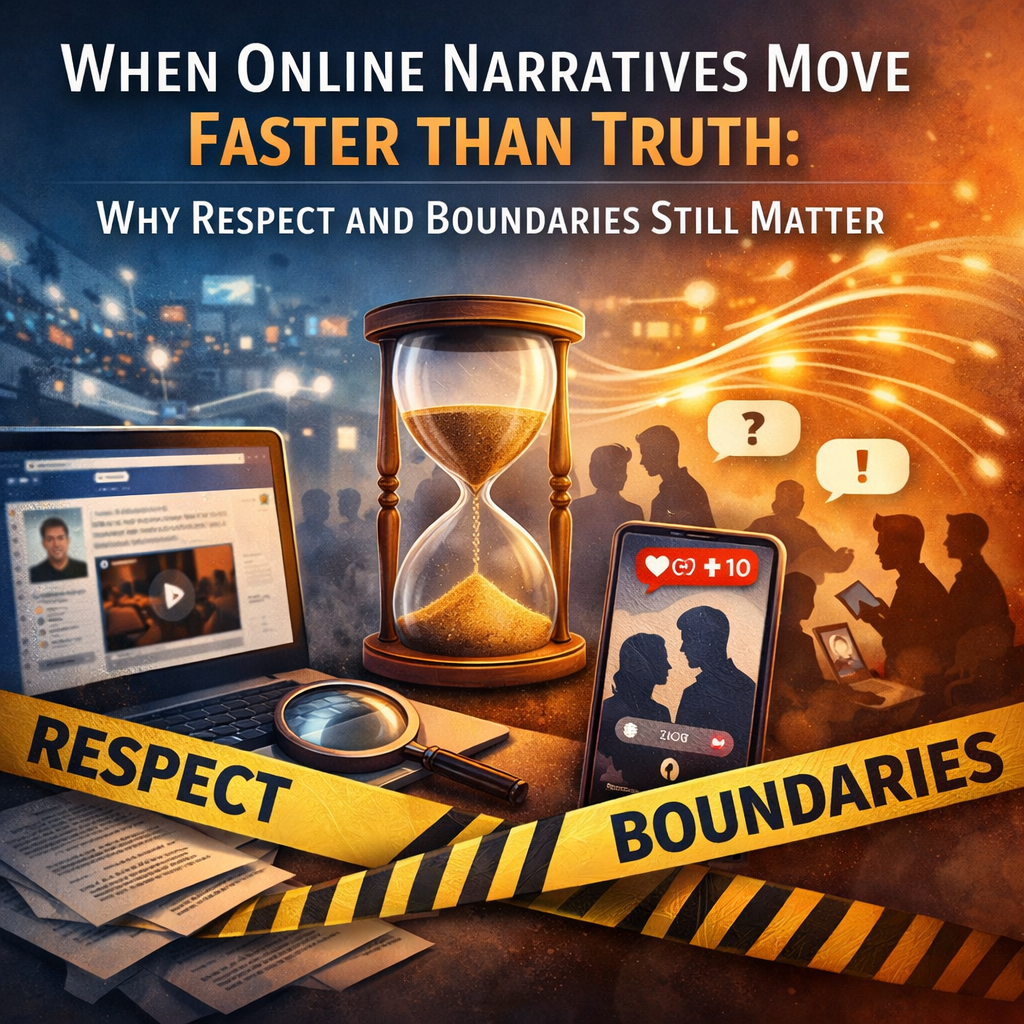
In a digital world where speculation spreads faster than truth, sometimes the most meaningful thing we can do is pause, think, and remember the importance of respect and boundaries.
It’s easy to get swept up in the speed of online conversations. A single moment can be captured, shared, and interpreted by thousands of people within minutes. Opinions form quickly, narratives take shape, and before long it can feel as though everyone already knows the full story.
But sometimes the most thoughtful thing we can do is slow down and ask a simple question: are we reacting to facts, or to assumptions?
That question has stayed on my mind recently, and it’s what led me to think more deeply about how we all participate in conversations online.
In today’s digital world, narratives can form incredibly quickly. A photo appears, a short clip circulates, or someone shares a secondhand story. Within hours, those pieces can spread across platforms and communities, gradually shaping a story that begins to feel like established truth.
But speed does not always equal accuracy.
The internet has created an environment where information often moves faster than reflection. Curiosity is natural—people want to understand what they see and hear. Yet sometimes the pace of online conversation leaves very little room to pause and ask a simple but important question: what is actually factual, and what is assumption?
That distinction matters more than many people realize.
Public figures—actors, artists, musicians, and others in the entertainment world—share their work with the public. Their craft is meant to be seen, discussed, and appreciated. But the existence of a public career does not remove the need for privacy or professional boundaries.
In many professional environments, especially those connected to large productions or the entertainment industry, discretion and confidentiality are simply part of how things operate. NDAs, privacy expectations, and professional trust exist to protect working relationships and the people involved in them.
When people outside of those environments see silence from professionals, it can sometimes be interpreted as confirmation that something must be happening behind the scenes.
But silence often means something much simpler.
It means people are respecting professional boundaries.
The internet, however, does not always leave room for that understanding. Online conversations tend to reward speed rather than thoughtfulness. A quick reaction, speculation, or theory can travel far before anyone pauses to question its accuracy.
Thoughtful communities grow differently. They develop through patience, curiosity, and a willingness to slow down before turning speculation into narrative.
Another perspective I often think about is a personal one.
If I were in a relationship with someone whose career placed them constantly in the public eye—whether as an actor or in any other highly visible profession—I would feel a responsibility to protect the boundaries that allow them to have a private life. Not because there would be anything to hide, but because everyone deserves a space where their life is not constantly interpreted, analyzed, or turned into speculation.
Public work belongs to the world.
Private life does not.
Rumors will always exist. Curiosity will always exist. That is simply part of human nature, especially when people admire someone’s work or presence.
But there still has to be a line.
A line between curiosity and assumption.
A line between discussion and intrusion.
A line between what is publicly shared and what remains personal.
Most importantly, the choice to share personal aspects of someone’s life should always belong to that person—not to speculation that grows online.
For example, when it comes to someone like Sam Heughan, I don’t simply think of myself as a fan in the usual sense of the word. I see myself more as an admirer of his craft and the dedication behind the work he shares with the world.
Admiring someone’s work, however, does not create a sense of ownership over their personal life. In fact, for me it reinforces the opposite idea—that respect for someone’s work should include respect for the boundaries that allow them to live their life beyond the roles they play on screen.
There is also another reason why I tend to think deeply about these things.
My mind is autistic, which means I naturally process patterns, details, and inconsistencies in a very analytical way. Because of that, I often notice how narratives begin to form and how easily small pieces of information can be interpreted in ways that move far beyond what is actually known.
It makes me more aware of how quickly people connect dots that may not truly belong together, and how easily speculation can begin to feel like fact.
That awareness is not about criticizing others. It simply comes from valuing truth, fairness, and clarity in the way conversations unfold.
Supporting someone’s work does not require ownership of their personal life. In many ways, the strongest form of admiration is respect—respect for the boundaries people keep, respect for their professional environment, and respect for the fact that public careers still belong to real human beings with real lives.
It is also important to recognize that people working in the entertainment industry carry responsibilities the public rarely sees. Careers are built on trust between actors, colleagues, production teams, and management. Professional discretion is not simply a formality—it is part of maintaining that trust and protecting the integrity of the work being created.
Many of us who appreciate the work people bring into the world understand this. We recognize that professionalism, confidentiality, and respect are not barriers between artists and audiences, but safeguards that allow creative work and professional relationships to exist in the first place.
There is also something important that often gets overlooked in online conversations.
Not everyone participates in speculation. Not everyone is interested in turning every moment of a public figure’s life into a narrative. There are many people who admire the work someone brings into the world while also understanding the importance of privacy, professionalism, and boundaries.
Thoughtful supporters exist, even if they are often quieter than the voices that drive rumors.
Many people understand that the entertainment industry operates within professional structures the public rarely sees. They understand that discretion matters, that confidentiality matters, and that trust between colleagues and collaborators matters.
Sometimes the internet can make it feel as though speculation represents the majority.
But that is not always the case.
There are many people who believe in something much simpler: respect, fairness, and allowing individuals the dignity of their own boundaries.
Those voices may not always be the loudest online.
But they are there.
And sometimes the most meaningful thing we can contribute to a conversation is not another assumption or reaction.
Sometimes it is simply the decision to slow the narrative down.
Supporting With Integrity: Why Boundaries and Truth Matter in Fandom
Over the last few weeks, I’ve watched the online space become louder again. Rumors, edited videos, speculation, and people claiming to have “inside information.” I’ve honestly been trying to stay away from all of it because that environment becomes toxic very quickly. It’s overwhelming, exhausting, and full of noise. It pulls people away from the work, the art, and the deeper reasons many of us became fans in the first place.
But sometimes silence allows misinformation to grow. And when that happens, it stops being harmless. It begins to affect real people. This is why I felt the need to speak up.
What many people don’t realize is how the professional world around actors like Sam Heughan actually works. The teams that support him—publicists, agents, managers, legal teams, and production professionals—are not there to create drama or fuel speculation. Their entire purpose is to protect his career, his reputation, his projects, and his privacy.
Most people working in the entertainment industry sign strict legal contracts called Non-Disclosure Agreements, or NDAs. These agreements legally require them to keep private information confidential. This includes personal details, private conversations, future projects, and anything that has not been publicly shared.
Breaking an NDA is not a small mistake. It carries very serious consequences.
If someone leaks private information, they can face lawsuits, financial penalties, and immediate termination. Even more significant, they risk being permanently shut out of the industry. Entertainment is a smaller world than most people think. Trust and reputation are everything. Once confidentiality is broken, it spreads quickly, and that person may never be trusted again.
This is why the idea that someone “on the inside” would casually share personal details online simply does not make sense. It would mean risking years of education, training, and professional relationships for temporary attention. Real professionals do not do that. Their job is to reduce speculation, not create it.
So when people online claim to have inside access or secret information, it rarely aligns with how this industry truly operates. More often, it comes from fans who want to feel closer, accounts seeking attention or followers, or individuals who build communities around speculation. But none of this is grounded in reality.
And this matters.
Rumors are not harmless entertainment. They can affect mental health, working relationships, and the environment surrounding creative projects. They shift focus away from storytelling and toward personal invasion. They create pressure and misunderstanding, and they can change the tone of a fandom in ways that are not healthy or sustainable.
Both Sam and many actors in similar positions have spoken about the importance of boundaries and respect. They have asked fans to focus on the craft, the stories, and the work. That request is not about secrecy. It is about creating a healthy relationship between artists and the people who support them.
For me, supporting Sam has always meant something deeper.
There is also a very personal reason this matters so much to me.
Sam Heughan means a great deal to me as my creative muse. Over the last few years, his work and dedication have helped me reconnect with my own creativity, storytelling, and sense of purpose. As an autistic adult, I often experience the world in layers—through details, emotions, and sensory moments that others may overlook. His work brought me back to creativity, storytelling, and the quiet beauty of seeing life more deeply.
I have always been someone who stands up for fairness and truth. It’s simply part of who I am. I believe in kindness, integrity, and protecting people from being misunderstood or unfairly judged. So when I see any situation where speculation or misinformation begins to overshadow someone’s work or character, I feel a responsibility to bring the focus back to what truly matters.
I will always speak up for respect and balance, especially when it comes to someone who has inspired so much growth and creativity in my life. Because he is so much more than just an actor. He is a human being who has used his platform to uplift others, encourage growth, and bring meaningful stories to life. That deserves respect. That deserves honor. And it deserves a fan community that reflects those same values.
For me, supporting him means protecting that space. It means choosing integrity over noise, and kindness over curiosity. It means remembering that behind every public figure is a real person who deserves dignity and peace.
Healthy fandom is not passive. It is intentional. It chooses truth over noise, respect over rumor, and boundaries over curiosity.
The strongest support we can give any artist is simple:
To trust what they choose to share.
To honor their privacy.
To celebrate their work.
And to remember that behind the public image is a human being who deserves peace.
That is the energy I choose to bring. And I hope more of us choose it too.
This man will always be my favorite, and he deserves so much more in life because of his incredible personality. He deserves peace of mind and a significant amount of his work should be the center around him.
Seeing an actor in layers — and why the future of storytelling depends on it
What if the future of Hollywood depends less on reboots and more on recognizing actors who bring depth, discipline, and originality to the screen? This is why I believe Sam Heughan represents that shift — not just for one role, but for the future of storytelling itself.
When conversations about the next James Bond begin, his name continues to surface. And while I would absolutely love to see him step into that iconic role, my perspective goes far beyond just one franchise. From my point of view, what matters most is that Hollywood begins to recognize his full range as a leading actor.
Because when I watch his work, I don’t just see one dimension. I see layers.
I see strength and vulnerability existing at the same time. I see resilience, but also quiet sensitivity. I see humor, intelligence, emotional depth, and a grounded presence that feels authentic instead of manufactured. These are the qualities that create connection with audiences, and connection is what keeps storytelling alive.
Yes, I believe he would bring something powerful and modern to a role like James Bond. He has the physicality, discipline, and emotional complexity to honor that legacy while evolving it for a new generation. But limiting the conversation to Bond alone almost feels too small. There is so much more he could bring to the screen.
I want to see him lead psychological thrillers, historical epics, and character-driven dramas that challenge both audiences and the industry. I want casting directors and producers to see the versatility he has worked hard to build over the years. I want Hollywood to look closer, not just at him, but at others like him who bring depth, preparation, and emotional intelligence to their craft.
Because this conversation is bigger than one person.
We need more actors who are willing to take risks. We need fresh ideas, new perspectives, and layered storytelling. Audiences today are craving originality. They want stories that feel human, not repetitive. The industry cannot rely on reboots and recycled formulas alone. Creativity grows when we invest in artists who are willing to evolve and bring something new.
Actors like Sam Heughan represent that shift.
They remind us that true presence comes from authenticity. They elevate the work of everyone around them and inspire audiences to feel more deeply. This is why I feel so strongly about sharing this message. Not simply as admiration, but as advocacy for meaningful storytelling.
I want this conversation to reach people around the world. I want his talent and versatility to be recognized on an even larger scale. And I hope Hollywood is paying attention.
Because we need more actors like him.
And when we support artists who bring depth, courage, and fresh ideas, we move storytelling forward for everyone.
There’s been a lot of conversation about whether Jamie Fraser could appear in Blood of My Blood. Some people took the response to that question as a firm “no,” while others assumed it meant something more.
But honestly, I don’t think it was either.
I believe it was a thoughtful and respectful answer meant to protect the story, the new cast, and the future of the Outlander world. This kind of response is not about distance. It is about leadership and trust in the creative process.
This Story Isn’t Just About One Character
One important thing many fans forget is that Blood of My Blood is not only centered on Jamie’s parents, Brian Fraser and Ellen MacKenzie. The series is also exploring the early lives and relationships connected to Claire’s parents, Henry Beauchamp and Julia Moriston, and the world that shaped her.
This makes the prequel even more meaningful because it expands the Outlander universe in a natural and layered way. It allows viewers to understand the roots of both Jamie and Claire, and the generations that shaped the people we came to love.
Because of this, it would not feel natural for adult Jamie to suddenly become the focus. The purpose of a prequel is to give space to the people and stories that built the foundation.
That isn’t distance. That’s strong storytelling.
Respecting the New Cast and the Legacy
Years ago, audiences gave patience and trust to a new actor stepping into a beloved role. Now there is an opportunity to do the same for the actors bringing these earlier generations to life.
A prequel needs room to breathe. It needs the audience to connect with new faces, new emotions, and new journeys without constantly being pulled back to what we already know. If familiar characters appear too heavily, it can unintentionally shift attention away from the heart of the story.
Choosing to step back and let the new cast shine is not a lack of interest. It is a conscious and professional choice that strengthens the long-term legacy of the Outlander world. It also shows confidence that the story is bigger than any single character.
“We’ll See” Doesn’t Mean “No”
Another reality people sometimes forget is that no single actor controls these decisions. Writers, producers, networks, scheduling, and the direction of the story all play a role.
When someone says “we’ll see” or “if the story calls for it,” it usually means the door is open, but the moment has to be meaningful and earned.
If an appearance ever happened, it would most likely be something small and emotional. A cameo, narration, flashforward, or symbolic moment could honor the character while still protecting the focus of the prequel.
That kind of approach deepens the emotional connection rather than distracting from it.
A Gentle Reminder for the Fan Community
Miscommunication happens easily, especially online. One comment can turn into dozens of interpretations. That is why patience, understanding, and grace matter so much in any fan community.
Supporting the new cast, trusting the creative process, and focusing on the work itself creates a healthier and more respectful environment for everyone involved.
At the end of the day, true support means honoring the craft and the storytelling. It also means remembering that focusing on professional work and creative projects is what truly respects the people behind these stories. Any personal aspects they choose to share should always remain their choice.
Legacy is not about holding on tightly. It is about allowing something to grow and reach new generations.
And maybe that is the most beautiful part of this new chapter.
Lately, I’ve been noticing something online that honestly makes me uncomfortable. I keep seeing people take photos of actors and public figures and immediately start assuming how they must be feeling. A neutral face suddenly means they’re sad. A serious expression becomes anger or stress. A quiet moment turns into a whole story about their mental state.
And the truth is, we simply don’t know.
From my point of view, this kind of behavior is not only inaccurate, it’s disrespectful. These are human beings, not puzzles to solve or experiments to analyze. A single photo is just one tiny moment in someone’s life. It doesn’t show what happened before that moment or what comes after. It doesn’t show their thoughts, their focus, or their reality.
What I’ve come to realize is that a lot of this comes from projection. People see their own emotions reflected back at them. If they feel lonely, they think the person in the photo looks lonely. If they feel anxious, they assume the person must be anxious too. It creates this illusion of connection, but it isn’t real understanding. It’s just filling in the blanks with personal feelings.
I also think people forget that actors are professionals. Their work takes discipline, focus, and emotional control. Sometimes a serious expression simply means they are concentrating. Sometimes they’re tired from long filming days, travel, or busy schedules. Sometimes they’re just thinking. Not every moment needs to be turned into a dramatic story.
Social media has made this worse. The more emotional or extreme the assumption, the more attention it gets. That encourages people to overanalyze body language and facial expressions like they’re detectives, even when they have no real information. Over time, it creates a culture where people forget there is a real person behind the image.
I strongly believe that no one owes the public access to their inner emotional world. Public figures share their work and their talent. That does not mean they have given up their privacy, their boundaries, or their humanity. Supporting someone should mean respecting those boundaries, not crossing them.
For me, real admiration is about focusing on their craft, their dedication, and the impact of what they create. It’s about celebrating their work and the joy they bring into people’s lives, not demanding access to every part of who they are.
If we want healthier fan communities, this mindset has to change. Kindness and emotional maturity matter, especially online. When we stop assuming and start respecting, we create safer and more positive spaces for everyone.
I would also really like to see social media platforms like Instagram, Threads, Facebook, and even Tumblr improve in this area. Social media should be a safe environment where people can enjoy content, connect, and support others without constant drama or speculation. These platforms have the ability to encourage healthier conversations, set stronger boundaries, and make it easier to filter out harmful behavior. That kind of environment would benefit not only public figures, but everyday people too.
So at the end of the day, if I see people spreading that kind of negativity or speculation about celebrities, I don’t hesitate to block and move on. I don’t want to give attention to behavior that crosses boundaries or disrespects someone’s humanity.
And honestly, I think we should all ask ourselves this: how would we feel if strangers analyzed us and put us under a microscope every single day? Most of us would find that exhausting and unfair. So why should it be acceptable just because someone is in the public eye?
To me, real support means allowing people the space to simply be human. Because admiration should never turn into entitlement, and respect should always come first.
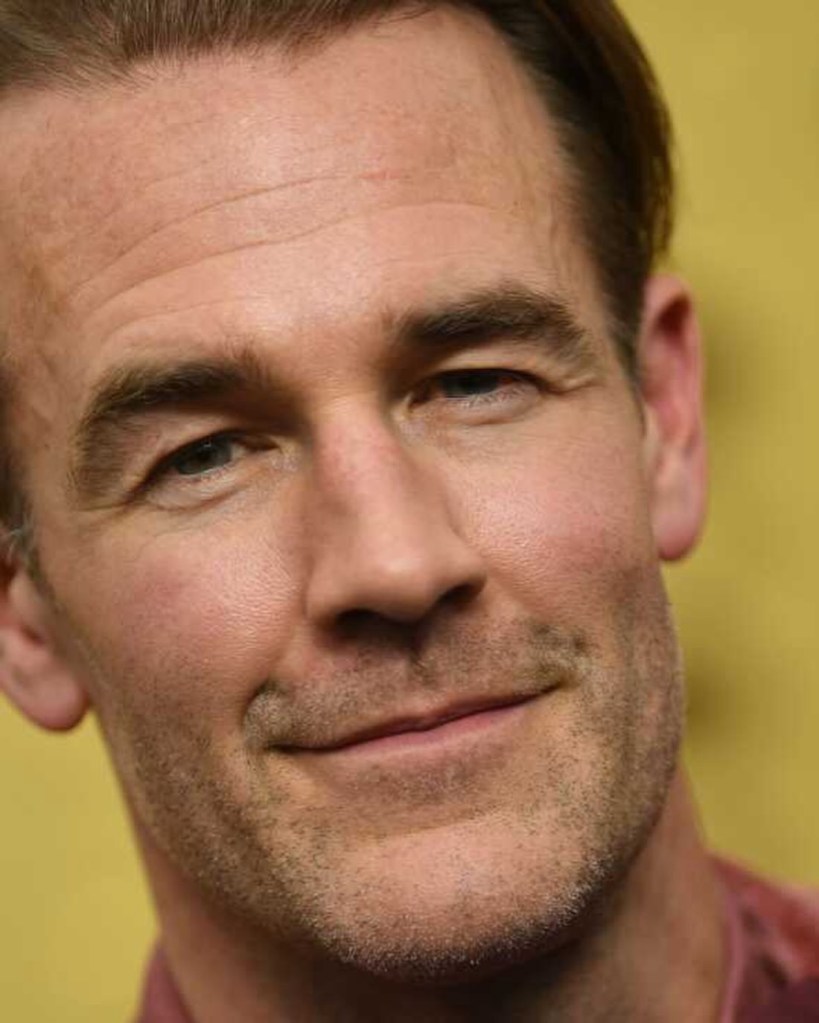
The recent passing of James Van Der Beek has brought out an overwhelming wave of love, support, and remembrance. And it should. A family has lost a husband. Children have lost their father. Friends have lost someone they shared life with. That is not a headline. That is heartbreak.
What has been harder to understand is the backlash — the criticism of people offering support, the cynical comments, the tone of “why are people making such a big deal about it?” as if grief has to pass some kind of approval process before it’s allowed.
I am extremely ashamed at how so many people seem not only out of touch with one another, but out of touch with basic humanity. Somewhere along the way, empathy became optional. Compassion became suspicious. And kindness became something people feel entitled to mock.
And yes — I am addressing the nasty remarks on Threads.
The sarcasm. The dismissiveness. The eye-rolling takes. The “why does this even matter?” crowd.
It matters because a family is grieving.
It matters because cancer is brutal.
It matters because whether you followed his career or not, a human being lost his life and children lost their father.
What I’ve seen online is disappointing at best and disturbing at worst. People hiding behind profile pictures, reducing someone’s death to a talking point or a punchline. That kind of detachment isn’t strength. It isn’t intelligence. It’s disconnection.
And if I’m being honest, I think some of the hostility toward celebrities often comes from something deeper — resentment. There are people who look at someone who pursued a creative career, worked relentlessly at their craft, faced rejection, uncertainty, and public scrutiny, and still built something meaningful… and instead of respecting that, they belittle it.
Maybe because it’s easier to mock someone’s success than to pursue your own growth. Maybe because it’s uncomfortable to see someone dedicate their life to something and earn respect for it. Hard work in the arts is still hard work. Dedication to a craft still deserves dignity and honor.
And by the way — money is not everything. It is a tool for survival. It can provide comfort and opportunity, yes. But it does not make someone less human. It does not make loss hurt less. And it certainly does not justify hatred. Don’t hate people who have more. Don’t look down on those who have less. Wealth does not measure worth. Character does.
Here’s the reality: acting is a career.
It’s not “just being famous.” It’s not “just being on TV.” It’s long hours, constant rejection, auditions, travel, sacrifice, and years of uncertainty. It’s building a life in an industry where most people don’t make it. When someone spends decades building that career, they are not simply a character on a screen. They are a human being who worked for their place in the world.
People form connections through stories. Through performances that carried them through breakups, illness, loneliness, growing up. Art matters. Storytelling matters. And the people who create it matter.
You don’t have to be a fan to be respectful.
You don’t have to admire someone’s work to honor their humanity.
You don’t have to understand someone’s career to recognize that their family is grieving.
Criticizing compassion says more about the critic than the moment.
We can disagree on politics.
We can disagree on entertainment.
We can disagree on opinions.
But grief should never be a battleground.
Celebrities are not fictional. They have spouses who cry behind closed doors. They have children who don’t care about fame — they just want their dad. They have families navigating hospital rooms, fear, and the unbearable quiet that follows loss.
Kindness costs nothing.
Compassion should never be controversial.
Respect should not require agreement.
And empathy should not come with conditions.
Sometimes the most radical thing we can do in a loud, angry world is simply choose decency.
To James Van Der Beek’s wife, children, extended family, and loved ones — my deepest and most heartfelt condolences. No public support can take away your pain, but I hope the love being shared reminds you that his work touched many lives. May you be surrounded by comfort, privacy, and strength in the days ahead. Your loss is seen, and it matters.


 Deep Thinking