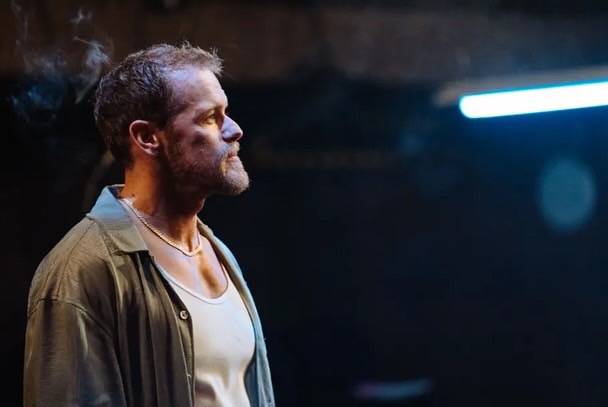
Subtitle: Celebrating his starring role in the RSC’s production of Macbeth at The Other Place.
Every once in a generation, the world is graced with someone whose presence feels like a blessing. Talent like Sam Heughan’s is extraordinary. His dedication, kindness, resilience, and humility remind us that some gifts are meant to be admired with gratitude rather than taken for granted.
Sam pours his heart into what he does. Whether he is standing on a film set under long hours of production or stepping into the emotionally demanding role of Macbeth on stage in the Royal Shakespeare Company’s production at The Other Place, he gives everything to his craft. That kind of commitment deserves respect, not entitlement.
If we call ourselves fans, we have a responsibility to honor the space he is in. Especially in a theatre. A stage is sacred ground for actors. It is a place where vulnerability is shared. It is where they transform, create, and give pieces of their soul to an audience trusting that those watching will treat the moment with care.
Recording during performances, interrupting his concentration, or treating theatre as a backdrop for social-media content is not admiration. It steals attention from the story, from the cast, and from the art itself. It shifts the focus to the wrong thing, fuelled by a desire to be seen rather than a desire to appreciate. If there is ever a time for filming or photography, it will be handled by his theatre and official teams who will do it respectfully, correctly, and with full acknowledgment of the production at The Other Place Theatre.
True support never demands. True support does not push boundaries. True support respects the human behind the fame.
I also believe that anyone working with Sam—whether through business contracts or creative partnerships—should honour his well-being just as much as his ambition. Performing a role like Macbeth, or any demanding production, requires intense emotional focus and mental energy. He deserves time to rest, reset, and simply enjoy being himself without expectations attached. Supporting him means wanting him to have balance, not burnout. Offering him space to breathe is one of the greatest gifts audiences, collaborators, and fans can give.
Sam is known for his generosity. He takes time for fans. He shows up with kindness again and again. That does not mean any of us are owed pieces of his private life or entitled to moments he does not freely offer. Celebrating him should never turn into consuming him.
The best way to thank someone for sharing their talent is to protect what allows them to thrive. Honour the hard work. Observe the rules of theatre. Celebrate the performance in the right moments. Be present. Be respectful. Be proud to be part of a community that values his humanity more than a quick photo or video.
God gifted the world with a rare soul like Sam Heughan. The least we can do is make sure that every space he steps into—including the stage at The Other Place—remains one where he feels safe, respected, and appreciated. That is how we show love back.
There’s something deeply moving about seeing Sam Heughan return to the theatre. It’s not just a role — it’s a homecoming. A return to the roots of Scottish storytelling, where emotion, discipline, and heritage meet under one light. Theatre, especially in Scotland, is more than entertainment; it’s an art form woven with culture, respect, and centuries of tradition.
The Heart of Theatre and Scottish Culture
In Scotland, manners and respect are not optional — they’re part of the moral rhythm of everyday life. The same applies to the stage. Theatre is sacred space — a place of quiet magic where actors and audiences meet in trust. The rules of the theatre are not barriers; they are the framework that protects that sacred trust.
When a performance begins, silence becomes a form of love. The stillness, the attention, the shared emotion — these are the ways we honor the artists who bring their souls to life before us. For actors like Sam, who pour everything into their craft, those moments of undisturbed connection mean the world.
An Autistic Perspective on Respect and Space
As someone on the autism spectrum, I see the beauty in structure. I find comfort in rules that bring calm and create space for everyone to feel safe and focused. The theatre’s etiquette mirrors that same sense of order — it allows each person, whether actor or audience, to exist fully in the moment without chaos or confusion.
I notice every detail — the rise and fall of a voice, the soft shuffle of movement, the way emotion fills the air. That’s why it’s heartbreaking when people break those boundaries — by recording, talking, or interrupting. It doesn’t just distract; it disrespects the art and the effort behind it.
The rules of theatre are there for a reason: to protect the fragile connection between performer and audience, and to preserve the authenticity of the experience for everyone.
Support with Kindness and Courtesy
If you’re attending to support Sam and wish to meet him — to get an autograph or a photo — remember that respect and patience speak louder than excitement. Wait your turn. Be kind to the staff, and to other fans who feel the same admiration you do. Respect the boundaries of the venue, the safety protocols, and the time the actors need to rest and reset between performances.
True admiration isn’t about how close you get — it’s about how you show up. With kindness, understanding, and appreciation. Sam’s work deserves that level of respect, and so does every person sharing that stage with him.
Honoring the Craft and the Culture
Supporting Sam means more than cheering from the seats — it’s about understanding what theatre represents. It’s about valuing the art, the history, and the discipline behind it. Scottish theatre, like its people, thrives on integrity and mutual respect.
Let’s celebrate Sam’s journey through kindness and awareness. Let’s make every performance a safe, beautiful space — not just for him, but for everyone who feels deeply, listens closely, and believes in the power of art to unite hearts.
Because in the end, the best gift we can give an artist is not just applause — it’s respect.
Sam Heughan gives so much of himself to his fans and his work — but even the kindest hearts need rest. True love and admiration mean understanding when to give him space to recharge, so he can keep shining the way he always does.
There’s something really special about the connection between Sam Heughan and his fans. It’s not just about fame or admiration — it’s about kindness, respect, and that genuine feeling that he truly cares. Over the years, Sam has given so much of himself — staying to sign autographs after long days, taking photos, sharing smiles, and always showing gratitude.
But it’s easy to forget that he’s human, too. Behind the long filming days, travels, events, business projects, and now performing Macbeth every night, there’s a man who sometimes just needs a deep breath — a moment of quiet.
When fans ask for “just one more autograph” or hope for a few extra seconds with him, it usually comes from a place of love. We all want to hold onto those rare moments. But maybe the greatest way we can show love back is to make sure he’s okay too. To notice when he’s tired and give him that space to rest, knowing it doesn’t mean he cares any less — it just means he’s human.
Sam gives so much of his heart — through his work, his charity efforts, and the kindness he shows to everyone around him. And like anyone who gives that much, he needs time to recharge. Let’s be the kind of supporters who protect that peace, who remind him it’s okay to take care of himself, too.
Because when he’s rested and happy, that light he carries — the one that inspires so many — only shines brighter. His creativity flows, his laughter feels fuller, and his heart stays open to all the good he continues to bring into the world.
So next time he steps back or seems quiet, let’s take it as a sign of balance — a moment for him to fill his own cup. After all, the best way to love someone who gives so much… is to make sure they have the chance to rest, breathe, and just be themselves for a while.
If you had a million dollars to give away, who would you give it to?
If I had $1 million, I wouldn’t spend it on luxury or fleeting comforts — I’d give it straight to the UK Blood Cancer charity. Because for me, the true heroes aren’t the ones who live in the spotlight; they’re the ones who fight quietly, day after day, against something they never asked for.
Blood cancer doesn’t always get the same attention as other diseases, but it’s every bit as devastating. It can strike anyone, anywhere, regardless of age or background. It changes families, futures, and lives in ways most of us can’t imagine. Those who endure it — the patients, their families, the medical teams who support them — are the real champions.
I’m not disregarding any other affliction; every illness brings its own kind of suffering. But blood cancer, with its hidden battles and unpredictable nature, is something that deserves more awareness, more research, and more compassion.
Sam Heughan himself has me thinking about that a lot. Through the marathons he runs to raise funds for blood cancer charities, he shows what it means to use one’s platform and strength for something greater than oneself. His dedication and heart remind me that compassion in action is one of the most powerful forces we have.
So yes — if I had that million dollars, I’d want it to make a difference where courage is tested daily, where hope is a lifeline, and where love and resilience shine brightest: in the fight against blood cancer.
If reading this moves you, consider donating, volunteering, or simply spreading awareness. Even a small gesture can make a big impact. And if you ever need inspiration, look no further than Sam Heughan — his endurance, compassion, and unwavering support for those battling blood cancer remind us that true strength lies in kindness.
There’s a reason we fall in love with the stage — it’s where humanity comes alive. Theatre teaches us empathy, courage, laughter, and belonging. It’s a space where art meets community, where one story told beneath the lights can change a life.
Now, one of Scotland’s most beloved theatres — Cumbernauld Theatre at Lanternhouse — faces the devastating threat of closure after losing its public funding. For more than 60 years, this stage has been a cornerstone of creativity in North Lanarkshire, giving a home to local talent, artists, schools, and audiences of all ages.
When word spread that this theatre might not survive, people across Scotland — and beyond — began to speak out. Among them was actor Sam Heughan, whose love for his homeland and passion for the arts have inspired countless others to act. Sam’s message was simple: if you can, please help.
🌟
Why This Theatre Matters
It’s one of Scotland’s cultural heartbeats. Cumbernauld Theatre has nurtured generations of artists, writers, and performers since the 1960s. It’s a space that welcomes everyone — from children discovering drama for the first time to touring artists sharing their work with the world.
It keeps community arts alive. Beyond performances, Lanternhouse hosts educational programs, workshops, and local productions. It gives a voice to people who might never have found one otherwise. For many families, it’s the first place their children experience live art.
It symbolizes Scotland’s creative spirit. Scotland’s artistic heritage runs deep — from traditional music to storytelling, film, and theatre. Saving this theatre isn’t just about one building; it’s about preserving a national tradition of creativity, empathy, and storytelling.
⚠️
What’s at Stake
Loss of jobs: Around 40 dedicated staff and artists could lose their livelihoods.
Loss of access: Schools and community groups who rely on the theatre’s space would lose a vital platform for learning and expression.
Loss of local identity: A theatre like this connects a town to its sense of culture and pride. Its closure would leave a void that can’t be easily replaced.
A warning sign for the arts sector: Cuts to arts funding across Scotland are putting many institutions in danger. Saving Lanternhouse can send a powerful message — that communities will stand up for art.
💙
Sam Heughan’s Call to Action
Sam Heughan — known worldwide for his role in Outlander and his deep devotion to Scotland — has urged fans and followers to rally behind this cause. Using his platform, he’s brought visibility to the crisis, reminding people that theatre shaped his own artistic path and that it must continue to inspire others.
Sam has always believed in giving back to Scotland’s creative youth. Through his previous initiatives, such as his support of Youth Theatre Arts Scotland and the Royal Conservatoire of Scotland, he’s shown that investing in art is investing in hope. His involvement in this campaign is an extension of that same spirit — standing up for the stage that gave him, and so many others, their start.
🌍
How You Can Help Save the Theatre
Donate Directly Even a small contribution makes a difference. You can give through the official site: 👉 lanternhousearts.org/donations
Share the Story Use your social platforms to spread the word. Tag posts with #SaveCumbernauldTheatre, #SupportScottishArts, and #KeepTheCurtainRising. Sharing Sam’s post or your own message of support can help the campaign reach thousands more.
Attend Performances If you’re local or visiting Scotland, attend a show at Lanternhouse. Buying a ticket is one of the most direct ways to support the theatre’s survival.
Encourage Businesses to Sponsor or Partner Local and international businesses can help by offering sponsorships or one-time funding. Arts partnerships strengthen communities and reflect values of creativity and compassion.
Write to Representatives Citizens can contact MSPs and urge them to prioritize arts funding. Voices matter — when government officials hear how much these spaces mean to people, they’re more likely to take action.
✨
Why It’s Worth Saving
Theatre is not a luxury — it’s part of the human story.
It gives meaning to community life, fuels imagination, and reminds us that empathy is our shared language.
As Sam Heughan said through his support: “We can all do something. Every little bit helps.”
By saving this stage, we’re not just protecting a building — we’re preserving a piece of Scotland’s soul, ensuring that lights continue to rise, stories continue to be told, and hope continues to take the stage.
Over the past year, a rumor started circulating in fan spaces that Sam Heughan was secretly dating an “Irish lass.” It sounded believable at first — the story had details about her being tall, brunette, and present at both Richard Rankin’s wedding and the opening of Sam’s Galloway Distillery. But when you start tracing where those claims came from, it all unravels.
🧩
How It Started
The rumor began on a few Tumblr blogs that claimed to have “DMs from insiders.” These anonymous messages described a mystery woman who was supposedly Irish or Canadian-Irish, in her 30s, artistic, and occasionally traveling with Sam.
But none of those posts included proof — no screenshots, names, or verifiable sources. The same text even appeared on different blogs under new usernames, suggesting it was copied and reposted rather than based on new information.
💍
The Rankin Wedding Claim
One of the biggest “proofs” people cited was that Sam supposedly attended Richard Rankin’s wedding with this woman.
However:
There are no public photos from that wedding showing Sam or any partner.
The event was kept private, and none of the Outlander cast shared guest pictures.
The “background photos” that fans claimed were from the wedding turned out to be old photos from other events, like whisky tastings or charity runs. In short, the wedding story was invented to make the rumor sound more real.
🥃
The Distillery Connection
Later, fans said the same woman appeared at the Galloway Distillery opening in Dumfries & Galloway.
They zoomed in on crowd shots, pointing to a brunette in the background with a tattoo on her wrist.
But official event coverage — from The Scotsman, The Spirits Business, and local outlets — only confirmed that Sam’s mother, Chrissie Heughan, was present.
None of those outlets identified a girlfriend, and Chrissie herself posted proudly about her son’s achievement without mentioning anyone else.
➡️ There’s no verified photo or attendee list showing an Irish woman there.
📱
The Social-Media “Clues”
Fans also tried connecting dots through Instagram follows and likes.
When Caitríona Balfe followed a few Irish or Scottish creatives, people assumed one must be “the girlfriend.”
But Caitríona follows hundreds of colleagues, charity accounts, and photographers — those connections were purely professional.
🖼
Recycled Photos and Wishful Thinking
Some collage images paired random women beside Sam, claiming they were “the same person.”
Reverse-image searches revealed those pictures were from completely unrelated years and events.
This is where the “Irish lass” rumor crossed into fan-fiction territory — built more on imagination than reality.
🕵️♀️
Why It Spread
Sam’s Times interview added fuel when he said he was “open to starting a family.”
That one line sparked emotional projection — fans wanted to believe he’d already found someone.
Within days, blogs began stitching together coincidences to “prove” it.
✅
What’s Actually True
Sam Heughan keeps his personal life extremely private.
There is no verified evidence that he’s dating an Irish woman.
The only woman publicly confirmed beside him at the distillery was his mum, Chrissie.
Irish and UK media have reported nothing about a romantic partner.
Every “proof” from the rumor traces back to anonymous fan posts, cropped photos, or misinterpreted social-media activity.
🌿
The Real Story
So yes — the “Irish lass” story was pieced together from fan gossip, old photos, and emotional speculation.
It’s not grounded in fact.
The truth is far simpler: Sam’s focus has been on his work, his homecoming to Galloway, and the people and projects that genuinely matter to him.
Until something comes directly from Sam himself, the kindest thing we can do is celebrate his accomplishments — and let the rest remain his private joy. 💙
People sometimes wonder why I write about Sam Heughan so often, why my thoughts keep circling back to him. For me, the answer runs deep: as an autistic individual, the way I connect with the world is unique, intense, and sometimes hard to explain. And Sam Heughan—through his book Waypoints, his acting, his love of Scotland, and now his new Galloway Distillery—has become a rare point of focus and inspiration. He grounds me, lifts me, and shows me that following your own path can be both brave and beautiful.
The Lessons of Waypoints
When I first read Waypoints: My Scottish Journey, I didn’t just see a memoir. I saw a map of resilience. Sam walking the West Highland Way mirrored the way I sometimes feel moving through life—taking one step at a time, noticing every detail, carrying both the weight and wonder of the journey.
As an autistic person, I often feel things more sharply, both the joy and the struggle. His reflections in Waypoints gave me permission to honor that intensity rather than hide it. He reminded me that persistence and self-discovery come from being fully present, even in the uncomfortable or uncertain moments.
Rooted in Heritage
What resonates most deeply with me is Sam’s devotion to his roots. Autistic people often find comfort and strength in the places, people, or passions that anchor us. Seeing how he stays tied to Scotland—its landscapes, its history, its people—speaks to my own need for grounding and belonging. His pride in heritage makes me feel less alone in how fiercely I hold onto the things that matter most to me.
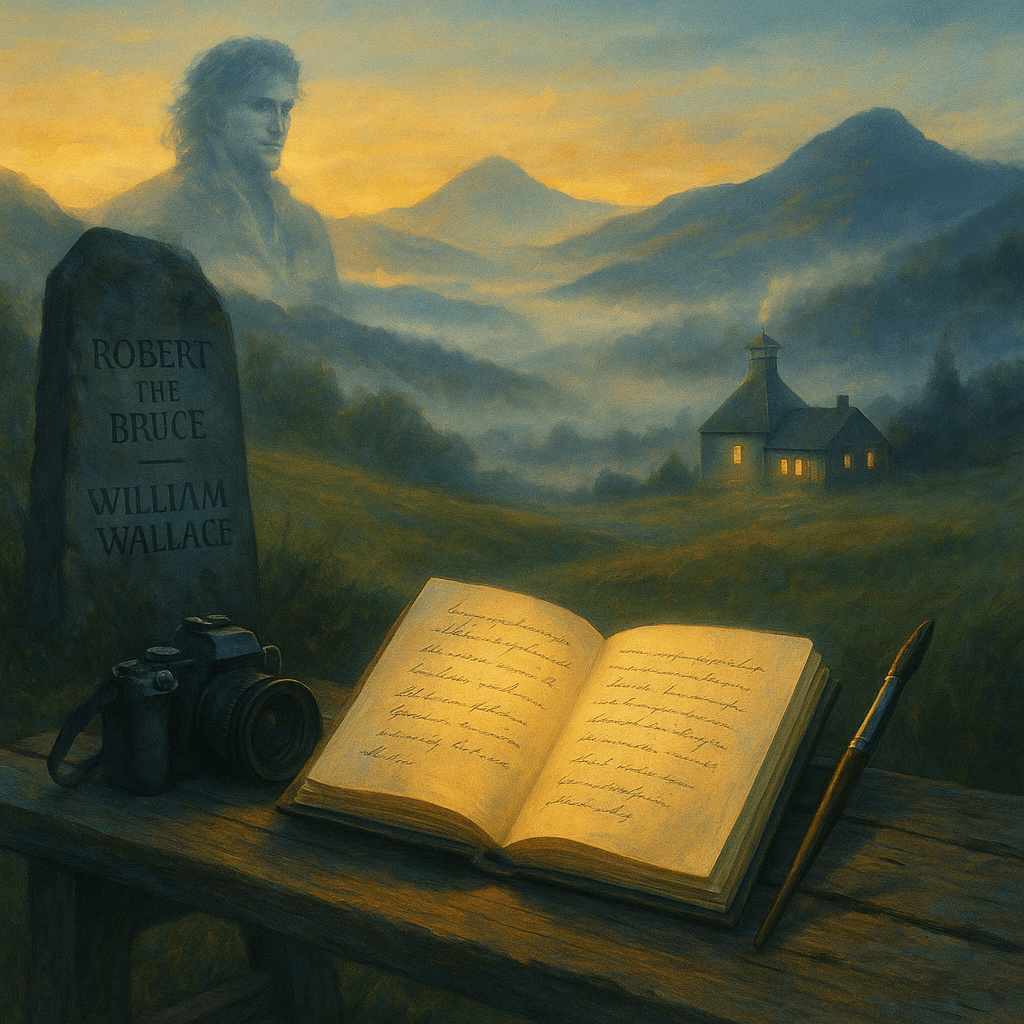
The Inspiration of Robert the Bruce and William Wallace
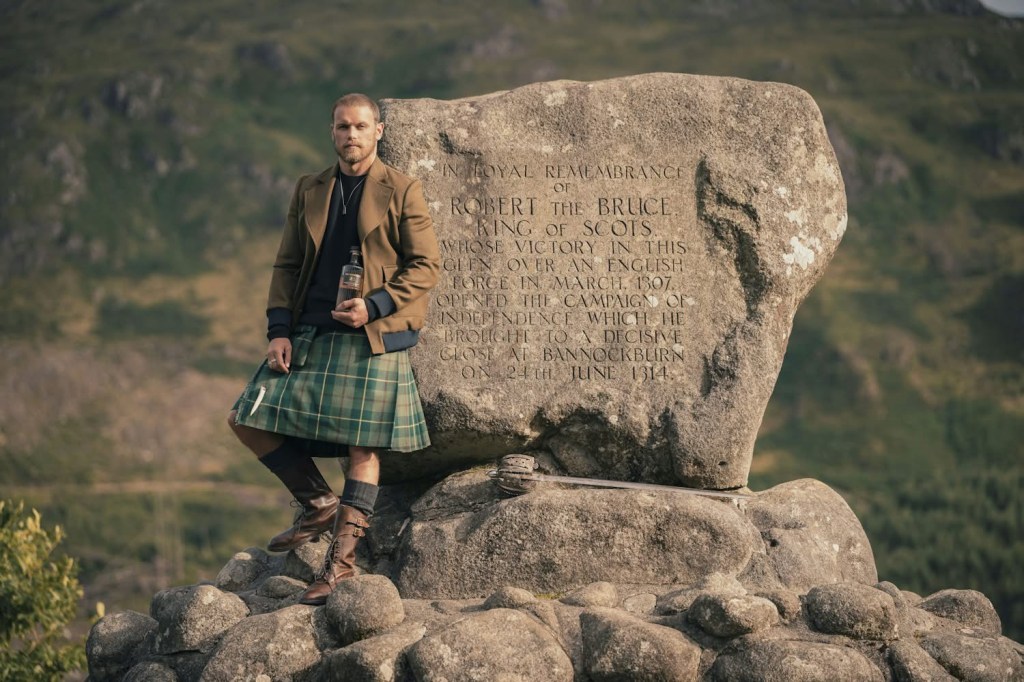
Part of that heritage for me—and for Sam too—lives in Scotland’s history. Sam has mentioned figures like Robert the Bruce and William Wallace, and has shown the historical sites and memorials tied to their names.
As someone autistic, I naturally connect deeply with symbols and stories, and Robert the Bruce especially inspires me. His perseverance after defeat, his resilience in the face of overwhelming odds, and his eventual triumph remind me of the same courage and authenticity Sam embodies.
I also admire William Wallace, whose fierce devotion to freedom still echoes in Scotland’s spirit. These men remind me that history is not just something in the past—it’s alive, breathing through people who carry it forward. Sam makes that history feel close, almost personal, and through him I’ve come to love and honor their legacy as well.
The Galloway Distillery — Coming Home
Sam’s new Galloway Distillery is more than just a business move. To me, it feels like a homecoming. It’s about creating something lasting in the very place that shaped him. That matters, because as someone autistic, I deeply understand the importance of place—how landscapes can soothe, how roots can steady, how home can mean safety and pride.
The distillery isn’t just whisky—it’s a story, a bridge between tradition and future, between ambition and authenticity. Watching him make that choice gives me courage to believe I can also create something of value that reflects who I am and where I come from.
How He Reaches Me in the Best Autistic Way
Sam affects me in the best autistic way possible. I often see the world in vivid detail, feel emotions with an intensity that others might overlook, and struggle to translate those feelings outward. Yet when I watch him or read his words, they cut through the noise and land with clarity.
He makes me feel understood without explanation. His honesty, his humor, his passion for Scotland—they connect directly to the way I experience life. He helps me embrace my own sensitivity, reminding me it’s not a flaw, but a form of beauty.
Outlander and the Reminder of Genuine Love
Through Outlander, Sam’s portrayal of Jamie Fraser brought me a lesson that stays close to my heart: not to forget about genuine love and devotion. Jamie’s loyalty, tenderness, and unwavering strength reminded me that real love isn’t fleeting—it’s steadfast, patient, and deeply rooted.
As an autistic individual, I sometimes worry about connection and whether I’ll find someone who truly understands me. But watching Jamie’s story gave me hope: that love built on trust and devotion is not just possible, but worth waiting and fighting for. Through Sam, that character became more than fiction—it became a reminder that genuine love still exists in this world.
Why Sam Matters to Me
To me, Sam is more than an actor or entrepreneur—he is a light. I see him as an extraordinary man with a heart of gold, an earth angel wrapped in the form of a cheeky, brilliant, joyful Scotsman. He radiates sunshine, and that light has touched me in ways I can’t always describe.
People might call it a fixation. But for me, it’s focus. It’s passion. It’s the autistic way of cherishing something—or in this case, someone—that brings meaning and balance. Sam inspires me to believe in the good, to hold onto hope, and to chase my dreams with the same authenticity he carries.
Why I Create Art With Him at the Center
People also probably wonder why I create art—and why Sam is so often the star within it. The answer is that art is how I process the world. It’s how I take feelings that are too big to hold inside and turn them into something visible, something shareable.
When Sam becomes the subject of my art, it isn’t about celebrity—it’s about connection. He symbolizes light, resilience, and joy, and weaving him into my creations is my way of honoring that.
As an autistic individual, creativity is my language. Through my drawings, edits, words, and images of him, I find both expression and calm. Sometimes, I also weave in the spirit of Robert the Bruce or William Wallace alongside him, because they too represent resilience, courage, and Scotland’s soul. Sam becomes the bridge between my inner world and the outside world—the focus that allows me to channel intensity into beauty.
Why It Inspires Me
Sam’s journey shows me that ambition and integrity can live side by side. From walking the rugged Highlands to pouring his heart into a distillery, he reminds me that success doesn’t mean abandoning who you are—it means becoming more of it.
That lesson pushes me to pursue my own creative passions, like photography, writing, and dreaming of projects that reflect my love for culture, storytelling, and conservation. His path whispers to me: your voice matters too, and what you create can carry meaning.
A Closing Reflection
Watching Sam Heughan move from Waypoints to whisky, from self-discovery to community building, I feel like I’ve witnessed the kind of journey I want for myself: rooted in authenticity, alive with courage, and full of heart.
As an autistic individual, I often long for connection, for purpose, for something steady to hold onto. Sam gives me that spark of inspiration. He shows me that even in a world that can feel overwhelming, it’s possible to stay true to who you are and still build something extraordinary.
Because sometimes, the most inspiring journeys aren’t only about the person we admire—they’re about how they awaken something inside us, reminding us to begin again, in our own way.
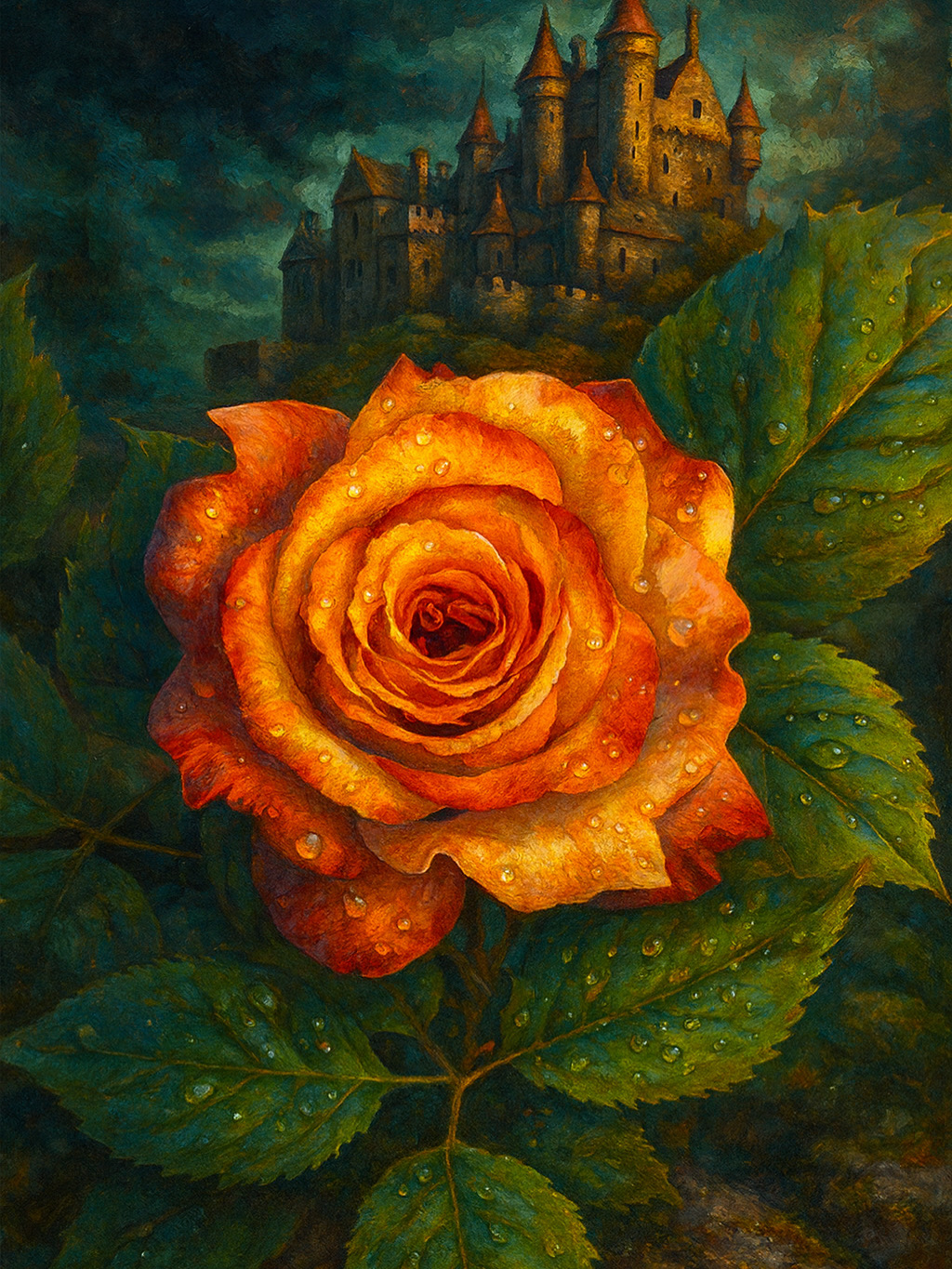
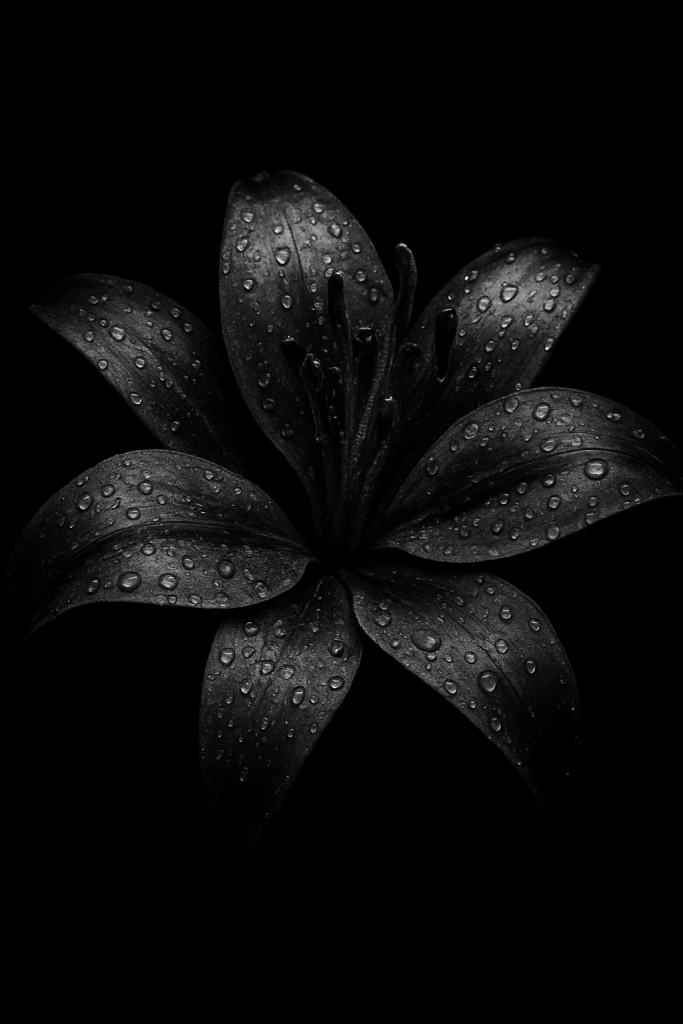
This flower stands as a symbol of America today. Its petals, darkened and heavy with drops of water, reflect the struggles our nation carries—the weight of division, the storms of uncertainty, and the trials that test our strength.
But like this flower, America does not fall. Even in the darkest hour, its foundation is strong, its roots unshaken. Our country has faced hardship before—wars, depressions, and deep divides—and each time, we have risen stronger, united by the belief that freedom and justice are worth fighting for.
The battle we face today is not just about politics or power. It is about remembering who we are as a people. It is about choosing unity over division, strength over fear, and faith in the promise of tomorrow.
Just as the flower carries the storm and still stands tall, so will America. Because this nation was built to endure, built to overcome, and built to shine again.
For far too long, politics in America has been driven less by honest debate and more by rhetoric and extremism. Instead of focusing on real solutions, both major parties have learned that fear, exaggeration, and emotional appeals are the fastest ways to capture attention and rally their base. It’s a strategy that may win elections—but it’s tearing our country apart.
How Democrats Use Rhetoric to Sway the People
Democrats have often leaned on dramatic, emotional language to push their policies. From the Vietnam era to today’s climate and healthcare battles, their playbook has been consistent: frame every issue as a moral crisis, paint opponents as cold-hearted or bigoted, and push urgency so strong that compromise feels impossible. Words like “the planet is doomed” or “healthcare is a human right or nothing” stir passion, but they also deepen divides.
How Republicans Respond in Their Own Way
Republicans are not immune to the same tactics. While Democrats warn of social collapse without their policies, Republicans often sound alarms about threats to freedom, tradition, or the Constitution. They label opponents “radicals” or “socialists,” using fear of lost liberties to energize their voters. At times, their rhetoric becomes just as extreme, warning of cultural destruction or government overreach at every turn.
In short: both parties have discovered that fear works. But it also leaves everyday Americans caught in the middle, exhausted and frustrated by leaders who prefer slogans over solutions.
What America Can Do to Fix It
The good news? We don’t have to accept politics as usual. America can—and must—change the rules that reward division:
Reform elections with ranked-choice voting and open primaries so leaders must appeal to a broader base. End gerrymandering by handing redistricting over to independent commissions. Limit the power of money in politics through public financing and stronger transparency. Strengthen civic education and media literacy so people can see through manipulative rhetoric. Hold social media platforms accountable for algorithms that reward outrage instead of truth. Support local journalism and fact-checking to bring trustworthy information back into communities.
These steps don’t just tame rhetoric—they make politicians accountable to people, not extremes.
A Message to the World
And this isn’t just about America. Around the globe, people face the same struggle: governments that thrive on fear, division, and emotional manipulation. Whether in democracies or struggling systems, the challenge is universal. Citizens everywhere must ask: Does my government bring us together—or keep us apart?
Reform isn’t easy. But history shows that when people demand better, leaders have no choice but to listen.
The Call to Action
Politicians won’t fix this on their own. It’s up to us. If we rise above division, demand reforms, and insist on real solutions, then we can reclaim democracy—not only in America, but as an example to the world.
It starts with us. It starts now. And if we refuse to be divided, the future can finally belong to the people—not the rhetoric.
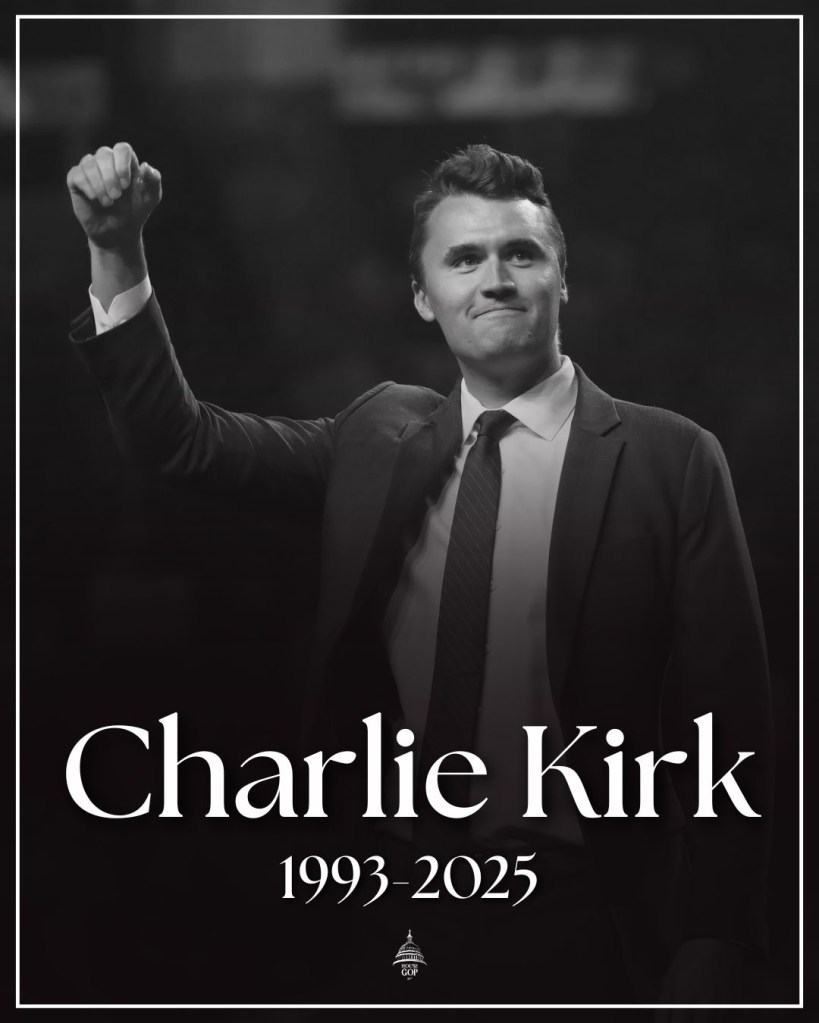
In times of tragedy, like the recent political assassination of Charlie Kirk, we are reminded of just how fragile life is—and how deeply our words and actions can wound or heal others. Yet instead of responding with care and compassion, too often society seems to spiral into something darker. People lash out, gossip, argue, and tear each other down as though kindness has no place. It’s as if we’ve forgotten how to be human.
We don’t always have to agree with each other. We don’t even have to see eye to eye. But one thing is certain: we do not have the right to take each other’s lives or to purposely hurt one another. To celebrate a tragic loss is not only heartless—it is shameful and disgusting. A political assassination is not a victory to be cheered on. It is a sobering reminder of our shared mortality and the value of every single human life.
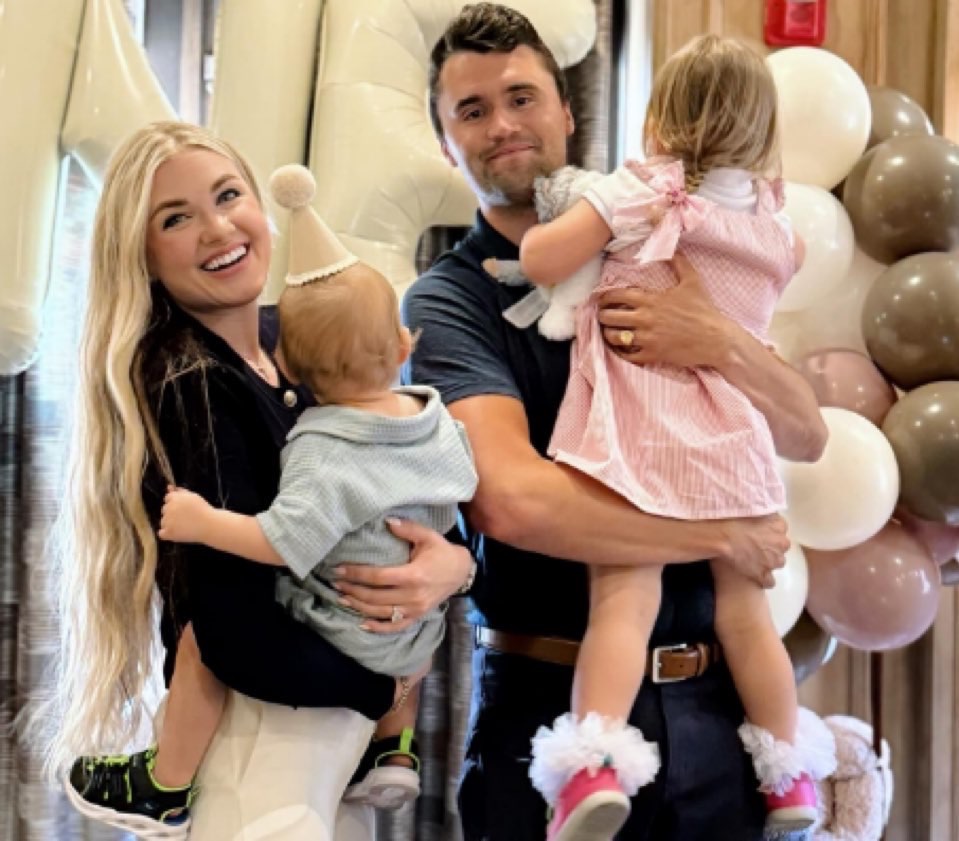
Because of this kind of evil, a wife and two little kids lost a husband and a father—something no family should ever have to suffer through just because people don’t agree with another person. This sets dangerous ground for others to misbehave and go after anyone who refuses to conform to their wishes. That is not freedom. That is not democracy. That is not humanity.
And I would like for government officials from all over the world, in every country, to step up and encourage social media platforms to stop the trolls, the fake pages, and the accounts that deliberately seek to hurt people with words and bullying—especially when families are mourning the loss of a loved one in this kind of tragedy. The internet should not be a breeding ground for cruelty. We are all human beings, and it is long past time we start treating each other with respect, love, kindness, and compassion.
I would also encourage government officials everywhere to make a difference in their countries by taking up the cross daily, as Jesus said, and following Him. That means following His teachings of kindness, compassion, and love. When will it be enough? When will people get sick and tired of this endless cycle of cruelty and violence? I pray that this is the beginning of a turning point—a moment where we collectively say, “This cannot go on.”
We must also hold all political parties accountable for their words and actions. No one should encourage division, violence, or hatred. And yes, in America this begins with the Democratic Party, who have too often been accused of encouraging such rhetoric and behavior. But accountability cannot stop there. Every political party, across every nation, must examine the ways they fuel division and take responsibility for changing it.
People need to remember something about the Democratic Party here in America: many of its leaders are not angels. We all remember when Chuck Schumer stood on the steps of the Supreme Court and said, “We will unleash the whirlwind.” That kind of rhetoric is dangerous, and it came across as a direct threat in the land toward the highest court in America. Words like that must not be brushed aside. He, and anyone in leadership who uses words to stir up division or fear, should be held accountable. No more “hand slaps” for politicians who cross the line—whether they are Democrats, Republicans, or anyone else who speaks and acts against the best interests of America.
What truly makes America great—and what I feel is too often missing today—is love for this country and care for its people. To make America great again isn’t just about politics, parties, or slogans; it’s about restoring compassion, decency, and respect for one another as Americans. A great nation is one that loves itself in the right way: not with arrogance, but with humility, care, and responsibility. Just as every citizen should care for their community, every country should be cared for by its people. That kind of love is what heals and unites.
Another thing is this: we must hold the mainstream media accountable for their words, their narratives, and their rhetoric as well. Too often, they mock, bully, torment, and even celebrate the misery and pain of others. This also includes voices from Hollywood, where actors and actresses sometimes use their platforms to encourage riots and unrest rather than peace and compassion. The media must be held accountable for telling falsehoods, for choosing stories just to get ratings, and for shaping division instead of fostering truth. Truth should never be sacrificed for clicks or profit. The media needs to remember its responsibility to care more about honesty and humanity than sensationalism.
When we treat one another like enemies, when we speak and act without empathy, we reduce ourselves to little more than wild animals fighting over scraps. But we were created for something greater. Our hearts are meant for compassion, for building bridges, for lifting each other up. Even in disagreement, even when we feel hurt or angry, we still have the power to choose humanity over hostility.
Kindness is not weakness. It is courage. It’s the strength to pause before speaking, to consider how our actions will affect another person, and to remember that behind every face is a life with battles we cannot see. Compassion says, “I will not add to your pain. I will choose to ease it.”
If Charlie Kirk’s political assassination teaches us anything, it should be this: life is too short for cruelty. We don’t know how much time we—or the people around us—have left. So why waste that precious time tearing others down? Why not spend it offering words that heal, hands that help, and hearts that care?
The world doesn’t need more division. It doesn’t need more shouting or finger-pointing. What it needs is people willing to love, to listen, and to live with kindness. We can’t change every tragedy, but we can change the way we treat each other. That choice belongs to us.
Let’s not be remembered as a generation that lost its heart. Let’s be remembered as a people who chose compassion, even in the face of chaos.
A Closing Prayer
Heavenly Father,
We lift up Charlie’s wife and his two precious children to You in this time of unimaginable grief. Surround them with Your comfort, protect them with Your peace, and hold them close in Your love. May they find strength in one another, courage to face the days ahead, and hope that light will overcome this darkness. Lord, heal the wounds of this family, of this nation, and of our world. Teach us again to love one another, to live with compassion, and to honor life as the sacred gift it is.


 Deep Thinking