Do you have a favorite place you have visited? Where is it?
I’ve never truly had one single “favorite place” in this world—not in the traditional sense. But if I had to choose somewhere to visit, somewhere that feels like it would become my favorite the moment my feet touched its soil, it would be Scotland.
Scotland has lived in my heart for as long as I can remember. Its history doesn’t just sit in books—it breathes. Ancient castles weathered by time, Highlands rising like silent guardians, and lochs shimmering with stories older than memory… there’s a sacredness to it all. Even as a teenager, Scotland tugged at my heartstrings as if it had been calling me long before I ever understood why.
The Meaning of Roots
In particular, I dream of exploring and writing about Dumfries & Galloway—the region where Sam Heughan was born. There is something deeply symbolic about standing in the landscapes that shaped a person whose spirit, kindness, and grounded authenticity I admire so much. The way he speaks about his roots with reverence and pride makes that corner of Scotland feel even more meaningful.
It’s not about celebrity.
It’s about honoring place—honoring the land that helps shape the soul of a human being who carries Scotland’s essence with such grace.
Turning Inspiration Into Purpose
Part of my dream is to take all of that beauty, history, and emotional depth and translate it into storytelling—through photography, writing, and exploration. I hope one day I can contribute, even in my own small way, to causes that preserve what truly matters:
Conservation of old castles
Protection of wildlife
Preservation of historical places
Support for communities who guard their cultural heritage
But my heart doesn’t stop at Scotland’s borders. I want to do the same here in America—supporting conservation, wildlife protection, and the preservation of places that anchor us to our history and identity.
Causes That Matter
And maybe, through my passions, I can help support causes that touch humanity at its core:
Autism awareness and acceptance
Blood cancer research and support
Advocacy for women and men healing from narcissistic abuse, whose silent wounds deserve understanding, protection, and a path toward emotional freedom
These are the causes that remind me why compassion matters, why storytelling matters, and why using our gifts—no matter how small—can create ripples of change.
Holding Onto the Flame
Even if my dreams don’t unfold exactly as I imagine, the hope behind them still matters. Dreams are like small flames—they flicker, they spark, and they keep glowing until the moment finally arrives.
For me, it’s not just about reaching Scotland.
It’s about the purpose, the heart, and the hope that guide the journey.
In every fandom, there are moments when excitement gets ahead of respect — especially when the artist is someone as kind, generous, and deeply admired as Sam Heughan. Over time, I’ve watched situations unfold online where fans misunderstand what “support” truly looks like, and I think it’s important to talk about this with honesty and a gentle heart. This isn’t about policing anyone or pretending to speak for Sam. It’s not about claiming to know him personally or acting as if anyone owns him. It’s simply about respect — the very same value Sam shows in the way he carries himself every day.
Respect is more than admiration. Admiration is a feeling, but respect is a behavior. It shows up in the choices we make: giving him space, not crowding him, not touching him without permission, and not trying to force interactions. It also means not assuming things about his private life, not spreading rumors, and giving him the grace to have nights when he’s simply too exhausted to come out after Macbeth. Respect means understanding that he is a human being first, an actor second, and not someone fans are entitled to on demand.
When I stand up for Sam or remind others to be respectful, I’m not fighting for him or speaking on his behalf. What I’m doing is helping create a healthier environment — one grounded in kindness and boundaries. It’s educating, not attacking. It’s clarifying, not arguing. It’s protecting his peace, not controlling his world. Sam has always handled his life and his career with patience, humility, and grace. He cannot correct every rumor or online narrative, and expecting him to would be unfair. Fans who promote kindness are not doing anything wrong; they’re simply helping maintain the kind of atmosphere he himself encourages.
At stage door, this matters even more. When Sam offers his time for autographs or photos, it’s a gift — not an obligation. Macbeth demands everything from him physically, mentally, and emotionally. Some nights he may give energy he doesn’t even have, and other nights he may need to go straight home to rest. Respect means allowing him to make that choice without backlash. It means not pushing, not grabbing his arm or shoulder, not overwhelming him, and letting him share meaningful moments with each fan one at a time. Those moments are special because they’re voluntary, not owed.
Online, the same principle applies. Platforms like X and Threads can bring out the best and worst in fandoms. I see people analyzing photos, inventing stories about his relationships, accusing him of “ignoring” fans, or attacking other supporters just because they disagree. Respect means not feeding rumors, not guessing his personal life, not dragging unrelated women into gossip, and not harassing his team or fellow fans. Sam has said before that speculation hurts him, so if we truly support him, we should be mindful of the part we play in controlling that.
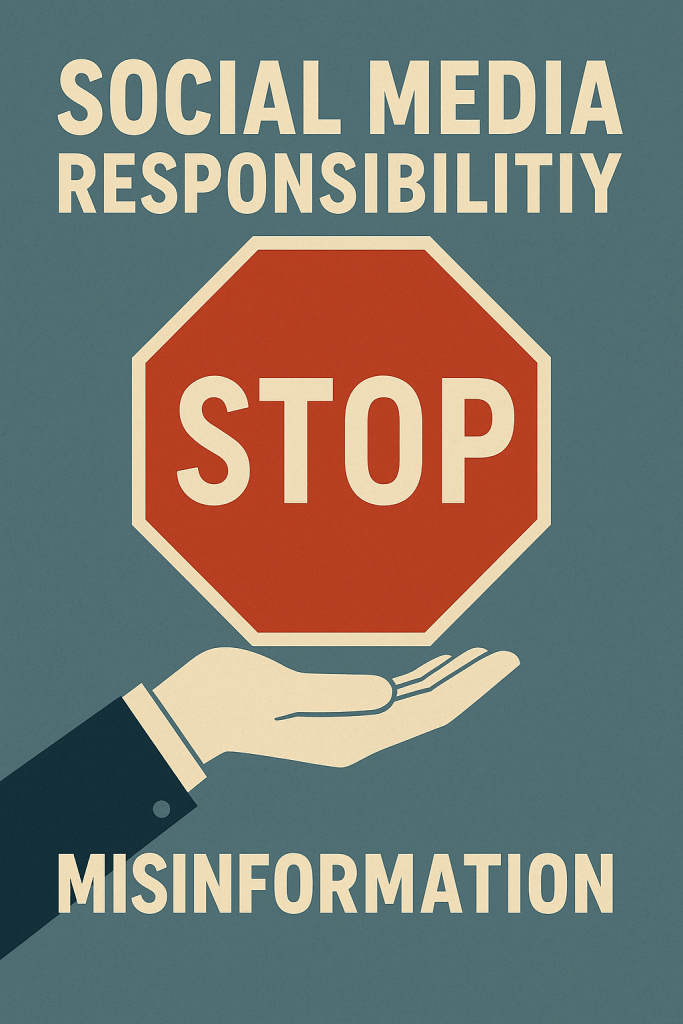
Some people misunderstand when fans like me step in to remind others to be respectful. They assume it comes from obsession or entitlement. But it comes from the opposite — from understanding boundaries and wanting to protect the dignity of someone I admire. I speak up because I’ve seen how cruel rumors can get, how quickly misinformation spreads, and how easily people forget that Sam is a real person with real feelings. If a little clarity helps someone think twice, then it’s worth saying.
At the heart of it all, respecting Sam isn’t complicated. It means treating him like a human being, not a character or commodity. It means allowing him privacy, letting him set boundaries, and not assuming access simply because we admire him. It means choosing kindness even when others don’t. If the fandom embraced this, we’d have a healthier, safer, more positive space — one Sam would genuinely be proud of.
Before anything else, I want people to understand this clearly: I’m not fixated on the “Stephanie French/Bullock” rumor. My perspective comes from the fact that I went through graphic design classes and learned exactly how photos can be manipulated, altered, and reconstructed in ways that look convincing at first glance. Because of that training, I approach these images the way any designer or editor would — not emotionally, but analytically.
When I evaluate the “Stephanie” pictures, I apply the same methods I was taught in class: checking lighting consistency, checking shadow direction, comparing camera angles and perspective, inspecting edges for cutouts, analyzing color and exposure levels, examining grain and depth of field, looking for mismatched focal planes, and spotting composite overlays. These are not opinions; they are objective signs used in professional photo analysis.
Once you apply that skillset to the images in question, one thing becomes undeniably clear: the subjects in those photos did NOT originate from the same real-life moment. They are not reacting to the same light source, the same shadows, the same lens distortion, or the same depth of focus. These mismatches are the exact signature of a digitally constructed composite. This isn’t speculation — it’s visible, measurable, and repeatable for anyone trained in design or photography.
To reinforce this point even further, you have to compare these questionable images to verified, authentic, publicly documented photos from major events such as Sam Heughan’s distillery opening and Richard Rankin’s wedding. Both events were highly public and heavily photographed. They generated professional photos, press coverage, fan pictures, media articles, and extensive social media documentation. These images are easy for anyone to find.
And here is the airtight, fact-based conclusion: in all verified, authentic photos from these real events, the woman and child seen in the manipulated “Stephanie” images do NOT appear — not once. This conclusion is based entirely on public, reputable, verifiable sources. If this woman and child had actually been photographed with Sam during such widely covered events, the media would have reported on it immediately. That’s exactly how the press works. Their complete absence in real photography is not an opinion — it is a verifiable fact.
And as I always say: I don’t buy into any story unless it comes from Sam Heughan himself. If Sam hasn’t said it, hasn’t confirmed it, and hasn’t acknowledged it, then it’s not a trustworthy story. The safest, most accurate approach is to rely on real sources, not edited images or rumor accounts.
It’s also important to understand that modern photo manipulation tools are incredibly advanced. With current AI capabilities, anyone can cut out subjects, blend lighting, adjust shadows, merge separate images, recreate scenes, create artificial proximity, and build entirely false visual narratives. Programs like Adobe Photoshop, Midjourney, DALL·E, and mobile editing apps are designed to make these manipulations quick and convincing.
So no — I’m not overthinking anything. I am simply applying the skills I learned: look for inconsistencies, compare with authentic sources, check lighting and grain, verify before believing rumors, and stick to credible evidence. When you follow those principles, the conclusion becomes clear:
There is no credible evidence that the “Stephanie French/Bullock” story is real — and every circulating image shows clear, identifiable signs of manipulation. This is the truth supported by analysis, not gossip.
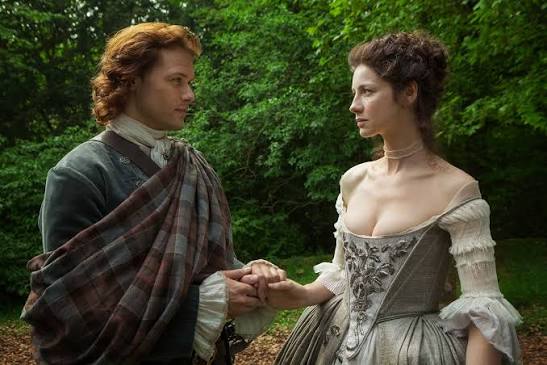
There are many unforgettable moments in Outlander, but the wedding episode remains the most important one to me. Not just because it’s romantic or iconic — but because it captures something rare, something honest, something deeply human. It isn’t simply a plot point; it’s the emotional heartbeat of Jamie and Claire’s relationship.
And part of why it hits me so deeply is because of the way my autistic mind experiences emotional storytelling. I don’t process love or connection casually — I feel things in layers, in textures, in patterns. I notice the subtleties other people often rush past: the tone of a voice, the softness in a glance, the pacing of a breath, the way silence carries meaning. I connect with sincerity, truthfulness, and the unspoken emotional undercurrents that make a relationship feel real.
This episode is rich with exactly those details.
The Bond Before the Vows
The connection between Jamie and Claire wasn’t rushed, loud, or chaotic. It grew quietly… naturally… in a way that made sense to me. Their early interactions had structure, honesty, and steadiness — things I value deeply because they make emotional connection feel safe and grounded.
The way they moved around each other, the small gestures, the trust that slowly took shape — all of that resonated with how I process relationships. I don’t attach to grand gestures. I attach to consistency, emotional clarity, and moments that feel anchored in truth.
The Ceremony: Simplicity, Safety, Presence
Their wedding wasn’t about spectacle. It didn’t overwhelm the senses. It wasn’t loud or crowded or chaotic. It was intimate, simple, and focused — a space where two people stood in front of each other without noise or distraction. That kind of environment speaks to me deeply.
The ceremony felt safe.
It felt calm.
It felt emotionally real.
Marriage, to me, is not an event — it’s a commitment built on understanding, trust, and emotional honesty. And that’s exactly what this scene honored.
Their Wedding Night: Depth, Vulnerability, and Sensory Meaning
And then their wedding night…
That’s where the episode becomes exceptional.
For me, intimacy only feels meaningful when it has emotional purpose — when it’s not rushed, not confusing, and not chaotic. Their night together was exactly that:
Slow.
Tender.
Layered.
Emotionally anchored.
Every touch made sense.
Every pause mattered.
Every look communicated something real.
Their intimacy was not about lust — it was about connection. Two people learning each other on deeper emotional and sensory levels. The scene wasn’t fast or overwhelming; it unfolded like a conversation without words. And that speaks directly to how my autistic mind understands closeness: through intention, gentleness, and emotional clarity.
I don’t respond to “surface passion.”
I respond to sincerity.
To emotional pacing.
To meaning in every movement.
And that is what made their wedding night so powerful. It wasn’t about bodies — it was about hearts learning each other. Vulnerability turning into trust. Curiosity transforming into closeness. A moment where connection was built one breath at a time.
Why This Episode Matters So Much to Me
This episode shows what real love and intimacy should feel like:
Not rushed.
Not performative.
Not overwhelming.
Not built on assumption.
But honest, intentional, and deep — built on shared understanding.
It’s the kind of emotional storytelling that aligns perfectly with the way I process the world: through the details, the sincerity, the pacing, and the quiet moments that carry more truth than anything loud ever could.
The Outlander wedding episode didn’t just tell a story — it spoke to my way of feeling, understanding, and connecting.
It remains the most important episode to me because it reflects a kind of love that feels safe, grounded, and soul-deep…
the kind of love that doesn’t demand performance, but invites presence.
My perspective on respect, privacy, and the way society has lost its humanity
I’ve learned something over time, and it hasn’t been easy:
Whenever I speak up for Sam Heughan’s privacy — or for anyone I care deeply about — people react with hostility that makes absolutely no sense.
Some insult me.
Some mock me.
Some twist my intentions into something they are not.
And it used to confuse me… until I really sat with it and understood what was happening.
I am someone who feels deeply.
I see emotional harm even when others pretend it’s not there.
I don’t look at people — celebrity or not — as entertainment. I see human beings.
So when I watch false stories being made up, when I see people treating someone in the spotlight as if they don’t deserve boundaries or dignity, it hits me hard.
Not because I’m dramatic.
Not because I’m overreacting.
But because this world has forgotten what respect means.
My heart has always been in the right place
When I speak up, it’s not to start fights.
It’s not to preach.
And it’s not because I think I “know everything.”
It’s because I genuinely care.
I have a good heart.
I don’t like seeing anyone — especially Sam — being dragged into lies, rumors, or stories that have no truth behind them.
And yes, being autistic means I process things differently.
I feel for people deeply, sometimes more deeply than others might understand.
I connect with sincerity, with empathy, with honesty.
When I see someone being treated unfairly, I can’t ignore it.
So when I defend Sam, or anyone else who doesn’t deserve that kind of cruelty, it is because I’m responding with compassion — not conflict.
If someone has a problem with that, then the problem is with them, not with me.
People attack the truth when it exposes their behavior
I’ve learned that people don’t insult me because I’m wrong.
They insult me because my words interrupt their fantasy, their gossip, or their need for drama.
Rumors require zero effort.
Respect requires maturity.
And far too many people choose the first one.
When I correct misinformation, when I say “this story is false,” or when I point out obvious inconsistencies, I’m not doing anything wrong. I’m reminding people that the truth still matters.
But some people don’t want truth — they want entertainment.
So instead of letting go of the lie, they attack the person who challenged it.
They attack me.
This isn’t just about Sam — it’s about society losing its moral compass
Somewhere along the way, society forgot that public figures are still human beings.
People feel entitled to invade their lives, make up stories, twist innocent details into nonsense, and treat their privacy like it’s optional.
This isn’t just about Sam Heughan.
This is about the dangerous culture we’ve created —
a culture where respect isn’t automatic anymore,
where privacy is ignored,
and where people feel they have the right to dissect a person they’ve never met.
And when someone like me stands up and says:
“Enough. He deserves respect.”
or
“Privacy still matters.”
it highlights just how far society has fallen.
People don’t like facing that truth, so they lash out.
I speak up because I would want someone to speak up for me
If I knew someone — anyone — was being unfairly targeted, lied about, or picked apart, I would defend them the same way.
It’s who I am.
And I won’t apologize for having a heart, for caring, for wanting to protect someone’s dignity, or for speaking the truth even when others refuse to.
If people don’t like that I defend someone I respect, if they don’t like that I feel deeply, or if they can’t handle sincerity… then that reflects on them, not me.
At the end of the day?
I would rather be someone who stands up for what is right
than someone who stays silent while lies destroy a person’s humanity.
I would rather speak with empathy
than join the crowd that thrives on disrespect.
I would rather care too much
than not care at all.
People may attack me, but they will never take away the fact that:
In three years, I hope to be living a life that feels fully mine—full of creativity, love, and growth. I imagine running my own photography business, freelancing and capturing the world through my lens. One dream is to visit Scotland and photograph its breathtaking landscapes—rolling hills, ancient castles, and misty lochs. I’d love to explore Dumfries and Galloway, the place that inspired Sam Heughan to become the actor he is today. It would be amazing to see the surroundings that shaped someone I admire so much.
I also imagine having an online travel magazine, which, alongside my photography business, would focus on causes I care about. I’d start with conservation projects—protecting Scotland’s wild cats and America’s wild mustangs—using my work to raise awareness and inspire others to care about the natural world.
I hope to meet a man who truly sees me—a partner who connects deeply and intimately. Someone who values honesty, closeness, and love, and who dreams of building a life together.
On a personal level, I hope to form habits that nourish my body and mind. I want to eat healthier, lose weight in a sustainable way, and eventually start a family. I imagine a life where health, happiness, creativity, and love coexist, and where each day brings a sense of purpose and connection.
In three years, I want to feel proud of the life I’ve created—a life that reflects who I am and who I’m becoming. And as I chase these dreams, knowing that someone like Sam Heughan has been inspired by the same places and culture I hope to explore makes it feel even more possible.
There are moments in an artist’s career that define not only their talent but also their unwavering dedication to their craft — and Sam Heughan’s performance in Macbeth is a shining example. Watching him step into one of Shakespeare’s most complex and demanding roles reminds us of the incredible hard work, depth, and emotional commitment he brings to every project.
This role isn’t just another character — it’s the culmination of years of perseverance, growth, and artistic exploration. Sam gives his all, whether in film, television, or now on stage. Macbeth allows us to witness a side of him that is raw, powerful, and profoundly human — a testament to the courage and passion he pours into every performance.
As fans and admirers, it’s important to celebrate this achievement and honor the sacred space in which this story comes alive: the theatre. There’s something extraordinary about live performance — every movement, whisper, and heartbeat is shared directly between the actor and the audience. Rules around photography and video aren’t meant to restrict excitement; they exist to preserve the authenticity and integrity of the show.
Seeing fans respect Sam, the other actors, and the theatre’s rules reflects a deeper understanding of the artistry involved. When boundaries are honored, it shows appreciation not just for the craft but for the cultural heritage embedded in the story. Especially with a production so closely connected to Scottish history, that respect truly matters.
It’s also important to remember that respect extends beyond the theatre. Blocking others on social media simply because you don’t want to hear corrections or reminders about boundaries isn’t helpful. If the roles were reversed, would we want someone to ignore our rights or overstep our personal space? Putting ourselves in Sam’s shoes — or in the shoes of his fellow actors — reminds us why respect and kindness are essential.
Similarly, personal boundaries must be honored in real life. Fans should never touch Sam without his permission, even something as simple as a hand on the arm. When he comes out to sign autographs or greet audiences, it’s a generous choice, an act of kindness that he doesn’t owe anyone. Respecting his space, being patient, and asking politely for an autograph is the best way to show admiration while honoring his comfort and safety.
I hope that everyone who knows him, and all who value Scottish theatre and culture, will take this seriously — to ensure Sam receives the respect and kindness he so fully deserves. He gives so much to people through his work and generosity, and it’s only right that this is returned with the same thoughtfulness and consideration.
When we put away our phones, respect boundaries, and simply watch or interact appropriately, we participate in something truly special. Sam’s Macbeth isn’t just a play to be seen; it’s a story to be felt.
Let’s celebrate the artistry, discipline, and dedication that Sam brings to the stage. His journey to this point is inspiring, and the respect he shows to his craft and his audience sets a powerful example. By acknowledging his talent and honoring the space he creates, we not only show appreciation for him but also help preserve the beauty of live theatre for everyone.
In a world that moves fast and captures everything through a lens, Macbeth reminds us to slow down, be present, and honour the art of storytelling — exactly the way it was meant to be experienced.
In a time when blocking, canceling, and arguing have replaced understanding, kindness is becoming rare. This post explores what it truly means to be kind, why society struggles to stay compassionate, and how Sam Heughan’s words remind us that empathy, respect, and presence still matter.
The Lost Art of Kindness: Why Respect Still Matters (and What Sam Heughan Teaches Us About Compassion)
Kindness — real, genuine kindness — isn’t about being “nice” or saying what others want to hear.
It’s about empathy in motion: seeing someone’s need, understanding their feelings, and responding with care — not because it benefits you, but because it’s the right thing to do.
The Mental Health Foundation defines kindness as “choosing to do something that helps others or yourself, motivated by genuine warm feelings.”
It’s a choice — and one that’s becoming harder for many to make.
In today’s world, kindness often gets overshadowed by competition, ego, and the constant noise of social media. People are quicker to argue than to listen, to block rather than engage, and to cancel instead of converse. Yet, science consistently shows that kindness improves not just emotional health but also physical well-being — lowering stress, strengthening relationships, and even helping us live longer.
So if kindness benefits everyone… why is it fading?
Why Kindness Matters — and What Happens When We Lose It
Kindness is one of the oldest and most powerful tools for human connection.
When we show empathy, it builds trust. When we choose patience, it builds understanding.
But when kindness fades, division grows.
Research from Columbia University shows that acts of kindness reduce cortisol levels (the stress hormone) and boost serotonin — the chemical that helps us feel calm and happy. On the flip side, chronic anger and negativity literally rewire the brain toward fear and defensiveness.
Without kindness, relationships become fragile, communication turns hostile, and compassion gives way to self-interest.
We stop seeing people as people — and start seeing them as opponents.
That’s the quiet cost of losing kindness: we trade connection for control.
When Did We Forget How to Be Kind?
Maybe the problem isn’t that we don’t want to be kind — it’s that we’ve mistaken kindness for agreement.
Somewhere along the line, society began to confuse disagreeing with being disrespectful.
If someone challenges our beliefs, the instant reaction is often to cut them off — unfriend, unfollow, block.
But here’s the question:
👉 When you choose to debate someone respectfully, and you both stay civil — why block that person?
Because they don’t agree with you? That’s not right.
True kindness isn’t about protecting your comfort zone.
It’s about respecting others even when your views don’t align.
It’s saying, “I hear you, even if I see things differently.”
Healthy debate — the kind rooted in mutual respect — is one of the highest forms of kindness. It says: You matter enough for me to listen.
Blocking or silencing someone just because they disagree doesn’t show strength — it shows fear.
And when we start shutting each other down instead of talking through differences, we lose not only understanding but the very thing that makes kindness meaningful: connection.
What Sam Heughan Reminds Us About Compassion and Presence
Sam Heughan may be best known for Outlander, but his attitude off-screen speaks volumes about the kind of compassion our world needs more of.
He’s talked openly about the importance of being genuine, listening to others, and staying grounded — values that mirror the essence of true kindness.
He once said:
“There’s something about the silence of people listening to someone or watching someone — I just… I love that.”
That simple thought captures the heart of empathy: presence.
Being fully present with someone — giving your attention instead of your opinion — is one of the most generous things you can do.
Heughan has also said,
“If there’s one thing we can use more of in this world, it’s compassion and kindness.”
And he’s right. Compassion and kindness aren’t just emotional ideals — they’re necessary tools for healing the social divides we live with every day.
Heughan’s example reminds us that you can be strong and successful while still being gentle and respectful.
Kindness doesn’t make you weak; it makes you wise.
How to Bring Kindness Back — Starting With Ourselves
Kindness doesn’t begin with grand gestures. It starts in small, quiet moments — and in the courage to stay kind even when it’s hard.
Here are a few ways to reclaim kindness in your daily life:
Be present. Put your phone down and listen — really listen — to the person in front of you.
Respectfully disagree. Debate without hate. Challenge ideas, not people.
See the unseen. Notice the coworker who’s struggling, the neighbor who seems alone, the friend who goes quiet.
Be kind to yourself. You can’t pour from an empty cup. Rest is not weakness; it’s fuel.
Lead by example. The most powerful way to inspire kindness is to live it — especially when others don’t.
Pause before reacting. A calm response can turn conflict into understanding.
Remember presence is power. Just showing up for someone can change their entire day.
As research shows, kindness is contagious. One act inspires another, creating a ripple effect that can reach farther than we ever see.
Conclusion: Choosing Kindness in a Divided World
Kindness is not about agreement; it’s about respect.
It’s not about being “nice” to everyone; it’s about seeing people as human — even when you disagree.
We live in a time when opinions clash louder than compassion speaks, but kindness gives us a way back.
It rebuilds bridges, softens hearts, and creates space for understanding.
Sam Heughan’s reminder couldn’t be more timely: the world needs more compassion and kindness.
And that starts with each of us — choosing empathy over ego, patience over pride, and respect over rejection.
You don’t have to fix the whole world.
Just start with one moment — one word, one act, one choice to be kind — even when it’s hard.
In times of tragedy, like the recent political assassination of Charlie Kirk, we are reminded of just how fragile life is—and how deeply our words and actions can wound or heal others. Yet instead of responding with care and compassion, too often society seems to spiral into something darker. People lash out, gossip, argue, and tear each other down as though kindness has no place. It’s as if we’ve forgotten how to be human.
We don’t always have to agree with each other. We don’t even have to see eye to eye. But one thing is certain: we do not have the right to take each other’s lives or to purposely hurt one another. To celebrate a tragic loss is not only heartless—it is shameful and disgusting. A political assassination is not a victory to be cheered on. It is a sobering reminder of our shared mortality and the value of every single human life.
Because of this kind of evil, a wife and two little kids lost a husband and a father—something no family should ever have to suffer through just because people don’t agree with another person. This sets dangerous ground for others to misbehave and go after anyone who refuses to conform to their wishes. That is not freedom. That is not democracy. That is not humanity.
And I would like for government officials from all over the world, in every country, to step up and encourage social media platforms to stop the trolls, the fake pages, and the accounts that deliberately seek to hurt people with words and bullying—especially when families are mourning the loss of a loved one in this kind of tragedy. The internet should not be a breeding ground for cruelty. We are all human beings, and it is long past time we start treating each other with respect, love, kindness, and compassion.
I would also encourage government officials everywhere to make a difference in their countries by taking up the cross daily, as Jesus said, and following Him. That means following His teachings of kindness, compassion, and love. When will it be enough? When will people get sick and tired of this endless cycle of cruelty and violence? I pray that this is the beginning of a turning point—a moment where we collectively say, “This cannot go on.”
We must also hold all political parties accountable for their words and actions. No one should encourage division, violence, or hatred. And yes, in America this begins with the Democratic Party, who have too often been accused of encouraging such rhetoric and behavior. But accountability cannot stop there. Every political party, across every nation, must examine the ways they fuel division and take responsibility for changing it.
People need to remember something about the Democratic Party here in America: many of its leaders are not angels. We all remember when Chuck Schumer stood on the steps of the Supreme Court and said, “We will unleash the whirlwind.” That kind of rhetoric is dangerous, and it came across as a direct threat in the land toward the highest court in America. Words like that must not be brushed aside. He, and anyone in leadership who uses words to stir up division or fear, should be held accountable. No more “hand slaps” for politicians who cross the line—whether they are Democrats, Republicans, or anyone else who speaks and acts against the best interests of America.
What truly makes America great—and what I feel is too often missing today—is love for this country and care for its people. To make America great again isn’t just about politics, parties, or slogans; it’s about restoring compassion, decency, and respect for one another as Americans. A great nation is one that loves itself in the right way: not with arrogance, but with humility, care, and responsibility. Just as every citizen should care for their community, every country should be cared for by its people. That kind of love is what heals and unites.
Another thing is this: we must hold the mainstream media accountable for their words, their narratives, and their rhetoric as well. Too often, they mock, bully, torment, and even celebrate the misery and pain of others. This also includes voices from Hollywood, where actors and actresses sometimes use their platforms to encourage riots and unrest rather than peace and compassion. The media must be held accountable for telling falsehoods, for choosing stories just to get ratings, and for shaping division instead of fostering truth. Truth should never be sacrificed for clicks or profit. The media needs to remember its responsibility to care more about honesty and humanity than sensationalism.
When we treat one another like enemies, when we speak and act without empathy, we reduce ourselves to little more than wild animals fighting over scraps. But we were created for something greater. Our hearts are meant for compassion, for building bridges, for lifting each other up. Even in disagreement, even when we feel hurt or angry, we still have the power to choose humanity over hostility.
Kindness is not weakness. It is courage. It’s the strength to pause before speaking, to consider how our actions will affect another person, and to remember that behind every face is a life with battles we cannot see. Compassion says, “I will not add to your pain. I will choose to ease it.”
If Charlie Kirk’s political assassination teaches us anything, it should be this: life is too short for cruelty. We don’t know how much time we—or the people around us—have left. So why waste that precious time tearing others down? Why not spend it offering words that heal, hands that help, and hearts that care?
The world doesn’t need more division. It doesn’t need more shouting or finger-pointing. What it needs is people willing to love, to listen, and to live with kindness. We can’t change every tragedy, but we can change the way we treat each other. That choice belongs to us.
Let’s not be remembered as a generation that lost its heart. Let’s be remembered as a people who chose compassion, even in the face of chaos.
A Closing Prayer
Heavenly Father,
We lift up Charlie’s wife and his two precious children to You in this time of unimaginable grief. Surround them with Your comfort, protect them with Your peace, and hold them close in Your love. May they find strength in one another, courage to face the days ahead, and hope that light will overcome this darkness. Lord, heal the wounds of this family, of this nation, and of our world. Teach us again to love one another, to live with compassion, and to honor life as the sacred gift it is.
In today’s world, it’s easy for people to hide behind a screen and throw out opinions about how an actor or actress looks, dresses, or carries themselves. But the truth is, none of those things define their talent, dedication, or the heart they put into their craft.
When it comes to someone like Sam Heughan, this becomes even clearer. He’s an actor who has worked tirelessly on stage and screen, from his early theatre performances to his now-worldwide recognition. His career is not about what jacket he wore on a red carpet or whether his hair is long or cropped short—it’s about the soul and effort he pours into his roles.
Clothing and Image Don’t Equal Character
Actors often have to change their appearance to suit a role: haircuts, weight fluctuations, wardrobe choices, and even personal style evolutions. None of this should be a license for judgment. What Sam wears to an event, or whether he’s in a tailored suit or casual jeans, has nothing to do with his worth as an actor—or as a person.
The Pressure of Public Scrutiny
Celebrities, especially high-profile actors like Sam, face an immense amount of scrutiny from groups online who think it’s their job to dissect every outfit or expression. But those comments ignore the reality: actors are humans. They have personal tastes, moods, and reasons for the way they present themselves. To judge them solely on appearance diminishes the art they create and the good they do off-screen.
Have you seen someone doing this to Sam Heughan—or any other actor or actress? Hold them accountable. This kind of behavior affects not only someone’s emotional state but also their mental well-being. Always be kind, and remember: actors deserve the same right to comfort as anyone else. They shouldn’t be pressured into wearing suits and dresses all the time just to meet someone else’s expectations.
More Than Looks: A Legacy of Hard Work
Sam Heughan is more than just a face on a poster. He’s an author, a producer, a philanthropist, and someone who uses his platform to give back—whether through his My Peak Challenge charity, his whisky brand celebrating Scottish heritage, or his commitment to meaningful storytelling. That kind of legacy should never be overshadowed by shallow judgments on how he looks walking out of a hotel or appearing in a candid photo.
Respect Over Ridicule
The next time anyone feels tempted to judge an actor based on their outfit or haircut, it’s worth remembering: clothes can be changed, hairstyles grow, but what remains is their work, their impact, and their humanity. Actors like Sam Heughan deserve to be respected for the depth of their craft, not reduced to surface-level chatter.