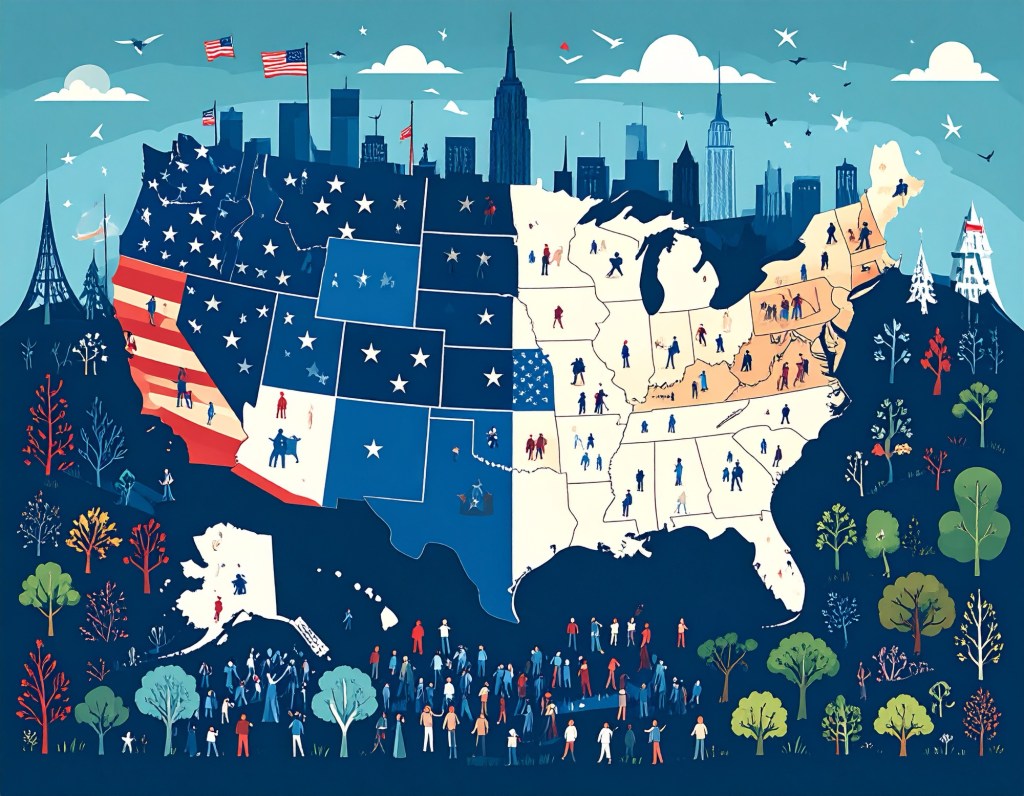
This flower stands as a symbol of America today. Its petals, darkened and heavy with drops of water, reflect the struggles our nation carries—the weight of division, the storms of uncertainty, and the trials that test our strength.
But like this flower, America does not fall. Even in the darkest hour, its foundation is strong, its roots unshaken. Our country has faced hardship before—wars, depressions, and deep divides—and each time, we have risen stronger, united by the belief that freedom and justice are worth fighting for.
The battle we face today is not just about politics or power. It is about remembering who we are as a people. It is about choosing unity over division, strength over fear, and faith in the promise of tomorrow.
Just as the flower carries the storm and still stands tall, so will America. Because this nation was built to endure, built to overcome, and built to shine again.
Across the world, society has become tangled in labels and ideologies. The word “woke” is thrown around as if it’s the measure of morality, but in chasing culture wars and empty slogans, we’ve abandoned something far more vital: basic human decency.
At the end of the day, it isn’t about being woke or anti-woke. It’s about being human. It’s about how we treat each other when no one is watching. Do we choose kindness? Do we extend compassion? Do we show empathy even when we disagree? These timeless values matter more than hashtags, trends, or political posturing.
The death of George Floyd was a tragedy — no one should ever have to die in such a way. But burning cities, rioting, and creating mayhem in response did nothing to honor his life. Violence only deepens wounds; it never heals them.
We must step away from being boxed into left or right and learn to meet in the middle. Because society will not survive if woke idealism is allowed to thrive unchecked. Extremes on either side breed only chaos, confusion, and division. What truly unites people is compassion, respect, and the willingness to listen — even when we disagree.
And it must begin at the top. Governments and leaders must be role models of decency. They must wear that responsibility like a cloak, because their actions set the tone for nations. Leaders who embrace compassion, respect, and accountability show their citizens the path forward.
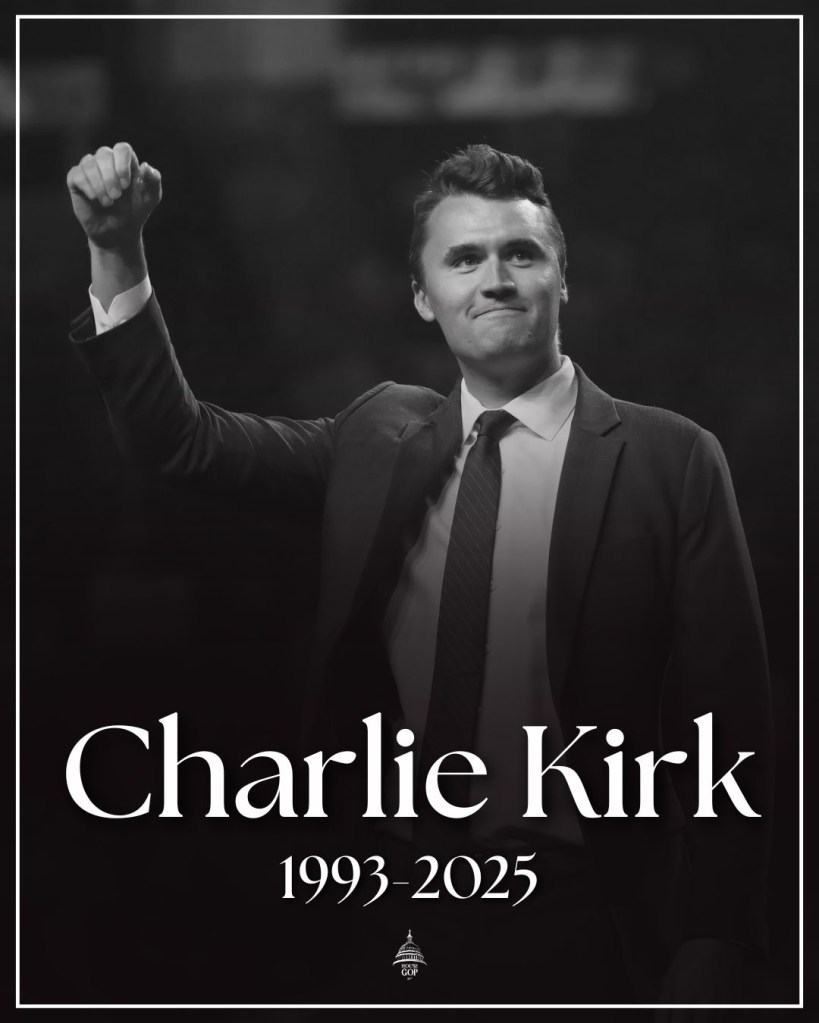
The death of Charlie Kirk is another stark reminder: we must return to the basics, to the core values that anchor humanity. Too many people have lost their way, spiraling into confusion, mental struggles, and even breakdowns. A world without decency, compassion, and clarity of purpose cannot endure.
Today, people find themselves questioning who they are or what they are, when the truth is, we should all know our identity, our worth, and our purpose in this life. But woke ideology feeds confusion, teaching lies that strip people of grounding and stability. It spreads like a virus that clings and corrodes — and it must be cast off if we are to heal.
When people choose compassion over chaos, empathy over ego, and kindness over cruelty, nations grow stronger. Communities flourish. Humanity rises. That is how we find healing. Not through shouting, canceling, or destroying, but through living the values of decency, humility, and respect.
We must stop chasing divisive ideologies and start seeing one another as human beings again. The world is desperate for simple kindness, for clear purpose, and for leaders and citizens alike to remember what matters most.
Because at the end of the day, compassion doesn’t need a label. It just needs to be lived. And if we don’t reclaim that truth soon, the cost to humanity will be greater than any of us can imagine.
In times of tragedy, like the recent political assassination of Charlie Kirk, we are reminded of just how fragile life is—and how deeply our words and actions can wound or heal others. Yet instead of responding with care and compassion, too often society seems to spiral into something darker. People lash out, gossip, argue, and tear each other down as though kindness has no place. It’s as if we’ve forgotten how to be human.
We don’t always have to agree with each other. We don’t even have to see eye to eye. But one thing is certain: we do not have the right to take each other’s lives or to purposely hurt one another. To celebrate a tragic loss is not only heartless—it is shameful and disgusting. A political assassination is not a victory to be cheered on. It is a sobering reminder of our shared mortality and the value of every single human life.
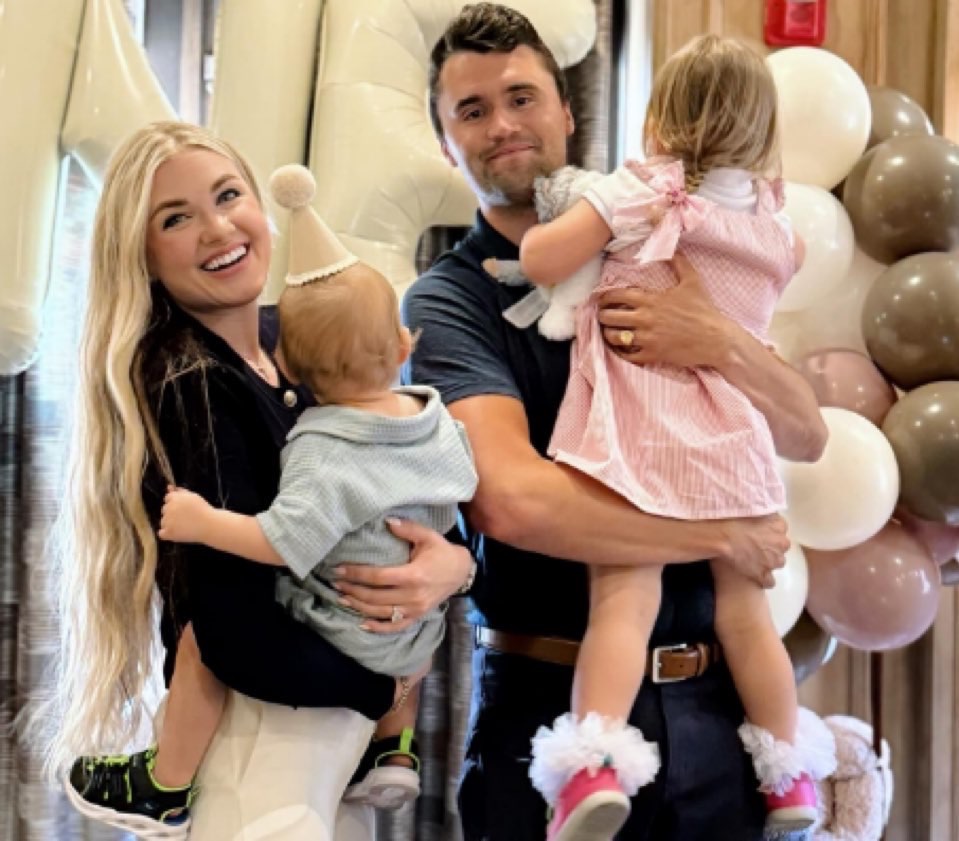
Because of this kind of evil, a wife and two little kids lost a husband and a father—something no family should ever have to suffer through just because people don’t agree with another person. This sets dangerous ground for others to misbehave and go after anyone who refuses to conform to their wishes. That is not freedom. That is not democracy. That is not humanity.
And I would like for government officials from all over the world, in every country, to step up and encourage social media platforms to stop the trolls, the fake pages, and the accounts that deliberately seek to hurt people with words and bullying—especially when families are mourning the loss of a loved one in this kind of tragedy. The internet should not be a breeding ground for cruelty. We are all human beings, and it is long past time we start treating each other with respect, love, kindness, and compassion.
I would also encourage government officials everywhere to make a difference in their countries by taking up the cross daily, as Jesus said, and following Him. That means following His teachings of kindness, compassion, and love. When will it be enough? When will people get sick and tired of this endless cycle of cruelty and violence? I pray that this is the beginning of a turning point—a moment where we collectively say, “This cannot go on.”
We must also hold all political parties accountable for their words and actions. No one should encourage division, violence, or hatred. And yes, in America this begins with the Democratic Party, who have too often been accused of encouraging such rhetoric and behavior. But accountability cannot stop there. Every political party, across every nation, must examine the ways they fuel division and take responsibility for changing it.
People need to remember something about the Democratic Party here in America: many of its leaders are not angels. We all remember when Chuck Schumer stood on the steps of the Supreme Court and said, “We will unleash the whirlwind.” That kind of rhetoric is dangerous, and it came across as a direct threat in the land toward the highest court in America. Words like that must not be brushed aside. He, and anyone in leadership who uses words to stir up division or fear, should be held accountable. No more “hand slaps” for politicians who cross the line—whether they are Democrats, Republicans, or anyone else who speaks and acts against the best interests of America.
What truly makes America great—and what I feel is too often missing today—is love for this country and care for its people. To make America great again isn’t just about politics, parties, or slogans; it’s about restoring compassion, decency, and respect for one another as Americans. A great nation is one that loves itself in the right way: not with arrogance, but with humility, care, and responsibility. Just as every citizen should care for their community, every country should be cared for by its people. That kind of love is what heals and unites.
Another thing is this: we must hold the mainstream media accountable for their words, their narratives, and their rhetoric as well. Too often, they mock, bully, torment, and even celebrate the misery and pain of others. This also includes voices from Hollywood, where actors and actresses sometimes use their platforms to encourage riots and unrest rather than peace and compassion. The media must be held accountable for telling falsehoods, for choosing stories just to get ratings, and for shaping division instead of fostering truth. Truth should never be sacrificed for clicks or profit. The media needs to remember its responsibility to care more about honesty and humanity than sensationalism.
When we treat one another like enemies, when we speak and act without empathy, we reduce ourselves to little more than wild animals fighting over scraps. But we were created for something greater. Our hearts are meant for compassion, for building bridges, for lifting each other up. Even in disagreement, even when we feel hurt or angry, we still have the power to choose humanity over hostility.
Kindness is not weakness. It is courage. It’s the strength to pause before speaking, to consider how our actions will affect another person, and to remember that behind every face is a life with battles we cannot see. Compassion says, “I will not add to your pain. I will choose to ease it.”
If Charlie Kirk’s political assassination teaches us anything, it should be this: life is too short for cruelty. We don’t know how much time we—or the people around us—have left. So why waste that precious time tearing others down? Why not spend it offering words that heal, hands that help, and hearts that care?
The world doesn’t need more division. It doesn’t need more shouting or finger-pointing. What it needs is people willing to love, to listen, and to live with kindness. We can’t change every tragedy, but we can change the way we treat each other. That choice belongs to us.
Let’s not be remembered as a generation that lost its heart. Let’s be remembered as a people who chose compassion, even in the face of chaos.
A Closing Prayer
Heavenly Father,
We lift up Charlie’s wife and his two precious children to You in this time of unimaginable grief. Surround them with Your comfort, protect them with Your peace, and hold them close in Your love. May they find strength in one another, courage to face the days ahead, and hope that light will overcome this darkness. Lord, heal the wounds of this family, of this nation, and of our world. Teach us again to love one another, to live with compassion, and to honor life as the sacred gift it is.
America is a vibrant, complex nation filled with diverse stories and struggles. To be kind to America means embracing its people with compassion, respecting its laws, and bridging divides with understanding. Here’s how we can do that, rooted in a heartfelt vision of kindness and fairness.
1. Value Every Person’s Journey
Every American has a unique story. Whether born here or arriving as immigrants or refugees, each person deserves to be seen and valued. Growing up in a family that worked hard to survive, I learned that struggles shape us but don’t define our worth. Kindness means welcoming everyone—regardless of background or identity, including the LGBT community—with open arms. At the same time, respecting America’s laws, like those on immigration, ensures fairness and safety, reflecting a patriotism grounded in goodness.
2. Listen and Understand, Despite Differences
Division is pulling America apart. Too often, we struggle to have respectful, intelligent conversations when we disagree. Kindness can change that. By listening with an open heart, we can find common ground. Being kind to America means rejecting media hype and propaganda that fuel anger, focusing instead on clarity and compassion. An independent mind, free from fads, helps us see people as individuals, not stereotypes.
3. Honor Life and Choices with Care
Kindness extends to the most vulnerable, including the unborn. Women deserve full control over their bodies, and their choices must be respected. Yet, alternatives like adoption or support programs can honor both a woman’s autonomy and the potential of life. Sexual decisions carry weight, and when made carelessly, an unborn child—innocent and voiceless—often bears the consequences. My own miscarriage taught me how precious life is, even when unplanned, fueling my deep love for the unborn and my call for compassion toward all life.
4. Build a Great America Together
To make America great—and keep her great—we must work together. This means valuing everyone, upholding laws, and solving challenges with kindness. It’s about being a respectful patriot who believes in a nation where all feel cared for. Compassion is the glue that can mend our divides, creating a future where we celebrate our shared humanity.
A Personal Plea
I’ve faced bullying, struggled to get by, and known heartbreak, but those experiences taught me to approach life with love and an open heart. I believe every life matters, and kindness is everything. Let’s be kind to America by listening to each other, respecting differences, and building a nation where compassion reigns.
Growing up in the 1990s in Flagstaff, Arizona, I remember an America that felt like home. We came together for Fourth of July parades, high school football games, and community barbecues under the shadow of the San Francisco Peaks. We celebrated everyone—different backgrounds, beliefs, and dreams—without forcing anyone to conform or flaunting lifestyles in each other’s faces. “We the People” meant unity, freedom, and respect. But today, politics and hate have spiraled out of control, and I wonder how we let it happen. The Democrats’ troubling history and their obsession with villainizing people, combined with the betrayal of RINOs—Republicans who act like Democrats behind closed doors—have made it hard to trust politicians or the media they lean on. Their actions, including the recent uproar over Stephen Colbert’s show, pushed me to become an independent voter. This is my story.
A Kid in Flagstaff: When America Knew Who It Was
In the ‘90s, Flagstaff was a small town where neighbors waved and looked out for each other. I’d ride my bike through downtown, past the old train station, feeling like everyone had a place here. Nobody cared if you voted differently or went to a different church. We didn’t force beliefs on each other, and nobody shoved their lifestyle in your face. America felt united, and “We the People” was a promise we believed in.
Now, division tears us apart. Neighbors in Flagstaff argue over politics, and families struggle with rising costs and shrinking opportunities. Hateful rhetoric and cancel culture have replaced the community spirit I grew up with. It’s nearly impossible to separate truth from the lies spun by politicians and media. The latest example—Democrats and their media allies accusing CBS of bribing President Trump over Stephen Colbert’s show cancellation—shows how far they’ll go to dodge accountability. This shift broke my trust in political parties and reshaped how I see myself as a voter and citizen.
Democrats: A History of Division and Media Manipulation
The Democratic Party’s past is hard to stomach. In the 19th century, they defended slavery and later enforced Jim Crow laws and segregation into the 20th century. Figures like Senator Robert Byrd, a former Ku Klux Klan member, remained a Democratic leader until 2010. While they’ve rebranded as champions of fairness, their modern tactics are just as divisive.
Today, Democrats focus on accusing and villainizing anyone who disagrees with them. In 2016, Hillary Clinton called Trump supporters a “basket of deplorables,” dismissing millions as racist or hateful for having different views (Clinton, 2016). In 2021, they labeled parents protesting critical race theory in schools as “domestic threats,” despite these being ordinary moms and dads concerned about their kids’ education (DOJ, 2021). This shuts down debate and tears communities like Flagstaff apart.
They also use the media to push their narrative. Outlets like CNN and MSNBC amplify Democratic talking points, spinning stories to make opponents look evil while ignoring their own failures. During the 2020 riots in cities like Minneapolis, media called them “mostly peaceful protests” while businesses burned (CNN, 2020). In Flagstaff, small businesses have struggled with rising costs, but Democrats and their media allies pushed defunding police instead of helping us feel safe.
The recent Stephen Colbert controversy is a perfect example. In July 2025, CBS announced that “The Late Show with Stephen Colbert” would end in May 2026, citing financial losses due to declining ad revenue and a shrinking late-night audience (POLITICO, 2025). Yet Democrats, including Senators Elizabeth Warren and Adam Schiff, along with media outlets, accused CBS of bribing President Trump, falsely claiming the cancellation was retaliation for Colbert’s criticism of Trump. They tied it to a $16 million settlement Paramount (CBS’s parent company) paid Trump in 2024 over an edited “60 Minutes” interview with Kamala Harris, ignoring CBS’s statement that the decision was purely business-driven, as the show was no longer profitable (The New York Times, 2025; The Washington Post, 2025). Democrats would rather blame Trump than admit their ally’s show couldn’t sustain itself. Their history of control—from Jim Crow to modern media manipulation—shows they care more about power than people.
RINOs: Republicans Who Betray Their Voters
Then there are the RINOs—Republicans In Name Only—who campaign on conservative values but vote like Democrats. In 1990, George H.W. Bush broke his “no new taxes” promise, raising taxes despite campaigning against them (Bush, 1990). More recently, Senator Mitt Romney continued this betrayal by voting for a $1.2 trillion infrastructure bill in 2021, stuffed with spending unrelated to roads or bridges, adding to the national debt while Flagstaff families struggled with economic hardship (Congress.gov, 2021).
Senator Lisa Murkowski is another example. In 2022, she supported a gun control bill that many conservatives saw as infringing on Second Amendment rights, siding with Democrats over her voters (Congress.gov, 2022). In Flagstaff, we needed lower taxes to help small businesses recover, but too many Republicans backed bloated budgets that ignored us. RINOs talk about fiscal responsibility and traditional values but often cave to corporate elites or Washington insiders, betraying the voters who trusted them.
How Their Actions Shaped My Choices
The actions of Democrats and RINOs show they don’t represent “We the People.” Democrats’ obsession with villainizing dissenters and using media to control the narrative—like their baseless accusations against CBS over Colbert’s cancellation—drowns out real concerns. Their focus on accusing border security advocates of “xenophobia” ignores how unchecked immigration policies strain local schools and hospitals in places like Flagstaff. RINOs, meanwhile, sell out their voters by supporting policies that don’t reflect our priorities, like runaway spending or weak stances on core issues.
The unity I knew as a kid in the ‘90s—when Flagstaff felt like a true community—has been replaced by a system where politicians prioritize power, donors, and media approval over citizens. I’m tired of the hate they’ve sown and the lies they spread, whether it’s smearing opponents or crying “bribe” when a company makes a financial decision. It’s why I became an independent—to vote for candidates who focus on solutions, like lower costs, better jobs, and safer communities, not division or betrayal.
Choosing Independence as a Citizen
Becoming an independent was about reclaiming my voice as a citizen. I’m done with Democrats’ history of division and their media-fueled attacks on anyone who thinks differently, like their overblown reaction to Colbert’s show ending. I’m fed up with RINOs who campaign as conservatives but govern like elites. Being independent means I judge candidates by their actions, not their party label. It’s freed me to focus on what matters: policies that bring back the unity and opportunity I remember from Flagstaff in the 1990s.
If you’re sick of politicians and media tearing us apart, I urge you to dig into their actions. Check their voting records, not just their speeches. Ask yourself: Are these leaders fighting for you? For me, the answer was no—so I chose independence. What’s your story?
Hollywood has lost its focus. Actors and actresses, once champions of storytelling, now often hijack their platforms to exaggerate issues like the Supplemental Nutrition Assistance Program (SNAP) cuts, turning practical policy debates into overblown spectacles. Their political crusades, often rooted in shallow understanding, drown out the entertainment audiences crave. Hollywood needs to refocus on telling stories that unite, not inflating issues like SNAP cuts into divisive dramas.
Why SNAP Cuts Are Being Proposed
Proposals to cut SNAP, like those in the House Republican budget, aim to reduce its $120 billion annual cost through 2034. The motives are economic and ideological, but Hollywood’s hype blows them out of proportion:
• Offsetting Tax Breaks: Lawmakers target SNAP to fund tax cuts, particularly for high earners and corporations. The House Agriculture Committee is tasked with cutting $230 billion, with SNAP as a key focus.
• Encouraging Work: Some argue stricter work requirements for recipients, including parents and older adults, will reduce reliance on aid. Yet, over 60% of non-elderly, non-disabled SNAP households already work, often in low-wage jobs that don’t cover food costs.
• State Funding Shifts: Proposals suggest states share SNAP costs, moving from full federal funding. States may struggle to pay, potentially reducing benefits or eligibility.
• Program Reform: Critics claim SNAP is misused (e.g., buying unhealthy foods) or too expensive, pushing for limits like restricting the Thrifty Food Plan, which sets benefit levels. These are policy tweaks, not crises, despite Hollywood’s theatrics.
The Real Impact
SNAP cuts could affect millions—children, seniors, and low-income workers—worsening food insecurity in places like Florida, where 2.9 million rely on benefits. But Hollywood’s exaggerated outrage turns a manageable issue into a polarizing circus, alienating audiences and obscuring practical solutions.
Hollywood’s Misstep
Actors aren’t policy experts, yet they amplify SNAP cuts into a moral panic, misunderstanding the nuances. Their dramatic posturing on platforms like X fuels division, not unity. Audiences want stories that entertain and inspire, not overblown political lectures.
How Hollywood Can Do Better
1. Prioritize Storytelling: Craft narratives that subtly highlight human struggles, like hunger, without turning them into soapboxes.
2. Stay in Your Lane: Leave policy debates to experts and focus on entertaining, not exaggerating.
3. Listen to Audiences: X shows fans want escapism, not drama. Deliver what they need.
4. Unite Through Art: Tell universal stories that bring people together, not fuel outrage.
A Call to Action
Hollywood, stop inflating issues like SNAP cuts and get back to storytelling. Create art that uplifts and connects us. Meanwhile, we must address SNAP cuts calmly—research leaders’ motives, demand balanced solutions, and support programs that fight hunger without the hysteria. Let’s build harmony through stories and reason.
By the way, not all actors and actresses are dramatic and there are even some who do focus on their work, but not all of them are and they need to be admonished.
The world craves positive change—a place where harmony replaces fear, and unity triumphs over division. Real progress starts with us making wiser choices about our leaders. It’s not just about picking the right people; it’s about rejecting radical ideals that fuel chaos and embracing leadership that fosters peace and togetherness.
Why Wise Leadership Matters Great leaders build bridges; poor ones burn them. History shows that leaders with integrity and a commitment to the common good create lasting progress. In contrast, those who push divisive, radical ideals—whether from the left, right, or elsewhere—sow fear and discord. Extreme visions tear societies apart rather than mend them. Wise leadership builds harmony; reckless leadership breeds conflict.
How to Choose Wisely
Look Beyond Charisma: Slick promises and fiery rhetoric can hide incompetence or dangerous agendas. Check a leader’s track record. Do their actions align with their words? Have they delivered results that promote peace?
Prioritize Character: Integrity matters more than ideology. Choose leaders who admit mistakes, treat others with respect, and value truth over power.
Reject Divisive Radicals: Leaders who thrive on extreme ideals—pitting groups against each other or threatening harmony—create fear, not solutions. Stand up to those who divide us, whether through hate, fearmongering, or utopian promises that ignore reality.
Seek Unifying Vision: The best leaders rally people around shared goals, not tribalism. Look for practical plans that tackle root issues like poverty or climate change without inflaming tensions.
Scrutinize Their Circle: A leader’s advisors reveal their judgment. Are they surrounded by experts or enablers of radicalism?
Focus on the Future: Choose leaders who prioritize long-term stability—education, economic fairness, and environmental care—over short-term chaos.
Our Role in Change We all deserve to live in harmony, free from fear. That starts with courageously rejecting leaders who threaten peace with divisive or radical agendas. Stay engaged—use platforms like X to track what leaders say and do in real time. Hold them accountable. Amplify voices that challenge division and promote unity.
A Call to Action The world won’t improve unless we act. Choose leaders who embody wisdom, not extremism. Research their past, question their motives, and demand substance over style. By standing up to those who divide and uplifting those who unite, we can build a future where harmony prevails. Let’s make it happen.
In a world that often feels divided, it is crucial to find moments of unity and understanding. As we observe both Pride Month and Veterans Month, we are presented with a unique opportunity to celebrate diversity and honor those who have served, while embracing the core values of love and respect that bind us all.
Pride Month is a time to recognize and celebrate the LGBTQ+ community, acknowledging the struggles and triumphs in the ongoing fight for equality and acceptance. It is a month that champions love in all its forms, reminding us that everyone deserves to live authentically and without fear.
Veterans Month, on the other hand, is dedicated to honoring the brave individuals who have served in the military, sacrificing so much to protect the freedoms we hold dear. It is a time to express gratitude and support for those who have dedicated their lives to service.
At first glance, these two observances may seem distinct, but they share a common thread: the celebration of courage, resilience, and the human spirit. Both Pride Month and Veterans Month call us to reflect on the values of love, respect, and unity.
Growing up in a Christian home filled with love, kindness, respect, and understanding, I was taught by my dad to treat people how you want to be treated. This golden rule emphasizes that everyone deserves to be treated with kindness, love, compassionate care, and respect. Yet, in today’s world, it often feels like these values are overshadowed by division and hostility. It seems as though we are being tested to see if we can truly love those who are different from us, challenging us to rise above and embrace the diversity of God’s creation.
In a society that often highlights differences, it is essential to remember the words of Jesus: “Love one another as I have loved you.” This call to love transcends disagreements and differences, urging us to see the humanity in each person. We may not always agree with each other’s lifestyles or choices, but we can choose to approach each other with kindness and understanding.
Love has the power to heal and transform. It can bridge divides and create a more inclusive and compassionate world. By embracing love and respect, we can honor both the LGBTQ+ community and our veterans, recognizing their contributions and the richness they bring to our society.
As we celebrate these important months, let us commit to walking the walk of love and acceptance. Let us listen, learn, and support one another, creating a world where everyone feels valued and respected. In doing so, we honor the spirit of both Pride Month and Veterans Month, and we take a step towards a brighter, more united future.
We start being more kinder to each other and less hostile and hateful to each other. We all need to live in harmony with each other, even if we don’t agree with others. It’s time for common sense and love to come back.