There’s something that happens for me when I sit with an image long enough—something quiet, something that doesn’t rush or demand attention. It’s not just about looking at what’s in front of me; it’s about allowing myself to feel it fully, without distraction. Over time, without forcing it, something begins to take form in my mind that I’ve come to understand as a person’s shape. Not the outline of their body or the surface of how they appear, but something much deeper—the way they exist through time. It’s the way they carry themselves, the way they return to their work, the way they continue forward even when life asks more of them than most people see. It builds slowly, layer by layer, until it becomes something I can feel clearly, even if I can’t always explain it perfectly. And when I look at Sam Heughan, that shape feels steady. It feels grounded, consistent, and earned over time in a way that doesn’t need to be loud to be understood—and that kind of presence, to me, is something that deserves to be recognized every day, not just in passing moments.
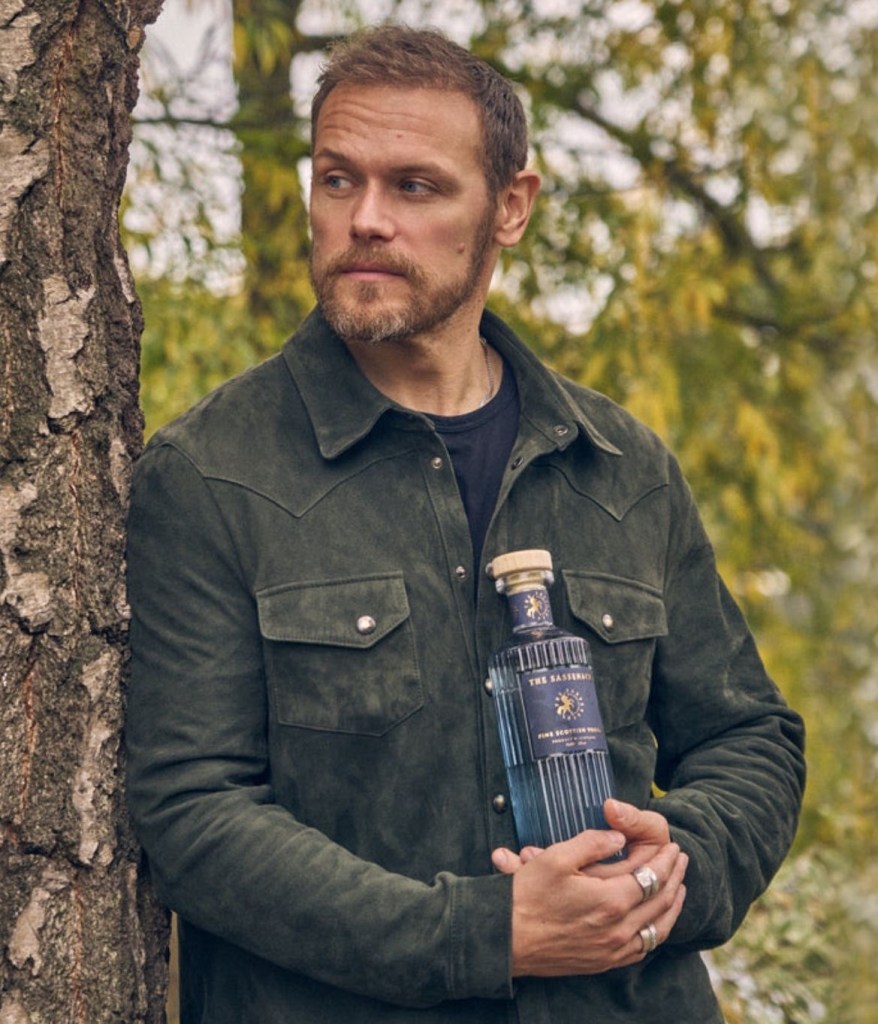
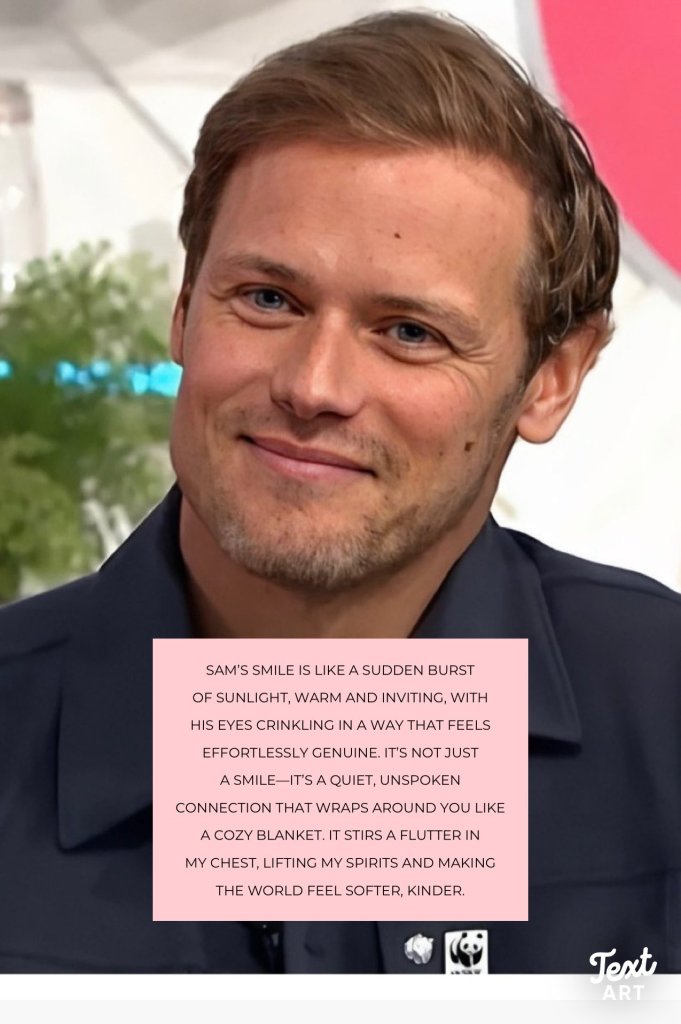
When I look at his photos, I don’t just see a single captured moment frozen in time. I feel everything that surrounds it—the years that led to that expression, the discipline it takes to remain consistent in an industry that is constantly shifting, and the quiet strength it requires to stay rooted in who you are while being seen by so many people. There’s something about that kind of presence that doesn’t need to announce itself. It reveals itself in small, almost unspoken ways—in the eyes that carry experience, in the posture that reflects both confidence and responsibility, and in the stillness that doesn’t feel empty, but rather full of something lived and understood. These are the details my mind naturally holds onto, not because I am searching for them, but because I feel them without trying. And it’s those quiet, consistent details that make me feel like appreciation shouldn’t be occasional—it should be something steady, just like the effort behind them.
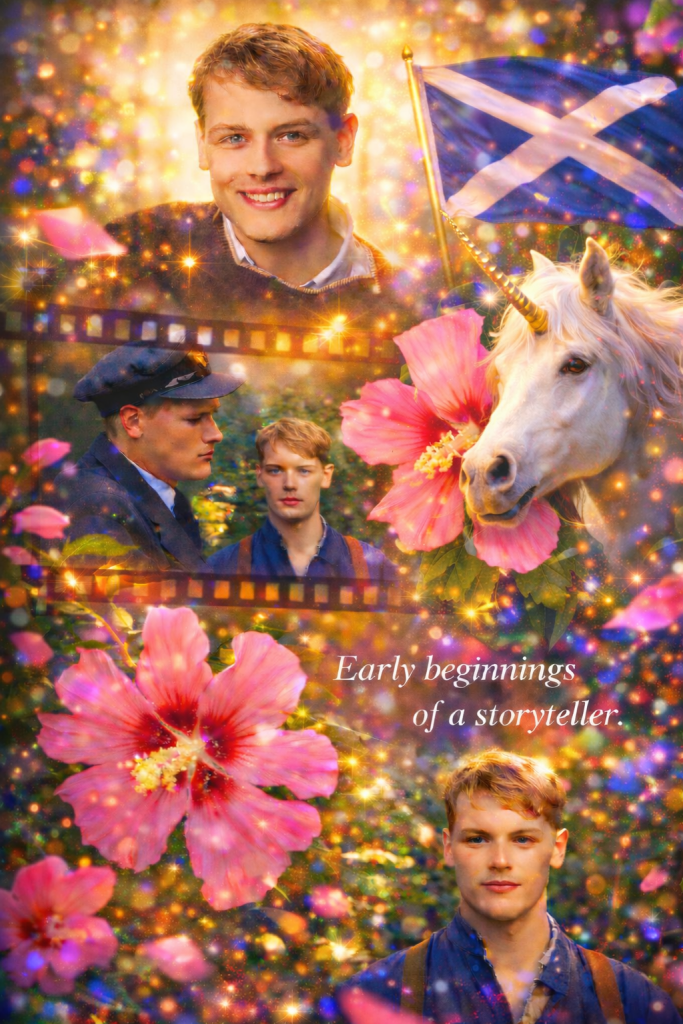
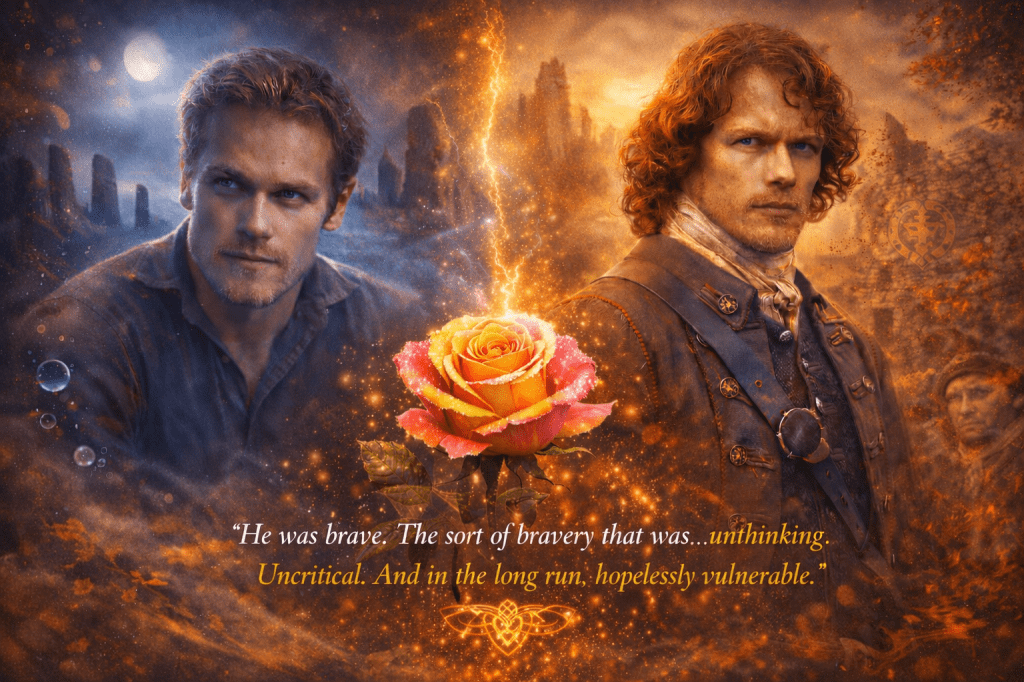
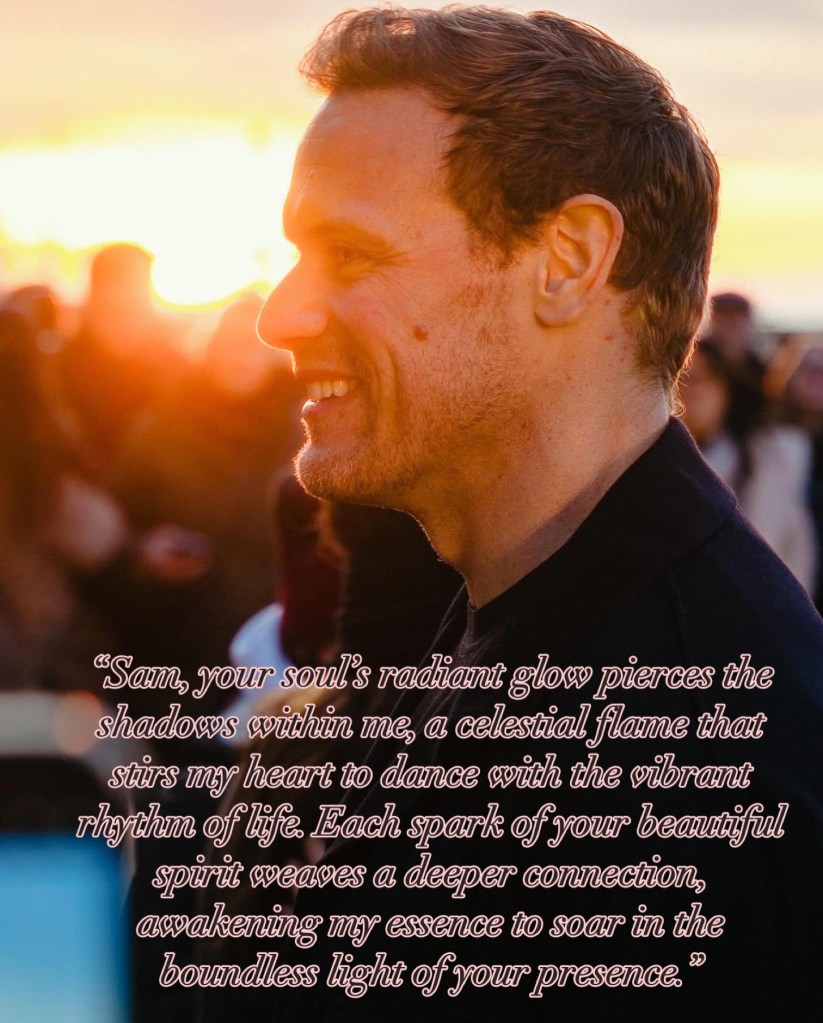
I’ve never approached an image with the thought of whether it should be left as it is or changed into something else. When I see something, I feel it almost immediately, and that feeling doesn’t stay still inside of me. It moves, it expands, and it becomes something that asks to be expressed. It’s not because the original image is lacking anything—in fact, it’s because it already holds so much that I can’t experience it as just a single moment. To me, it becomes layered, almost alive, something that continues beyond what was captured. Creating from it is not about altering it, but about meeting it where it already exists for me internally. And in that process, it becomes another way for me to acknowledge and celebrate what I see—not just once, but in a way that continues.
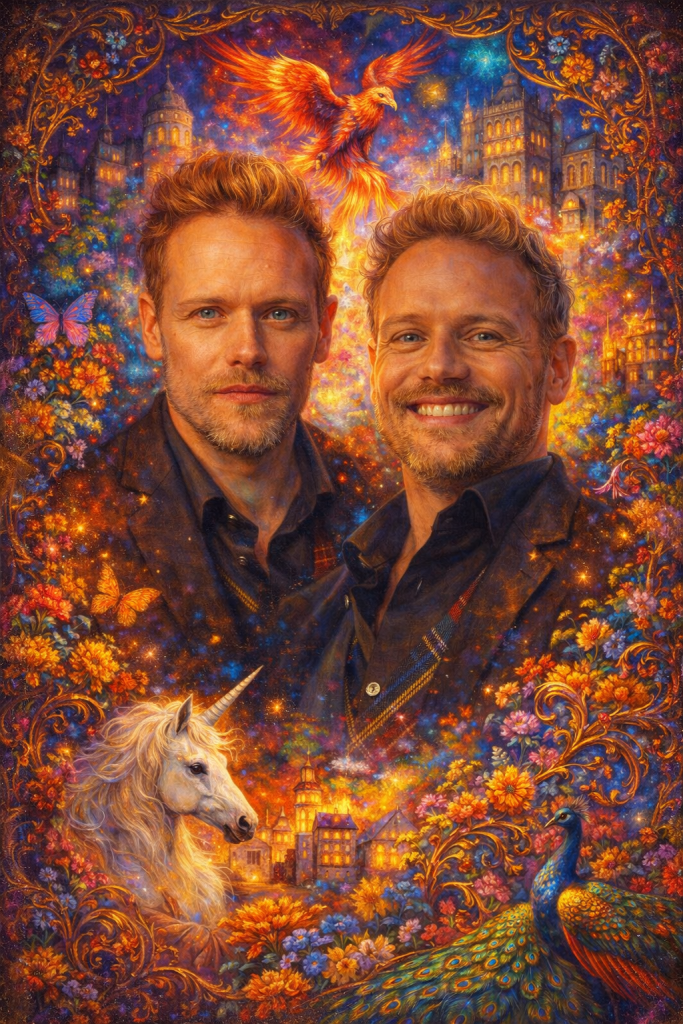
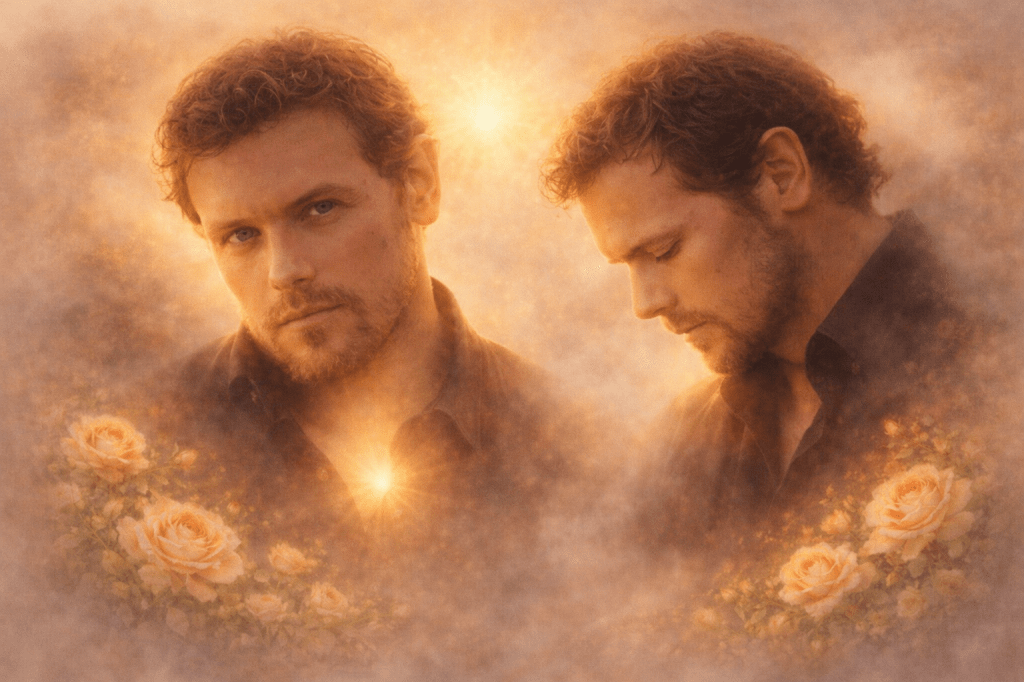
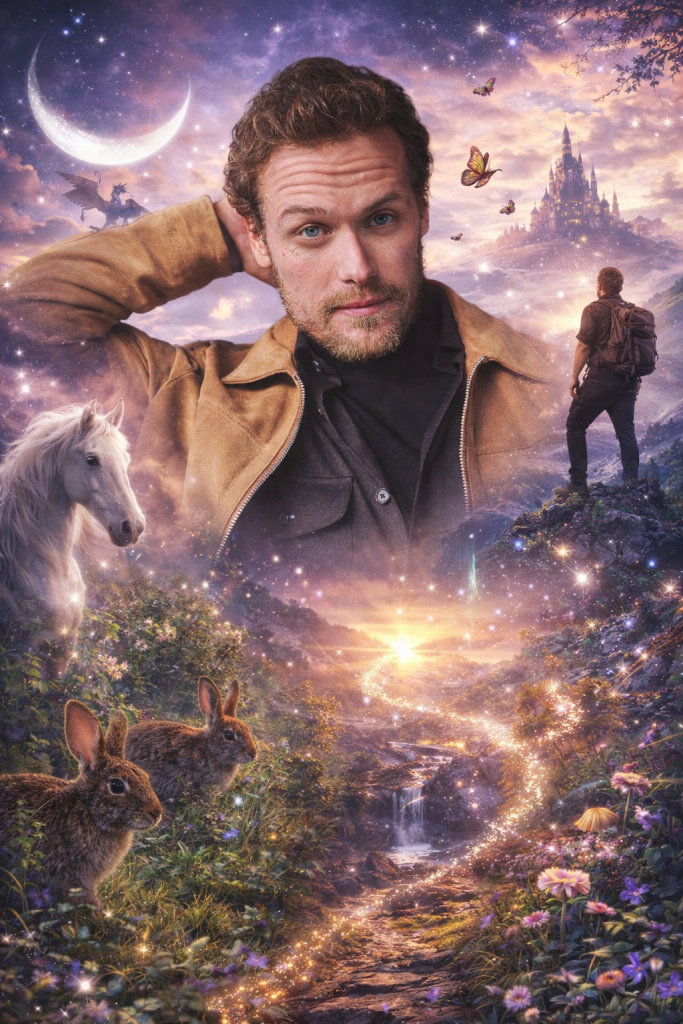
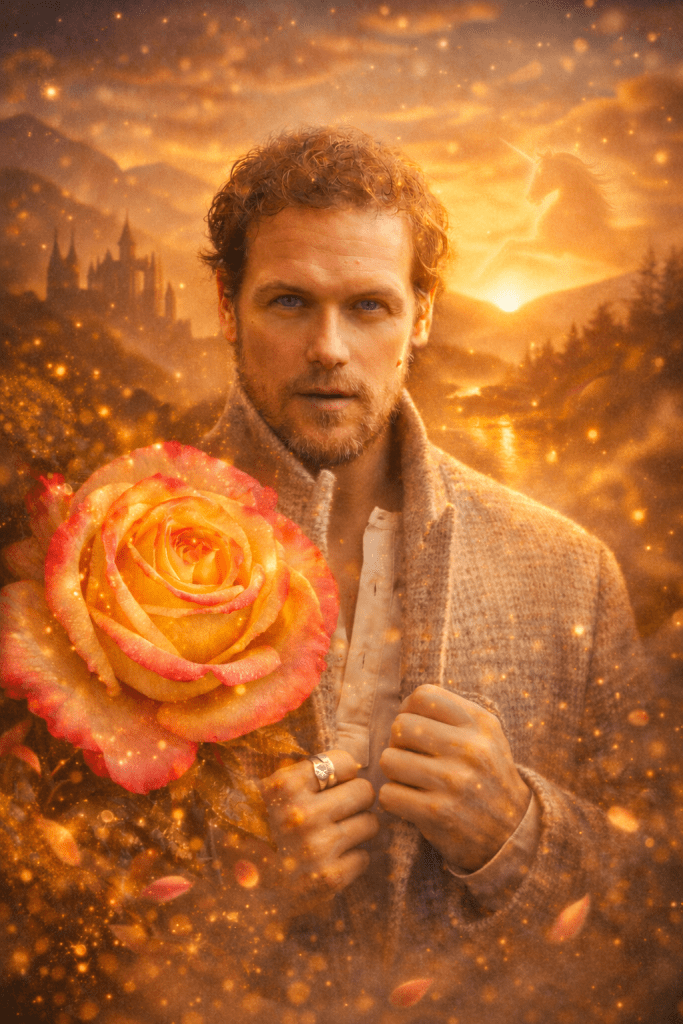
When I begin to create from one of his images, it doesn’t come from a structured plan or a need to produce something specific. It begins with a feeling that I can’t ignore. Sometimes that feeling is softness, something warm and steady that feels like it deserves to be protected and held gently. Other times it’s strength, not the kind that is loud or forceful, but the kind that is carried quietly over time without needing recognition. There are moments when it feels deeper than that—like a sense of responsibility, or the weight of continuing forward even when things aren’t easy. Without even realizing it, I start asking myself what that feeling would look like if it could be seen. That’s when the layers begin to form. Light might wrap around him because the presence feels warm and constant. Roses might appear because growth, resilience, and care feel like part of that emotional understanding. Scottish textures or landscapes might weave into the image because where someone comes from is part of their foundation, part of their identity, part of their shape. Nothing I create is random. Every detail comes from something I felt first. Because I’m not trying to recreate him—I’m responding to him, and in doing that, I’m continuing to celebrate what I see in a way that feels natural to me.
The way I experience all of this is deeply connected to how my mind works. Being autistic means I don’t move through the world in quick impressions or surface-level understanding. I notice patterns, I notice consistency, and I notice the way someone shows up over time—not just once, but again and again. That’s where a person’s shape becomes clear to me. It isn’t built from assumptions or imagination, but from repetition, from observation, from quietly witnessing how someone continues to carry themselves through their life and their work. And once that shape forms in my mind, it becomes something I hold onto in a very real and meaningful way. It also becomes something I naturally feel should be acknowledged more than it often is—because consistency like that isn’t ordinary.
I’ve also come to understand that there is a difference between truly appreciating someone and unintentionally taking from them. It can be easy, especially in a world that moves quickly, to cross that line—to assume, to create narratives, or to turn someone into something they never asked to be. That’s never what I want. For me, celebrating someone means staying grounded in what is real—what they have shown through their work, their actions, and their consistency. It means respecting what isn’t shared and understanding that who they are is not something I get to define. My art isn’t about shaping him into something new; it’s about reflecting what I see in a way that honors what already exists. It’s about appreciation that stays respectful, steady, and genuine.
There is something about consistency that stands out to me more than anything else. People can have moments where they shine, but it is something entirely different to continue showing up over time. To keep building, to keep creating, to keep evolving without losing the core of who you are requires a level of discipline and intention that isn’t always visible to others. And that is why, to me, someone like him isn’t just worth celebrating in big moments or milestones—he’s worth celebrating every day. Not in a way that overwhelms or crosses boundaries, but in a quiet, ongoing acknowledgment of what he continues to give through his work and presence. Because when someone chooses, over and over again, to show up with purpose, that kind of consistency becomes something meaningful enough to recognize daily.
So when I create—when I add light, texture, softness, and symbolism—I’m not trying to change him or add something that wasn’t already there. I’m responding to something I felt, something I noticed, something that took time to form in the way I see. This is my way of honoring that. My way of slowing a moment down and allowing it to expand into something more. My way of saying, quietly but clearly, that I see the shape of who he is through what he does—and that kind of presence, to me, is something worth recognizing, appreciating, and celebrating every single day.
And sometimes, the quietest way of seeing someone… is the most meaningful way of celebrating them.





 Deep Thinking