Storytelling has always been one of humanity’s most powerful ways of understanding itself. Long before screens and stages, stories were shared around fires and passed from generation to generation. They carried lessons about courage, love, resilience, and hope. Even today, storytelling continues to guide us through the emotional landscapes of life.
There are certain storytellers in this world who seem to understand something deeply human. They don’t simply step into roles and recite lines. Instead, they carry entire emotional landscapes with them — courage, heartbreak, love, resilience — and invite audiences to walk through those landscapes alongside them.
When a storyteller truly understands the human heart, the characters they bring to life begin to feel timeless. We recognize parts of ourselves within them. Our struggles, our hopes, our quiet strengths. In that way, storytelling becomes more than entertainment. It becomes a bridge between human experiences.
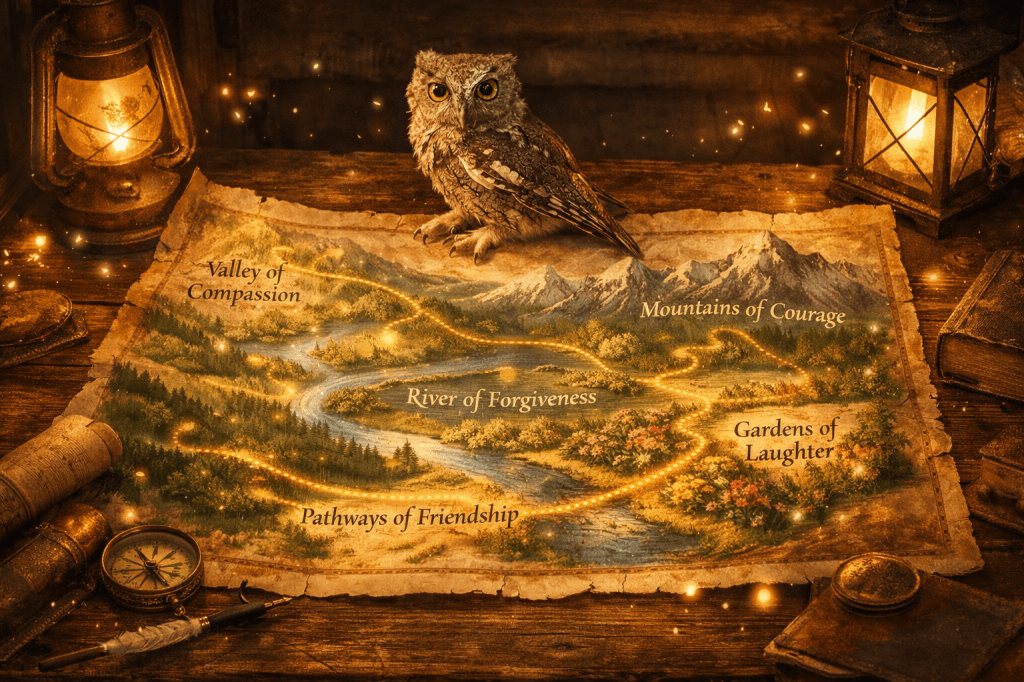
Stories allow us to travel through emotions we may not yet fully understand ourselves. They take us into valleys of grief, across mountains of courage, and along rivers of hope. Through these journeys, storytelling reminds us that the human experience is shared in ways we sometimes forget.
Actors who approach storytelling with empathy and dedication become guides through these emotional landscapes. Their work reminds us that storytelling is not simply about playing a role — it is about understanding the soul of a character and sharing that understanding with the audience.
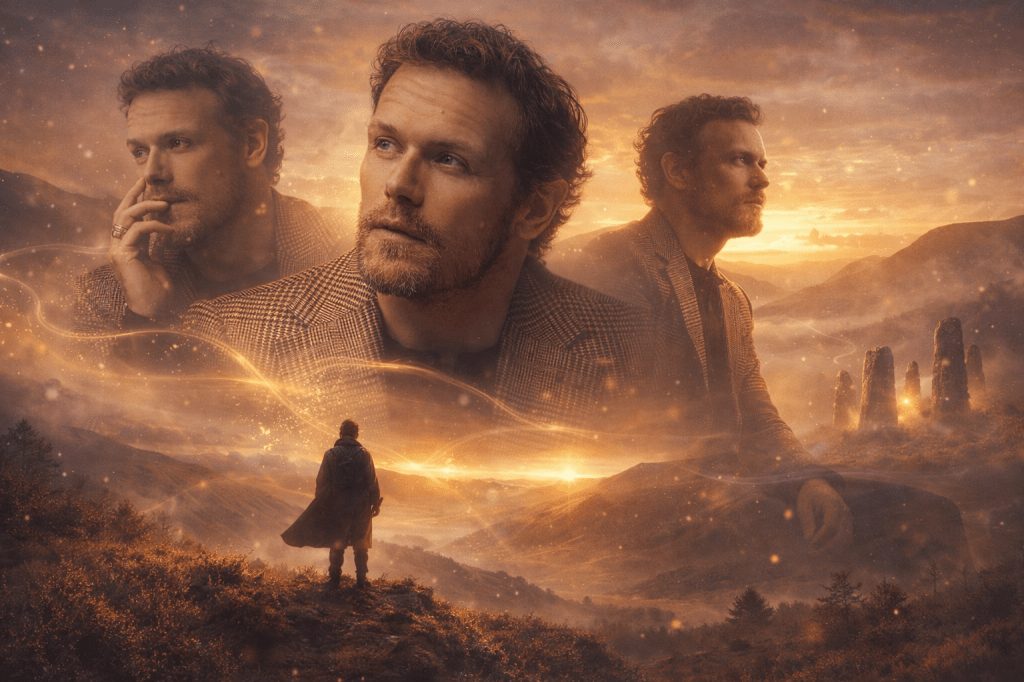
One actor whose work reflects this kind of storytelling is Sam Heughan. Through the characters he has brought to life, he demonstrates how powerful storytelling can be when it is grounded in emotional truth and respect for the story being told. What makes performances like these stand out is not simply talent, but a genuine appreciation for the craft itself.
Great storytelling asks artists to step into many different lives and experiences. It requires curiosity about the world and compassion for the many ways people live, struggle, grow, and love. That kind of work leaves an impression on audiences because it reflects something honest about the human experience.
For me personally, storytelling has always felt deeply meaningful. As someone who experiences the world with an autistic mind, I often notice emotional details and moments of humanity that others might pass by quickly. Stories — whether in books, film, or art — help translate those emotions into something shared and understood. They create a sense of connection between people who may have never met but recognize pieces of themselves within the same story.
Perhaps that is why certain stories stay with us long after the screen fades to black or the curtain falls. They linger because they touched something real within us.
In a world that can sometimes feel loud and distracted, storytelling still holds a quiet power. It reminds us of courage, compassion, vulnerability, and hope — the very qualities that shape who we are.
And when storytellers approach their craft with sincerity, they create something lasting. Not just a performance, but a connection.
Because at its heart, storytelling has always been one of the ways humanity learns to understand itself.
 Deep Thinking