Across the world, society has become tangled in labels and ideologies. The word “woke” is thrown around as if it’s the measure of morality, but in chasing culture wars and empty slogans, we’ve abandoned something far more vital: basic human decency.
At the end of the day, it isn’t about being woke or anti-woke. It’s about being human. It’s about how we treat each other when no one is watching. Do we choose kindness? Do we extend compassion? Do we show empathy even when we disagree? These timeless values matter more than hashtags, trends, or political posturing.
The death of George Floyd was a tragedy — no one should ever have to die in such a way. But burning cities, rioting, and creating mayhem in response did nothing to honor his life. Violence only deepens wounds; it never heals them.
We must step away from being boxed into left or right and learn to meet in the middle. Because society will not survive if woke idealism is allowed to thrive unchecked. Extremes on either side breed only chaos, confusion, and division. What truly unites people is compassion, respect, and the willingness to listen — even when we disagree.
And it must begin at the top. Governments and leaders must be role models of decency. They must wear that responsibility like a cloak, because their actions set the tone for nations. Leaders who embrace compassion, respect, and accountability show their citizens the path forward.
The death of Charlie Kirk is another stark reminder: we must return to the basics, to the core values that anchor humanity. Too many people have lost their way, spiraling into confusion, mental struggles, and even breakdowns. A world without decency, compassion, and clarity of purpose cannot endure.
Today, people find themselves questioning who they are or what they are, when the truth is, we should all know our identity, our worth, and our purpose in this life. But woke ideology feeds confusion, teaching lies that strip people of grounding and stability. It spreads like a virus that clings and corrodes — and it must be cast off if we are to heal.
When people choose compassion over chaos, empathy over ego, and kindness over cruelty, nations grow stronger. Communities flourish. Humanity rises. That is how we find healing. Not through shouting, canceling, or destroying, but through living the values of decency, humility, and respect.
We must stop chasing divisive ideologies and start seeing one another as human beings again. The world is desperate for simple kindness, for clear purpose, and for leaders and citizens alike to remember what matters most.
Because at the end of the day, compassion doesn’t need a label. It just needs to be lived. And if we don’t reclaim that truth soon, the cost to humanity will be greater than any of us can imagine.
Celebrity culture is a fascinating phenomenon. On one hand, celebrities inspire us, entertain us, and sometimes even feel like family because of how present they are in our daily lives. On the other, many fans cross an invisible line—shifting from admiration to a sense of entitlement, as though they own a piece of the celebrity’s life. But where does this feeling come from?
Parasocial Relationships
At the root is what psychologists call a parasocial relationship. Fans often consume interviews, social media posts, movies, and shows so regularly that it creates a powerful illusion of intimacy. It feels like we know these stars personally, when in reality, the connection is one-sided. This blurring of boundaries can lead fans to believe they have a stake in a celebrity’s choices—whether it’s who they date, how they dress, or what projects they pursue.
Media Access and Illusions of Intimacy
Social media accelerates this sense of closeness. Celebrities post selfies, stories, and behind-the-scenes moments that create the impression of authenticity and accessibility. For fans, it feels like an invitation into their private world. But curated glimpses don’t equal consent to full access. When fans mistake these digital fragments for a whole person, ownership tendencies grow.
Projection and Identification
Many fans project their own values, dreams, or struggles onto celebrities. They see them not just as performers, but as symbols—representations of what they wish for in themselves. This identification can morph into an expectation: if the celebrity changes, disappoints, or chooses differently, the fan feels personally betrayed, almost as though their investment is being disregarded.
The Commercial Factor
The entertainment industry itself sometimes feeds this mindset. Marketing campaigns encourage fans to “join the family,” “support the journey,” or “be part of the legacy.” While this language builds loyalty, it also blurs the line between admiration and ownership, convincing fans that their financial or emotional investment entitles them to personal influence.
Outlander and the Case of Sam Heughan as Jamie Fraser
Few fandoms illustrate this sense of ownership more vividly than Outlander. When Sam Heughan first stepped into the role of Jamie Fraser, he wasn’t just playing a character — he embodied a romantic ideal deeply rooted in Diana Gabaldon’s beloved novels. For many readers and viewers, Jamie was already a living, breathing figure in their imaginations. Sam’s portrayal only amplified that connection.
Fans didn’t just fall in love with the character; they projected Jamie’s traits onto Sam himself. Over time, this blurred the boundary between actor and role, creating the expectation that Sam should mirror Jamie’s loyalty, passion, and choices in his real life. It was as if Jamie Fraser stepped off the page and onto the red carpet — and fans wanted him to stay that way.
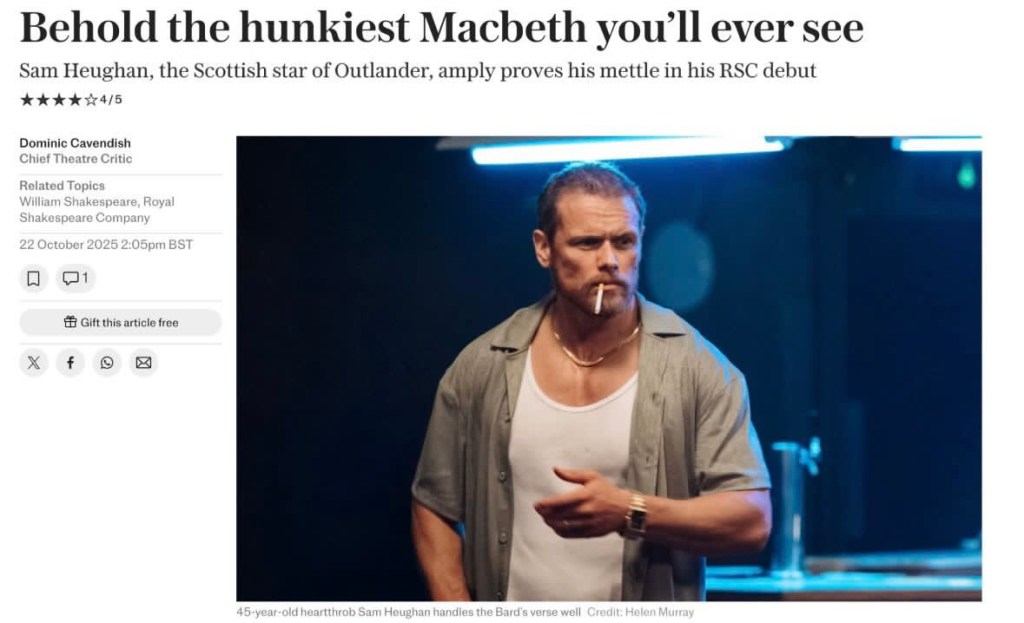
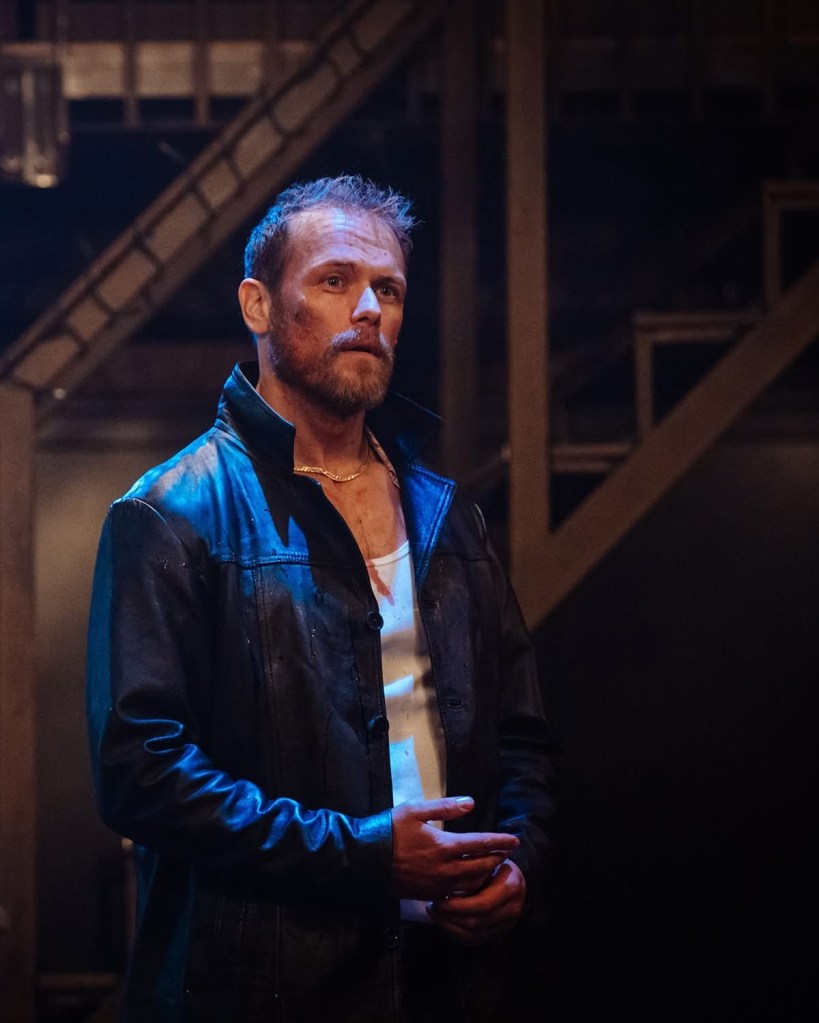
But here’s where I think the story turns into something even more beautiful: Sam is now moving from Jamie Fraser to Macbeth and to other creative projects he is envisioning. This evolution shows his passion as an artist and his courage to take on challenges beyond what fans already know him for. Rather than trying to hold him inside the box of Jamie Fraser forever, fans have the chance to genuinely support him by embracing his new work and enjoying what he continues to create.
Now, imagine this from another perspective: picture yourself being scrutinized by the public, with strangers feeling entitled to weigh in on your every choice. Imagine them demanding access to your private life, trying to shape it, or questioning it. Would you enjoy that? Of course not. In fact, you would likely try to protect yourself by hiding as much of your private life as possible. That is exactly the kind of pressure Sam and many actors live under — and it explains why keeping boundaries is not only natural, but necessary.
And take it a step further: imagine you have a partner you truly love, and they are bullied or ridiculed online simply because they are dating you. That’s what happens when fans cross the line and convince themselves that they, not the celebrity, should have a say in who someone loves. It’s not only cruel — it’s a sign of unhealthy obsession. People who behave this way often need to take a serious step back and consider their own mental health. No one has ownership over another person’s life, and certainly not over someone they’ve never truly known.
In a way, Outlander became the perfect example of parasocial attachment colliding with ownership. Sam gave the world Jamie Fraser, but many fans wanted Jamie forever — forgetting that Sam is a real man, not a fictional Highland warrior bound to anyone’s expectations. Supporting his artistry, rather than attempting to invade his privacy, is the healthiest and most respectful way to honor what he has given us.
Opening Our Eyes
This isn’t about scolding anyone — it’s about awareness. Many people don’t even realize how their words or behavior, especially online, can weigh heavily on another person’s shoulders. Celebrities may seem larger than life, but at the end of the day, they are still human beings who deserve kindness and respect just like anyone else.
And here’s a question worth reflecting on: if someone like Sam were to find true love, would people continue to bully, troll, or tear him down for it? Or would they love him enough to accept the fact that he is happy? That question doesn’t just apply to Sam Heughan — it applies to every actor and actress who faces the same struggle.
When we say we admire or love someone, it should mean we want the best for them — their happiness, their growth, their joy. Anything less isn’t love at all; it’s ownership in disguise.
✨ The real gift we can give our favorite actors isn’t control, but freedom — the freedom to live, to love, and to keep creating without fear of being torn apart for being human.
There are times when I close my eyes and imagine myself in Sam Heughan’s shoes. I wonder what it must feel like to live every day under the constant gaze of the public eye—where even the smallest details of your life are poked and prodded, not out of malice, but out of curiosity and the desire to step into a world that isn’t theirs to enter.
Privacy has become one of the biggest struggles in today’s world, and for someone like Sam Heughan, it is an ongoing challenge. He gives so much of himself through his work, his projects, and his generosity, but the man behind the spotlight still deserves the right to breathe, to love, and to live freely without intrusion.
It’s easy to forget that admiration doesn’t grant entitlement. The truth is, Sam—like all actors, artists, and public figures—should not have to sacrifice dignity or peace of mind in exchange for recognition. As much as people celebrate his talent, it’s equally important to honor what he chooses to keep for himself.
When I think of this, I realize that respecting the boundary between public and private is not just a courtesy. It is a responsibility, especially for those who call themselves supporters. That line between what is shared and what is sacred must always be protected.
I would also encourage his management team, along with others in similar positions, to draw that line firmly and to demand that tabloids, gossip websites, and careless articles stop twisting pieces of interviews for the sake of greed and clicks—but also to put a stop to endless speculations that serve no purpose, because there is no truth in them.
And to the jealous or obsessive fans: with all due respect, Sam Heughan deserves far better. Whoever he chooses to share his life with is his choice alone, and no one else’s business. He isn’t your husband or boyfriend, and it is not for anyone to dictate who he should love or date. Jealous behavior only reveals insecurity and blinds people to what truly matters. The truth is, Sam should be met with the deepest respect—not unhealthy obsession—because of all that he gives to others and the love he pours into his craft.
In today’s entertainment world, fame is rarely a simple blessing. For actors like Sam Heughan—and many others—success often comes with a shadow: gossip tabloids, speculative media, and obsessive fan culture. While their art inspires millions, the darker side of fame can feel like a thorn in their side, pricking at their dignity, privacy, and even their personal relationships.
The Tabloid Machine
Gossip outlets and entertainment magazines thrive on speculation. Instead of celebrating an actor’s work, they often chase sensational headlines designed to stir drama and keep readers hooked. With Sam, for instance, articles have sometimes focused less on his craft and more on speculation about his personal life. These constant invasions distort the truth, fuel baseless rumors, and add unnecessary stress to someone simply trying to live authentically.
Journalists, Speculators, and the Lack of Respect
The problem doesn’t stop with gossip tabloids. Journalists, media outlets, and online speculators often fail to respect boundaries. There is a desperate need for better training in ethical reporting—learning to recognize that public figures still have private lives deserving of respect. When actors like Sam deliberately keep aspects of their personal life private, it isn’t secrecy; it’s self-protection. Yet as long as the pressure and entitlement continue, many actors will feel they have no choice but to guard their relationships fiercely.
Obsession Masquerading as Fandom
It’s natural for fans to feel connected to actors whose work has touched them. But there’s a sharp line between admiration and obsession. Some individuals cross that line by feeling entitled to every detail of a celebrity’s private life—demanding to know who they’re dating, where they live, or even spreading negativity when those details aren’t shared. This sense of entitlement creates a hostile environment not only for the actor but also for anyone close to them.
The Hidden Partner’s Burden
When actors choose to keep a partner private, it’s usually a form of protection. Not out of shame or secrecy, but out of love and respect. A private partner can easily become a target of speculation, judgment, and online harassment fueled by gossip and jealous fans. Imagine stepping into a relationship where you are instantly judged not for who you are, but for how well strangers think you “measure up” to someone’s idealized fantasy. This can strain even the strongest bond.
Holding Media Accountable
This is where management teams and representatives need to step in. Gossip tabloids and magazines must be held accountable when they cross the line. If entertainment journalism refuses to practice restraint, then agents and managers of well-known figures have a responsibility to push back—challenging false narratives, demanding retractions, and setting stronger boundaries with outlets that repeatedly exploit personal lives for clicks.
The Need for Respect and Humanity
At the heart of it, celebrities are still human beings. They deserve to live, to love, and to protect their relationships without constant scrutiny. Supporting an actor also means respecting their boundaries. True fandom isn’t about control or entitlement—it’s about celebrating their art, appreciating their authenticity, and allowing them the same dignity we would want for ourselves.
A Call for Compassion
For Sam Heughan and countless others, privacy is not a luxury but a necessity. It’s time we, as a culture, rethink how we consume celebrity news. Do we want to be complicit in tearing down the very people whose art inspires us? Or do we want to be the kind of fans and media that uplift, respect, and protect them?
The answer should be simple.
It was stated in the show that Liz has a boyfriend currently.Her and Sam have always been mutual fans of each other according to the both of them.Fans by now should know Sam well enough he would never put his private life in the spotlight and two of course he will compliment her as he is a very kind hearted human being and it was a mutual compliment not a romantic one.
I blog because writing has always felt like home to me. It’s where I can let my thoughts, feelings, and passions flow without judgment. Every post is a way to open my heart—whether I’m standing up for someone I admire, sharing a reflection from my own life, or simply letting creativity spill onto the page.
For me, blogging is more than words on a screen. It’s connection. It’s the chance to reach out to others who may feel the same way, to remind them that they’re not alone, and to encourage kindness in a world that often forgets the power of compassion.
It’s also my creative outlet. Here, I can be poetic, thoughtful, reflective, or strong—sometimes all in the same post. Blogging helps me process what matters most to me, and it turns everyday experiences into something meaningful.
Most of all, I blog because it empowers me. It gives me the space to speak up about dignity, love, respect, and humanity. It’s my voice—and I’m grateful for everyone who chooses to listen.
It’s common to see fans brag about being part of groups dedicated to their favorite actors and actresses. They post endlessly about how much they “support” the work, how devoted they are to the projects, and how proud they are to share in the excitement. On the surface, it seems like a beautiful form of community.
But dig deeper, and the question becomes: how much of that support truly respects the person behind the performance?
When Support Turns Superficial
Too often, these groups elevate the actor’s career while ignoring their humanity. They may obsess over red-carpet photos, critique what someone wears, or gossip about their private life. In doing so, they strip away the dignity of the very person they claim to admire. That’s not real support—it’s performance-based loyalty that vanishes the moment an actor chooses comfort, privacy, or authenticity over appearances.
True Support Means Respect
Real support goes beyond sharing trailers or posting gifs online. It means celebrating the actor’s craft while also respecting them as a human being. It means understanding that someone like Sam Heughan is more than just Jamie Fraser or a face at premieres—he’s a person who deserves dignity, privacy, and the freedom to live without constant judgment.
A Call to Fans
If you’re part of a fan group, ask yourself: are we really building a space that honors the whole person, or are we just fueling a cycle of gossip and shallow commentary? The best way to “support” an actor or actress isn’t only by watching their projects—it’s by ensuring our admiration protects their dignity and gives them room to be themselves.
Actors aren’t just characters. They’re people with hearts, lives, and feelings. And if fans want to be proud of their communities, they should make sure those communities are rooted in kindness and respect.
In today’s world, it’s easy for people to hide behind a screen and throw out opinions about how an actor or actress looks, dresses, or carries themselves. But the truth is, none of those things define their talent, dedication, or the heart they put into their craft.
When it comes to someone like Sam Heughan, this becomes even clearer. He’s an actor who has worked tirelessly on stage and screen, from his early theatre performances to his now-worldwide recognition. His career is not about what jacket he wore on a red carpet or whether his hair is long or cropped short—it’s about the soul and effort he pours into his roles.
Clothing and Image Don’t Equal Character
Actors often have to change their appearance to suit a role: haircuts, weight fluctuations, wardrobe choices, and even personal style evolutions. None of this should be a license for judgment. What Sam wears to an event, or whether he’s in a tailored suit or casual jeans, has nothing to do with his worth as an actor—or as a person.
The Pressure of Public Scrutiny
Celebrities, especially high-profile actors like Sam, face an immense amount of scrutiny from groups online who think it’s their job to dissect every outfit or expression. But those comments ignore the reality: actors are humans. They have personal tastes, moods, and reasons for the way they present themselves. To judge them solely on appearance diminishes the art they create and the good they do off-screen.
Have you seen someone doing this to Sam Heughan—or any other actor or actress? Hold them accountable. This kind of behavior affects not only someone’s emotional state but also their mental well-being. Always be kind, and remember: actors deserve the same right to comfort as anyone else. They shouldn’t be pressured into wearing suits and dresses all the time just to meet someone else’s expectations.
More Than Looks: A Legacy of Hard Work
Sam Heughan is more than just a face on a poster. He’s an author, a producer, a philanthropist, and someone who uses his platform to give back—whether through his My Peak Challenge charity, his whisky brand celebrating Scottish heritage, or his commitment to meaningful storytelling. That kind of legacy should never be overshadowed by shallow judgments on how he looks walking out of a hotel or appearing in a candid photo.
Respect Over Ridicule
The next time anyone feels tempted to judge an actor based on their outfit or haircut, it’s worth remembering: clothes can be changed, hairstyles grow, but what remains is their work, their impact, and their humanity. Actors like Sam Heughan deserve to be respected for the depth of their craft, not reduced to surface-level chatter.
America is a vibrant, complex nation filled with diverse stories and struggles. To be kind to America means embracing its people with compassion, respecting its laws, and bridging divides with understanding. Here’s how we can do that, rooted in a heartfelt vision of kindness and fairness.
1. Value Every Person’s Journey
Every American has a unique story. Whether born here or arriving as immigrants or refugees, each person deserves to be seen and valued. Growing up in a family that worked hard to survive, I learned that struggles shape us but don’t define our worth. Kindness means welcoming everyone—regardless of background or identity, including the LGBT community—with open arms. At the same time, respecting America’s laws, like those on immigration, ensures fairness and safety, reflecting a patriotism grounded in goodness.
2. Listen and Understand, Despite Differences
Division is pulling America apart. Too often, we struggle to have respectful, intelligent conversations when we disagree. Kindness can change that. By listening with an open heart, we can find common ground. Being kind to America means rejecting media hype and propaganda that fuel anger, focusing instead on clarity and compassion. An independent mind, free from fads, helps us see people as individuals, not stereotypes.
3. Honor Life and Choices with Care
Kindness extends to the most vulnerable, including the unborn. Women deserve full control over their bodies, and their choices must be respected. Yet, alternatives like adoption or support programs can honor both a woman’s autonomy and the potential of life. Sexual decisions carry weight, and when made carelessly, an unborn child—innocent and voiceless—often bears the consequences. My own miscarriage taught me how precious life is, even when unplanned, fueling my deep love for the unborn and my call for compassion toward all life.
4. Build a Great America Together
To make America great—and keep her great—we must work together. This means valuing everyone, upholding laws, and solving challenges with kindness. It’s about being a respectful patriot who believes in a nation where all feel cared for. Compassion is the glue that can mend our divides, creating a future where we celebrate our shared humanity.
A Personal Plea
I’ve faced bullying, struggled to get by, and known heartbreak, but those experiences taught me to approach life with love and an open heart. I believe every life matters, and kindness is everything. Let’s be kind to America by listening to each other, respecting differences, and building a nation where compassion reigns.
In this fourth part of our series celebrating kindness toward Sam Heughan, we address how AI and gossip fuel harmful fantasies about his personal life, including his friendship with Outlander co-star Caitriona Balfe. Fans adore Sam’s portrayal of Jamie Fraser, but blurring the line between his on-screen role and real-life connections can hurt him, Caitriona, her family, and fans who perpetuate these narratives. While AI can be a useful tool when used responsibly, misuse can harm those living honest lives of hard work and genuine friendships. Let’s explore why kindness, not rumors, is the best way to honor Sam and his work.
The Role of AI: A Double-Edged Sword
Artificial intelligence can enhance fandom creativity, like generating fan art or boosting Outlander engagement, when used responsibly. However, AI can also amplify harmful gossip. Tools like fan fiction generators or social media algorithms create convincing stories, images, or videos that seem real. For example, a deepfake might depict Sam in a romantic scenario with Caitriona, sparking false rumors about their friendship. Such content spreads rapidly on platforms like X, blurring fact and fiction, and harming those like Sam and Caitriona who maintain honest lives and authentic friendships built on hard work.
The Harm to Sam Heughan and Caitriona Balfe
Sam’s magnetic performance in Outlander has won hearts, but gossip about his personal life, especially his strong friendship with Caitriona, invades his privacy. Fans misinterpret their on-screen chemistry, forcing Sam to address rumors or limit public interactions to avoid speculation. This takes an emotional and professional toll, overshadowing his talent. If Sam were to have a real-life partner in the future, she might face distress seeing these rumors, even if she’s prepared for public scrutiny. Fans must show respect to her, regardless of her readiness, to avoid causing harm. For Caitriona, these rumors intrude on her personal life, including her marriage and role as a mother, creating unfair pressure and disrespecting her family’s privacy, despite her solid friendship with Sam. Great chemistry between actors is vital for a show’s success—it’s a common, necessary part of Hollywood. But strong on-screen chemistry doesn’t mean they’re romantically involved.
The Deeper Harm to Fans
Fans who believe Sam’s friendship with Caitriona is romantic risk deeper harm. Clinging to this fantasy fosters unhealthy obsessions, leading to emotional investment in a false narrative. When reality—such as Caitriona’s family life or Sam’s personal choices, including a future partner—doesn’t align, disappointment breeds conflict within fan communities or even attacks on Caitriona’s family or Sam’s potential partner. Misused AI content and gossip exploit fans’ admiration for Sam, turning passion into toxicity and fracturing the Outlander fandom.
Promoting Kindness and Respect
We can celebrate Sam’s incredible work without crossing personal boundaries. Support his Outlander performances, upcoming projects, or create fan art that respects his privacy and his friendship with Caitriona. Likewise, honor Caitriona’s talent while respecting her family life. If Sam finds a real-life partner, fans must extend respect to her, especially if she’s prepared for public attention, to ensure she feels welcomed, not targeted. Use AI responsibly to enhance fandom creativity, not to spread harmful rumors. Be cautious of AI-generated content or gossip on X—verify sources before sharing. By fostering positive, respectful fan communities, we keep the Outlander fandom a welcoming space for all who admire Sam and his co-star.
Conclusion
Kindness is the foundation of true fandom. Let’s honor Sam Heughan and his friendship with Caitriona Balfe by celebrating their talent and chemistry, not fueling fantasies with misused AI or gossip. Great chemistry is essential for Outlander’s success, but it doesn’t mean romance. Sam, Caitriona, her family, and any future partner Sam may have—prepared or not—deserve a fandom rooted in respect. Join us in spreading positivity, and stay tuned for the next part of our series—or let’s build a healthier, happier Outlander community today.
Growing up in the 1990s in Flagstaff, Arizona, I remember an America that felt like home. We came together for Fourth of July parades, high school football games, and community barbecues under the shadow of the San Francisco Peaks. We celebrated everyone—different backgrounds, beliefs, and dreams—without forcing anyone to conform or flaunting lifestyles in each other’s faces. “We the People” meant unity, freedom, and respect. But today, politics and hate have spiraled out of control, and I wonder how we let it happen. The Democrats’ troubling history and their obsession with villainizing people, combined with the betrayal of RINOs—Republicans who act like Democrats behind closed doors—have made it hard to trust politicians or the media they lean on. Their actions, including the recent uproar over Stephen Colbert’s show, pushed me to become an independent voter. This is my story.
A Kid in Flagstaff: When America Knew Who It Was
In the ‘90s, Flagstaff was a small town where neighbors waved and looked out for each other. I’d ride my bike through downtown, past the old train station, feeling like everyone had a place here. Nobody cared if you voted differently or went to a different church. We didn’t force beliefs on each other, and nobody shoved their lifestyle in your face. America felt united, and “We the People” was a promise we believed in.
Now, division tears us apart. Neighbors in Flagstaff argue over politics, and families struggle with rising costs and shrinking opportunities. Hateful rhetoric and cancel culture have replaced the community spirit I grew up with. It’s nearly impossible to separate truth from the lies spun by politicians and media. The latest example—Democrats and their media allies accusing CBS of bribing President Trump over Stephen Colbert’s show cancellation—shows how far they’ll go to dodge accountability. This shift broke my trust in political parties and reshaped how I see myself as a voter and citizen.
Democrats: A History of Division and Media Manipulation
The Democratic Party’s past is hard to stomach. In the 19th century, they defended slavery and later enforced Jim Crow laws and segregation into the 20th century. Figures like Senator Robert Byrd, a former Ku Klux Klan member, remained a Democratic leader until 2010. While they’ve rebranded as champions of fairness, their modern tactics are just as divisive.
Today, Democrats focus on accusing and villainizing anyone who disagrees with them. In 2016, Hillary Clinton called Trump supporters a “basket of deplorables,” dismissing millions as racist or hateful for having different views (Clinton, 2016). In 2021, they labeled parents protesting critical race theory in schools as “domestic threats,” despite these being ordinary moms and dads concerned about their kids’ education (DOJ, 2021). This shuts down debate and tears communities like Flagstaff apart.
They also use the media to push their narrative. Outlets like CNN and MSNBC amplify Democratic talking points, spinning stories to make opponents look evil while ignoring their own failures. During the 2020 riots in cities like Minneapolis, media called them “mostly peaceful protests” while businesses burned (CNN, 2020). In Flagstaff, small businesses have struggled with rising costs, but Democrats and their media allies pushed defunding police instead of helping us feel safe.
The recent Stephen Colbert controversy is a perfect example. In July 2025, CBS announced that “The Late Show with Stephen Colbert” would end in May 2026, citing financial losses due to declining ad revenue and a shrinking late-night audience (POLITICO, 2025). Yet Democrats, including Senators Elizabeth Warren and Adam Schiff, along with media outlets, accused CBS of bribing President Trump, falsely claiming the cancellation was retaliation for Colbert’s criticism of Trump. They tied it to a $16 million settlement Paramount (CBS’s parent company) paid Trump in 2024 over an edited “60 Minutes” interview with Kamala Harris, ignoring CBS’s statement that the decision was purely business-driven, as the show was no longer profitable (The New York Times, 2025; The Washington Post, 2025). Democrats would rather blame Trump than admit their ally’s show couldn’t sustain itself. Their history of control—from Jim Crow to modern media manipulation—shows they care more about power than people.
RINOs: Republicans Who Betray Their Voters
Then there are the RINOs—Republicans In Name Only—who campaign on conservative values but vote like Democrats. In 1990, George H.W. Bush broke his “no new taxes” promise, raising taxes despite campaigning against them (Bush, 1990). More recently, Senator Mitt Romney continued this betrayal by voting for a $1.2 trillion infrastructure bill in 2021, stuffed with spending unrelated to roads or bridges, adding to the national debt while Flagstaff families struggled with economic hardship (Congress.gov, 2021).
Senator Lisa Murkowski is another example. In 2022, she supported a gun control bill that many conservatives saw as infringing on Second Amendment rights, siding with Democrats over her voters (Congress.gov, 2022). In Flagstaff, we needed lower taxes to help small businesses recover, but too many Republicans backed bloated budgets that ignored us. RINOs talk about fiscal responsibility and traditional values but often cave to corporate elites or Washington insiders, betraying the voters who trusted them.
How Their Actions Shaped My Choices
The actions of Democrats and RINOs show they don’t represent “We the People.” Democrats’ obsession with villainizing dissenters and using media to control the narrative—like their baseless accusations against CBS over Colbert’s cancellation—drowns out real concerns. Their focus on accusing border security advocates of “xenophobia” ignores how unchecked immigration policies strain local schools and hospitals in places like Flagstaff. RINOs, meanwhile, sell out their voters by supporting policies that don’t reflect our priorities, like runaway spending or weak stances on core issues.
The unity I knew as a kid in the ‘90s—when Flagstaff felt like a true community—has been replaced by a system where politicians prioritize power, donors, and media approval over citizens. I’m tired of the hate they’ve sown and the lies they spread, whether it’s smearing opponents or crying “bribe” when a company makes a financial decision. It’s why I became an independent—to vote for candidates who focus on solutions, like lower costs, better jobs, and safer communities, not division or betrayal.
Choosing Independence as a Citizen
Becoming an independent was about reclaiming my voice as a citizen. I’m done with Democrats’ history of division and their media-fueled attacks on anyone who thinks differently, like their overblown reaction to Colbert’s show ending. I’m fed up with RINOs who campaign as conservatives but govern like elites. Being independent means I judge candidates by their actions, not their party label. It’s freed me to focus on what matters: policies that bring back the unity and opportunity I remember from Flagstaff in the 1990s.
If you’re sick of politicians and media tearing us apart, I urge you to dig into their actions. Check their voting records, not just their speeches. Ask yourself: Are these leaders fighting for you? For me, the answer was no—so I chose independence. What’s your story?