For far too long, politics in America has been driven less by honest debate and more by rhetoric and extremism. Instead of focusing on real solutions, both major parties have learned that fear, exaggeration, and emotional appeals are the fastest ways to capture attention and rally their base. It’s a strategy that may win elections—but it’s tearing our country apart.
How Democrats Use Rhetoric to Sway the People
Democrats have often leaned on dramatic, emotional language to push their policies. From the Vietnam era to today’s climate and healthcare battles, their playbook has been consistent: frame every issue as a moral crisis, paint opponents as cold-hearted or bigoted, and push urgency so strong that compromise feels impossible. Words like “the planet is doomed” or “healthcare is a human right or nothing” stir passion, but they also deepen divides.
How Republicans Respond in Their Own Way
Republicans are not immune to the same tactics. While Democrats warn of social collapse without their policies, Republicans often sound alarms about threats to freedom, tradition, or the Constitution. They label opponents “radicals” or “socialists,” using fear of lost liberties to energize their voters. At times, their rhetoric becomes just as extreme, warning of cultural destruction or government overreach at every turn.
In short: both parties have discovered that fear works. But it also leaves everyday Americans caught in the middle, exhausted and frustrated by leaders who prefer slogans over solutions.
What America Can Do to Fix It
The good news? We don’t have to accept politics as usual. America can—and must—change the rules that reward division:
Reform elections with ranked-choice voting and open primaries so leaders must appeal to a broader base. End gerrymandering by handing redistricting over to independent commissions. Limit the power of money in politics through public financing and stronger transparency. Strengthen civic education and media literacy so people can see through manipulative rhetoric. Hold social media platforms accountable for algorithms that reward outrage instead of truth. Support local journalism and fact-checking to bring trustworthy information back into communities.
These steps don’t just tame rhetoric—they make politicians accountable to people, not extremes.
A Message to the World
And this isn’t just about America. Around the globe, people face the same struggle: governments that thrive on fear, division, and emotional manipulation. Whether in democracies or struggling systems, the challenge is universal. Citizens everywhere must ask: Does my government bring us together—or keep us apart?
Reform isn’t easy. But history shows that when people demand better, leaders have no choice but to listen.
The Call to Action
Politicians won’t fix this on their own. It’s up to us. If we rise above division, demand reforms, and insist on real solutions, then we can reclaim democracy—not only in America, but as an example to the world.
It starts with us. It starts now. And if we refuse to be divided, the future can finally belong to the people—not the rhetoric.
Across the world, society has become tangled in labels and ideologies. The word “woke” is thrown around as if it’s the measure of morality, but in chasing culture wars and empty slogans, we’ve abandoned something far more vital: basic human decency.
At the end of the day, it isn’t about being woke or anti-woke. It’s about being human. It’s about how we treat each other when no one is watching. Do we choose kindness? Do we extend compassion? Do we show empathy even when we disagree? These timeless values matter more than hashtags, trends, or political posturing.
The death of George Floyd was a tragedy — no one should ever have to die in such a way. But burning cities, rioting, and creating mayhem in response did nothing to honor his life. Violence only deepens wounds; it never heals them.
We must step away from being boxed into left or right and learn to meet in the middle. Because society will not survive if woke idealism is allowed to thrive unchecked. Extremes on either side breed only chaos, confusion, and division. What truly unites people is compassion, respect, and the willingness to listen — even when we disagree.
And it must begin at the top. Governments and leaders must be role models of decency. They must wear that responsibility like a cloak, because their actions set the tone for nations. Leaders who embrace compassion, respect, and accountability show their citizens the path forward.
The death of Charlie Kirk is another stark reminder: we must return to the basics, to the core values that anchor humanity. Too many people have lost their way, spiraling into confusion, mental struggles, and even breakdowns. A world without decency, compassion, and clarity of purpose cannot endure.
Today, people find themselves questioning who they are or what they are, when the truth is, we should all know our identity, our worth, and our purpose in this life. But woke ideology feeds confusion, teaching lies that strip people of grounding and stability. It spreads like a virus that clings and corrodes — and it must be cast off if we are to heal.
When people choose compassion over chaos, empathy over ego, and kindness over cruelty, nations grow stronger. Communities flourish. Humanity rises. That is how we find healing. Not through shouting, canceling, or destroying, but through living the values of decency, humility, and respect.
We must stop chasing divisive ideologies and start seeing one another as human beings again. The world is desperate for simple kindness, for clear purpose, and for leaders and citizens alike to remember what matters most.
Because at the end of the day, compassion doesn’t need a label. It just needs to be lived. And if we don’t reclaim that truth soon, the cost to humanity will be greater than any of us can imagine.
In times of tragedy, like the recent political assassination of Charlie Kirk, we are reminded of just how fragile life is—and how deeply our words and actions can wound or heal others. Yet instead of responding with care and compassion, too often society seems to spiral into something darker. People lash out, gossip, argue, and tear each other down as though kindness has no place. It’s as if we’ve forgotten how to be human.
We don’t always have to agree with each other. We don’t even have to see eye to eye. But one thing is certain: we do not have the right to take each other’s lives or to purposely hurt one another. To celebrate a tragic loss is not only heartless—it is shameful and disgusting. A political assassination is not a victory to be cheered on. It is a sobering reminder of our shared mortality and the value of every single human life.
Because of this kind of evil, a wife and two little kids lost a husband and a father—something no family should ever have to suffer through just because people don’t agree with another person. This sets dangerous ground for others to misbehave and go after anyone who refuses to conform to their wishes. That is not freedom. That is not democracy. That is not humanity.
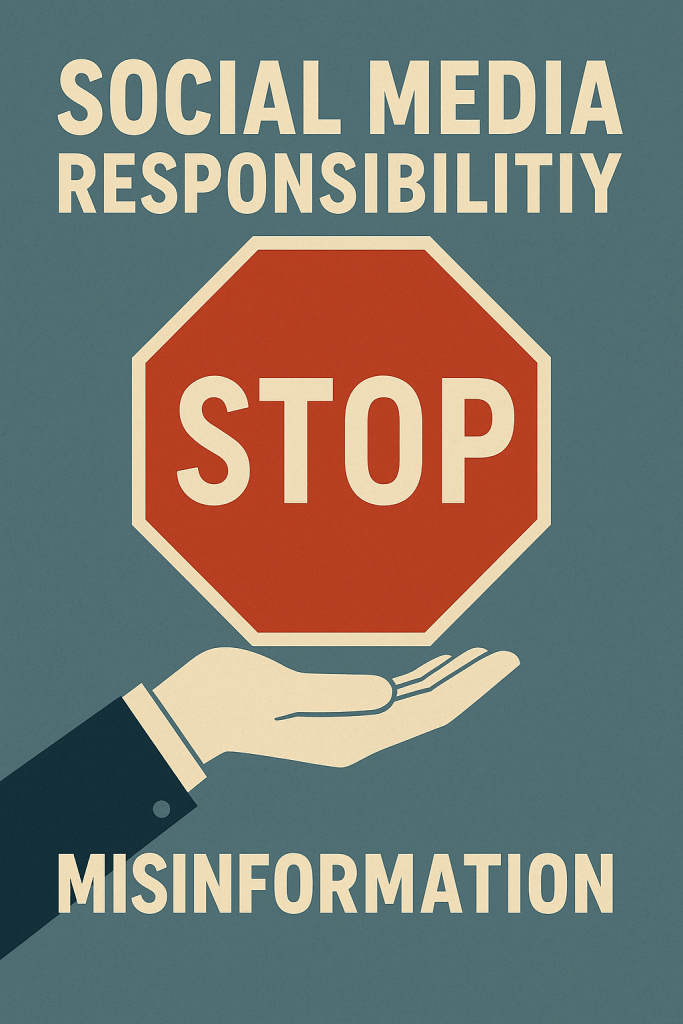
And I would like for government officials from all over the world, in every country, to step up and encourage social media platforms to stop the trolls, the fake pages, and the accounts that deliberately seek to hurt people with words and bullying—especially when families are mourning the loss of a loved one in this kind of tragedy. The internet should not be a breeding ground for cruelty. We are all human beings, and it is long past time we start treating each other with respect, love, kindness, and compassion.
I would also encourage government officials everywhere to make a difference in their countries by taking up the cross daily, as Jesus said, and following Him. That means following His teachings of kindness, compassion, and love. When will it be enough? When will people get sick and tired of this endless cycle of cruelty and violence? I pray that this is the beginning of a turning point—a moment where we collectively say, “This cannot go on.”
We must also hold all political parties accountable for their words and actions. No one should encourage division, violence, or hatred. And yes, in America this begins with the Democratic Party, who have too often been accused of encouraging such rhetoric and behavior. But accountability cannot stop there. Every political party, across every nation, must examine the ways they fuel division and take responsibility for changing it.
People need to remember something about the Democratic Party here in America: many of its leaders are not angels. We all remember when Chuck Schumer stood on the steps of the Supreme Court and said, “We will unleash the whirlwind.” That kind of rhetoric is dangerous, and it came across as a direct threat in the land toward the highest court in America. Words like that must not be brushed aside. He, and anyone in leadership who uses words to stir up division or fear, should be held accountable. No more “hand slaps” for politicians who cross the line—whether they are Democrats, Republicans, or anyone else who speaks and acts against the best interests of America.
What truly makes America great—and what I feel is too often missing today—is love for this country and care for its people. To make America great again isn’t just about politics, parties, or slogans; it’s about restoring compassion, decency, and respect for one another as Americans. A great nation is one that loves itself in the right way: not with arrogance, but with humility, care, and responsibility. Just as every citizen should care for their community, every country should be cared for by its people. That kind of love is what heals and unites.
Another thing is this: we must hold the mainstream media accountable for their words, their narratives, and their rhetoric as well. Too often, they mock, bully, torment, and even celebrate the misery and pain of others. This also includes voices from Hollywood, where actors and actresses sometimes use their platforms to encourage riots and unrest rather than peace and compassion. The media must be held accountable for telling falsehoods, for choosing stories just to get ratings, and for shaping division instead of fostering truth. Truth should never be sacrificed for clicks or profit. The media needs to remember its responsibility to care more about honesty and humanity than sensationalism.
When we treat one another like enemies, when we speak and act without empathy, we reduce ourselves to little more than wild animals fighting over scraps. But we were created for something greater. Our hearts are meant for compassion, for building bridges, for lifting each other up. Even in disagreement, even when we feel hurt or angry, we still have the power to choose humanity over hostility.
Kindness is not weakness. It is courage. It’s the strength to pause before speaking, to consider how our actions will affect another person, and to remember that behind every face is a life with battles we cannot see. Compassion says, “I will not add to your pain. I will choose to ease it.”
If Charlie Kirk’s political assassination teaches us anything, it should be this: life is too short for cruelty. We don’t know how much time we—or the people around us—have left. So why waste that precious time tearing others down? Why not spend it offering words that heal, hands that help, and hearts that care?
The world doesn’t need more division. It doesn’t need more shouting or finger-pointing. What it needs is people willing to love, to listen, and to live with kindness. We can’t change every tragedy, but we can change the way we treat each other. That choice belongs to us.
Let’s not be remembered as a generation that lost its heart. Let’s be remembered as a people who chose compassion, even in the face of chaos.
A Closing Prayer
Heavenly Father,
We lift up Charlie’s wife and his two precious children to You in this time of unimaginable grief. Surround them with Your comfort, protect them with Your peace, and hold them close in Your love. May they find strength in one another, courage to face the days ahead, and hope that light will overcome this darkness. Lord, heal the wounds of this family, of this nation, and of our world. Teach us again to love one another, to live with compassion, and to honor life as the sacred gift it is.
When people think of “success,” they often imagine red carpets, trophies, or record-breaking sales. Yet Sam Heughan, best known for his role as Jamie Fraser in Outlander, offers a refreshingly different perspective. His words cut through the noise of fame and fortune to highlight what truly matters.
In his own words: “I don’t need to be successful. I love theater and I love acting so as long as I’m doing that I’m happy and I’m learning.”
This quote captures the essence of Sam’s philosophy. Success for him isn’t about chasing numbers or headlines. It’s about following his passion, doing what he loves, and continuing to grow through the process. That’s where happiness lives — not in the applause, but in the craft itself.
Beyond Acting: The Same Philosophy in All His Ventures
This mindset shines through in everything Sam does. His whisky brand, The Sassenach, was born not from a hunger for market domination but from a desire to share Scotland’s spirit with the world. The fact that it has gone on to win international awards is a by-product, not the goal.
The same can be said about his books, from Clanlands with Graham McTavish to his personal memoir Waypoints. Each project carries his love for storytelling, adventure, and heritage. The success of these works, while remarkable, comes second to the joy of creating them and the authenticity behind them.
A Grounded Approach
Sam also recognizes that success is never permanent: “I’m very aware that at some point, I won’t be as successful as I am now, so I’m enjoying it.” This awareness keeps him humble, grateful, and present. Instead of clinging to fame, he embraces the journey — the highs and the inevitable lows — with balance and perspective.
The Lesson for Us
Sam Heughan’s mindset is a reminder that true success isn’t measured by outside validation. It’s about doing what you love, staying authentic, and continuing to grow even when no one is watching. His career, his whisky, his books — all prove that when you lead with passion, success will follow naturally.
✨ “Success is just a by-product of living with authenticity.”
There are plenty of actors who find themselves swept up in the glitter of Hollywood—the red carpets, the flashing lights, the pressure to mold themselves into whatever the industry demands. Too often, people lose their sense of self in that bubble. But when I look at Sam Heughan, I see someone who has held on tightly to who he truly is, both as an artist and as a human being.
What makes me respect him so deeply is not just his undeniable talent on screen, but the way he has never allowed fame to reshape his core values. He remains grounded, humble, and true to his roots. You can see it in the way he speaks about Scotland with pride, in how he pours his creativity into projects that matter to him, and in how he consistently uses his platform to uplift others—through philanthropy, through kindness, and through authenticity.
I think most fans—not all, but many—who become obsessed with him or only focus on his looks and Hollywood career are missing something far greater: the heart of who he is as a person. They overlook the meaningful things he does for people, the ways he gives back, and the quiet authenticity that makes him more than just a celebrity. And you know what the most ridiculous thing is? In the past, some have not even let him be happy if he found someone. That kind of possessiveness says more about them than it ever could about him, and it misses the point entirely of what makes Sam so inspiring.
And you know, I hope people will be happy for Sam once he does find someone who values him as a person—someone who finds joy in seeing him take pride in his roots, in his projects, and in the way he uplifts people. That’s what real support looks like: celebrating not just the actor we admire on screen, but the man behind it all who continues to inspire with his humanity.
To me, Sam Heughan represents what home feels like—deep and meaningful, full of adventure, happiness, and contentment. That is the kind of presence he brings both through his artistry and through the way he lives his life.
As Jamie Fraser in Outlander, Sam gave us a character layered with strength, vulnerability, and timeless humanity. But it’s clear that his artistry doesn’t stop with a role. He carries that same integrity into everything he does—whether it’s writing, producing, or building ventures like his whisky brand that celebrate culture and community. None of it feels like a manufactured celebrity product. Instead, it feels personal, considered, and meaningful.
For me, Sam is proof that you can succeed in this industry without losing yourself to it. He shows that staying authentic, protecting your private life, and walking with humility is not only possible—it’s powerful. And that’s why he has my deepest respect, not just as an actor, but as a man who inspires others to remain true to themselves, no matter the spotlight.
And Sam, if you ever happen to read this—thank you for being exactly who you are. You’re not just an actor people admire, you’re a human being who makes others feel seen, inspired, and hopeful. That is a rare and beautiful gift, and it will always be respected.
When I picture a cozy home, I see a space built around warmth and comfort. A fireplace would be the heart of it — flames glowing, the steady crackle of burning wood, and the kind of light that makes even the quietest evenings feel alive. The fire wouldn’t just heat the room; it would create a sense of calm, a place where time slows down.
The space around it would be simple but inviting: soft blankets draped over the sofa, a big armchair where you can curl up with a book, and perhaps a woven rug that feels warm under bare feet. I imagine shelves lined with favorite books, candles flickering on a mantel, and maybe a basket of logs nearby — ready to keep the fire going.
Cozy, to me, isn’t just about things; it’s about atmosphere. It’s the comfort of knowing you can sit by the fire on a chilly night, sip something warm, and feel safe, unhurried, and at peace.
Celebrity culture is a fascinating phenomenon. On one hand, celebrities inspire us, entertain us, and sometimes even feel like family because of how present they are in our daily lives. On the other, many fans cross an invisible line—shifting from admiration to a sense of entitlement, as though they own a piece of the celebrity’s life. But where does this feeling come from?
Parasocial Relationships
At the root is what psychologists call a parasocial relationship. Fans often consume interviews, social media posts, movies, and shows so regularly that it creates a powerful illusion of intimacy. It feels like we know these stars personally, when in reality, the connection is one-sided. This blurring of boundaries can lead fans to believe they have a stake in a celebrity’s choices—whether it’s who they date, how they dress, or what projects they pursue.
Media Access and Illusions of Intimacy
Social media accelerates this sense of closeness. Celebrities post selfies, stories, and behind-the-scenes moments that create the impression of authenticity and accessibility. For fans, it feels like an invitation into their private world. But curated glimpses don’t equal consent to full access. When fans mistake these digital fragments for a whole person, ownership tendencies grow.
Projection and Identification
Many fans project their own values, dreams, or struggles onto celebrities. They see them not just as performers, but as symbols—representations of what they wish for in themselves. This identification can morph into an expectation: if the celebrity changes, disappoints, or chooses differently, the fan feels personally betrayed, almost as though their investment is being disregarded.
The Commercial Factor
The entertainment industry itself sometimes feeds this mindset. Marketing campaigns encourage fans to “join the family,” “support the journey,” or “be part of the legacy.” While this language builds loyalty, it also blurs the line between admiration and ownership, convincing fans that their financial or emotional investment entitles them to personal influence.
Outlander and the Case of Sam Heughan as Jamie Fraser
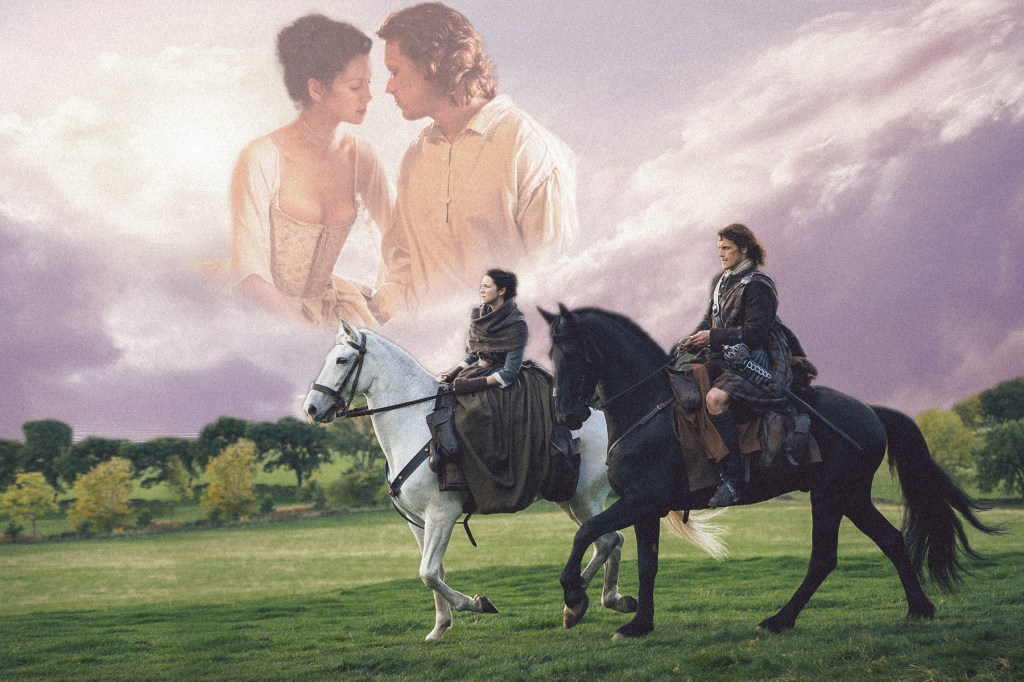
Few fandoms illustrate this sense of ownership more vividly than Outlander. When Sam Heughan first stepped into the role of Jamie Fraser, he wasn’t just playing a character — he embodied a romantic ideal deeply rooted in Diana Gabaldon’s beloved novels. For many readers and viewers, Jamie was already a living, breathing figure in their imaginations. Sam’s portrayal only amplified that connection.
Fans didn’t just fall in love with the character; they projected Jamie’s traits onto Sam himself. Over time, this blurred the boundary between actor and role, creating the expectation that Sam should mirror Jamie’s loyalty, passion, and choices in his real life. It was as if Jamie Fraser stepped off the page and onto the red carpet — and fans wanted him to stay that way.
But here’s where I think the story turns into something even more beautiful: Sam is now moving from Jamie Fraser to Macbeth and to other creative projects he is envisioning. This evolution shows his passion as an artist and his courage to take on challenges beyond what fans already know him for. Rather than trying to hold him inside the box of Jamie Fraser forever, fans have the chance to genuinely support him by embracing his new work and enjoying what he continues to create.
Now, imagine this from another perspective: picture yourself being scrutinized by the public, with strangers feeling entitled to weigh in on your every choice. Imagine them demanding access to your private life, trying to shape it, or questioning it. Would you enjoy that? Of course not. In fact, you would likely try to protect yourself by hiding as much of your private life as possible. That is exactly the kind of pressure Sam and many actors live under — and it explains why keeping boundaries is not only natural, but necessary.
And take it a step further: imagine you have a partner you truly love, and they are bullied or ridiculed online simply because they are dating you. That’s what happens when fans cross the line and convince themselves that they, not the celebrity, should have a say in who someone loves. It’s not only cruel — it’s a sign of unhealthy obsession. People who behave this way often need to take a serious step back and consider their own mental health. No one has ownership over another person’s life, and certainly not over someone they’ve never truly known.
In a way, Outlander became the perfect example of parasocial attachment colliding with ownership. Sam gave the world Jamie Fraser, but many fans wanted Jamie forever — forgetting that Sam is a real man, not a fictional Highland warrior bound to anyone’s expectations. Supporting his artistry, rather than attempting to invade his privacy, is the healthiest and most respectful way to honor what he has given us.
Opening Our Eyes
This isn’t about scolding anyone — it’s about awareness. Many people don’t even realize how their words or behavior, especially online, can weigh heavily on another person’s shoulders. Celebrities may seem larger than life, but at the end of the day, they are still human beings who deserve kindness and respect just like anyone else.
And here’s a question worth reflecting on: if someone like Sam were to find true love, would people continue to bully, troll, or tear him down for it? Or would they love him enough to accept the fact that he is happy? That question doesn’t just apply to Sam Heughan — it applies to every actor and actress who faces the same struggle.
When we say we admire or love someone, it should mean we want the best for them — their happiness, their growth, their joy. Anything less isn’t love at all; it’s ownership in disguise.
✨ The real gift we can give our favorite actors isn’t control, but freedom — the freedom to live, to love, and to keep creating without fear of being torn apart for being human.
There are times when I close my eyes and imagine myself in Sam Heughan’s shoes. I wonder what it must feel like to live every day under the constant gaze of the public eye—where even the smallest details of your life are poked and prodded, not out of malice, but out of curiosity and the desire to step into a world that isn’t theirs to enter.
Privacy has become one of the biggest struggles in today’s world, and for someone like Sam Heughan, it is an ongoing challenge. He gives so much of himself through his work, his projects, and his generosity, but the man behind the spotlight still deserves the right to breathe, to love, and to live freely without intrusion.
It’s easy to forget that admiration doesn’t grant entitlement. The truth is, Sam—like all actors, artists, and public figures—should not have to sacrifice dignity or peace of mind in exchange for recognition. As much as people celebrate his talent, it’s equally important to honor what he chooses to keep for himself.
When I think of this, I realize that respecting the boundary between public and private is not just a courtesy. It is a responsibility, especially for those who call themselves supporters. That line between what is shared and what is sacred must always be protected.
I would also encourage his management team, along with others in similar positions, to draw that line firmly and to demand that tabloids, gossip websites, and careless articles stop twisting pieces of interviews for the sake of greed and clicks—but also to put a stop to endless speculations that serve no purpose, because there is no truth in them.
And to the jealous or obsessive fans: with all due respect, Sam Heughan deserves far better. Whoever he chooses to share his life with is his choice alone, and no one else’s business. He isn’t your husband or boyfriend, and it is not for anyone to dictate who he should love or date. Jealous behavior only reveals insecurity and blinds people to what truly matters. The truth is, Sam should be met with the deepest respect—not unhealthy obsession—because of all that he gives to others and the love he pours into his craft.
In today’s entertainment world, fame is rarely a simple blessing. For actors like Sam Heughan—and many others—success often comes with a shadow: gossip tabloids, speculative media, and obsessive fan culture. While their art inspires millions, the darker side of fame can feel like a thorn in their side, pricking at their dignity, privacy, and even their personal relationships.
The Tabloid Machine
Gossip outlets and entertainment magazines thrive on speculation. Instead of celebrating an actor’s work, they often chase sensational headlines designed to stir drama and keep readers hooked. With Sam, for instance, articles have sometimes focused less on his craft and more on speculation about his personal life. These constant invasions distort the truth, fuel baseless rumors, and add unnecessary stress to someone simply trying to live authentically.
Journalists, Speculators, and the Lack of Respect
The problem doesn’t stop with gossip tabloids. Journalists, media outlets, and online speculators often fail to respect boundaries. There is a desperate need for better training in ethical reporting—learning to recognize that public figures still have private lives deserving of respect. When actors like Sam deliberately keep aspects of their personal life private, it isn’t secrecy; it’s self-protection. Yet as long as the pressure and entitlement continue, many actors will feel they have no choice but to guard their relationships fiercely.
Obsession Masquerading as Fandom
It’s natural for fans to feel connected to actors whose work has touched them. But there’s a sharp line between admiration and obsession. Some individuals cross that line by feeling entitled to every detail of a celebrity’s private life—demanding to know who they’re dating, where they live, or even spreading negativity when those details aren’t shared. This sense of entitlement creates a hostile environment not only for the actor but also for anyone close to them.
The Hidden Partner’s Burden
When actors choose to keep a partner private, it’s usually a form of protection. Not out of shame or secrecy, but out of love and respect. A private partner can easily become a target of speculation, judgment, and online harassment fueled by gossip and jealous fans. Imagine stepping into a relationship where you are instantly judged not for who you are, but for how well strangers think you “measure up” to someone’s idealized fantasy. This can strain even the strongest bond.
Holding Media Accountable
This is where management teams and representatives need to step in. Gossip tabloids and magazines must be held accountable when they cross the line. If entertainment journalism refuses to practice restraint, then agents and managers of well-known figures have a responsibility to push back—challenging false narratives, demanding retractions, and setting stronger boundaries with outlets that repeatedly exploit personal lives for clicks.
The Need for Respect and Humanity
At the heart of it, celebrities are still human beings. They deserve to live, to love, and to protect their relationships without constant scrutiny. Supporting an actor also means respecting their boundaries. True fandom isn’t about control or entitlement—it’s about celebrating their art, appreciating their authenticity, and allowing them the same dignity we would want for ourselves.
A Call for Compassion
For Sam Heughan and countless others, privacy is not a luxury but a necessity. It’s time we, as a culture, rethink how we consume celebrity news. Do we want to be complicit in tearing down the very people whose art inspires us? Or do we want to be the kind of fans and media that uplift, respect, and protect them?
The answer should be simple.
It was stated in the show that Liz has a boyfriend currently.Her and Sam have always been mutual fans of each other according to the both of them.Fans by now should know Sam well enough he would never put his private life in the spotlight and two of course he will compliment her as he is a very kind hearted human being and it was a mutual compliment not a romantic one.
I blog because writing has always felt like home to me. It’s where I can let my thoughts, feelings, and passions flow without judgment. Every post is a way to open my heart—whether I’m standing up for someone I admire, sharing a reflection from my own life, or simply letting creativity spill onto the page.
For me, blogging is more than words on a screen. It’s connection. It’s the chance to reach out to others who may feel the same way, to remind them that they’re not alone, and to encourage kindness in a world that often forgets the power of compassion.
It’s also my creative outlet. Here, I can be poetic, thoughtful, reflective, or strong—sometimes all in the same post. Blogging helps me process what matters most to me, and it turns everyday experiences into something meaningful.
Most of all, I blog because it empowers me. It gives me the space to speak up about dignity, love, respect, and humanity. It’s my voice—and I’m grateful for everyone who chooses to listen.