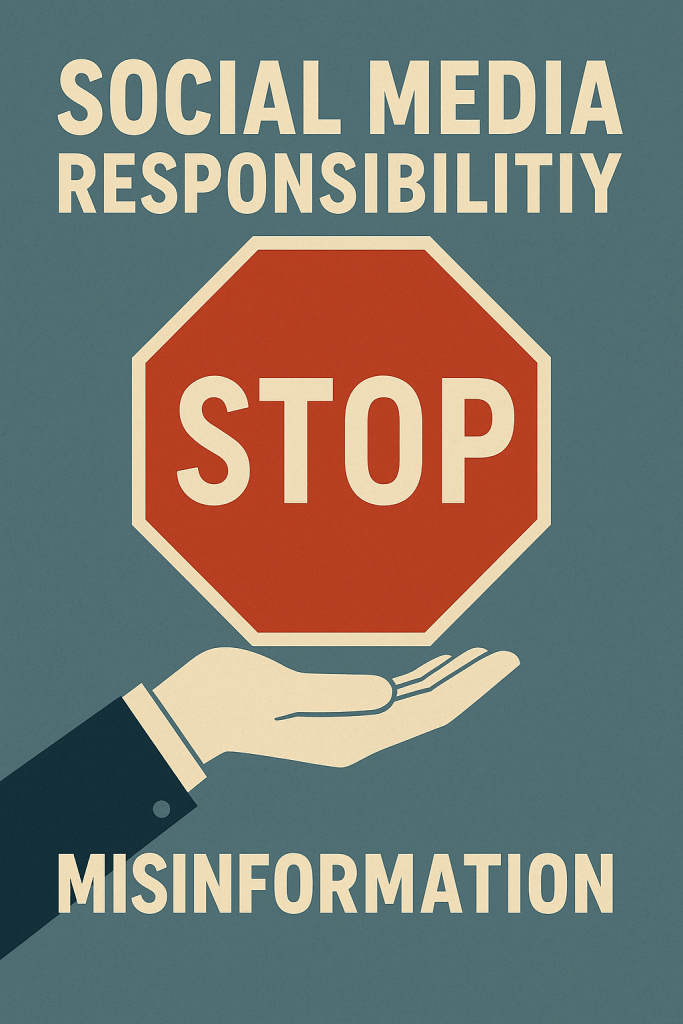
The internet has the power to connect, inspire, and educate, but with that power comes responsibility. When misinformation is allowed to spread unchecked—especially through coordinated rumor-driven groups—the harm does not remain online. It reaches real people, real families, and real lives. This conversation is not rooted in anger or hostility, but in concern, empathy, and a belief that social media platforms can do better when guided by integrity and care.
Free expression is a fundamental value of the digital world, but freedom of speech does not mean freedom from responsibility. There is an important distinction between sharing opinions, celebrating creative work, or engaging in respectful discussion, and presenting unverified or fabricated narratives as fact. Groups such as sis_brasil repeatedly blur this line by building stories on speculation, misinterpreted images, anonymous claims, and assumptions that are framed as truth without evidence. When this behavior continues unchecked, it stops being harmless fandom and becomes systemic misinformation.
The impact of misinformation is deeply human. Public figures, including Sam Heughan, are routinely denied basic privacy, while private individuals—who never chose public exposure—are pulled into narratives that can affect their emotional wellbeing, reputations, and sense of safety. Families and friends are often caught in the crossfire, and entire communities become divided by rumor and hostility. Behind every post is a person, and behind every false narrative is someone who must live with the consequences long after the content has circulated.
Holding social media platforms accountable is not censorship. It is governance. Most platforms already have policies addressing misinformation, harassment, defamation, and coordinated abuse. When accounts repeatedly violate these standards and continue to operate freely, it sends a message that engagement is valued more than integrity. Accountability means enforcing rules consistently, regardless of language, country, or audience size.
The global nature of the internet makes this issue impossible to ignore. A post created in one country can be translated, reposted, and amplified worldwide within minutes. Rumors gain legitimacy simply through repetition, not truth. Misinformation networks operate across borders, and moderation efforts must reflect that reality with equal awareness and consistency.
Mindful accountability does not require punishment-driven action. It requires thoughtful enforcement. Platforms can protect users by applying existing policies consistently, identifying repeated patterns of misinformation rather than isolated posts, safeguarding private individuals from public speculation, limiting the amplification of rumor-based content presented as fact, and providing transparency when coordinated misinformation is reported.
Responsibility also extends to the wider online community. As users, we can pause before sharing, verify before believing, report content responsibly, and choose empathy over entitlement. Admiration does not grant ownership over someone’s life. Healthy fandom is rooted in respect, not intrusion.
This is not a call driven by outrage. It is a request grounded in humanity. Social media platforms have reshaped how the world communicates, and with that influence comes an ethical obligation to protect people from harm. Kindness, mindfulness, and respect are not weaknesses in moderation—they are strengths. When truth is protected and dignity is upheld, the internet becomes what it was meant to be: a place of connection, not exploitation.
 Deep Thinking
Leave a comment