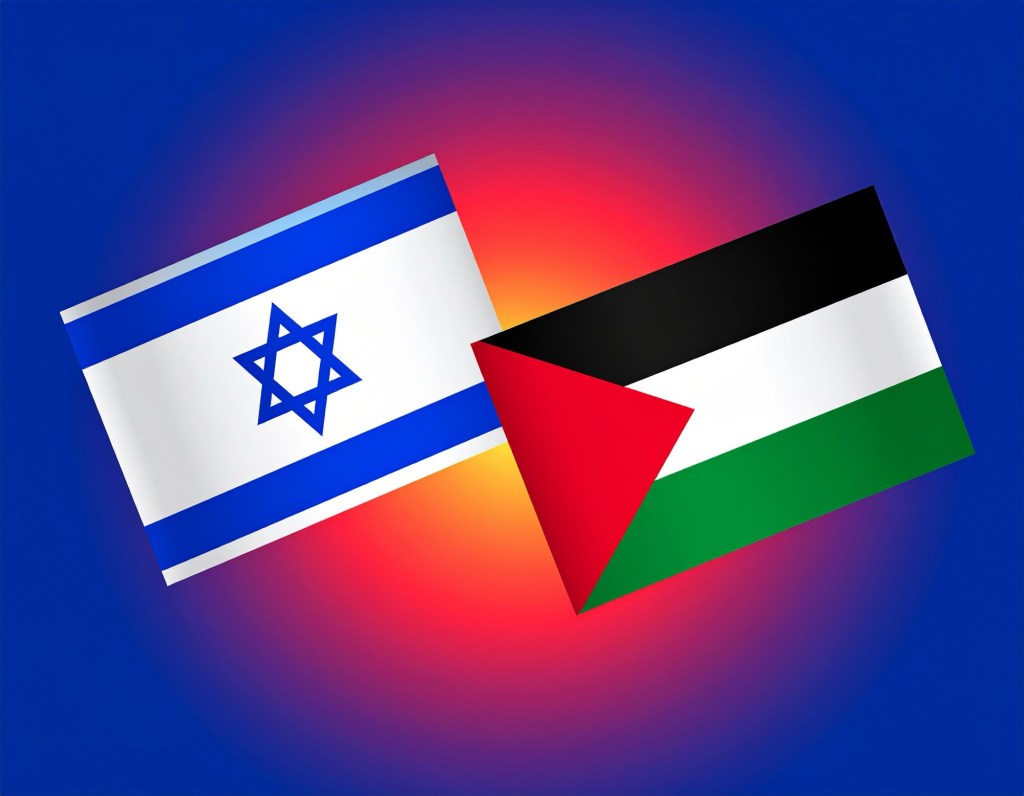
The conflict between Palestinians and Israel is rooted in competing claims to the same land, shaped by history, religion, and politics. Below is a clear explanation of why Palestinians resent Israel and why Israelis defend their state, starting from biblical times.
Biblical Times to Ottoman Rule
Around 1200 BCE, Canaan (modern Palestine/Israel) was home to Semitic tribes, including Israelites and Philistines. The Hebrew Bible describes Israelite kingdoms, tying Jews to the land spiritually. Archaeological evidence suggests gradual settlement, not conquest. Philistines, while symbolically linked to Palestinians, aren’t direct ancestors; Palestinians descend from Canaanites, Arabs, and others. Israeli Perspective: Jews see Canaan as their ancestral homeland, central to their religious and cultural identity. Palestinian Perspective: Ancient history is less relevant; their identity formed under Arab and Ottoman rule.
By the 2nd century CE, Romans named the region Palestine. Jewish exiles followed the 70 CE Temple destruction, though some Jews stayed. Arab Muslim conquests (7th century) made Palestine mostly Muslim, with Christian and Jewish minorities. Ottoman rule (1517–1917) solidified Palestinian Arab-Muslim identity, with no independent state. Israeli Perspective: Jews maintained a continuous, if small, presence, reinforcing their claim. Palestinian Perspective: Centuries of Arab dominance shaped their cultural and territorial identity.
Zionism and British Rule (Late 1800s–1947)
In the 1880s, Zionism emerged as Jews, facing European anti-Semitism, sought a homeland in Palestine, citing biblical ties. Jewish immigration grew under Ottoman and British rule (post-1917). The 1917 Balfour Declaration, Britain’s support for a Jewish “national home,” alarmed Palestinians, who were 90% of the population (~500,000 vs. ~60,000 Jews in 1918). Clashes erupted in the 1930s as Jewish land purchases increased.
- Palestinian Perspective: Zionism was colonial, backed by Britain, threatening their majority and land ownership.
- Israeli Perspective: Jews were escaping persecution and returning to their historic homeland, not colonizing.
1948: Nakba and Israel’s Creation
In 1947, the UN Partition Plan (Resolution 181) proposed a Jewish state (56% of Mandate Palestine) and an Arab state (43%). Jews (~33% of the population) accepted; Palestinians and Arab states rejected it, citing unfair division. Israel’s 1948 independence sparked war with Arab states. Israel won, taking 78% of the land. The Nakba saw ~700,000 Palestinians flee or be expelled, with 150+ villages destroyed.
- Palestinian Perspective: The Nakba was a catastrophe, dispossessing half their population and erasing their homeland.
- Israeli Perspective: The war was defensive; Arabs attacked first, and refugees resulted from conflict, not systematic expulsion. Israel needed a secure state for Jews post-Holocaust.
Occupation and Settlements (1967–Present)
In 1967, Israel occupied Gaza, the West Bank, and East Jerusalem, displacing ~400,000 Palestinians. Settlements, illegal under international law, house ~700,000 Israelis, controlling ~40% of West Bank land (B’Tselem). Gaza’s blockade, post-2007 Hamas control, causes humanitarian crises. Palestinian resistance (intifadas, rockets) meets Israeli military responses, fueling violence.
- Palestinian Perspective: Occupation, settlements, and blockades are ongoing dispossession, restricting freedom and livelihood.
- Israeli Perspective: Occupied territories are a security buffer against Arab attacks. Settlements and blockades counter threats like Hamas rockets, protecting Israeli lives.
Core Reasons for Palestinian Resentment
- Land Loss: Palestinians see the Nakba and settlements as theft of their homeland.
- Occupation: Checkpoints, walls, and demolitions are viewed as systemic oppression.
- Jerusalem: Israeli control over East Jerusalem and Al-Aqsa threatens Muslim and Christian heritage.
- Inequality: Palestinians face military rule or discrimination, unlike Israelis.
- Historical Betrayal: Palestinians feel abandoned by Britain, the UN, and global powers.
Core Reasons for Israeli Stance
- Security: Israelis see their state as a haven post-Holocaust, threatened by Arab wars and terrorism (e.g., Hamas).
- Historical Claim: Jews view Palestine as their biblical homeland, with a continuous presence.
- Legitimacy: Israel’s UN-backed creation and 1948 victory affirm its right to exist.
- Rejectionism: Israelis argue Palestinian refusal of peace deals (e.g., 1947, 2000) perpetuates conflict.
- Defense: Military actions, including occupation, are seen as necessary to prevent attacks.
 Deep Thinking
Leave a comment